
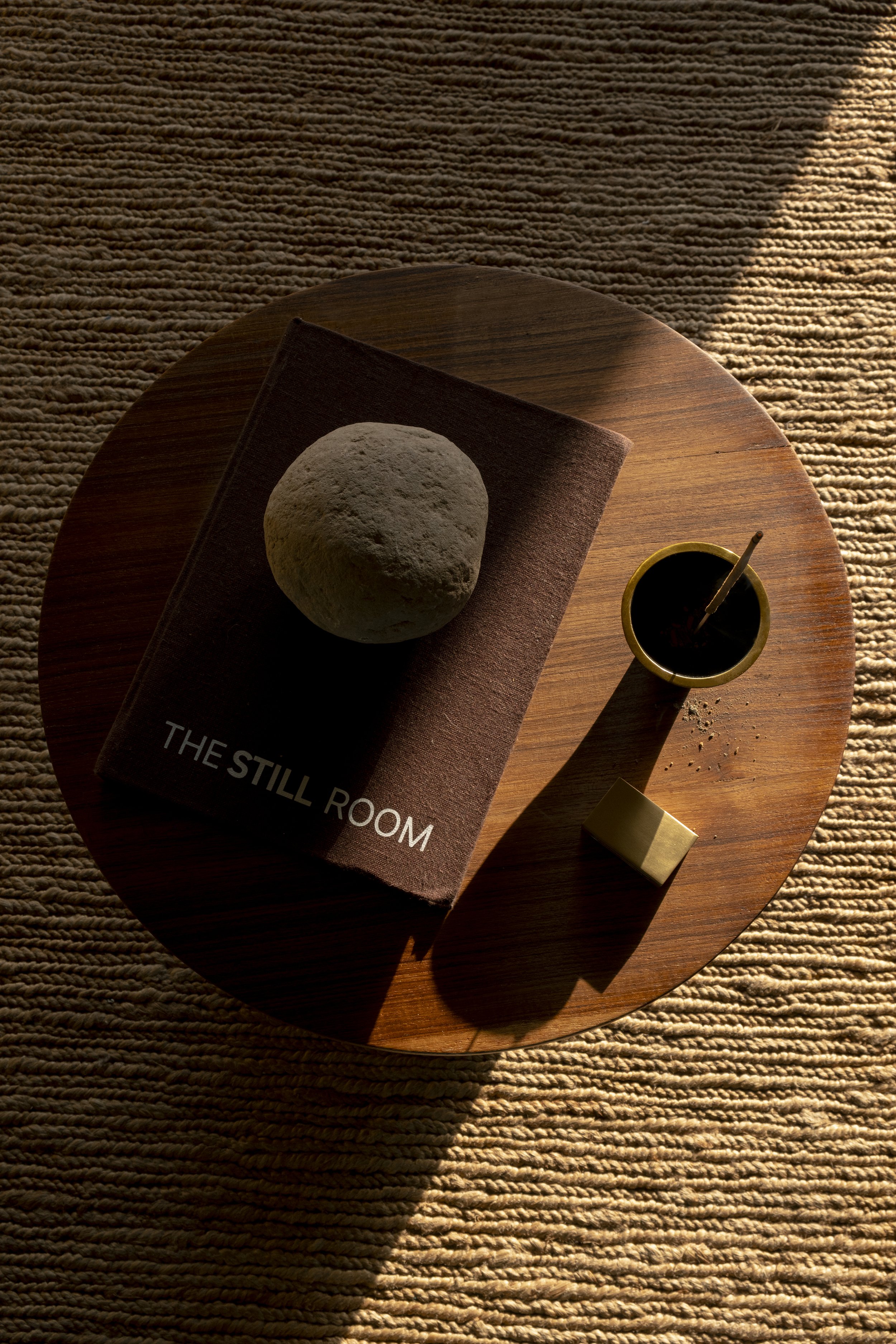
The Still Room by No-Mad
With a new collection of home textiles, bedding and décor accents, Indian lifestyle brand No-Mad proposes the home as a refuge, one shaped by texture, restraint and the quiet rituals of everyday life.
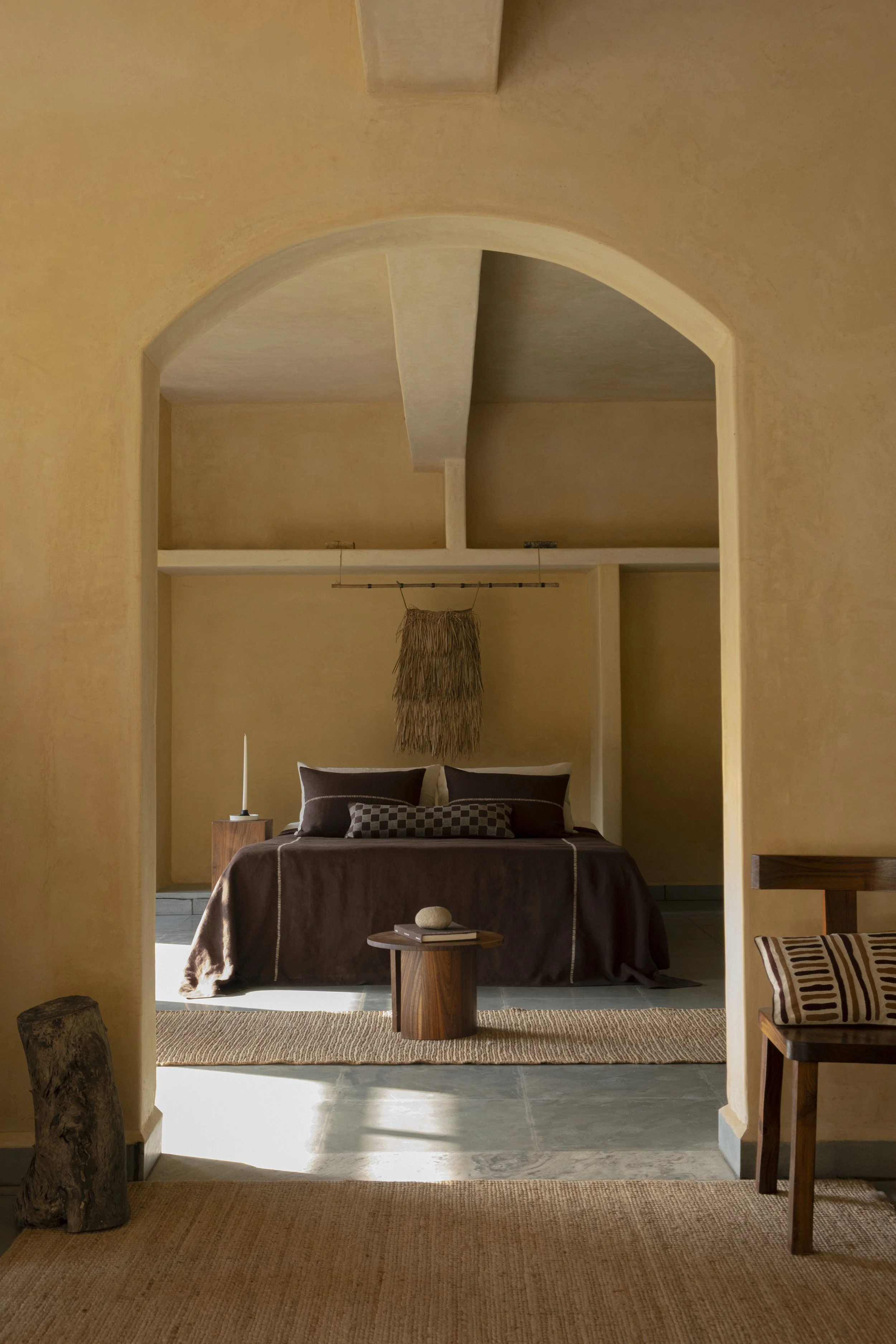
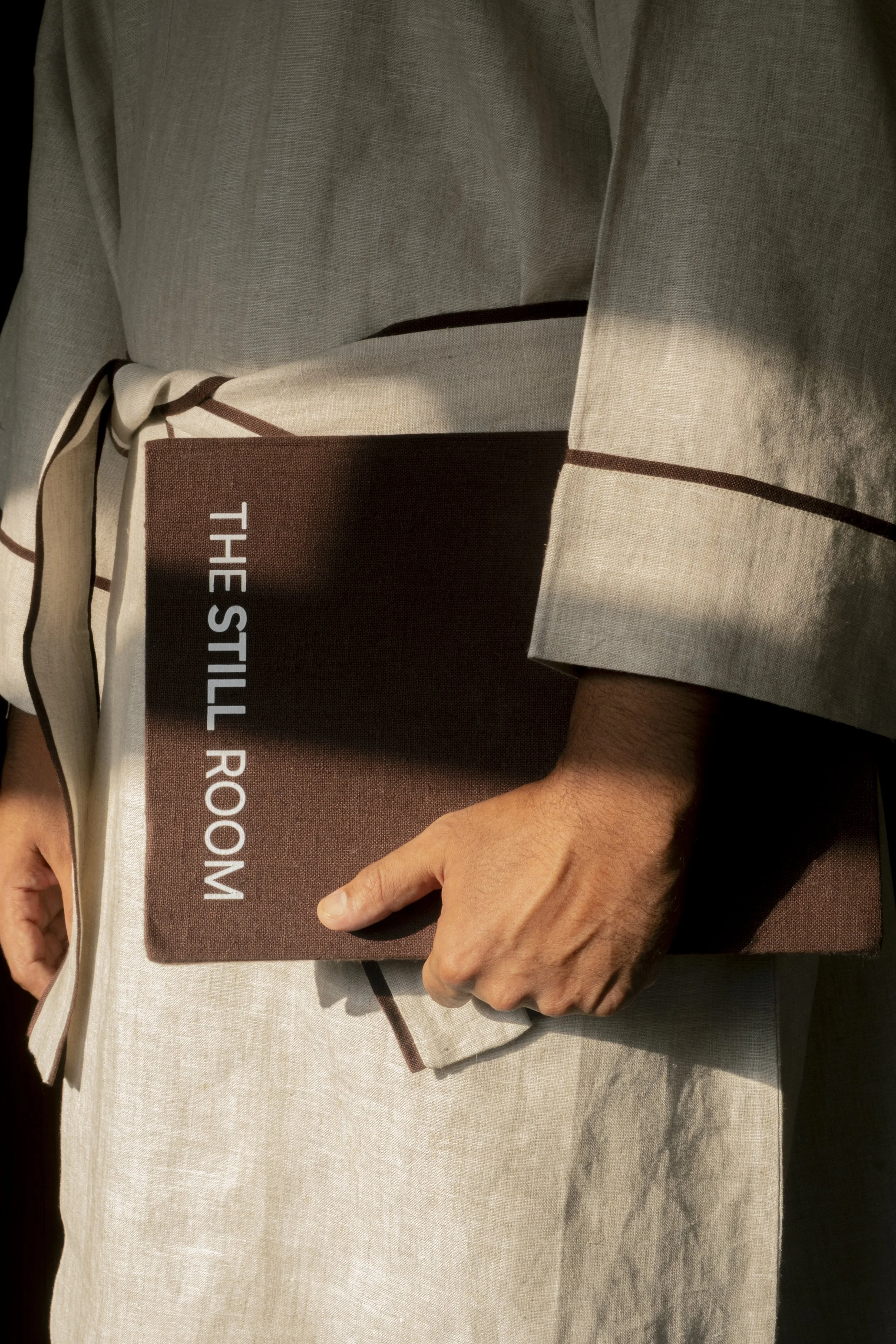
Books over screens. Texture over colour. Depth over decoration. These are the quiet provocations that open The Still Room, the 2026 collection from No-Mad, and they set the terms for everything that follows. Described by the brand as "a study in intentional living," the collection is less a room than a state of mind: an argument for interiors that restore attention.
"The idea of The Still Room began with a simple question," says founder Anuj Kothari. "What if our homes could become an antidote to modern life, rather than another reflection of it?" It's a question that arrives at a fitting moment. As daily life grows ever more digital and performative, Kothari found himself longing for something quieter: tactility, stillness, a sense of belonging. The Still Room is his answer, a material-led collection shaped by honest materials, restrained colour and everyday life lived with greater intention.
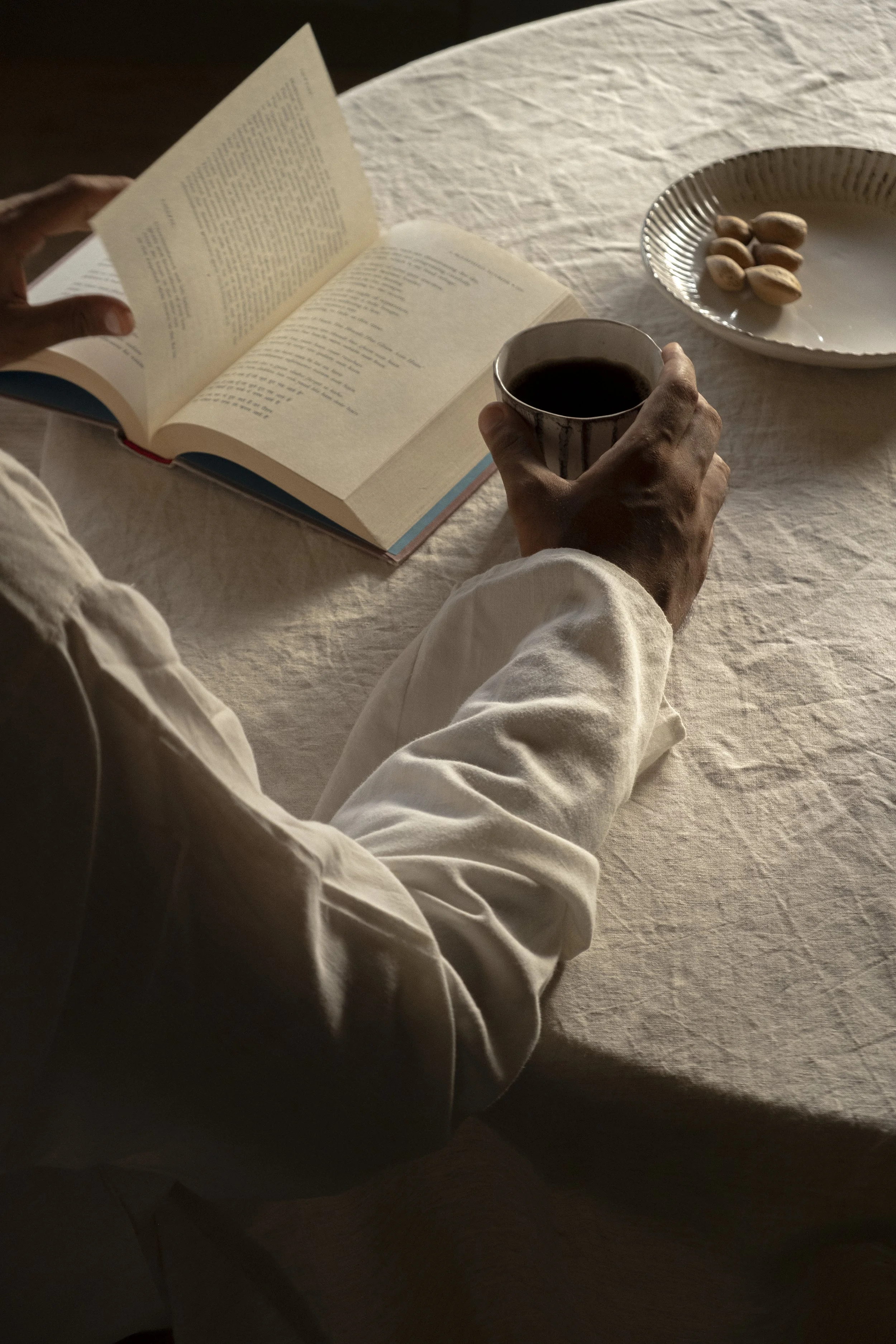
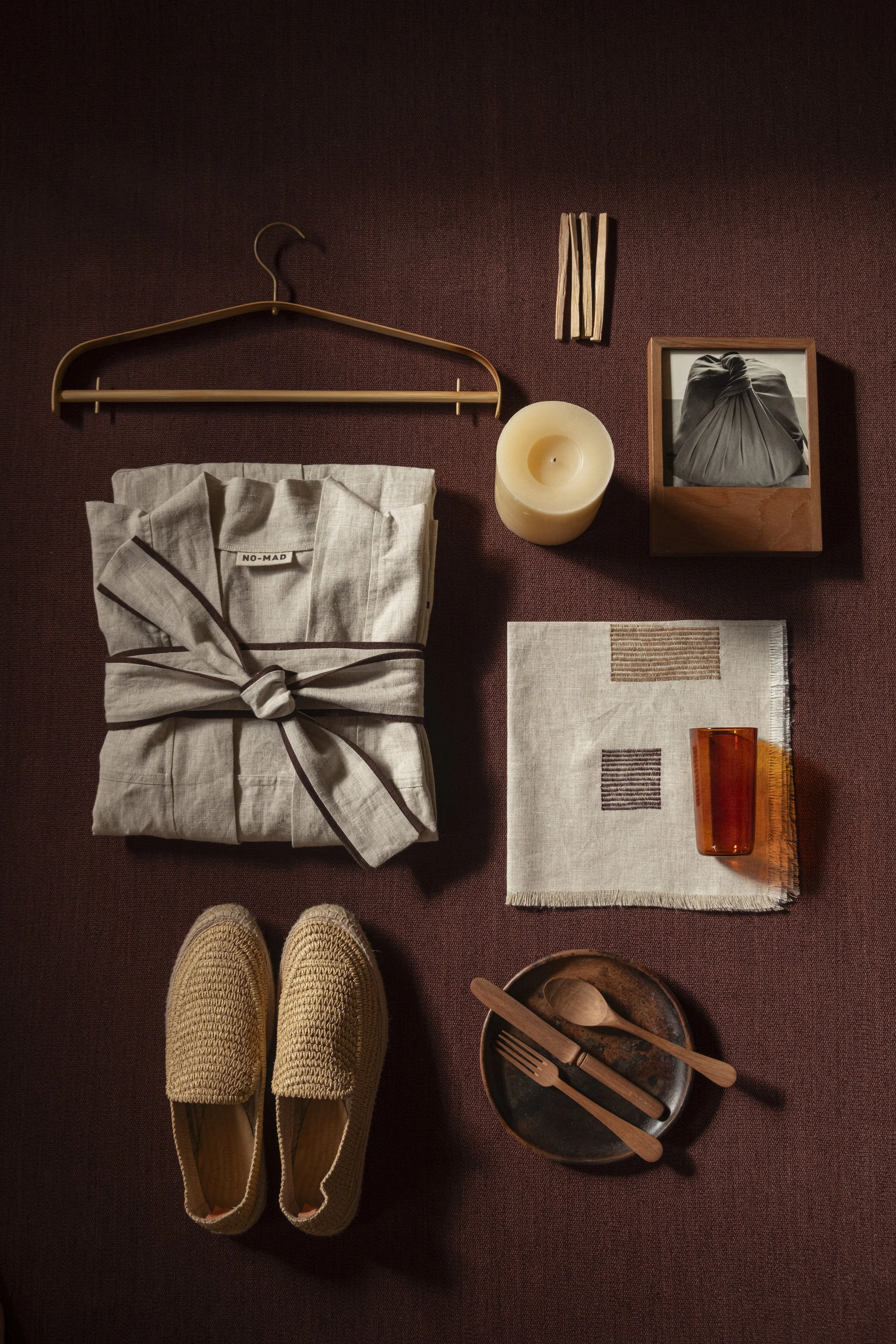
For No-Mad, intentional living begins with consciousness: what we choose to surround ourselves with, how we use it, and the rituals that give ordinary days their meaning. The home, in this framing, is an instrument as much as a backdrop, a place that can restore attention through the act of making a bed, reading a book, lighting incense, sitting with a cup of tea, or simply allowing a room to be quiet. The Still Room proposes a way of inhabiting a space, with greater attention, fewer distractions, and more meaning in the everyday.
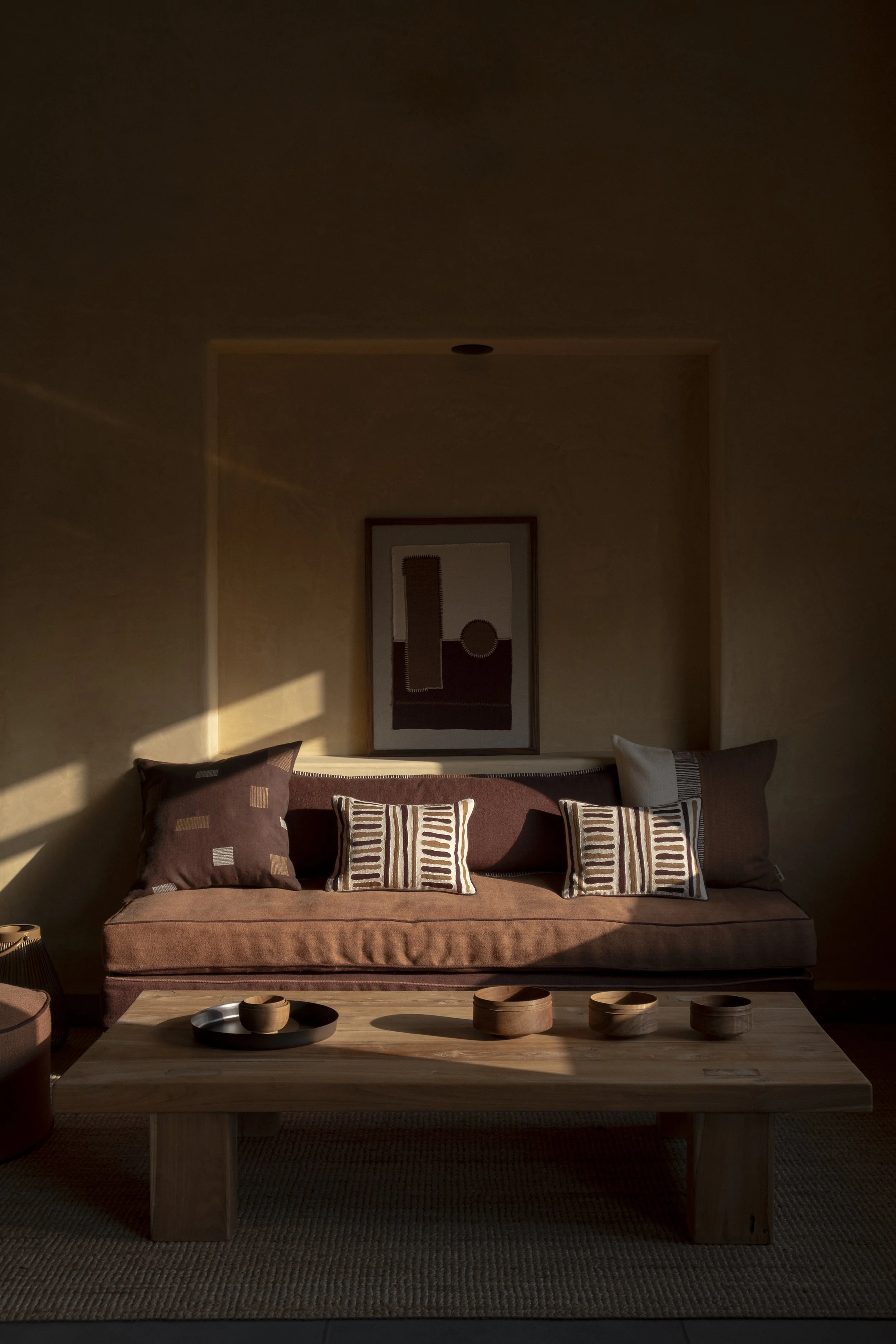
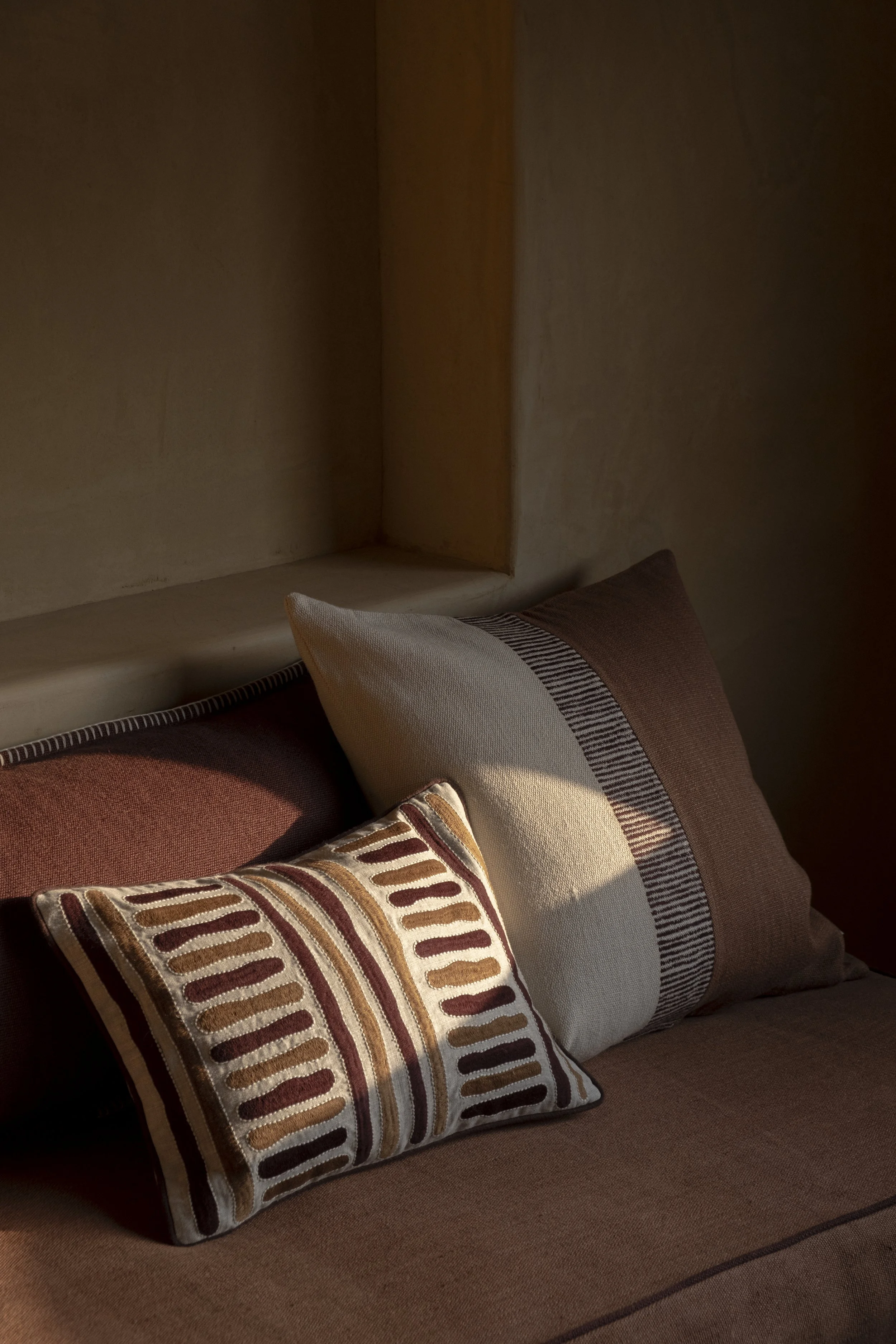
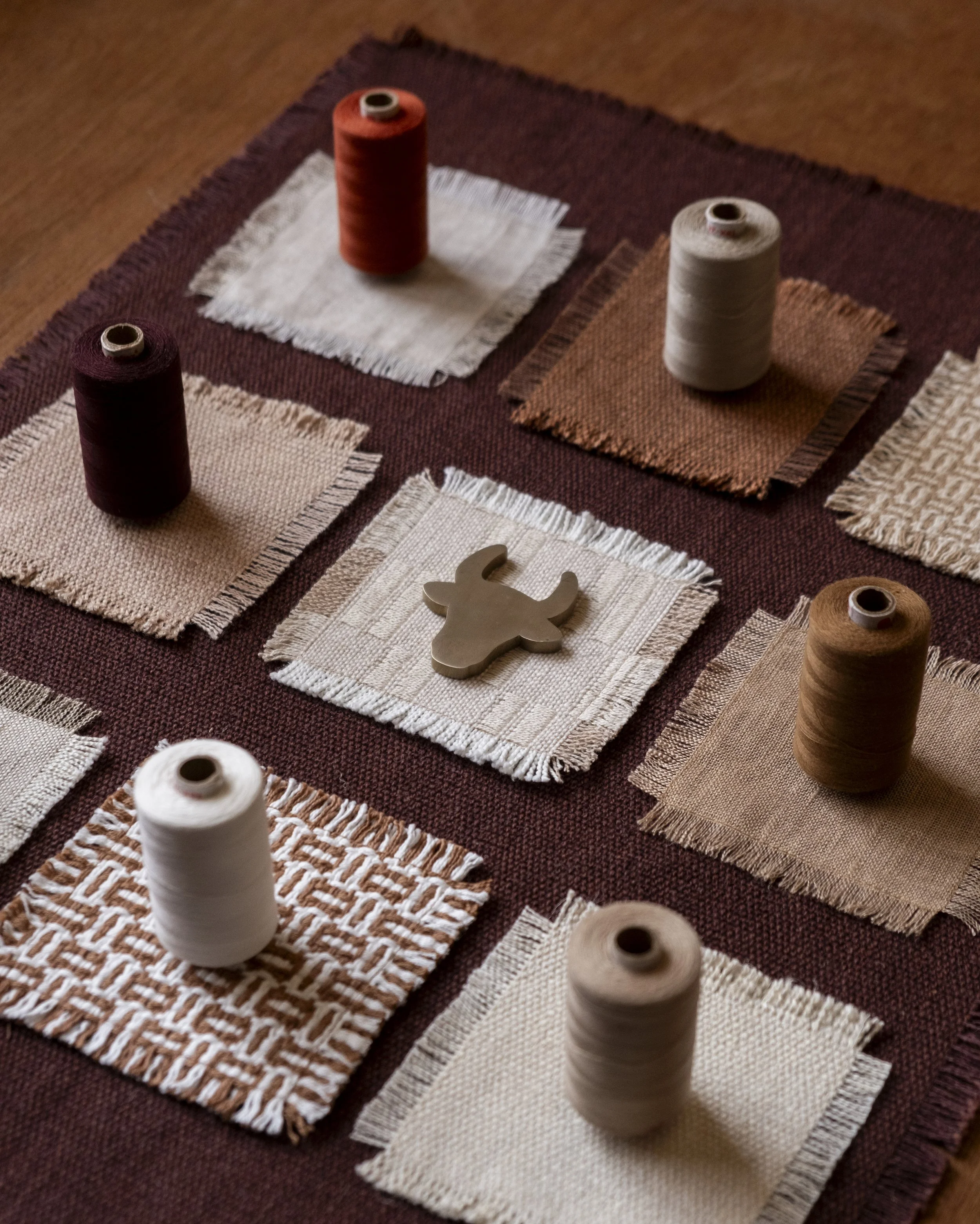
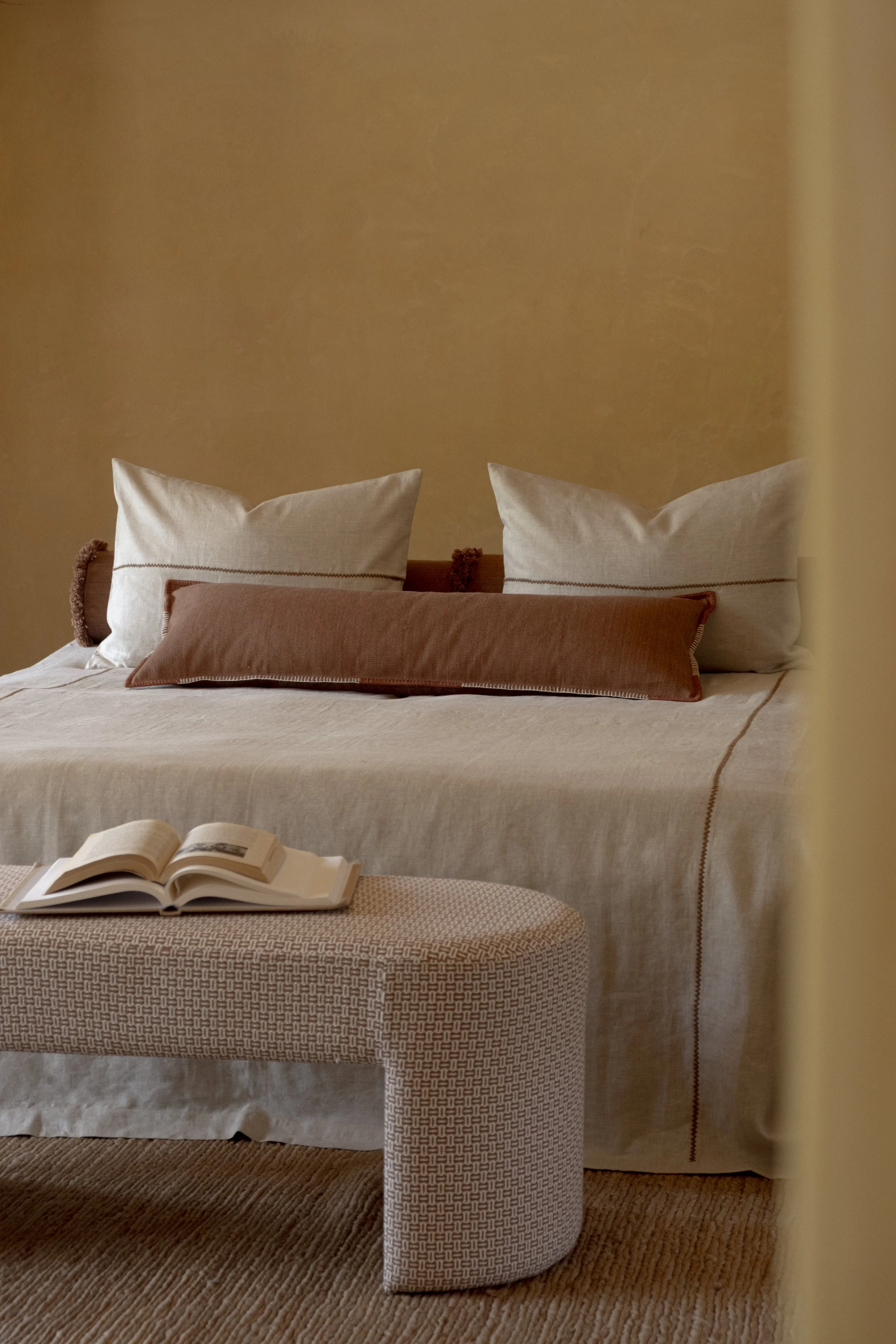
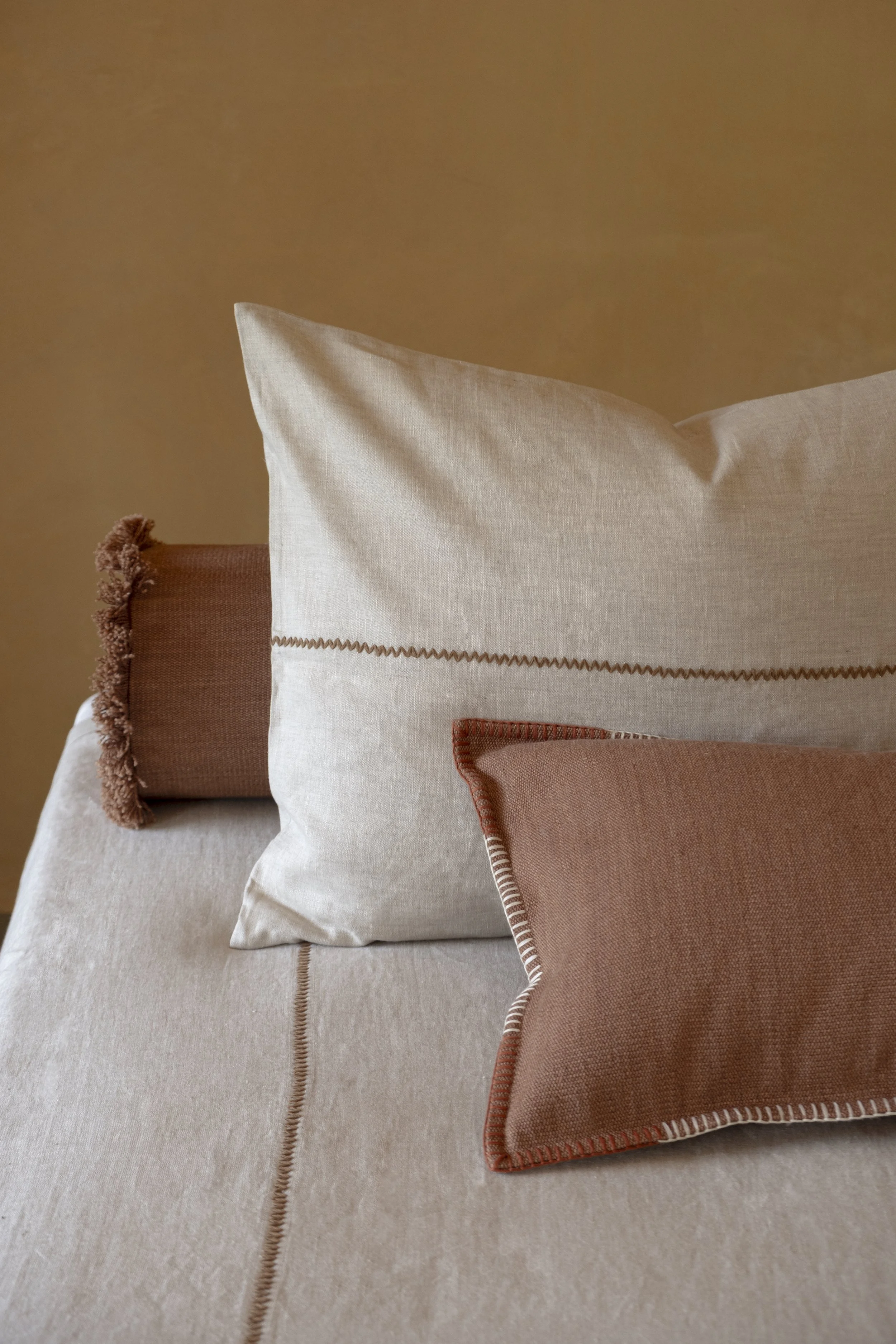
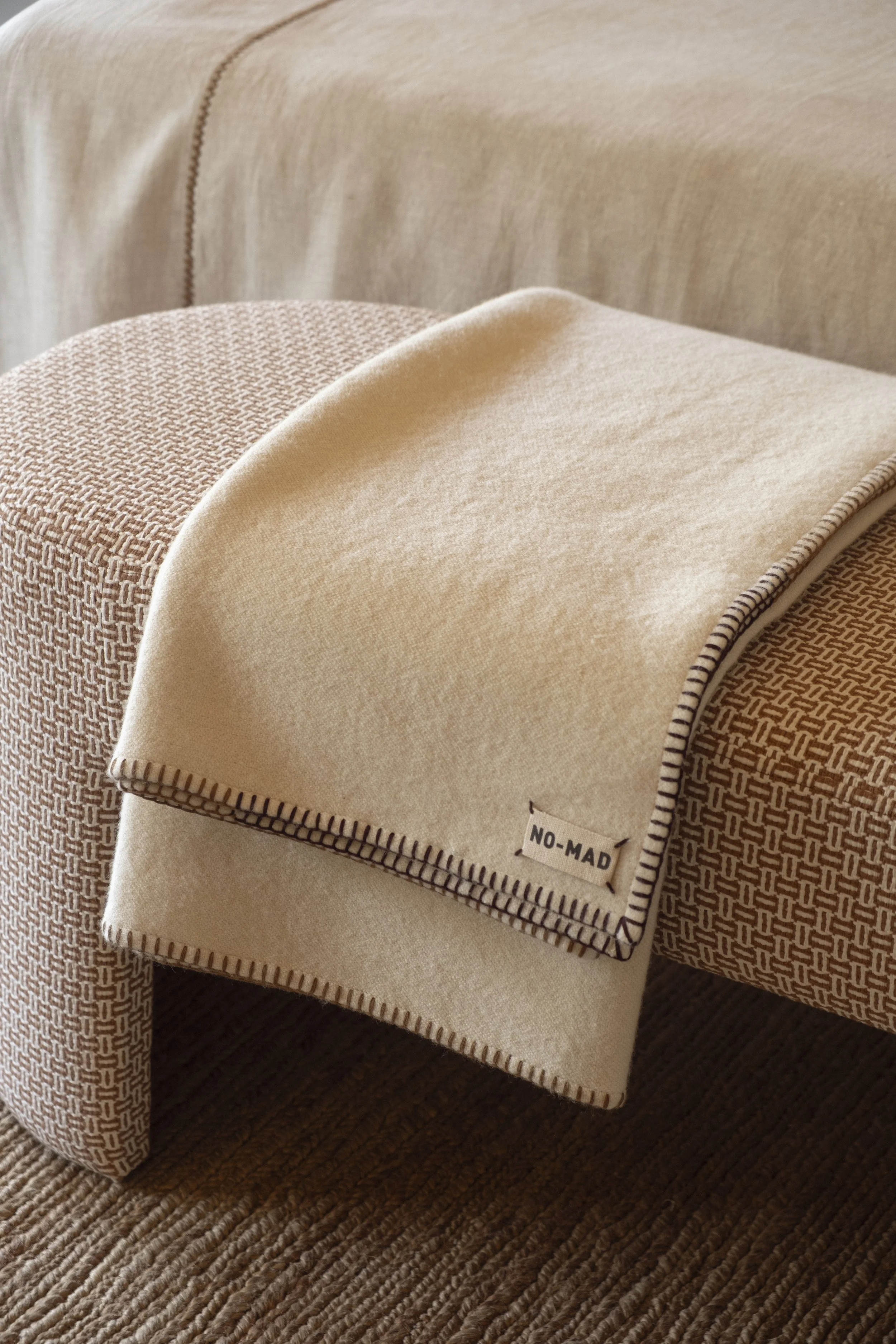
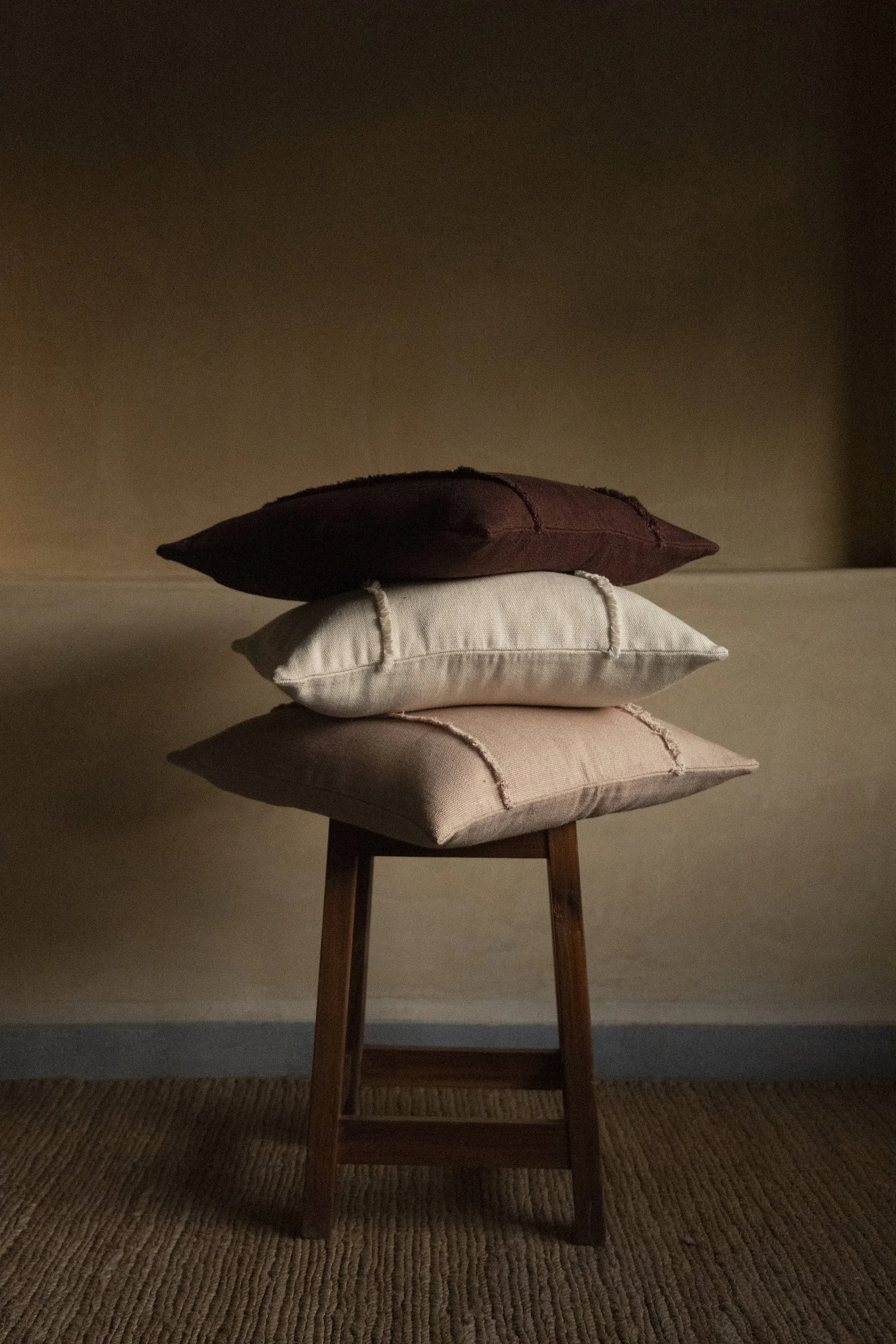
That philosophy is carried, above all, by the materials. The collection marks a deliberate turn towards texture, weight and tactility. Natural fibres, including linen, cotton, jute and wool, do the expressive work, each bringing depth to a room through weave, handwork and construction. Traditional techniques are present yet understated: pleating, embroidery, joinery, hand-finishing and irregular woven surfaces lend the collection its character, while the hand of the maker remains quietly visible. What emerges is a studied tension between refinement and imperfection, pieces that feel considered, never overly polished.
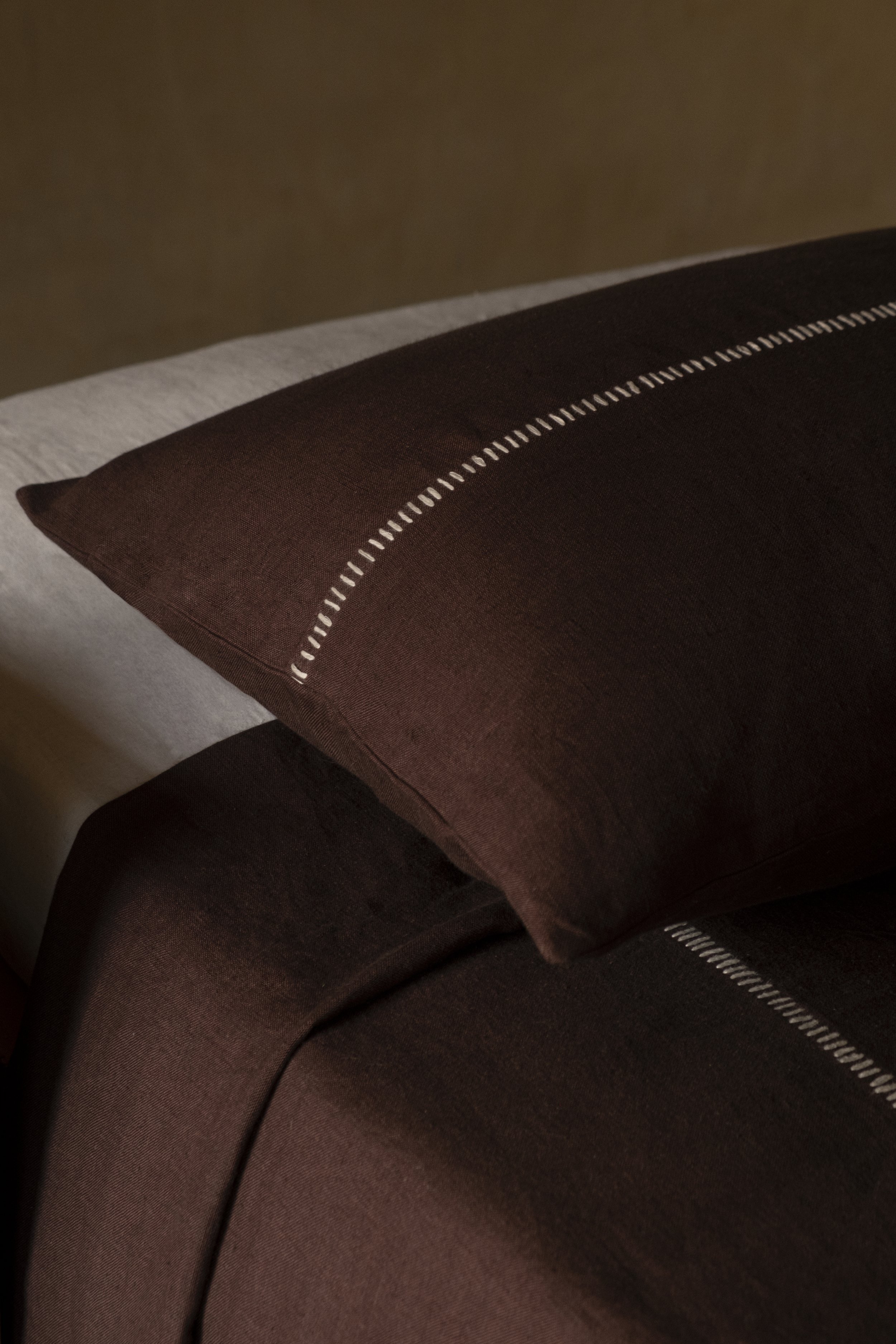
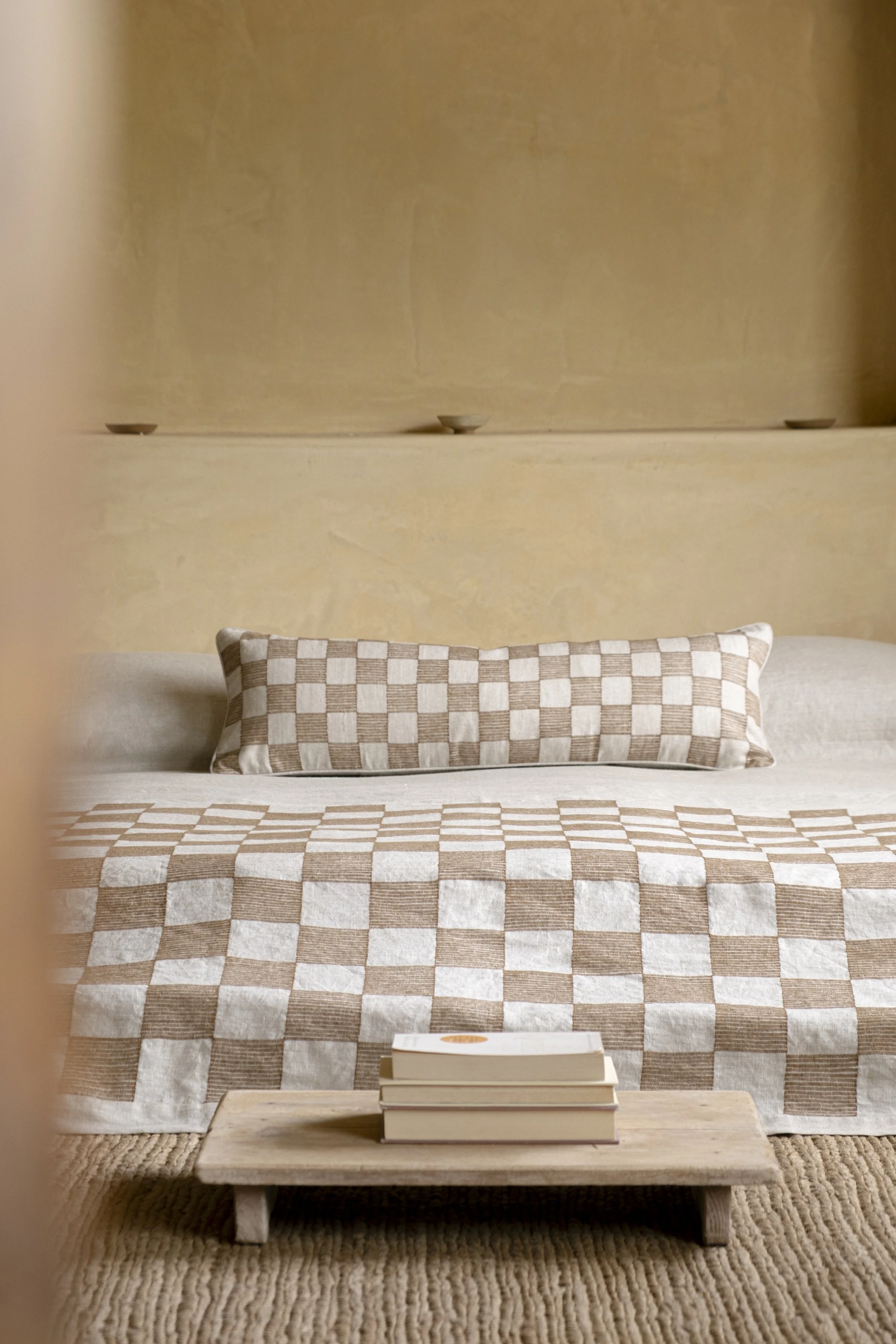
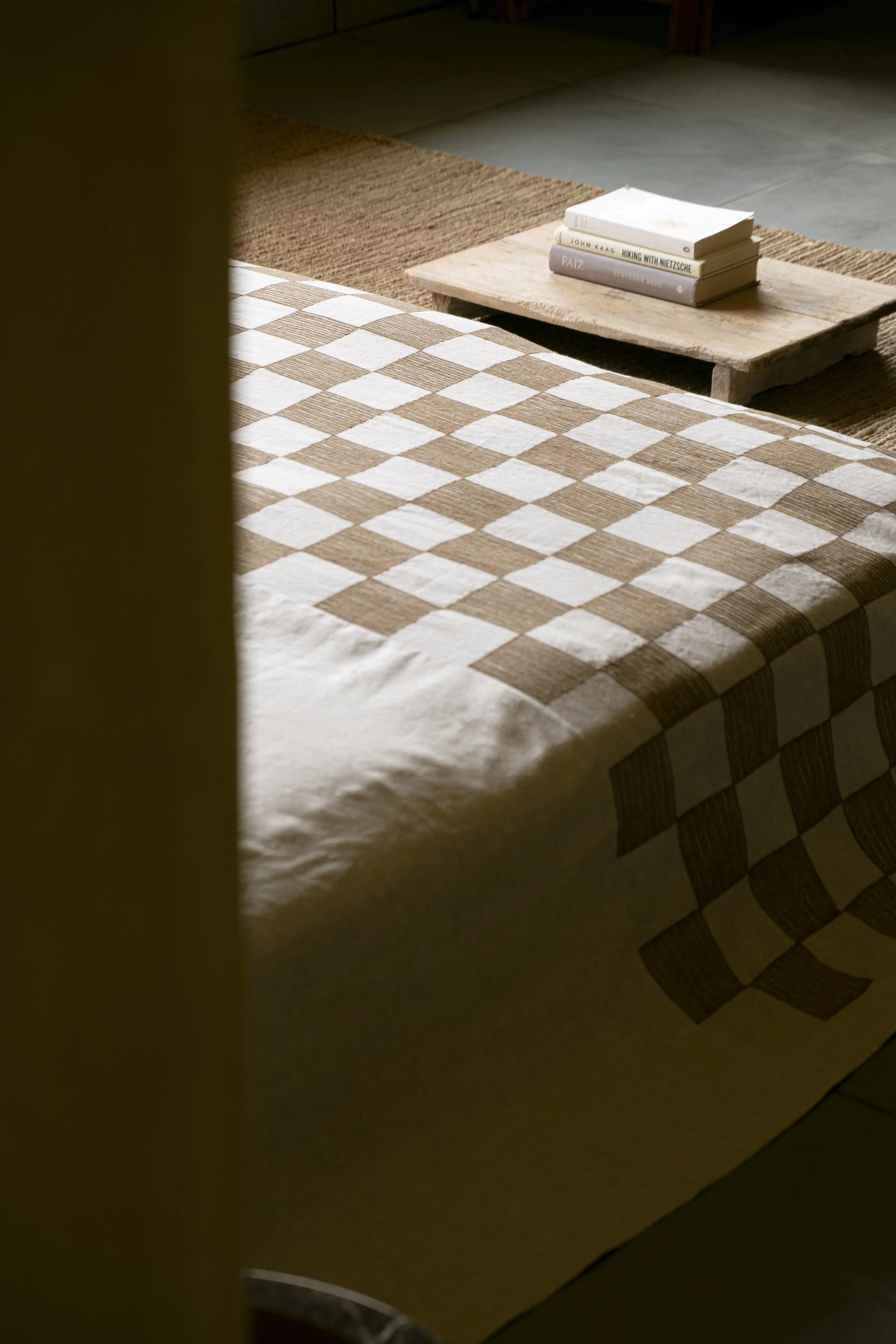
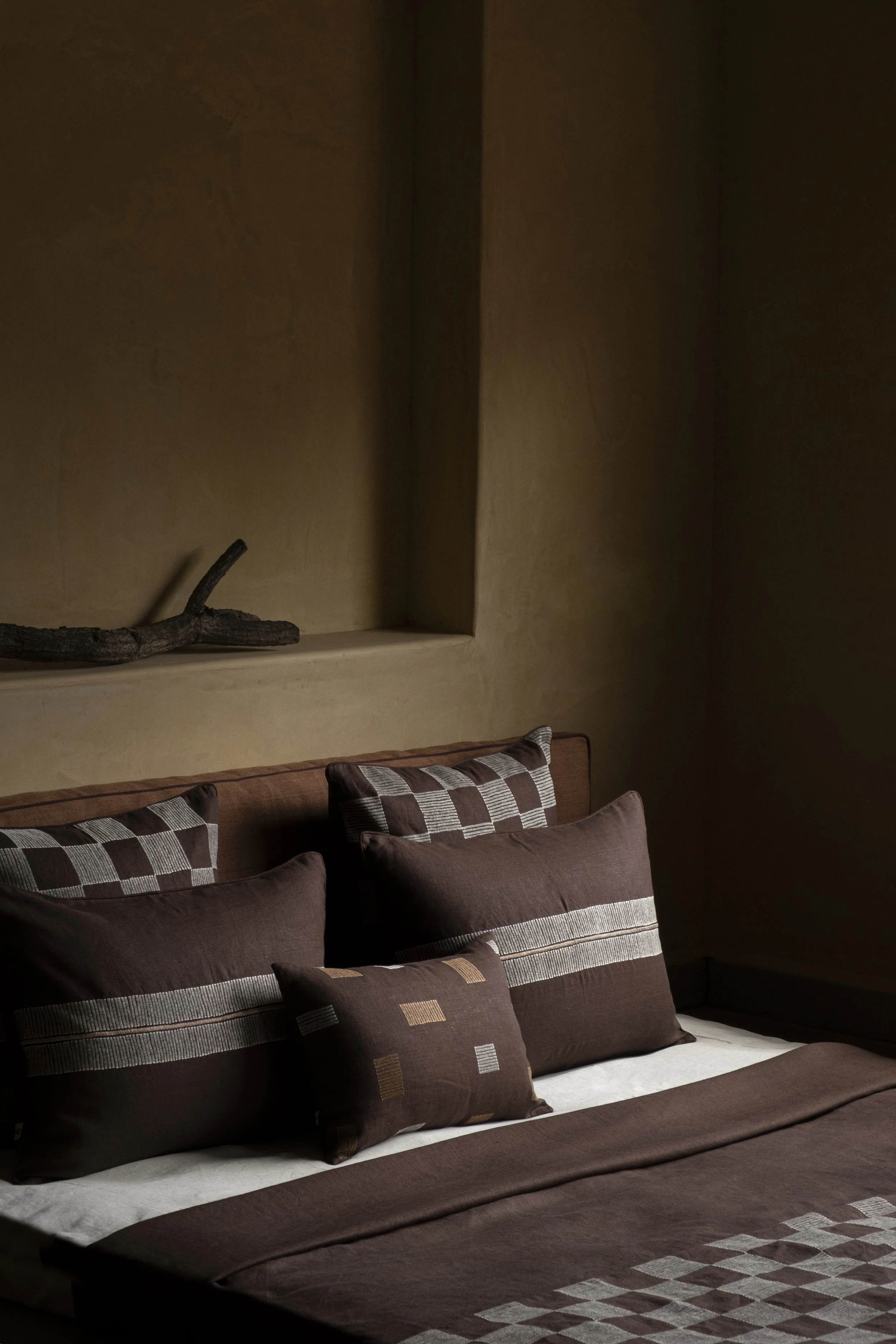
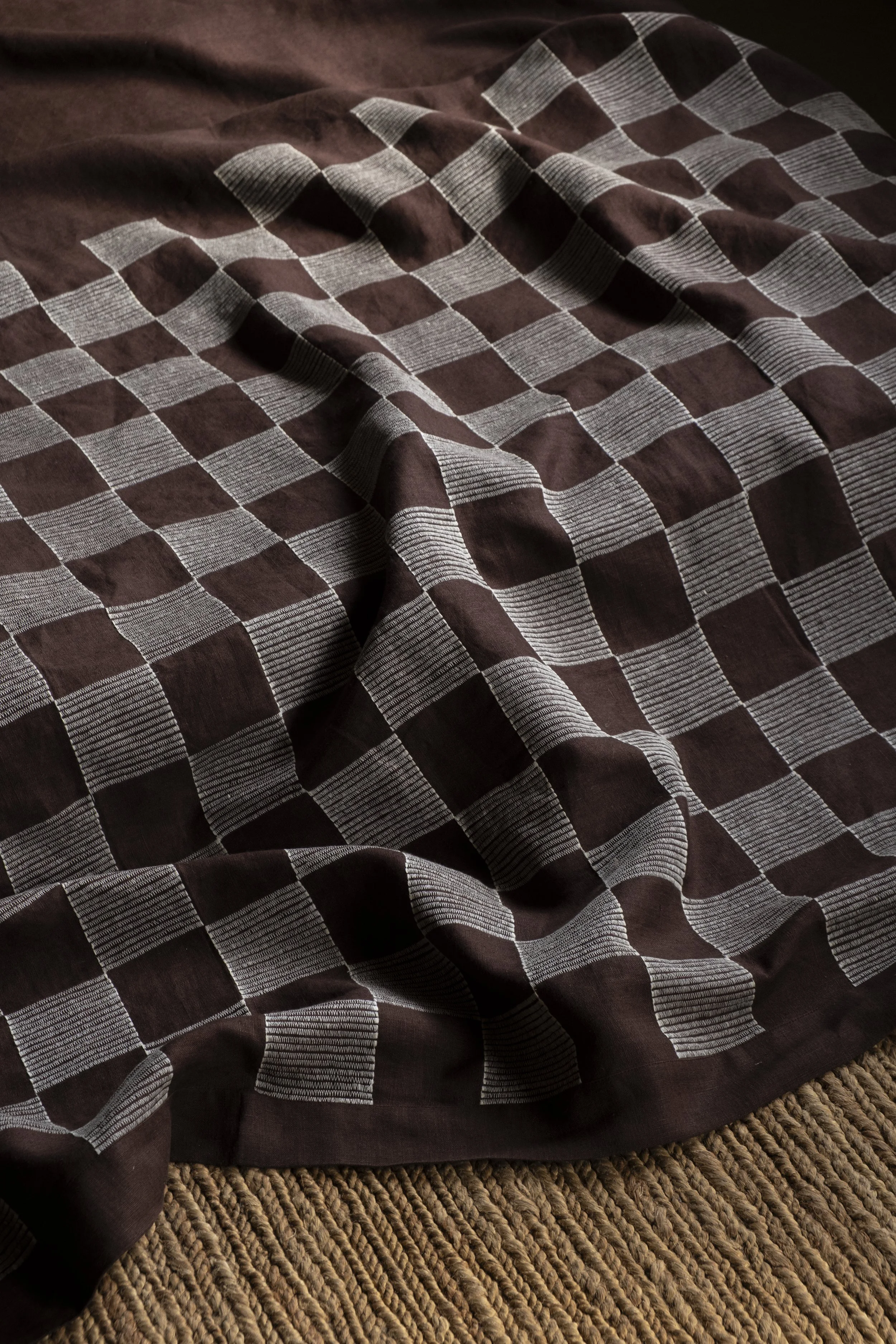
Two pieces anchor the collection's ideas most directly. LAYA, with its hand-pleated construction, brings together texture, repetition and restraint in a single surface. CHAUR, with its embroidered grid, introduces a quiet graphic language kept well this side of decoration. Around them, textured fabrics, books and smaller objects bring ritual into the room, and crucially, each piece contributes to how the space is used, touched and lived in.
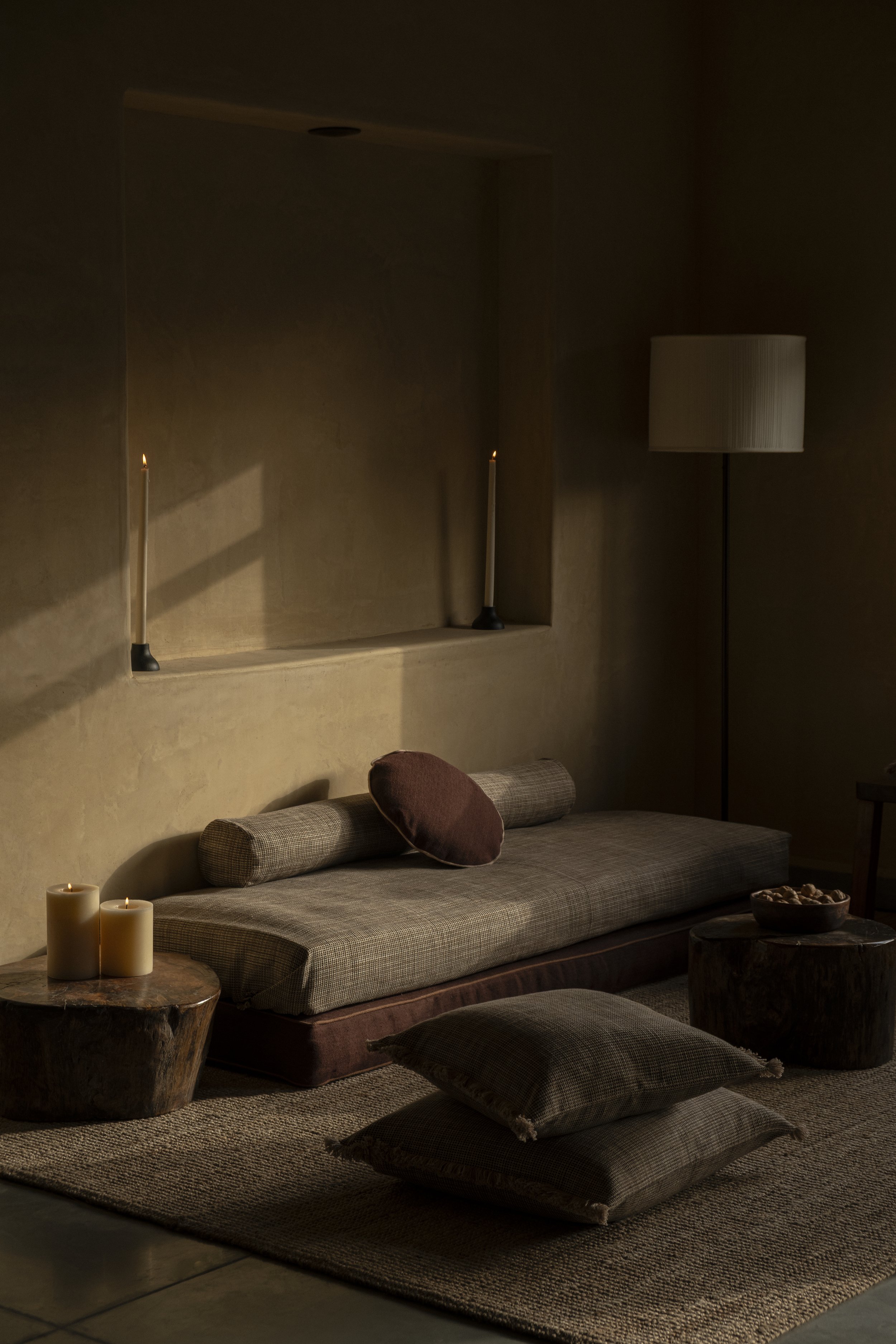
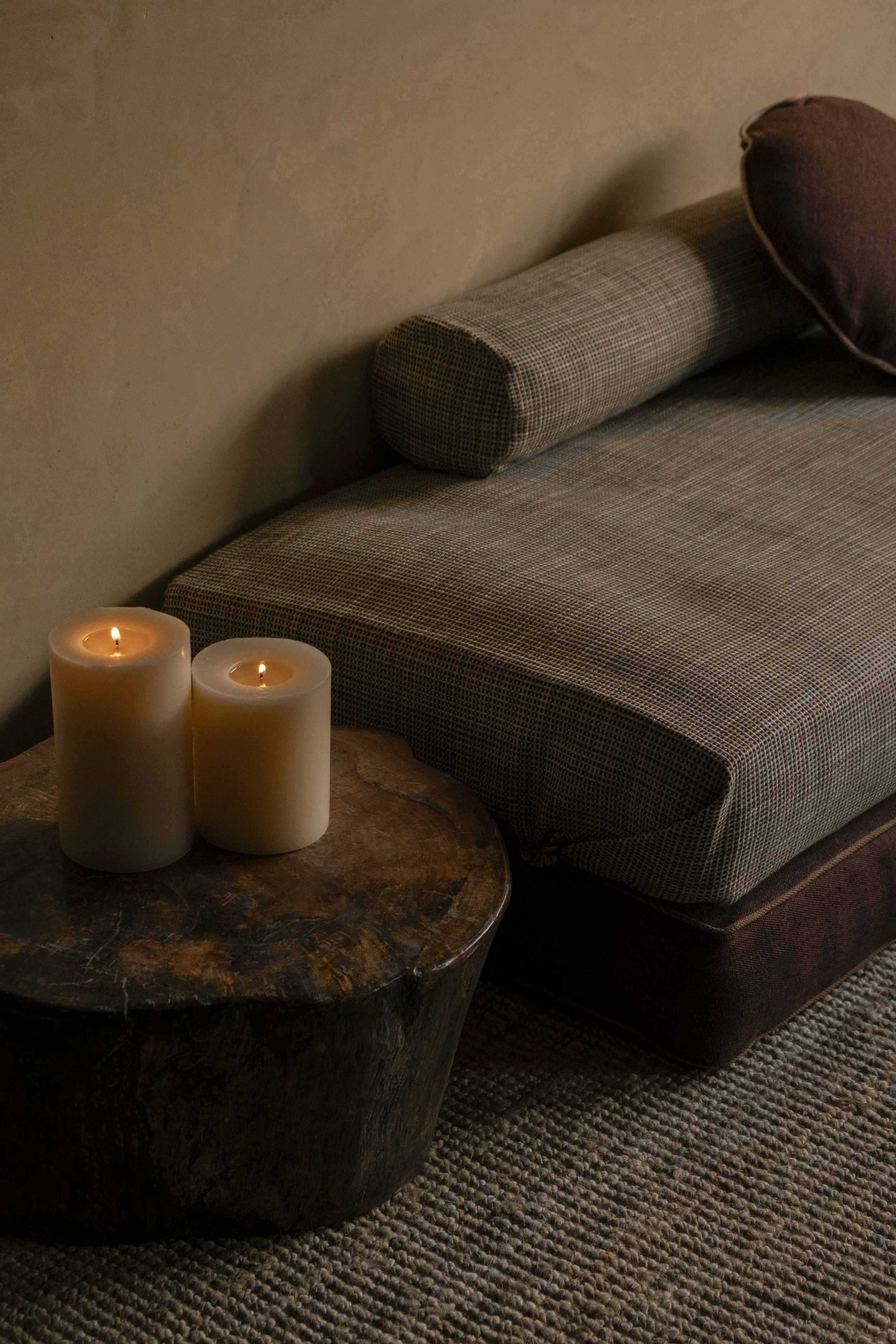
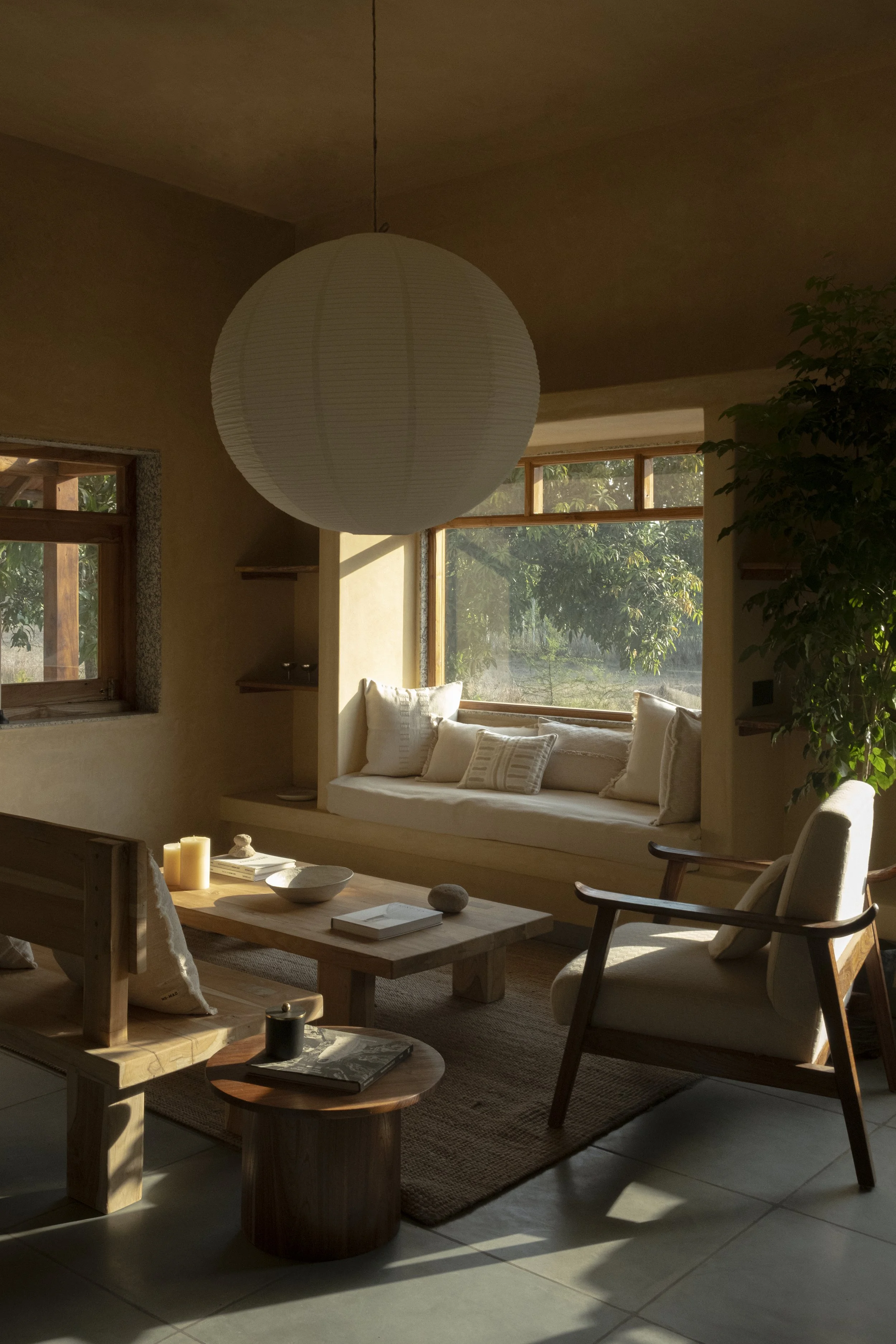
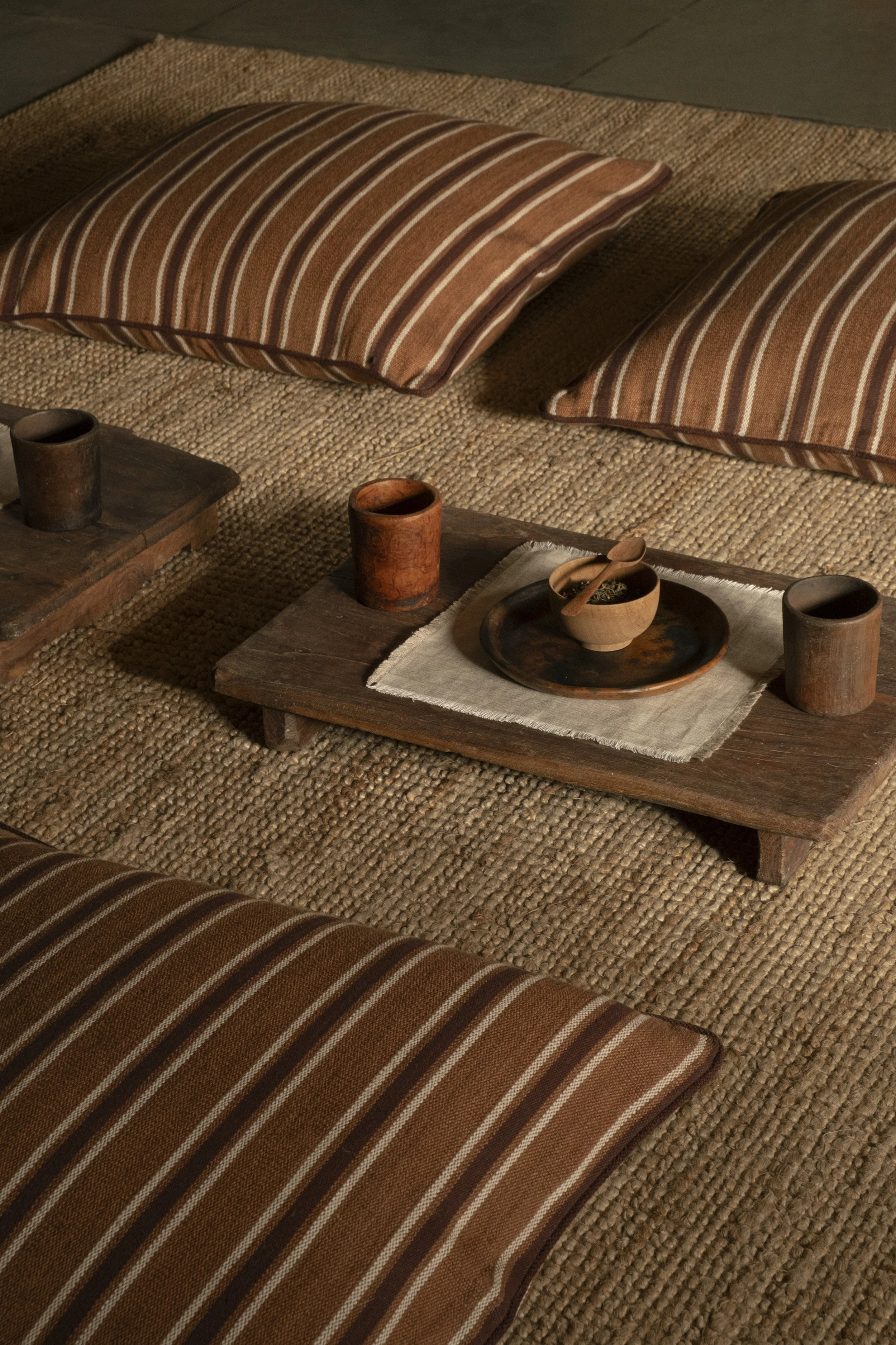
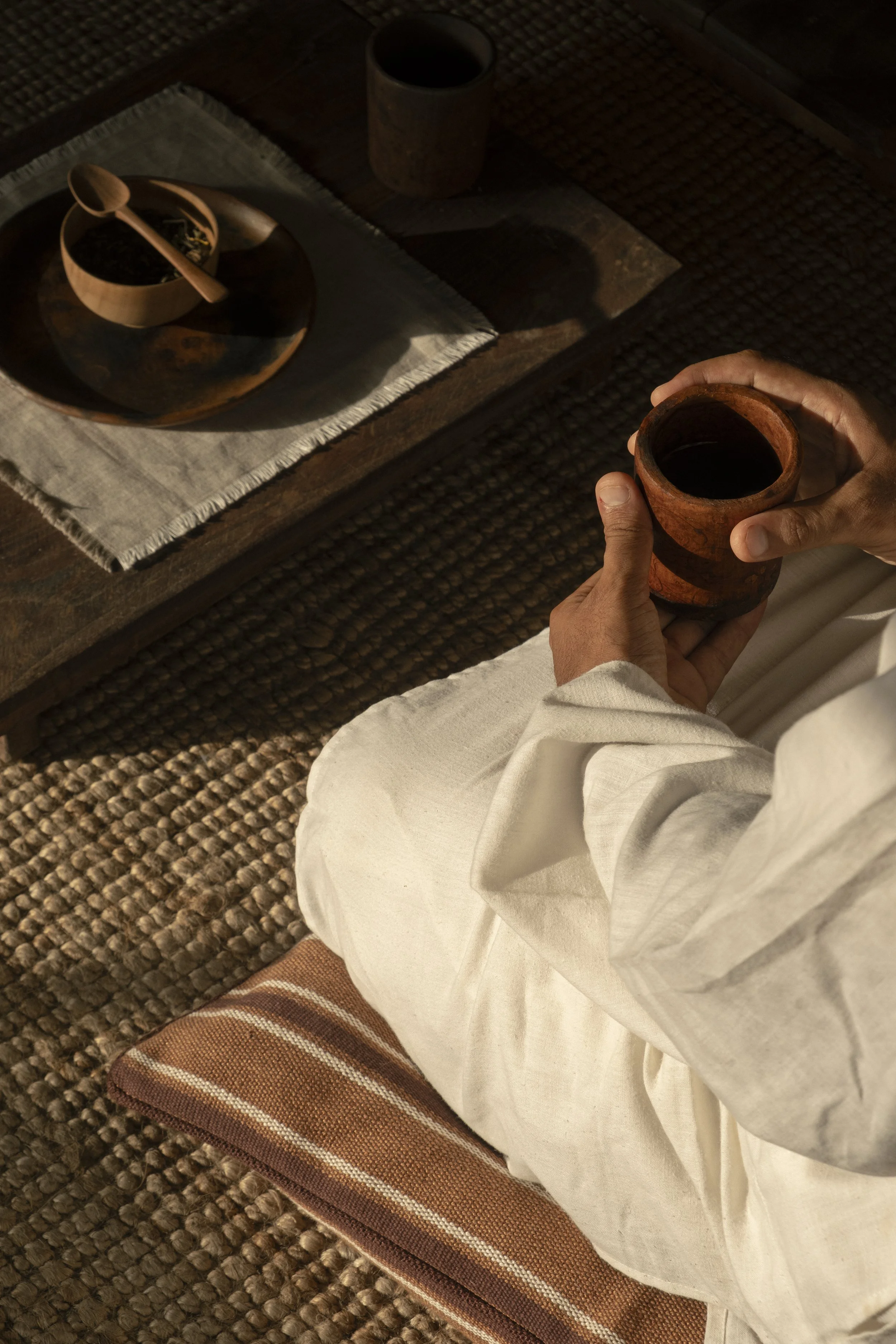
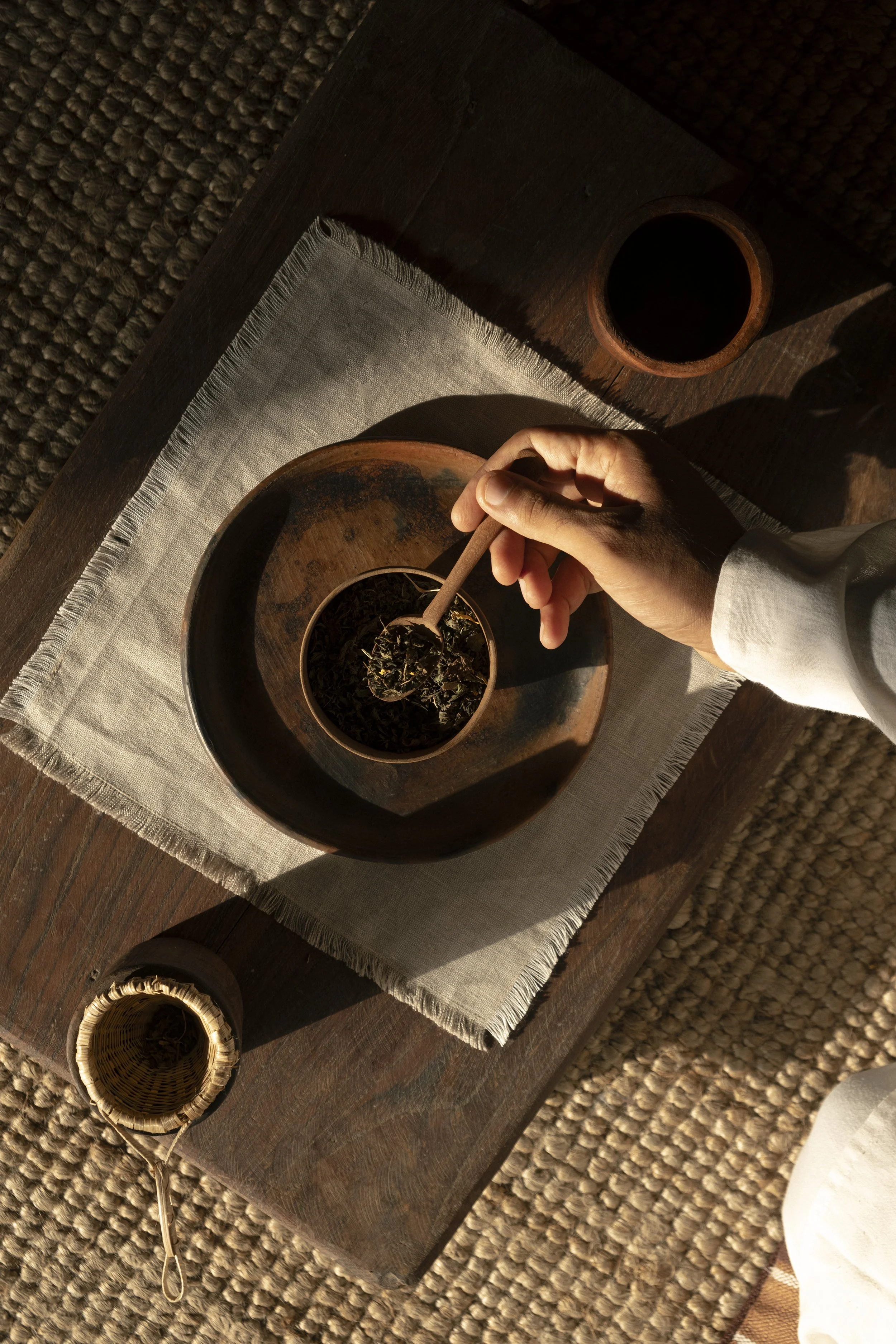
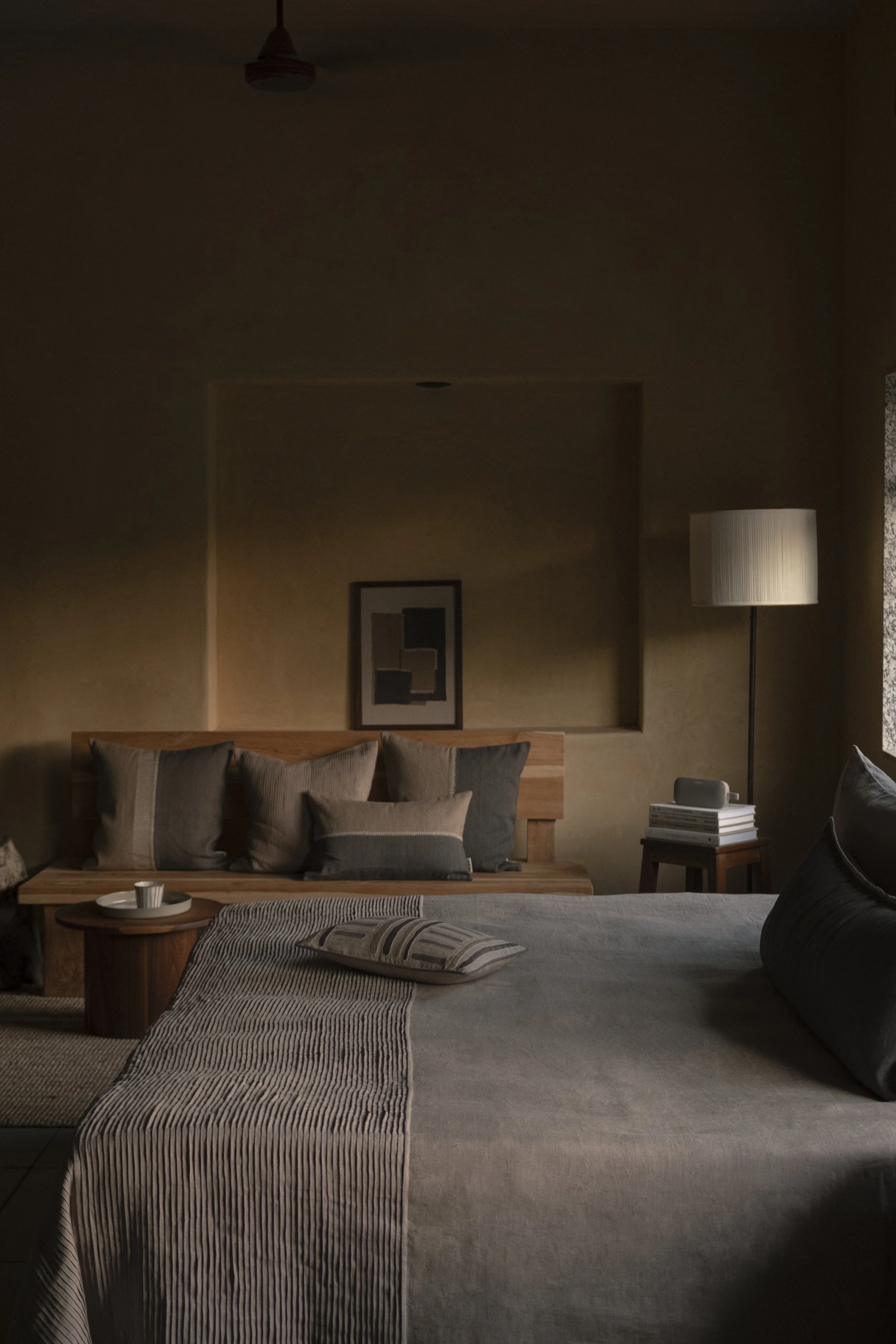
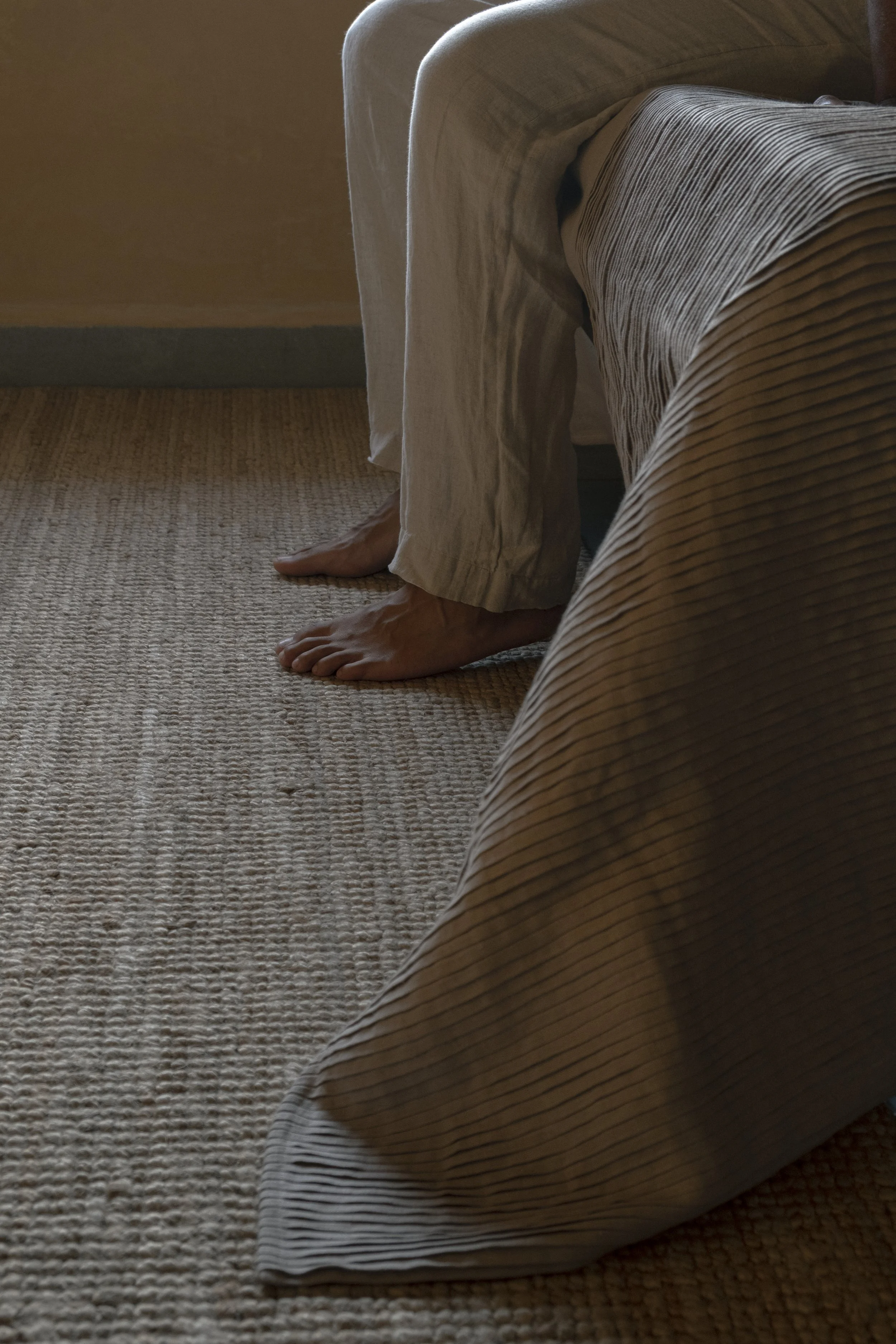
Time runs through the collection like a thread. For No-Mad, time is what allows things to acquire depth: a hand-pleated surface, an embroidered line, the irregularity of a weave, details that reward patience. The studio favours materials that soften with use, surfaces that gather patina, objects that grow more personal the longer they are lived with. Craftsmanship and time, in this view, are expressions of the same thing: attention, repetition, and character allowed to emerge gradually.
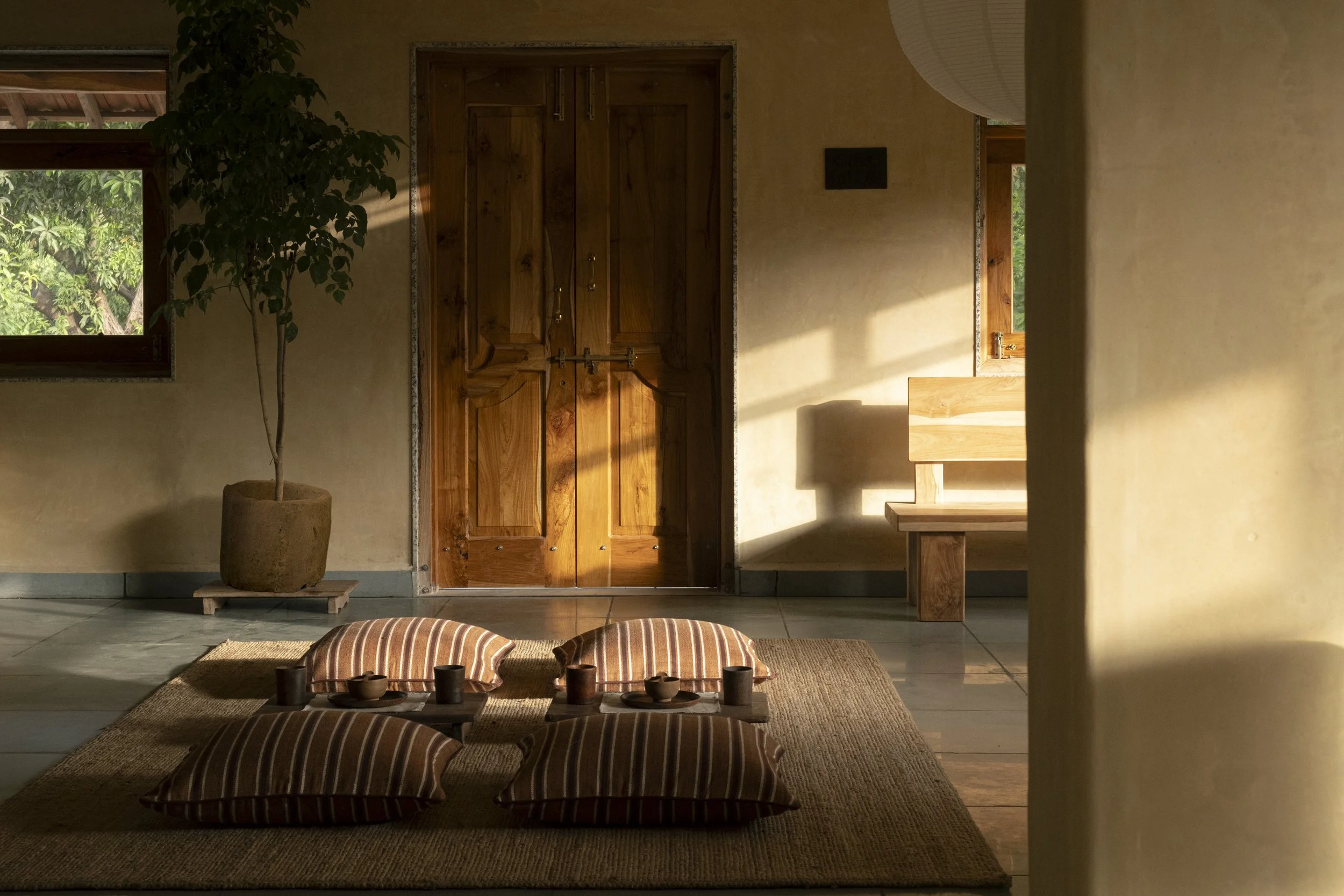
There is also a distinctly Indian sensibility beneath the collection's contemporary restraint, though it resists nostalgia. Everyday life in India has always been shaped by small rituals rather than grand gestures: making the bed, sitting on the floor, sharing tea, folding textiles away, bringing out particular objects for particular moments. The Still Room translates that instinct into a modern language, retaining the ritual, the material and the repetition in contemporary form. The result is a space where the ordinary is given a little more attention, and where objects earn their place through use as much as through beauty.
The lookbook's own words capture the mood best: morning coffee; a page turned slowly; the day before it begins. At its heart, The Still Room holds a belief that the richest interiors are the ones that feel lived in, the ones that gather character, meaning and a sense of belonging over time. Gathered slowly, to belong.
"I hope The Still Room brings a greater sense of ease to the spaces you inhabit," Kothari reflects, "offering not escape, but a quieter way back to yourself."
-
The Still Room is available through No-Mad, 11 Varma Chambers, Horniman Circle, Fort, Mumbai, and select retailers worldwide. no-mad.in
Collection Design & Campaign Concept: Anuj Kothari | Photography & Styling: Mallika Chandra


