The Pearl by Urban Habitats
In a quiet pocket of inner Adelaide, The Pearl by Urban Habitats offers a composed reworking of an existing St Peters residence, guided by restraint, clarity and a deepened connection to garden and light.
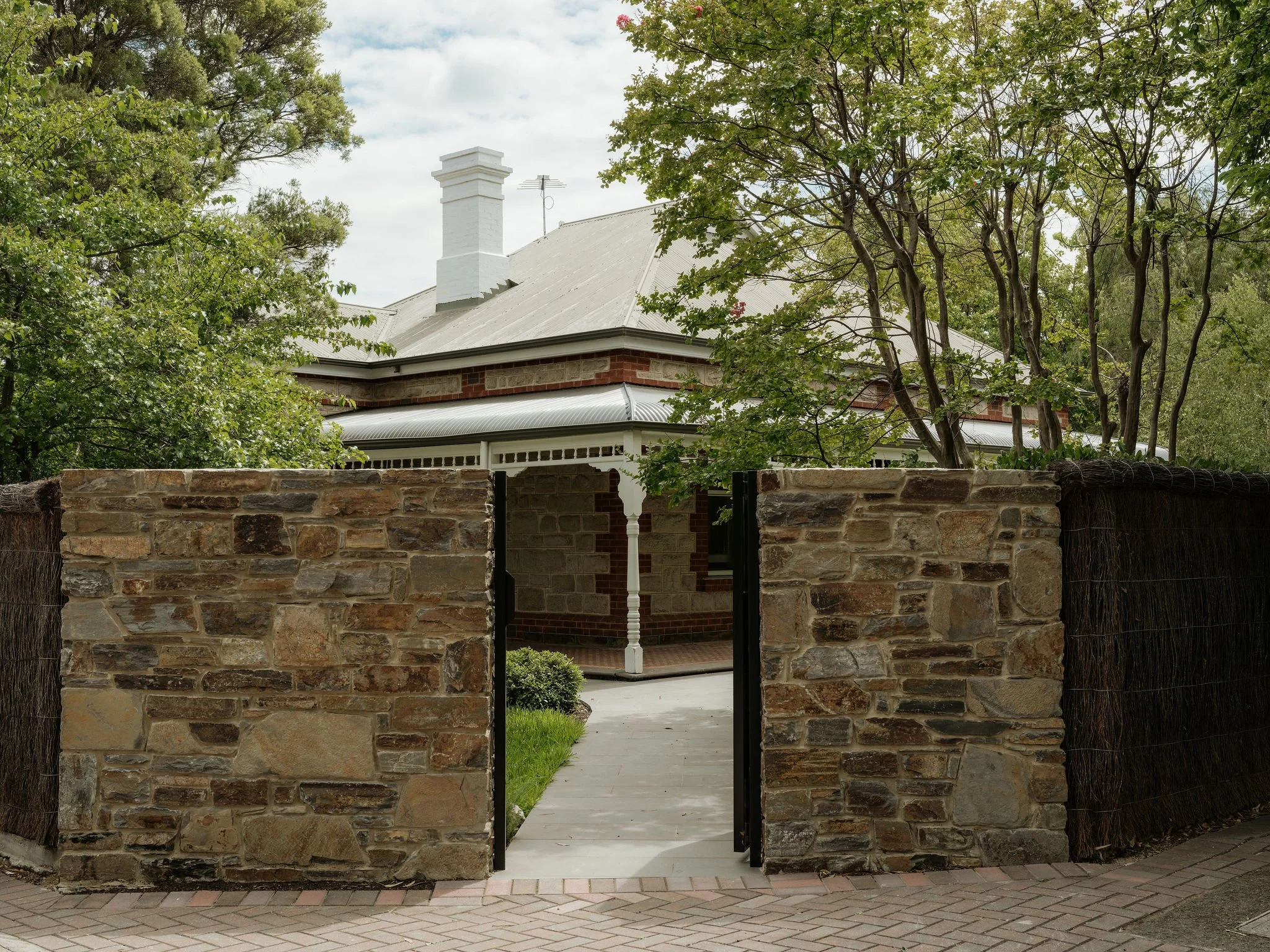
The project began with a modest 1880s dwelling (which had also been renovated in the 1970s) and a brief rooted less in architectural form than in emotional change. For homeowner Marcia, the priority was simple and personal. She wanted a home that would lift her mood and offer a greater sense of calm, retreat and connection.
The existing house held promise, yet its living areas felt compressed and removed from the landscape. A later extension had become unresolved over time, sitting awkwardly within the broader fabric of the home. Under the guidance of Urban Habitats’ Architect and Design Manager Sarah Stephen and Construction Manager Fraser Evans, the project became an exercise in editing, recalibration and careful reconfiguration. Its ambition was not to overwhelm the original structure, but to reveal a more coherent way of living within it.
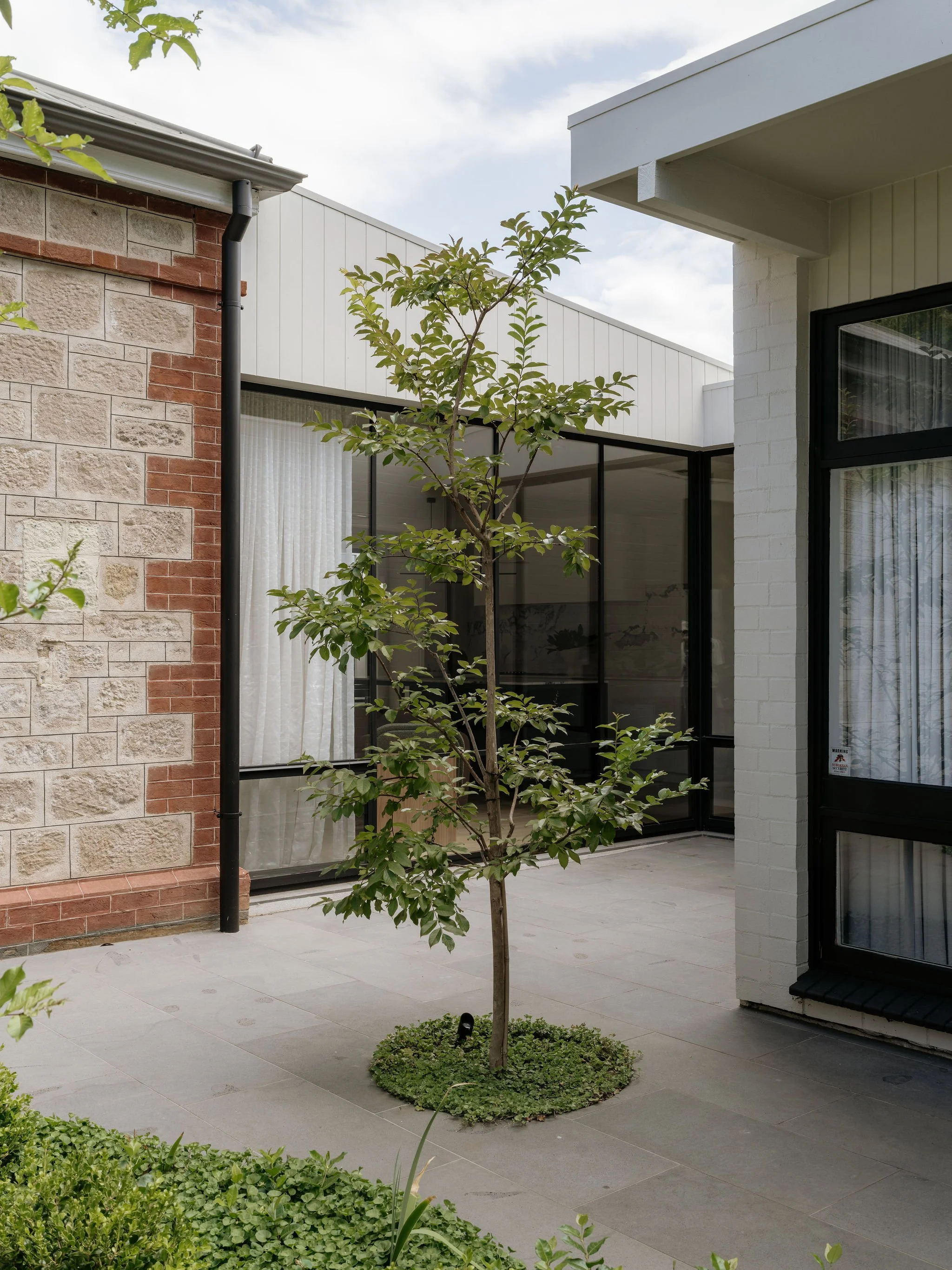
Central to the design is the decision to retain and revise the existing footprint. Redundant elements are removed, sightlines are clarified and openings are reconsidered to bring greater generosity to the plan. What had once felt additive is given renewed purpose, with the 1970s extension recast as a series of composed, light-filled spaces. Through careful reuse and considered adjustment, the existing structure is given renewed purpose, with its earlier limitations transformed into a quieter, more enduring architectural foundation.
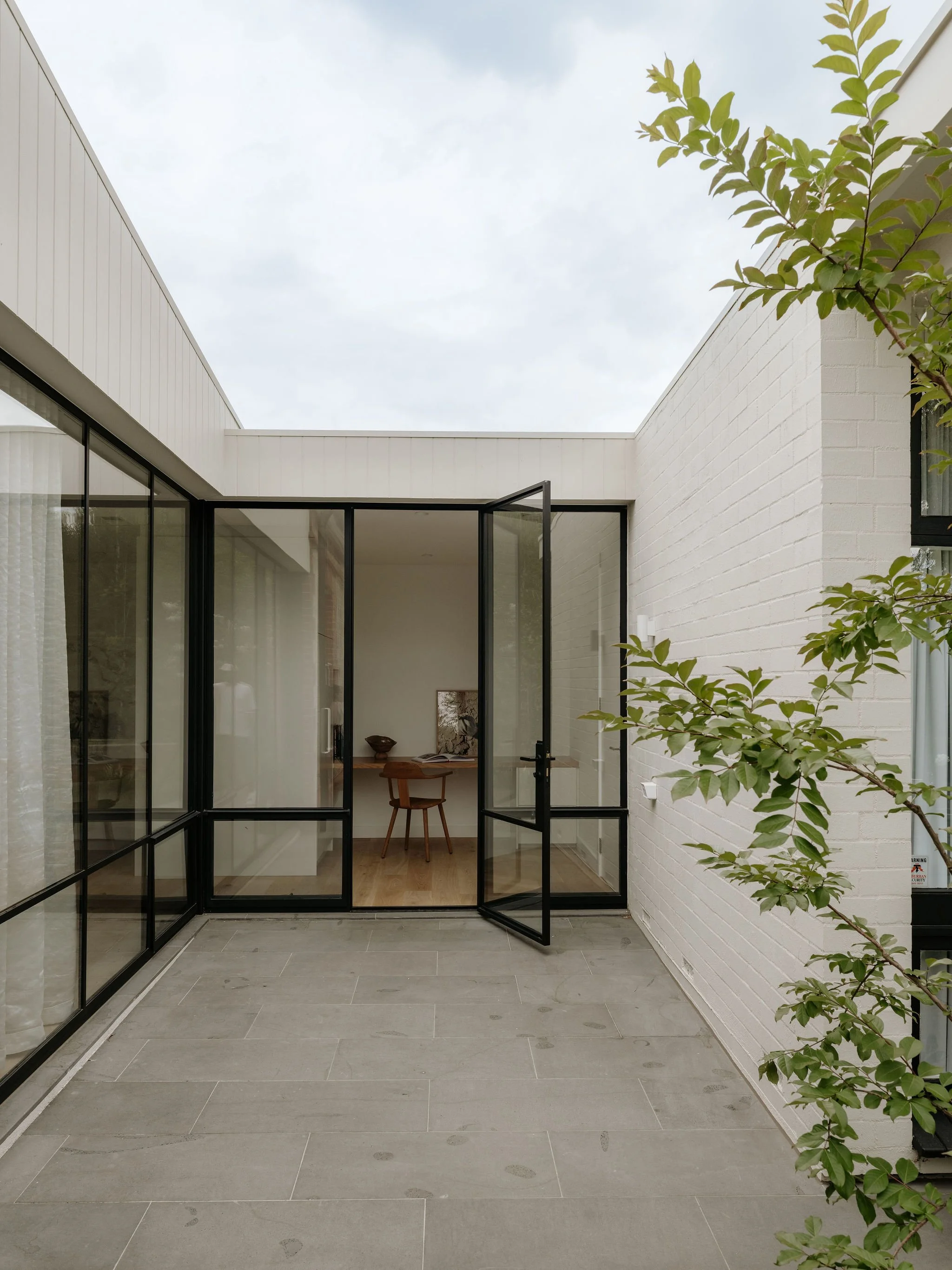
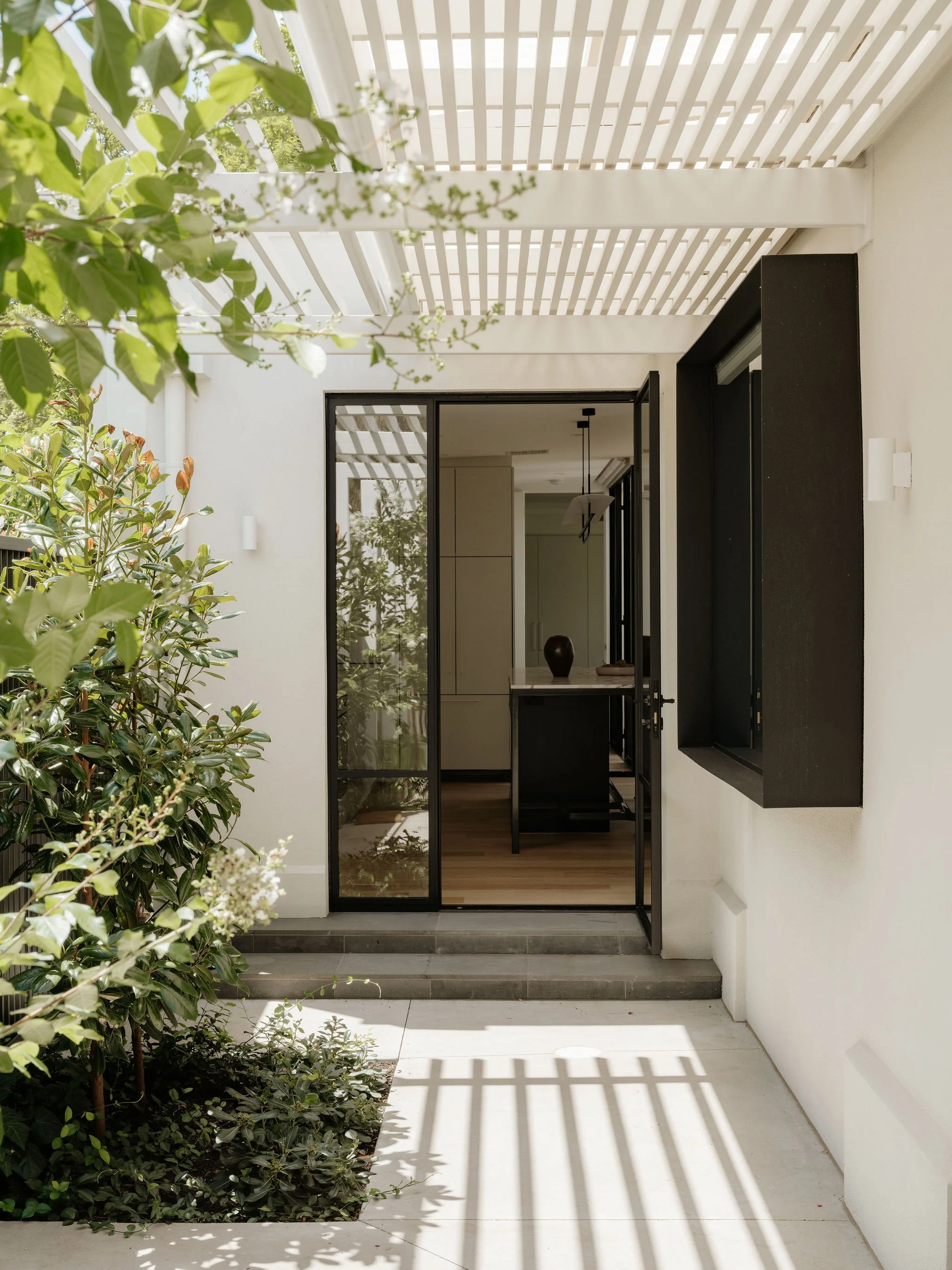
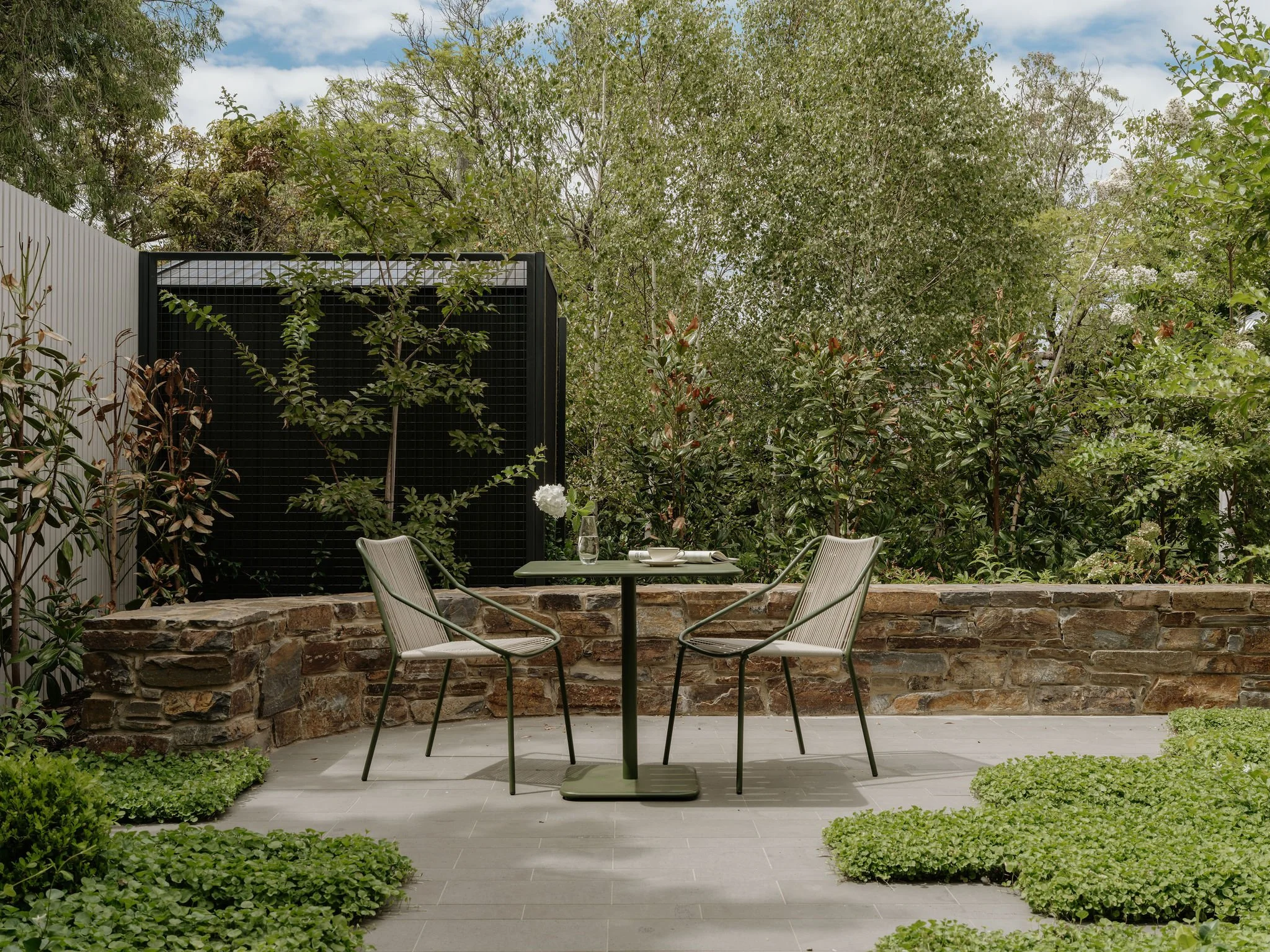
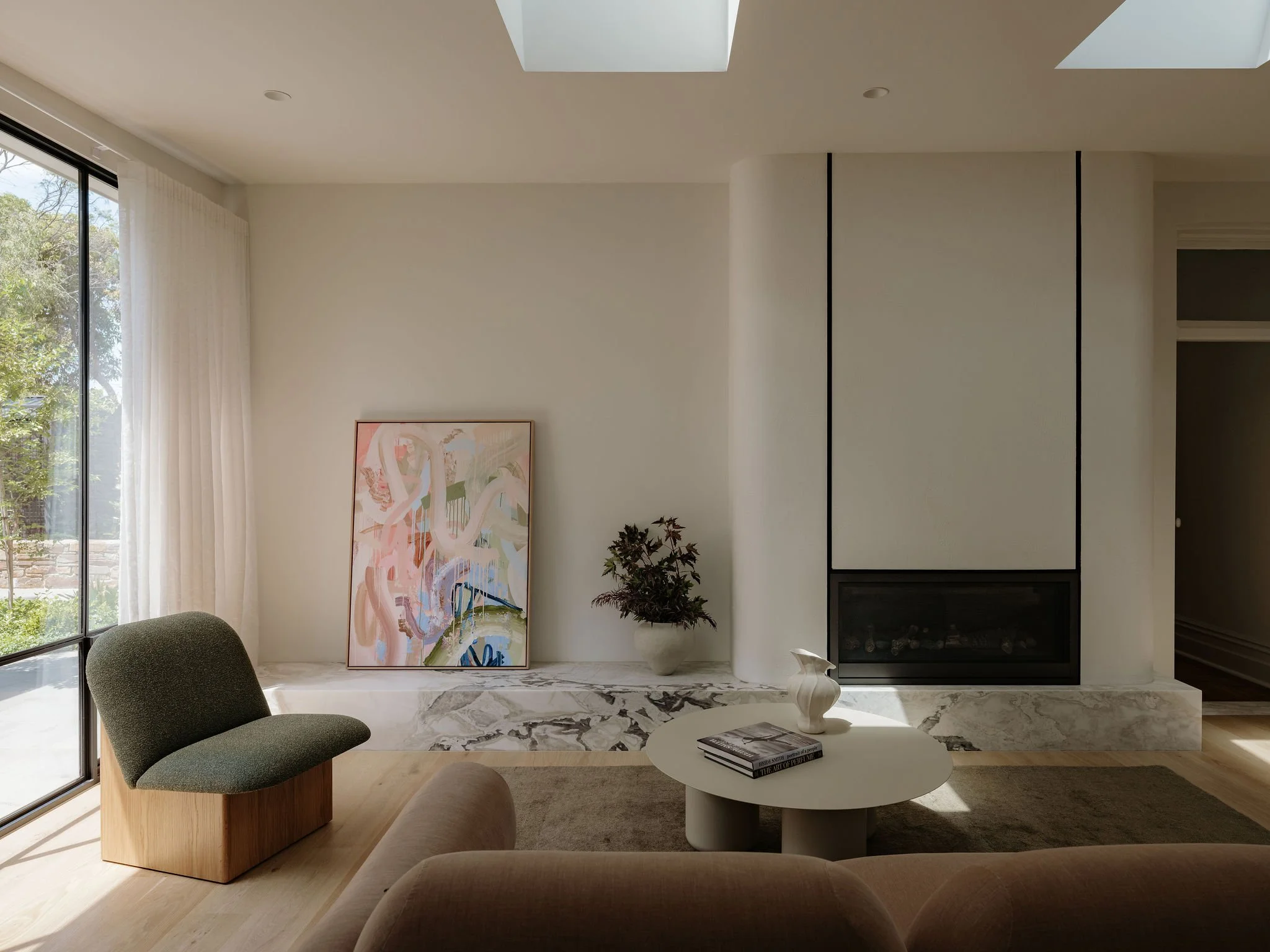
The relationship between the original villa and its later addition is handled with a measured lightness. Urban Habitats works to interconnect the two parts of the home, establishing a clearer dialogue between historical fabric and contemporary living. Steel-framed glazing, extended openings and carefully positioned skylights draw daylight deeper into the plan, softening transitions between rooms and framing views toward the garden. The landscape becomes integral to the experience of the house, shaping outlook, atmosphere and daily use.
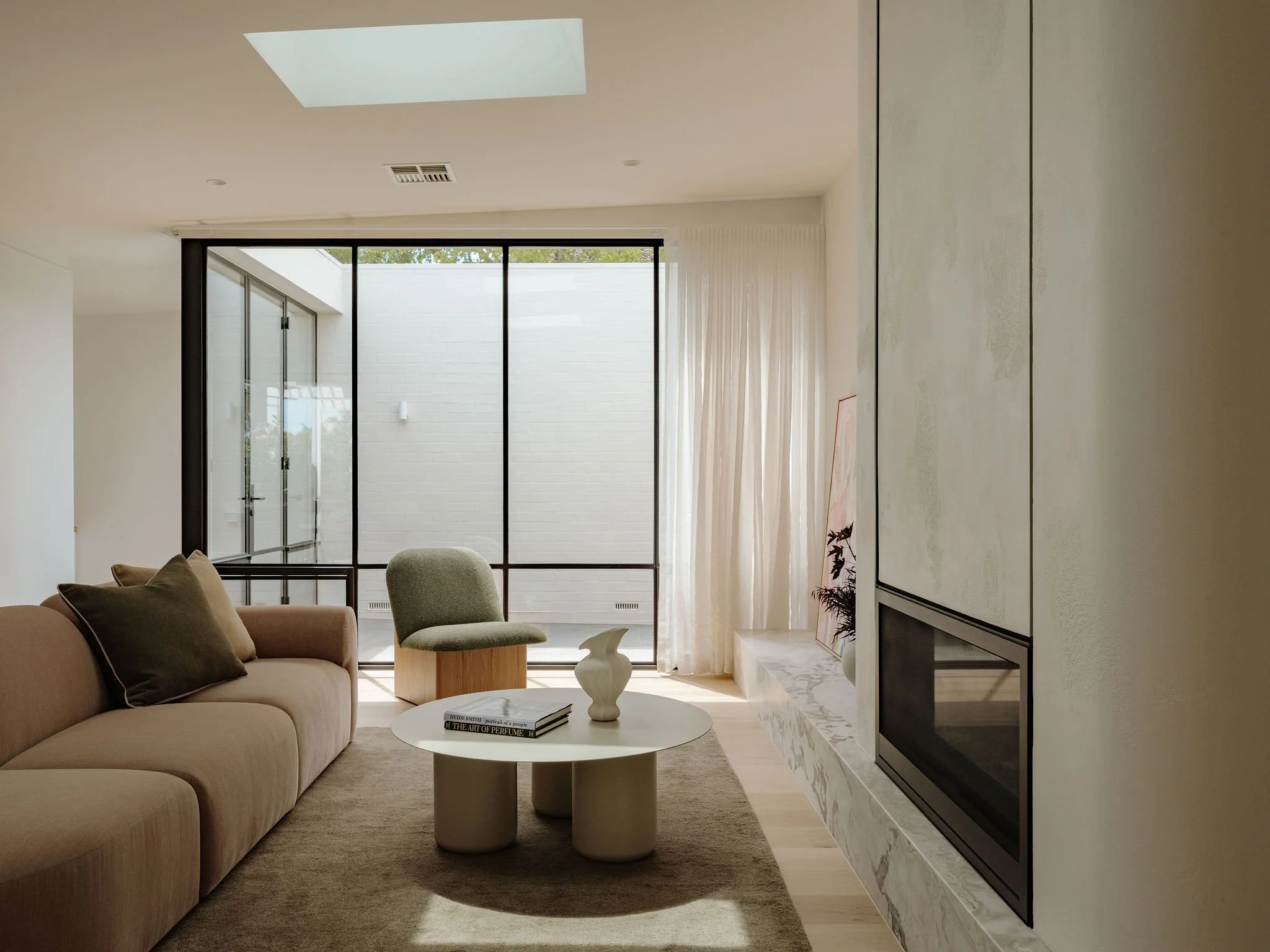
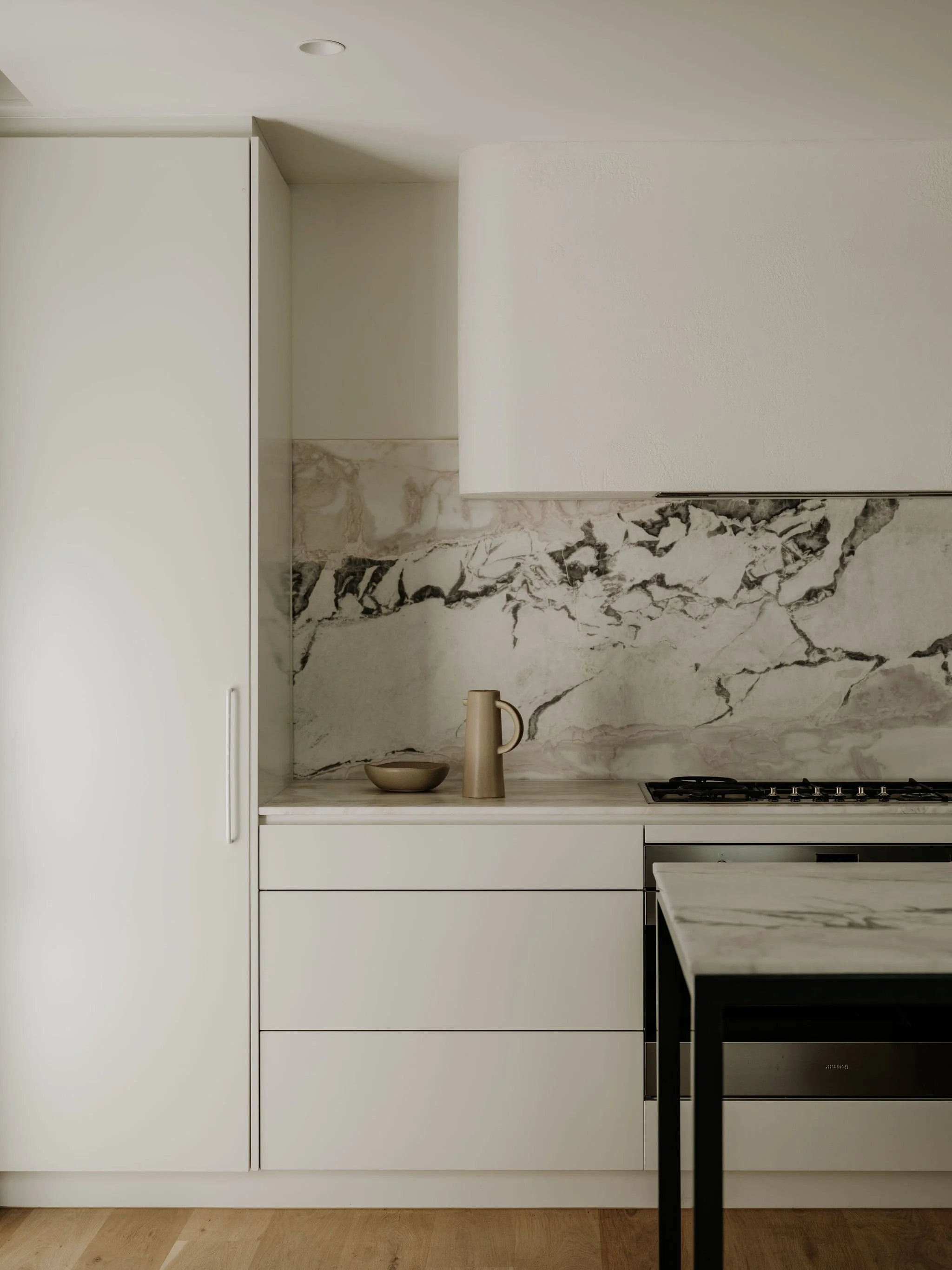
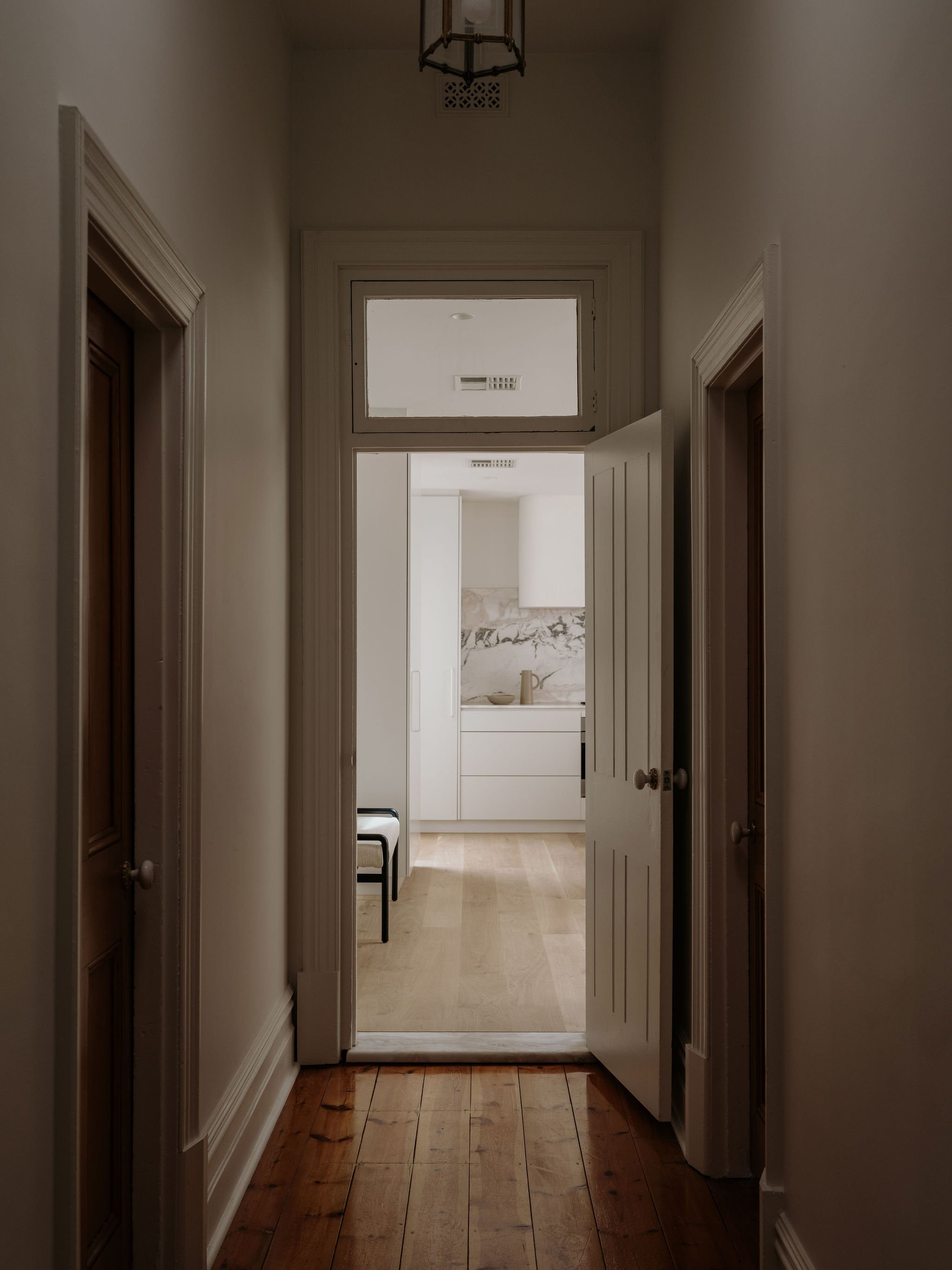
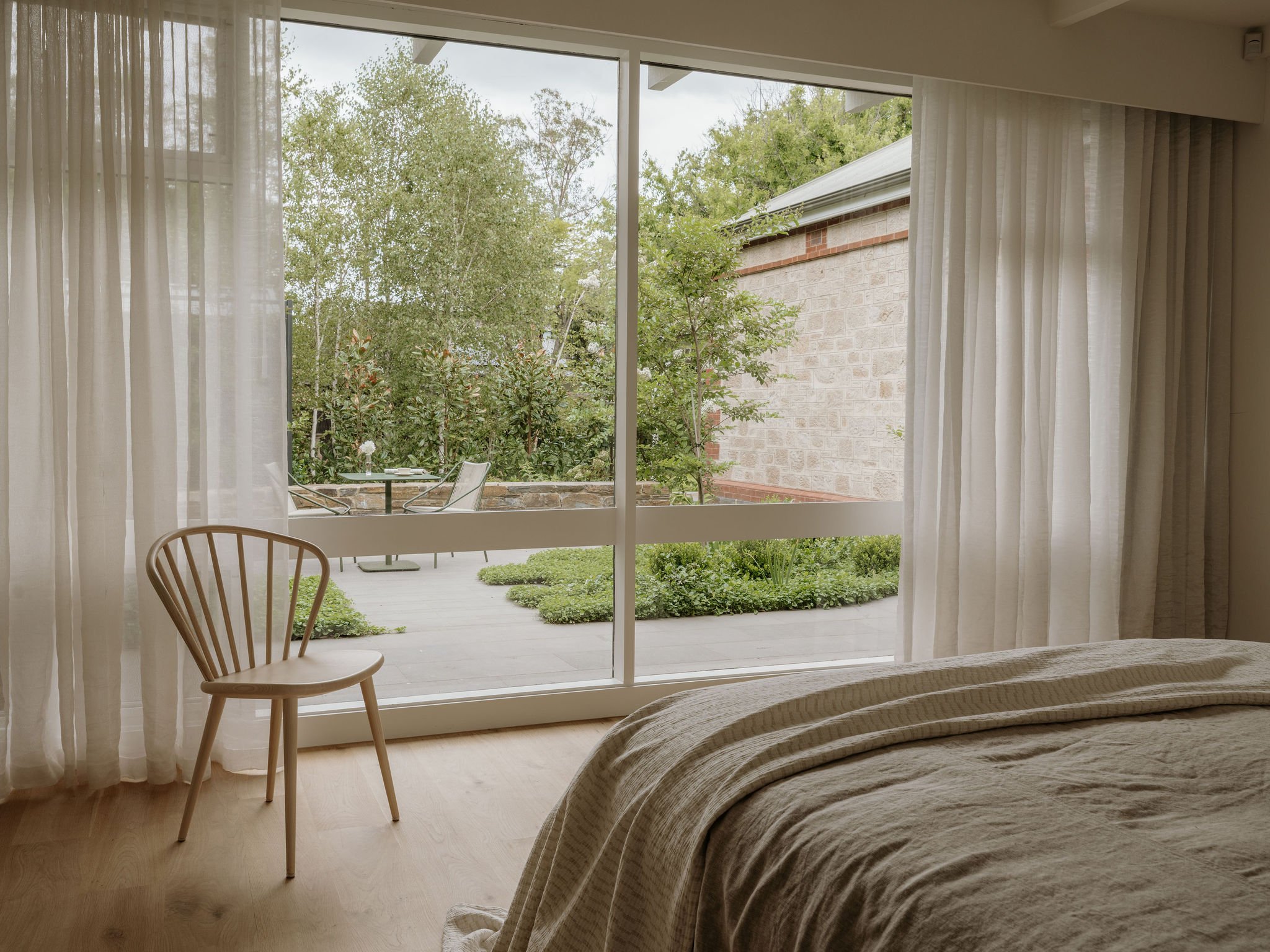
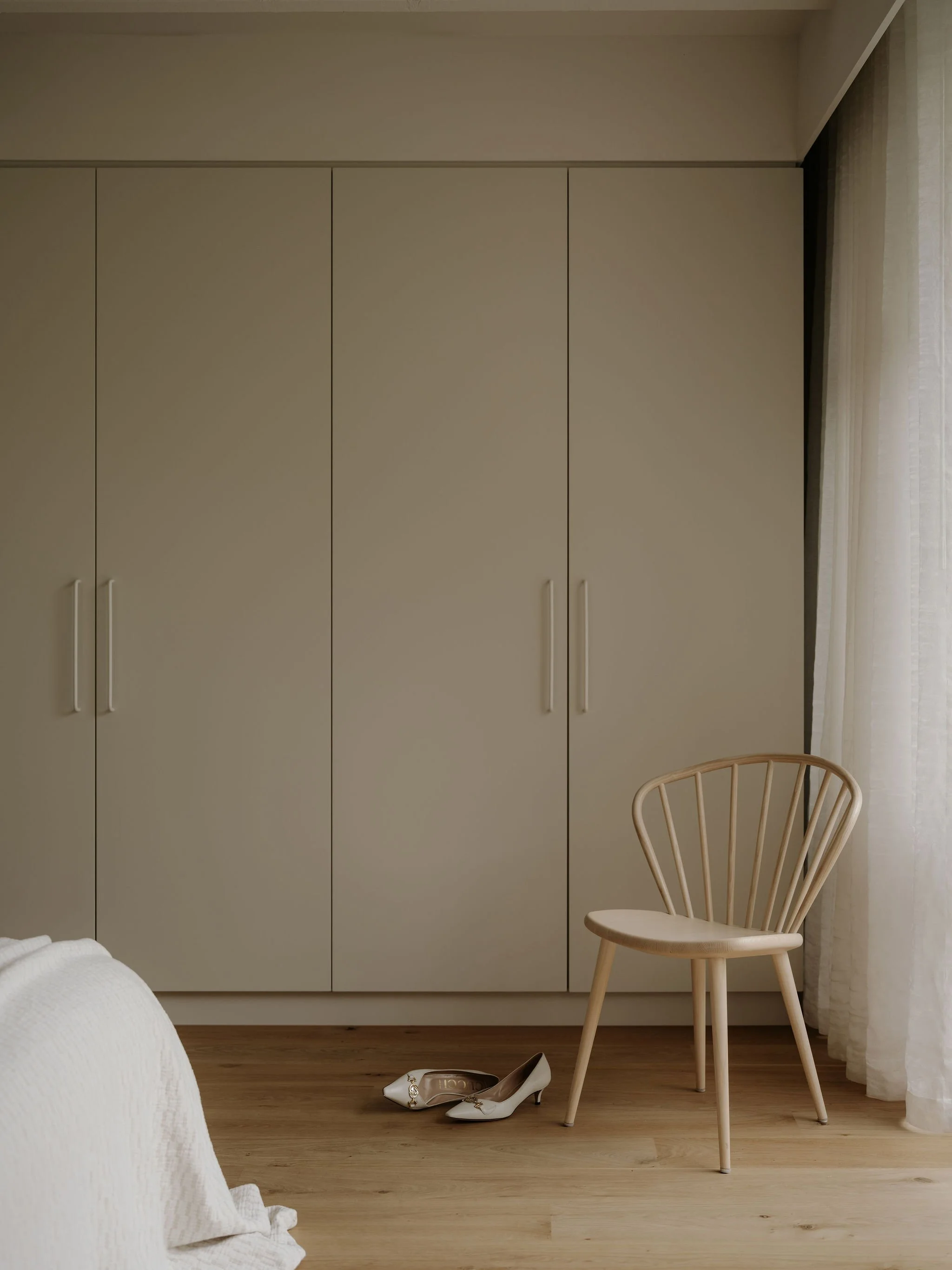
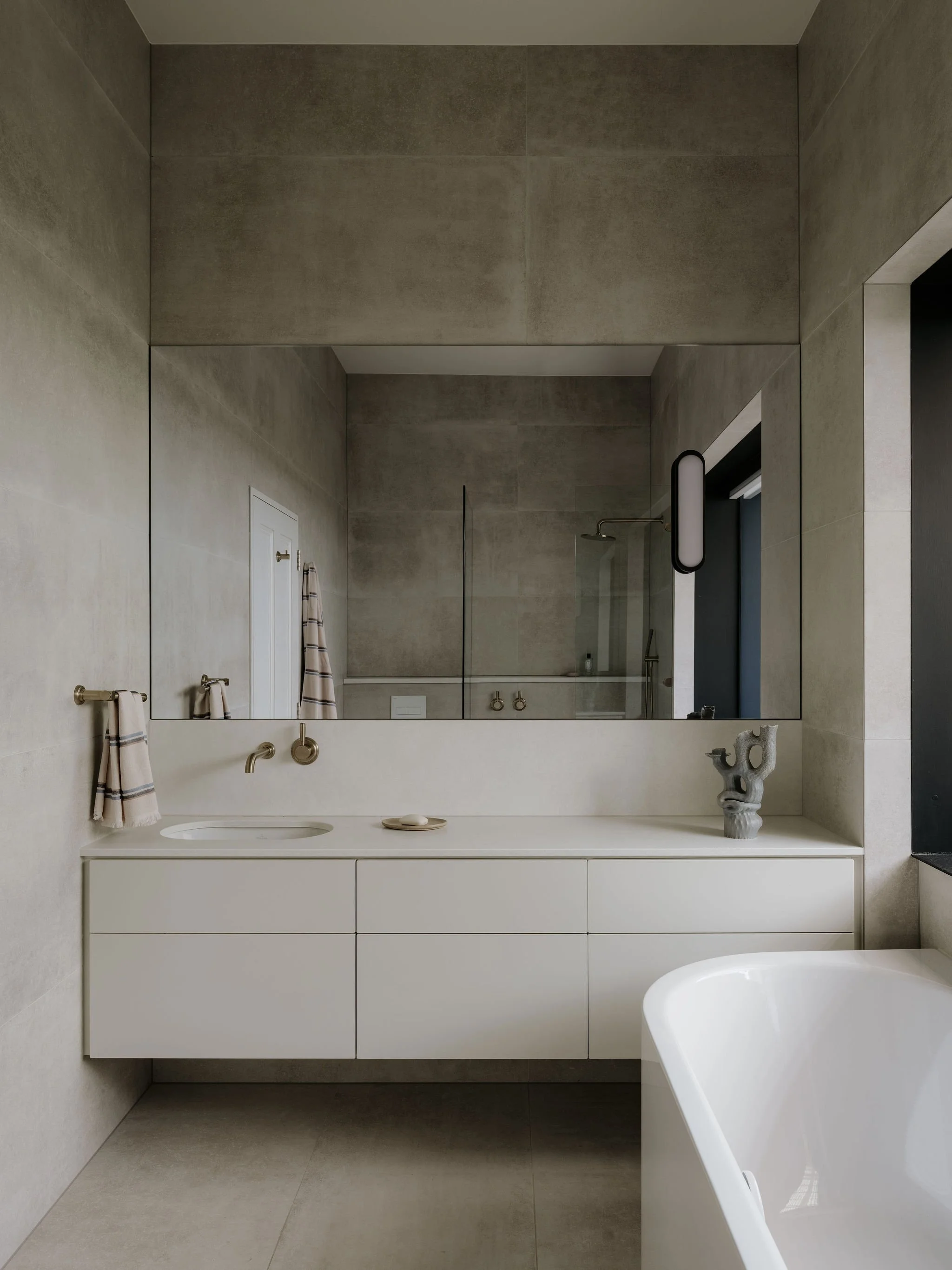
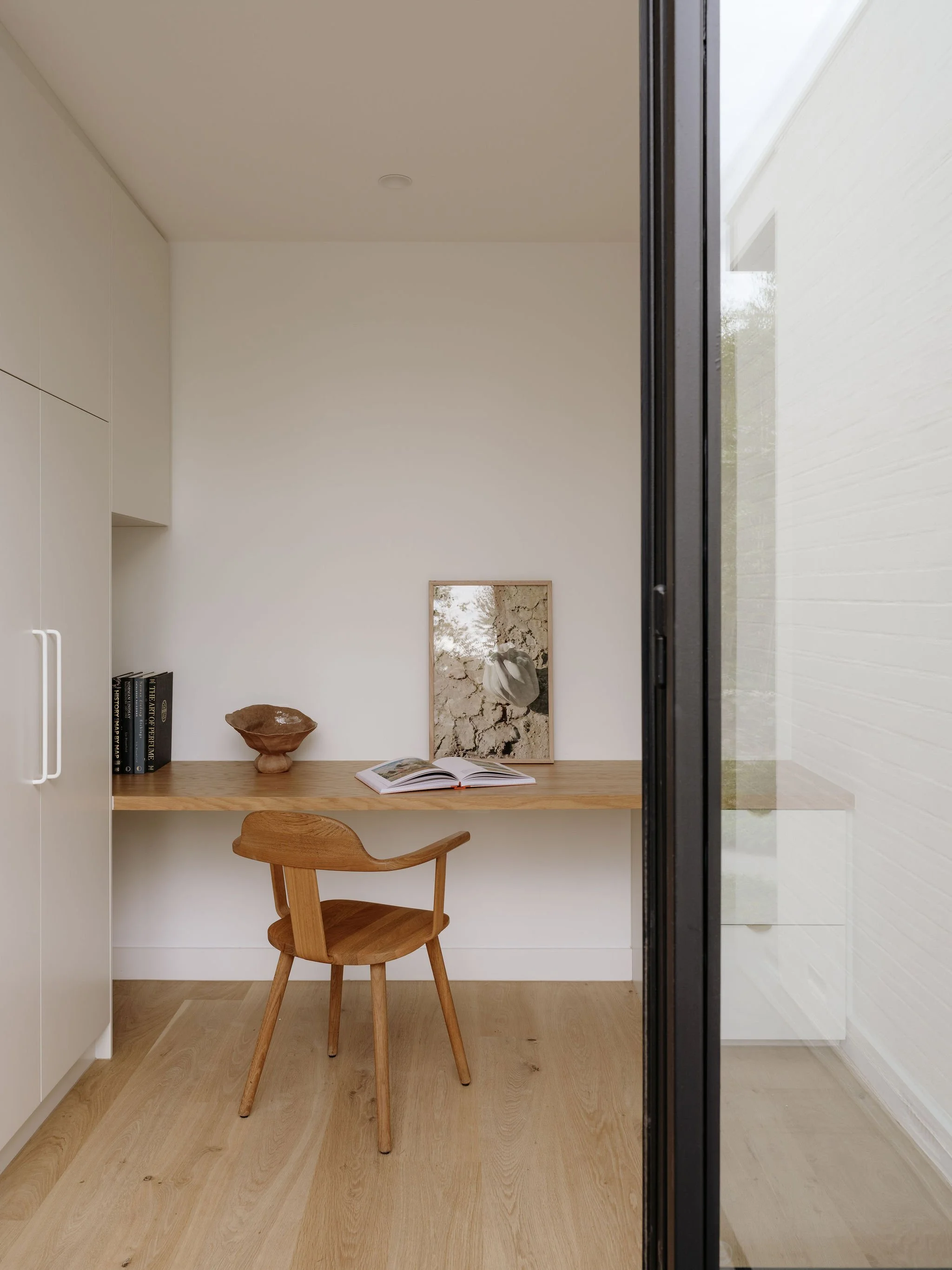
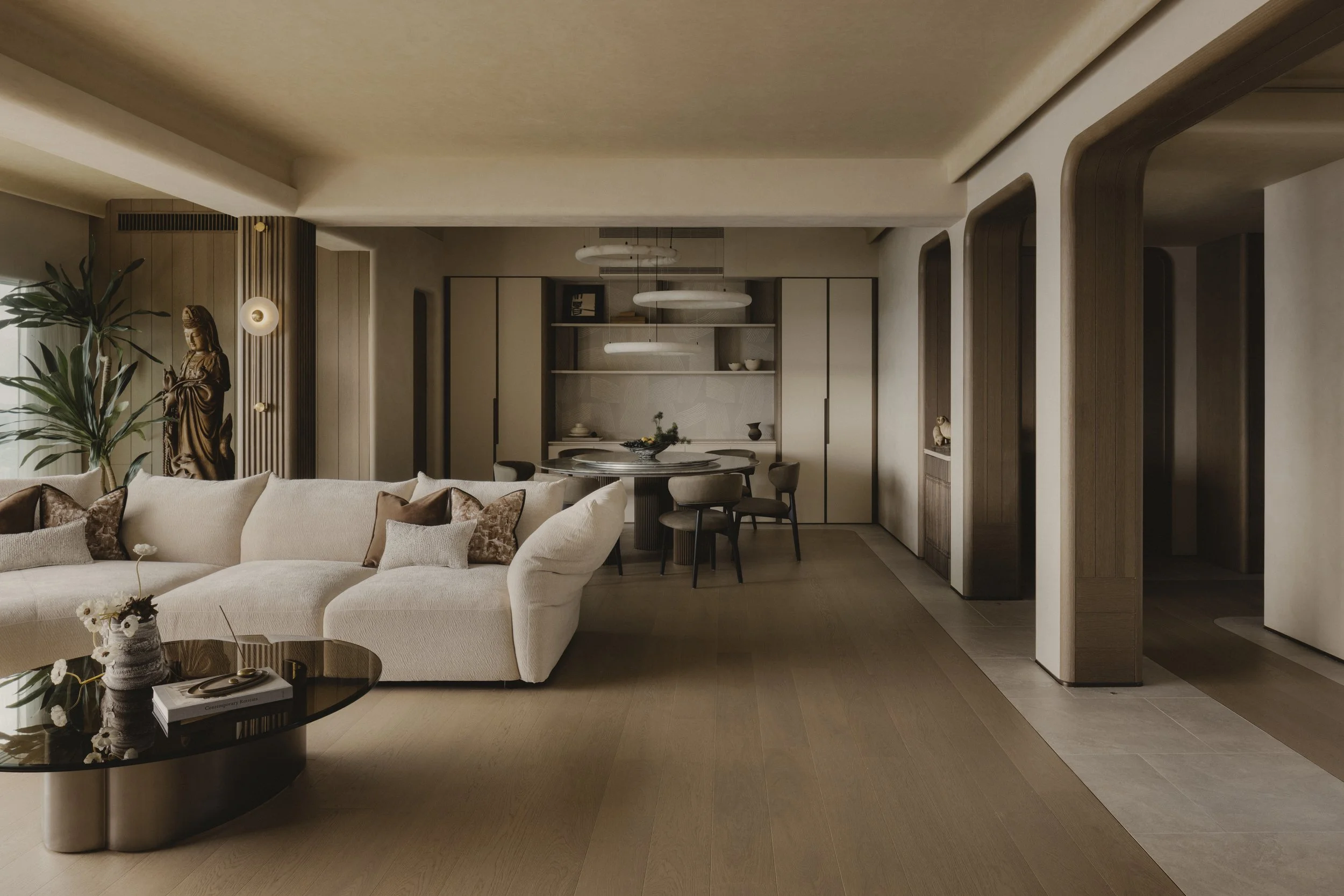
A pared-back palette of natural stone, timber, muted tones and softly textured surfaces supports the home’s calm and tactile character without relying on overt decoration. The materials draw their richness from texture, weight and quiet variation, allowing light to become one of the project’s defining elements. Limewashed timbers, rendered surfaces and stone details bring warmth to the home while maintaining the sense of clarity that underpins the design.
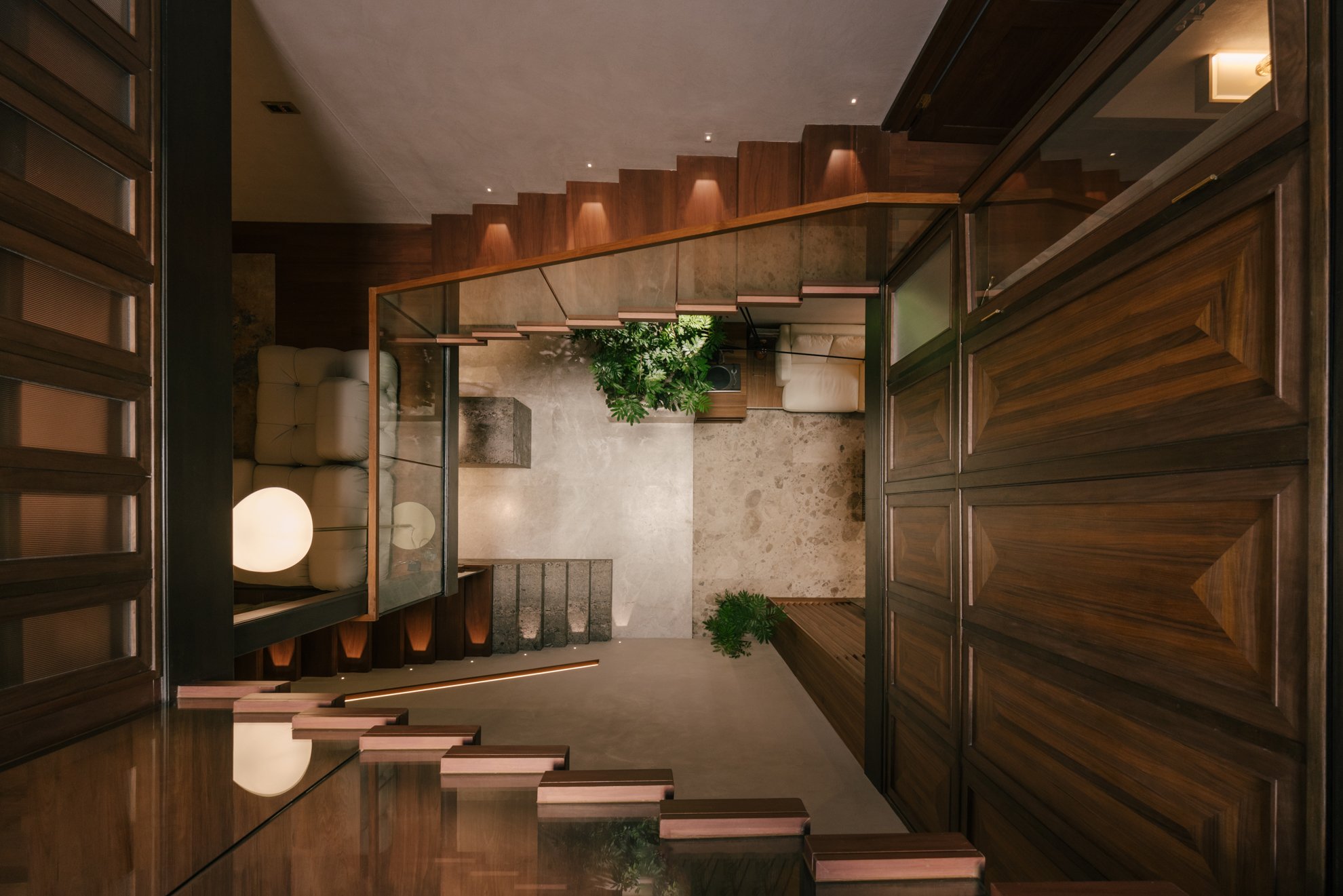
Where the existing structure presented limitations, the design uses those conditions to build a more layered spatial experience. Low ceilings, which could have felt restrictive, create moments of intimacy and compression, while skylights introduce vertical relief and bring softness into areas that once felt enclosed. This balance between shelter and openness gives the home a gentle spatial cadence, supporting both everyday rituals and more private moments of retreat.
Within the primary suite, the same focus on atmosphere and connection is expressed through a skylight positioned above the shower, turning a daily routine into a quiet encounter with daylight and the night sky. Marcia describes the moonlight filtering through as something magical, a small yet memorable detail that reflects the project’s focus on feeling over excess. The bathroom becomes retreat-like, calm and connected to nature, aligned with the homeowner’s desire for a sanctuary.
Across the residence, the design maintains a quiet discipline through details that are carefully judged and closely tied to the character of the existing home. A natural stone fireplace anchors the living area, while exposed rafters are retained and upgraded for performance, allowing traces of the original structure to remain present within the renewed setting. These gestures speak to an approach grounded in longevity, material honesty and respect for what was already there.
Collaboration was essential to the process. Marcia’s trust allowed the design to develop through dialogue, while Urban Habitats shaped each decision around careful questioning and a shared understanding of the desired emotional outcome. The home reflects its current custodian as much as its architectural history, balancing personal comfort with a broader sensitivity to context.