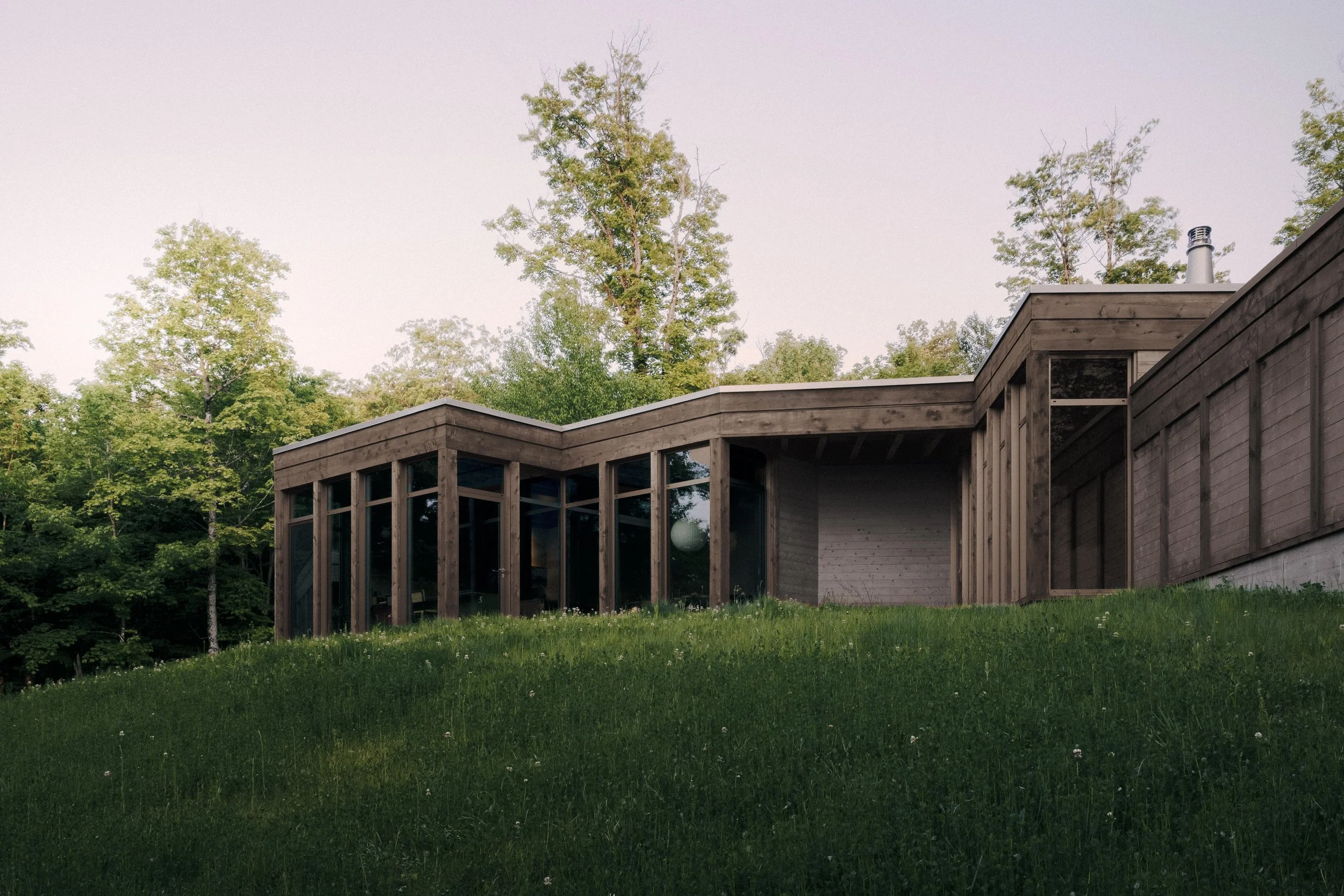
SONO by Atelier Carle
Set within a vast natural landscape, SONO is a secondary residence conceived for two couples who sought to share a retreat while maintaining a degree of independence in their daily experience of the home.
Designed by Atelier Carle, the project explores how architecture can mediate between privacy and togetherness, creating a series of interconnected living environments shaped by light, topography, and perception.
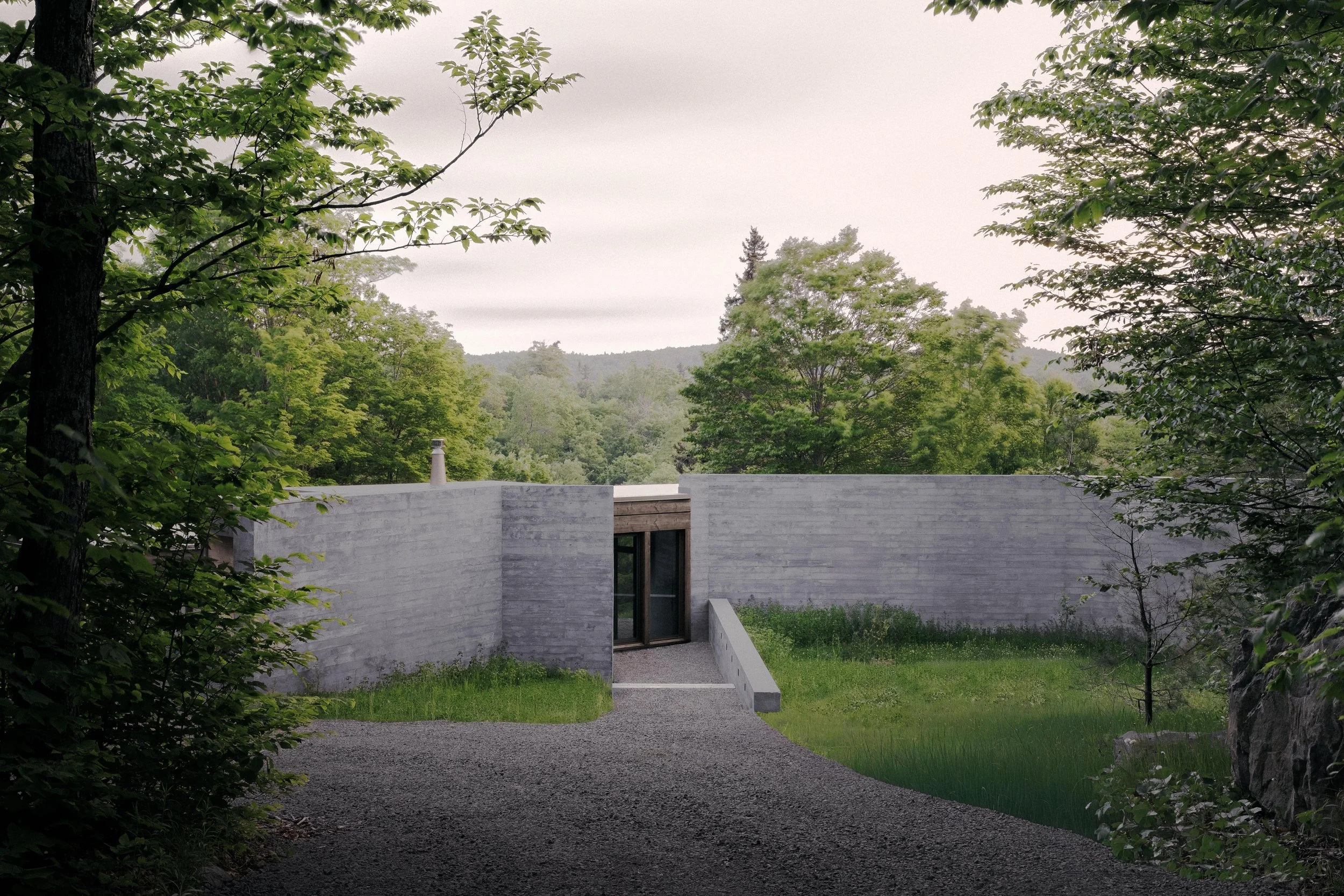
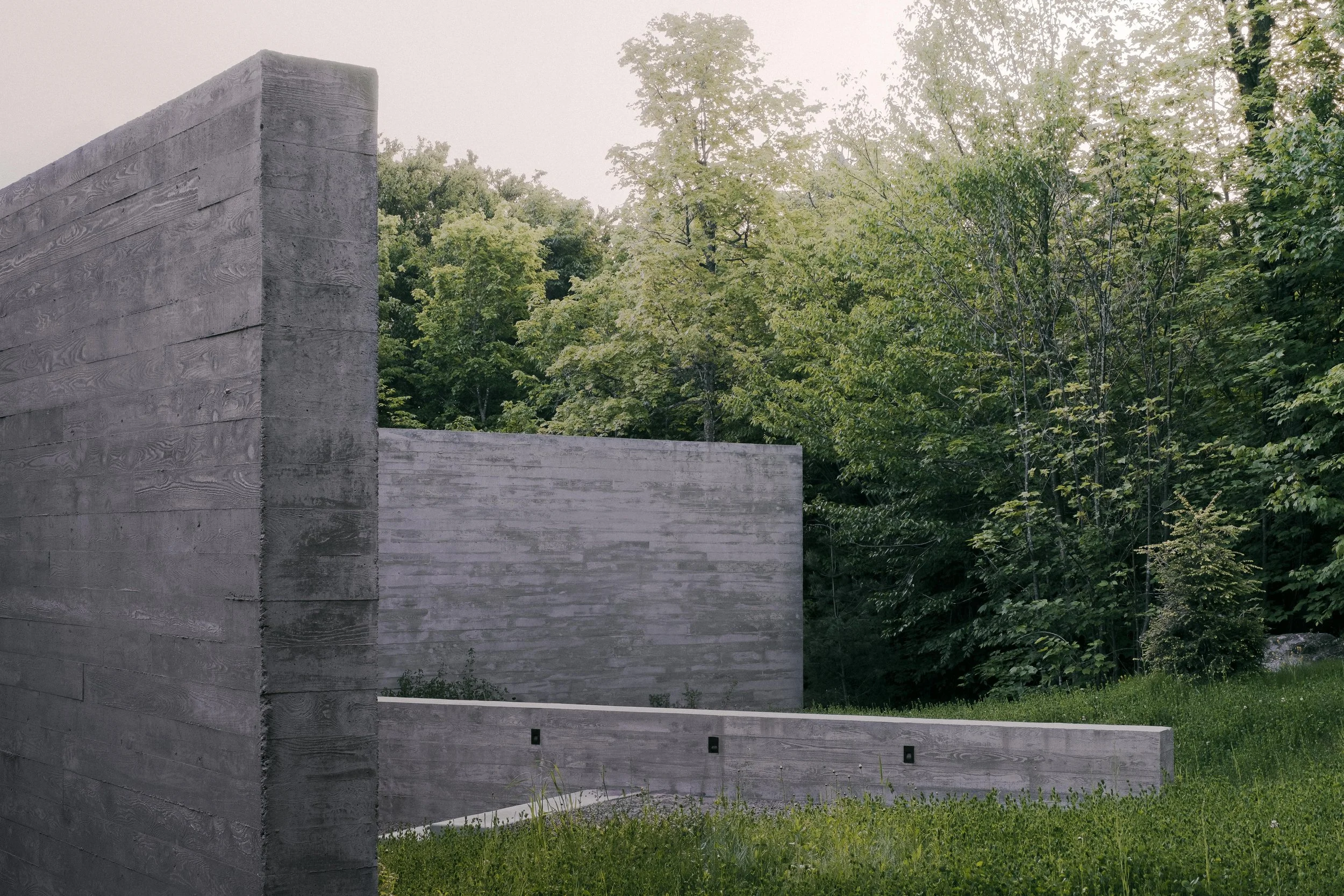
The approach to the house begins with three elongated concrete walls positioned across the site. Varying in height and proportion, these elements establish a strong presence within the landscape while anchoring the architecture to its setting. A narrow opening between the walls marks the entrance, creating a carefully framed transition from the exterior environment into the home.
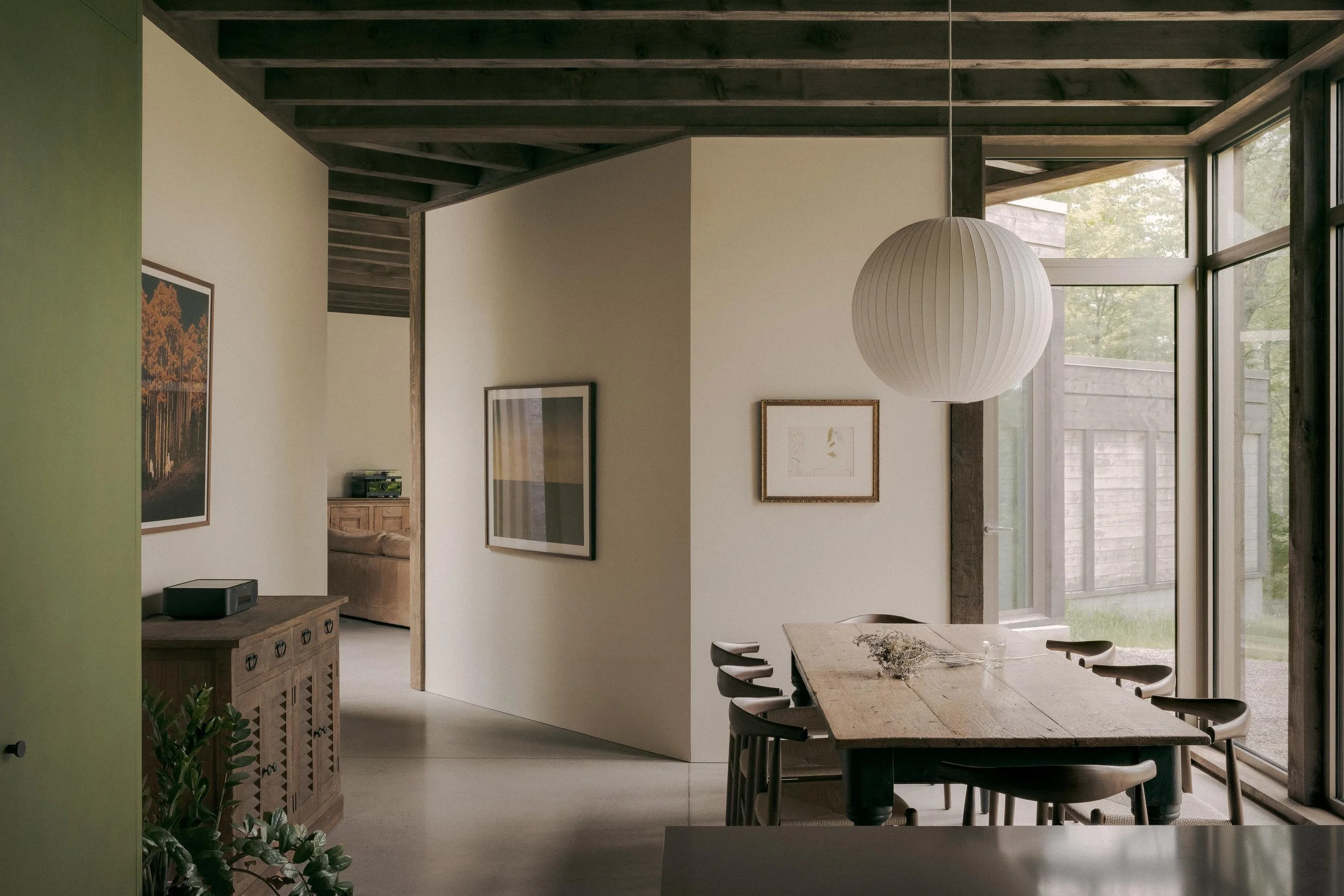
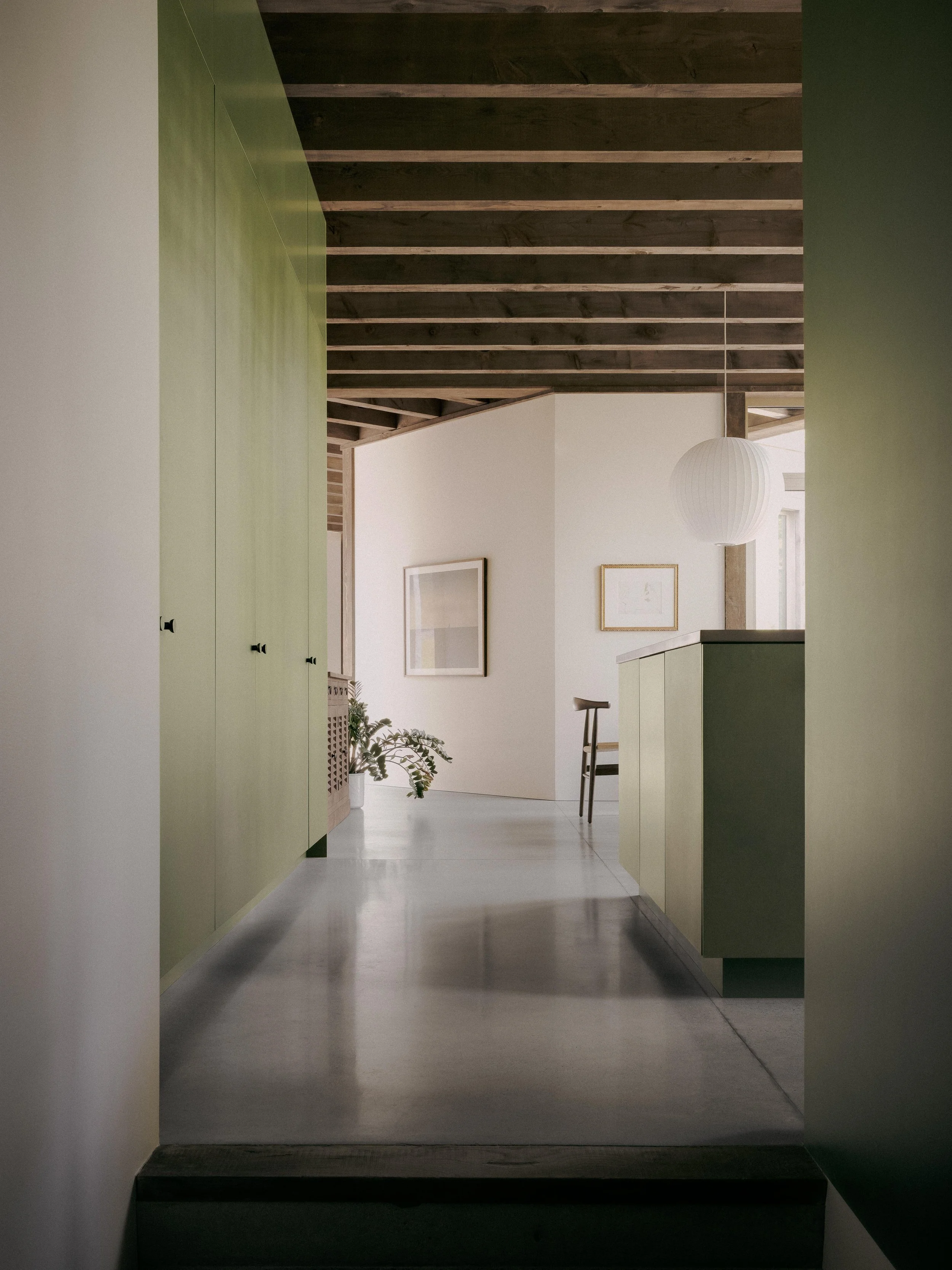
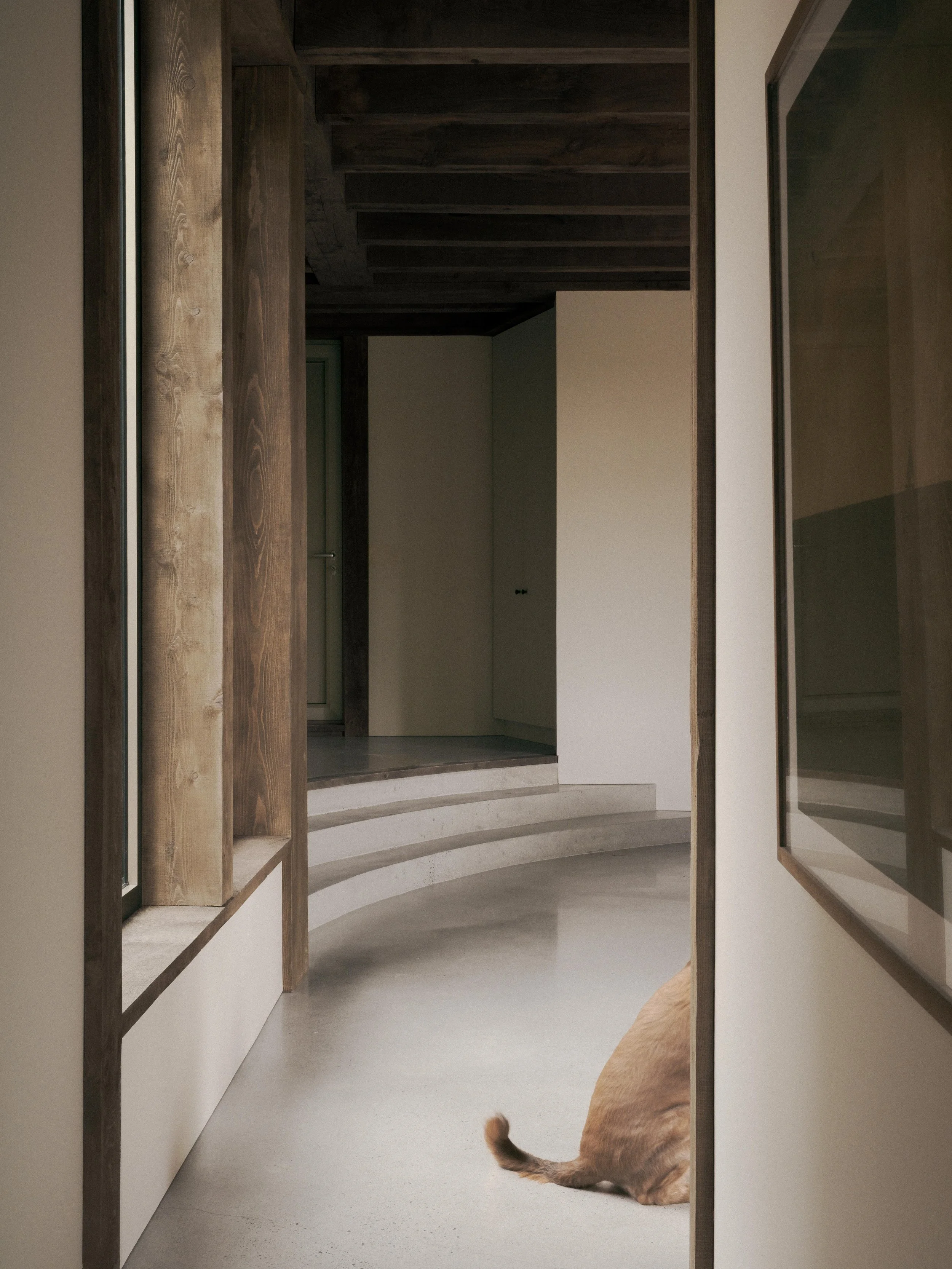
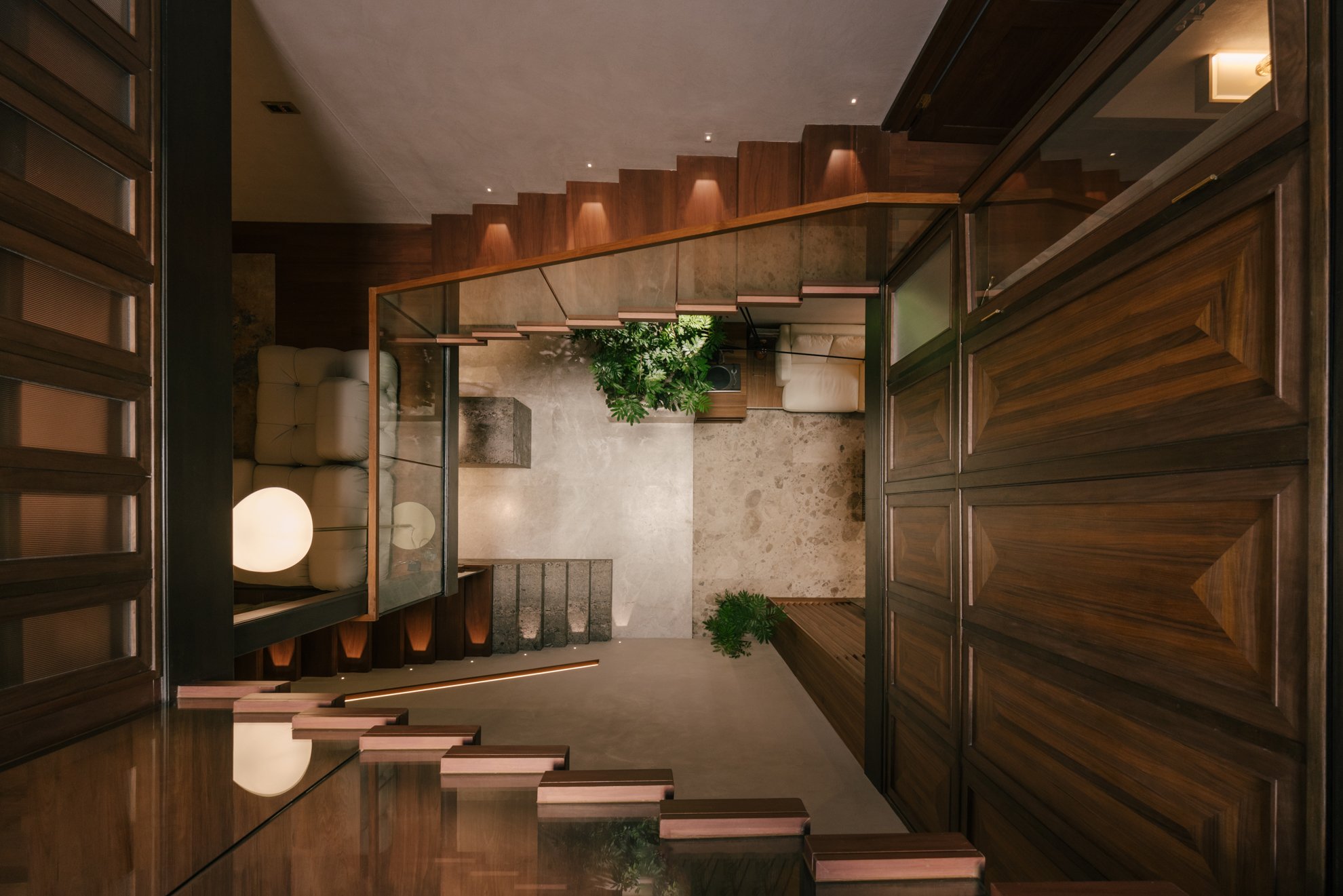
Once inside, the architecture reveals itself gradually through a sequence of interconnected volumes. The arrangement of these spaces responds directly to the clients’ desire to share a residence without occupying it in the same way at all times. Living areas are distributed to provide visual and acoustic separation, allowing moments of retreat while maintaining a sense of collective inhabitation. This layered composition encourages movement through the house while preserving intimacy between its occupants.
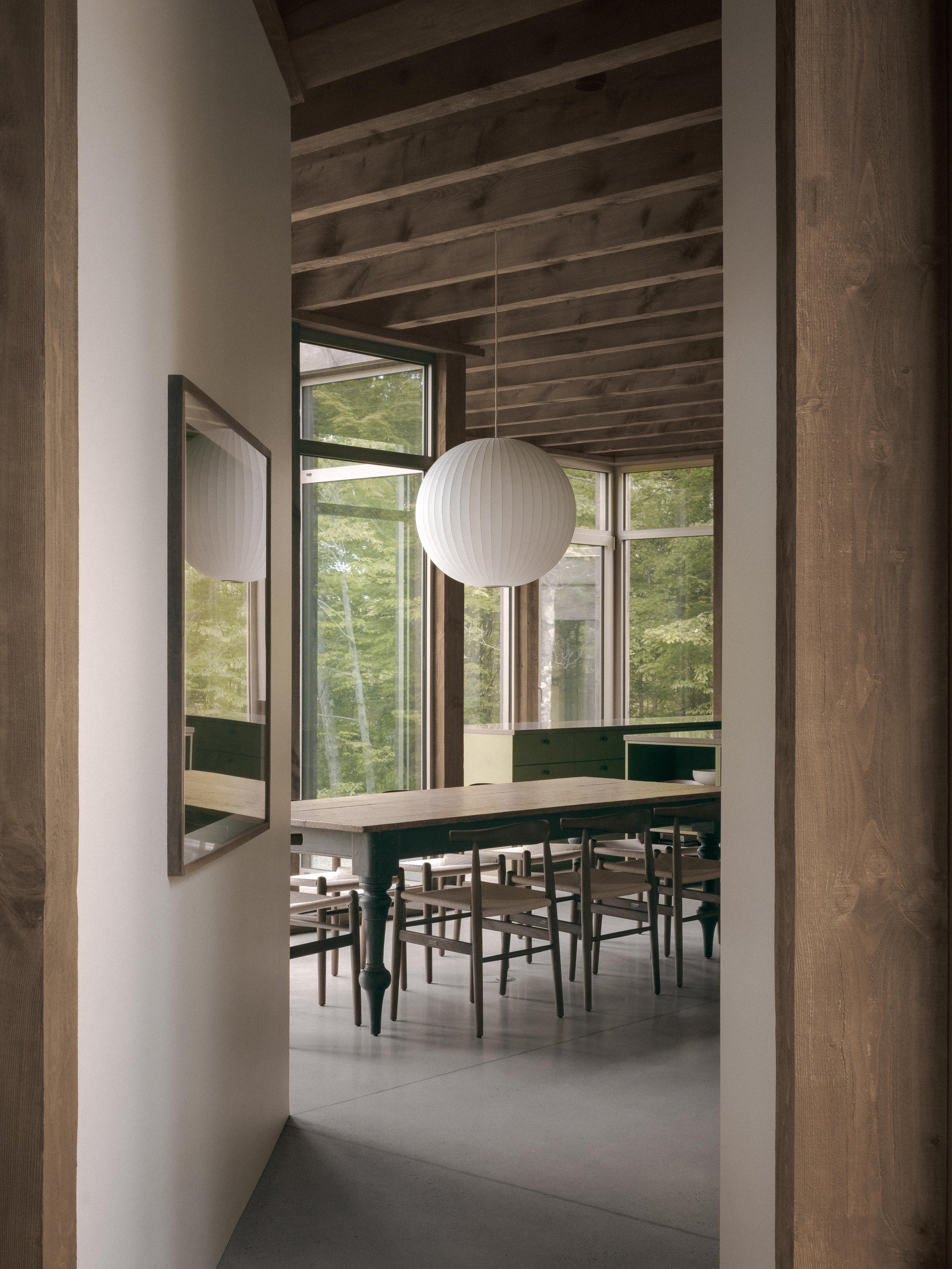
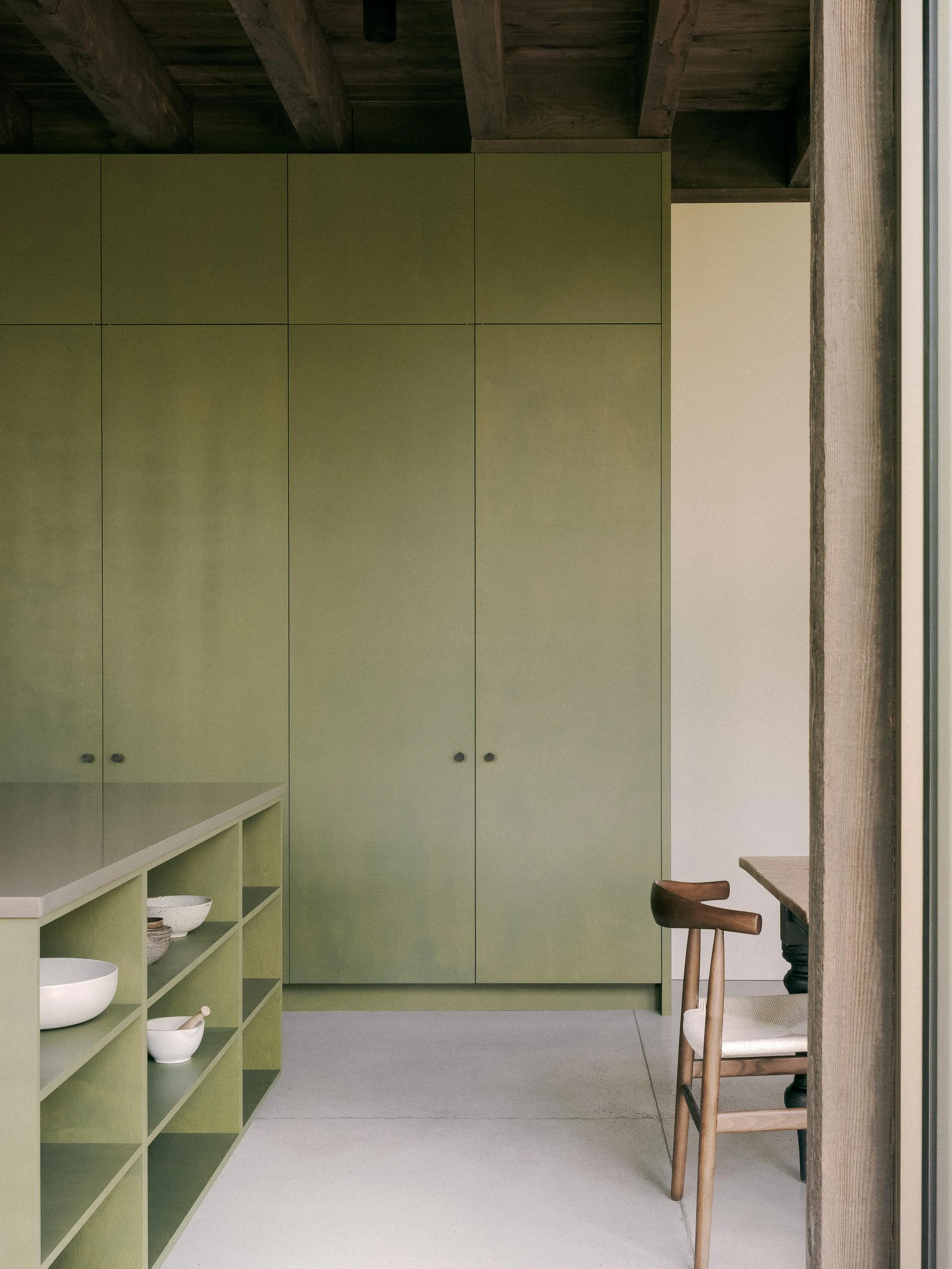
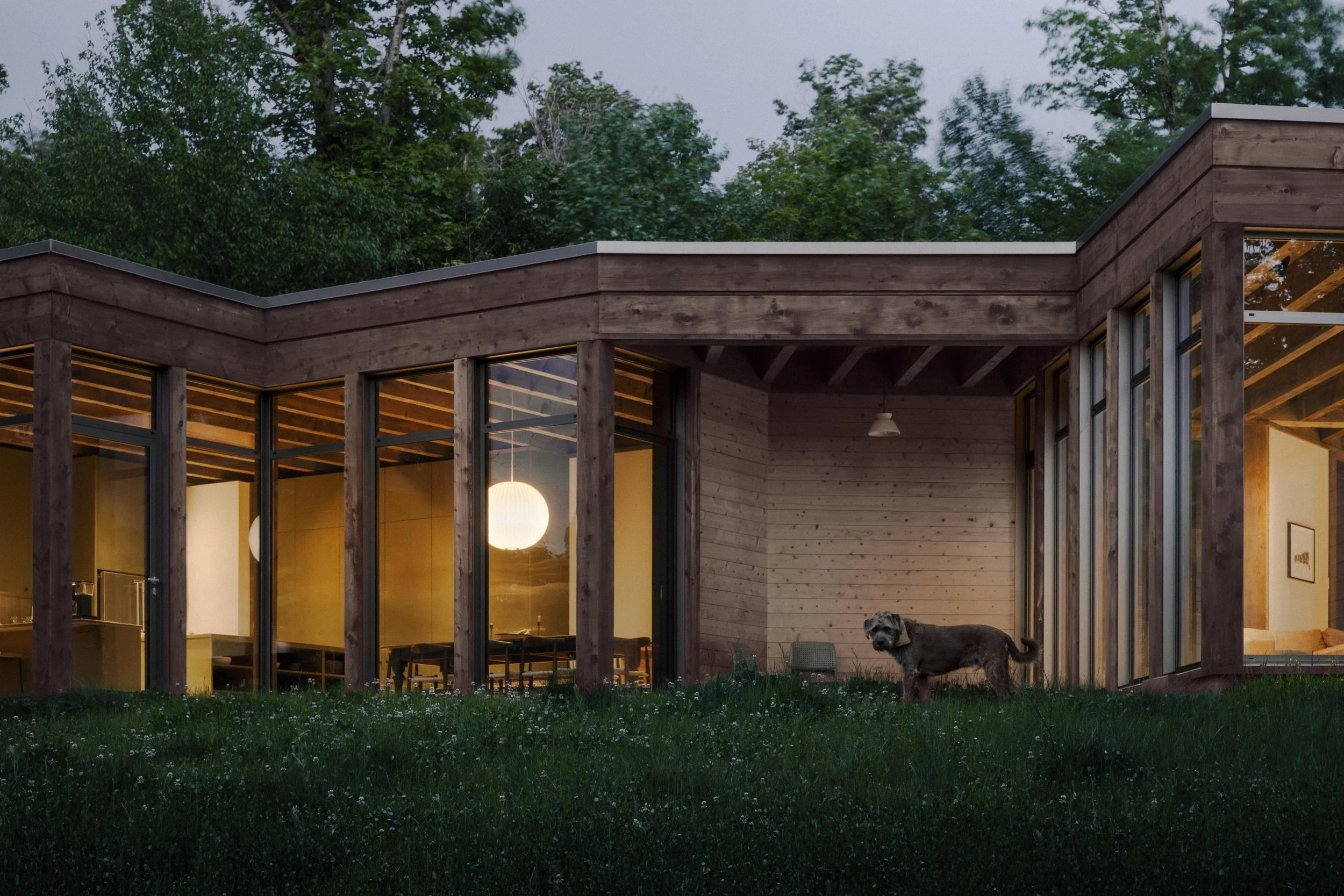
At the heart of the project, the kitchen occupies a privileged position overlooking the landscape. Fully open to its surroundings, it serves as the primary gathering place for residents and guests alike. Beyond its practical function, it establishes a direct relationship between daily life and the natural environment, reinforcing the home's connection to its setting.
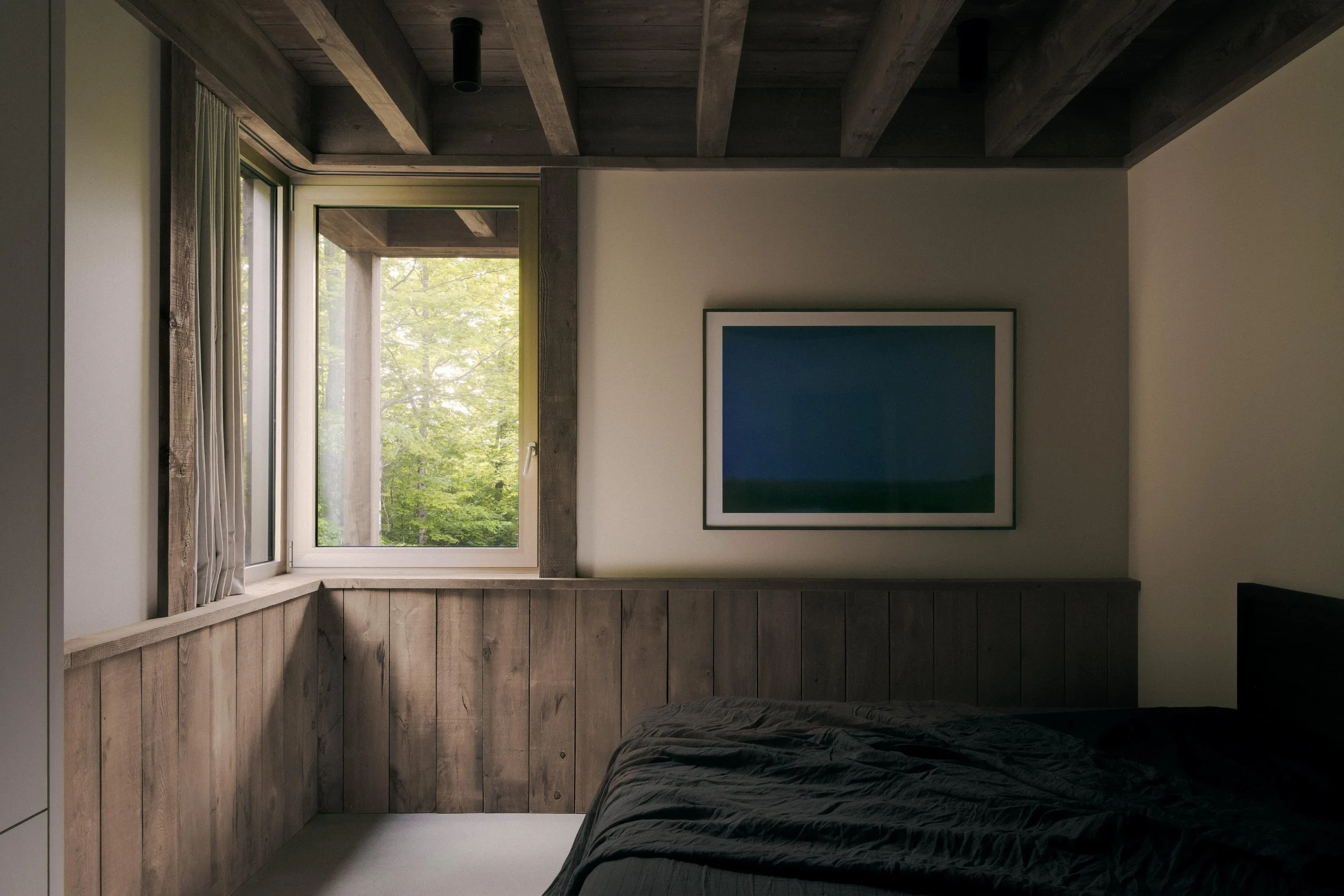
The spatial experience is informed by the site's natural slope, with rooms arranged across a series of terraces that follow the contours of the land. Shifting viewpoints emerge throughout the interior, framing different aspects of the surrounding panorama. Indirect light enters the home in constantly changing ways, heightening awareness of seasonal and atmospheric variations while enriching the sensory qualities of each room.
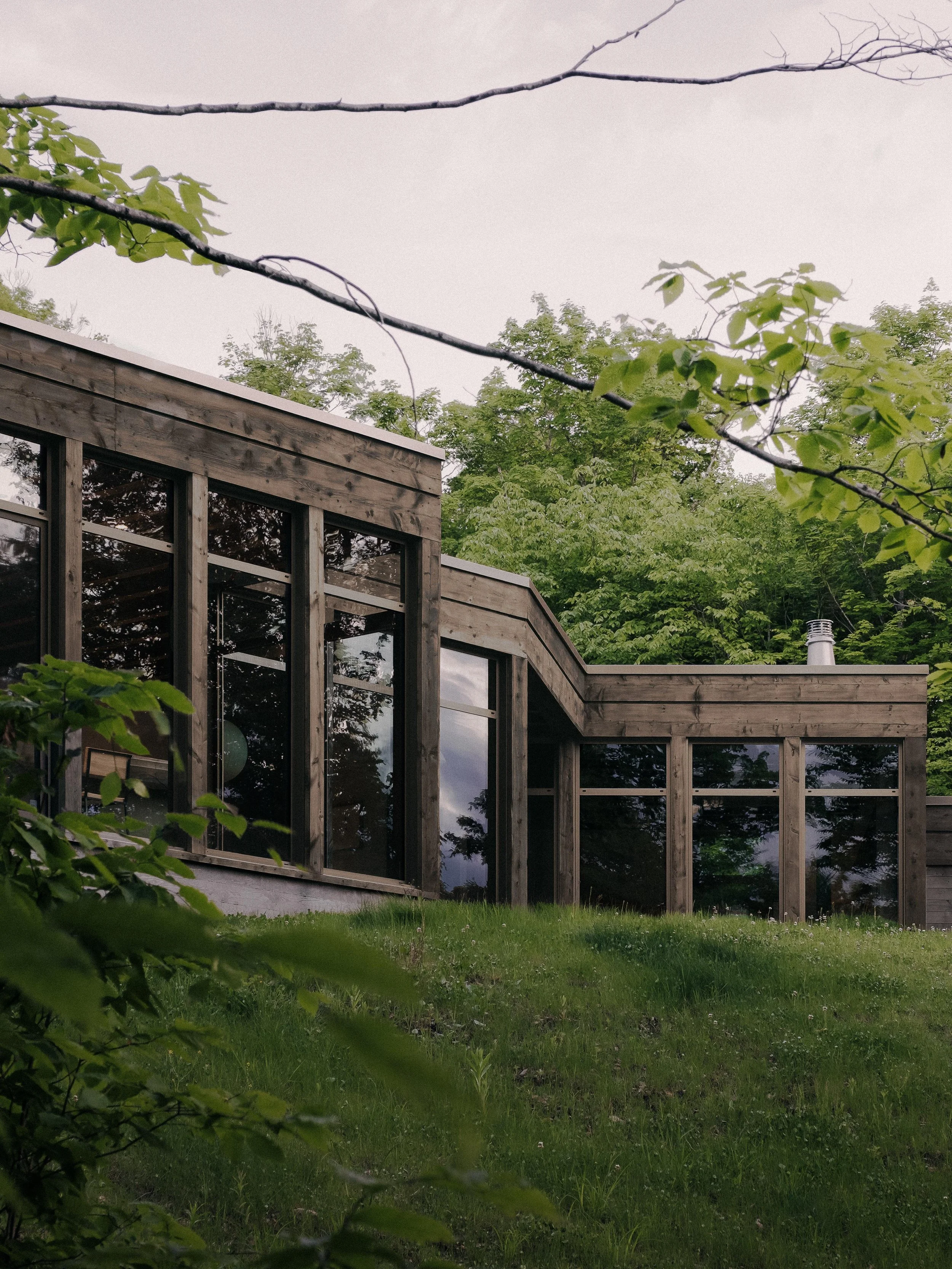
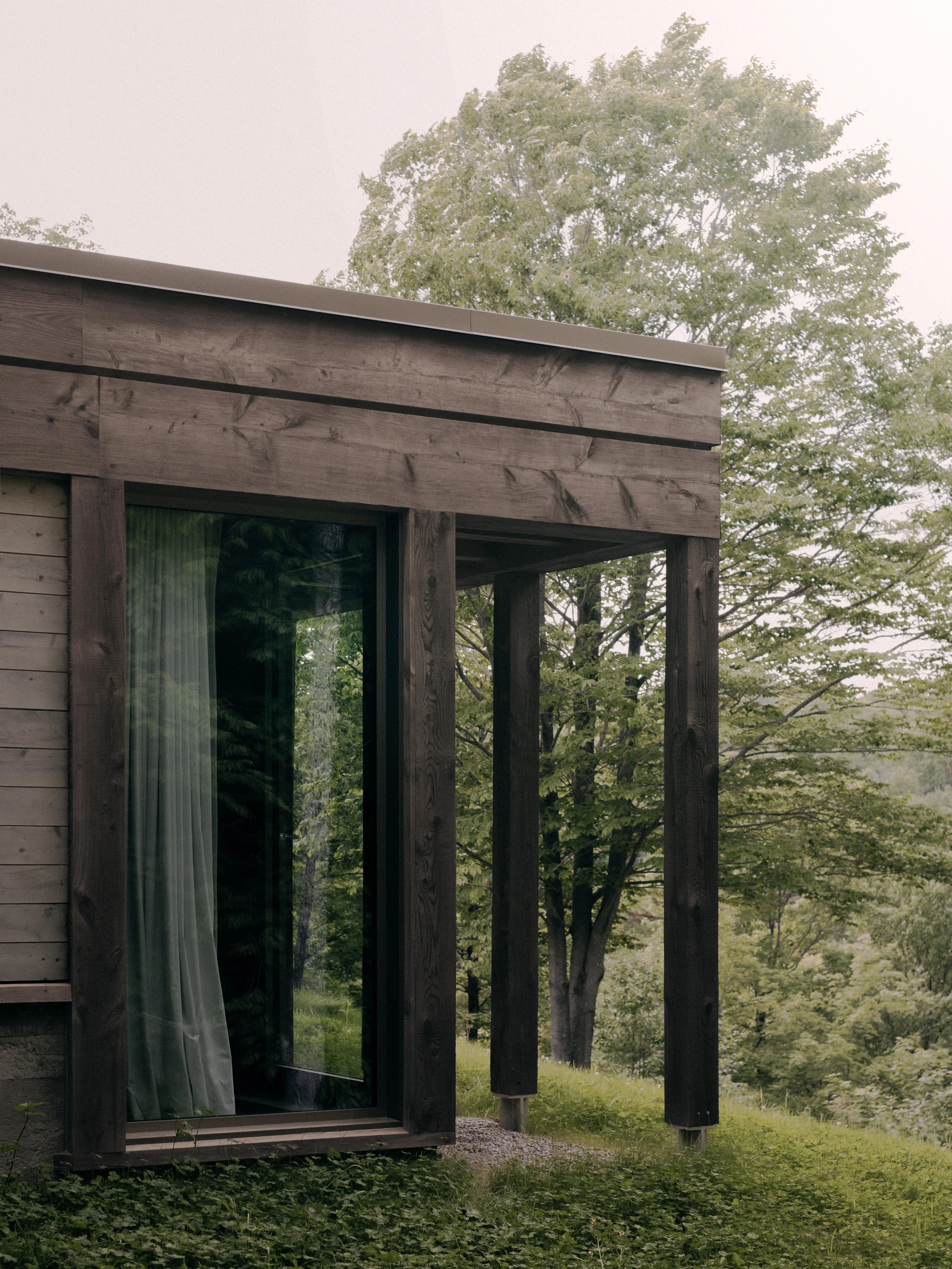
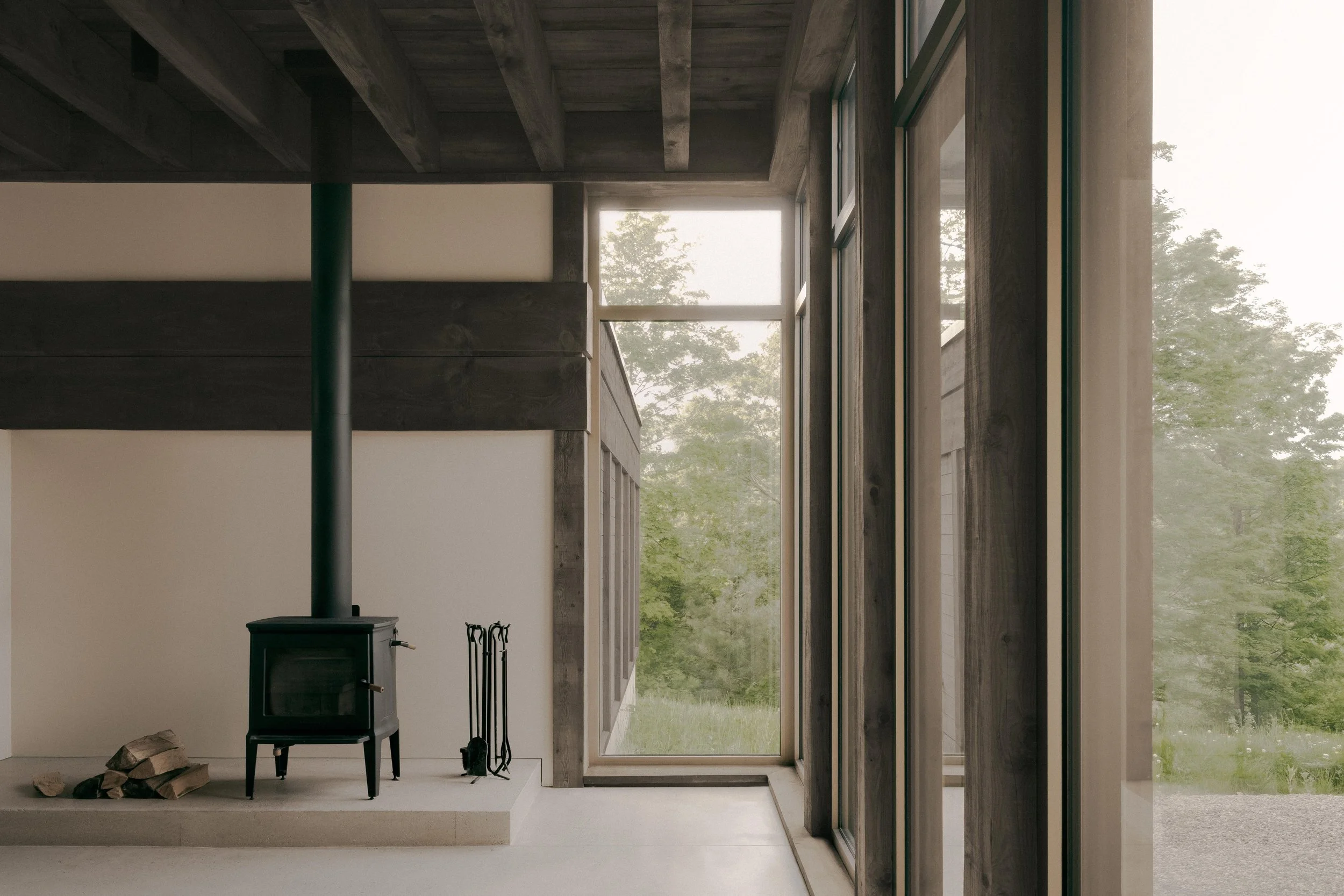
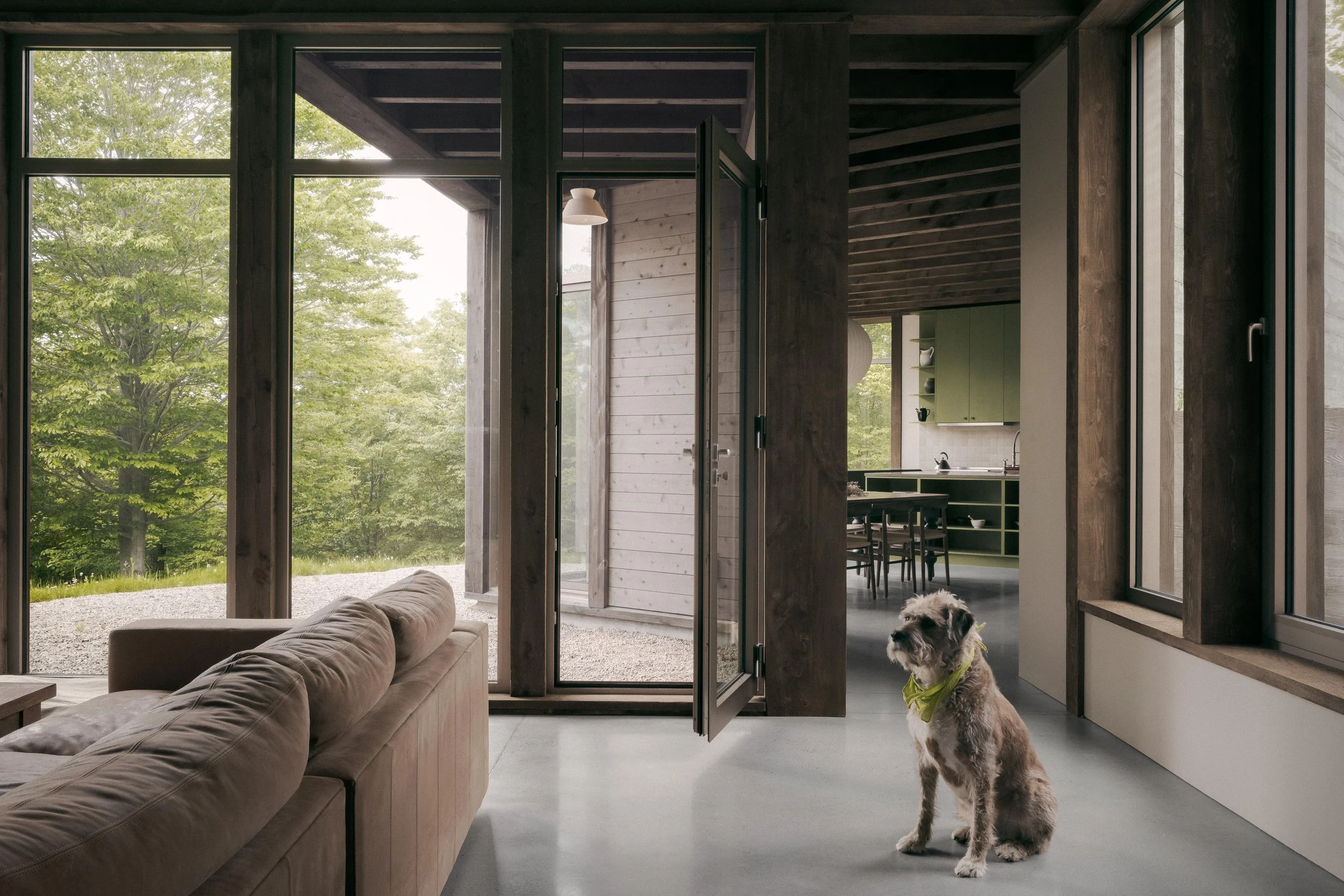
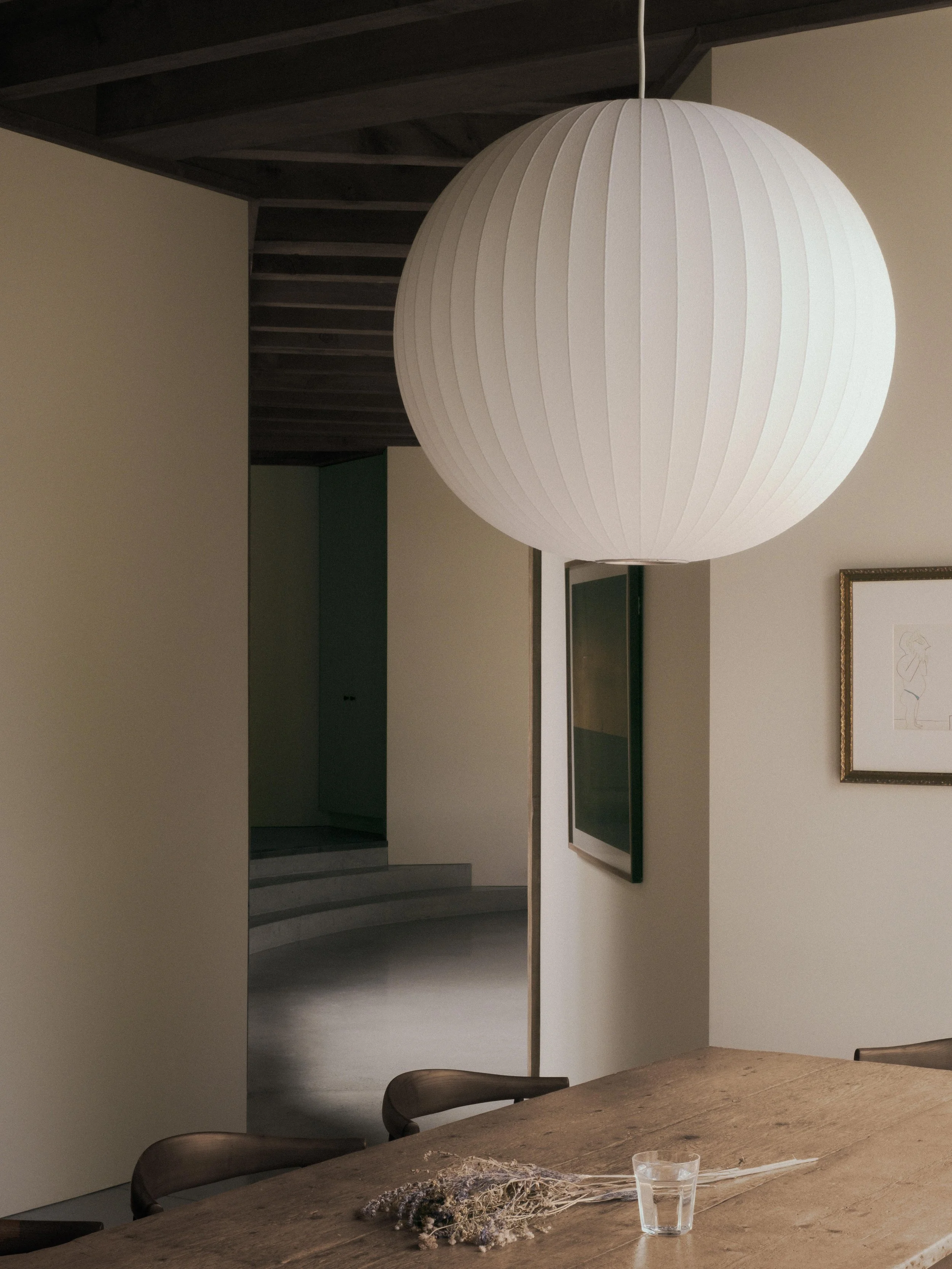
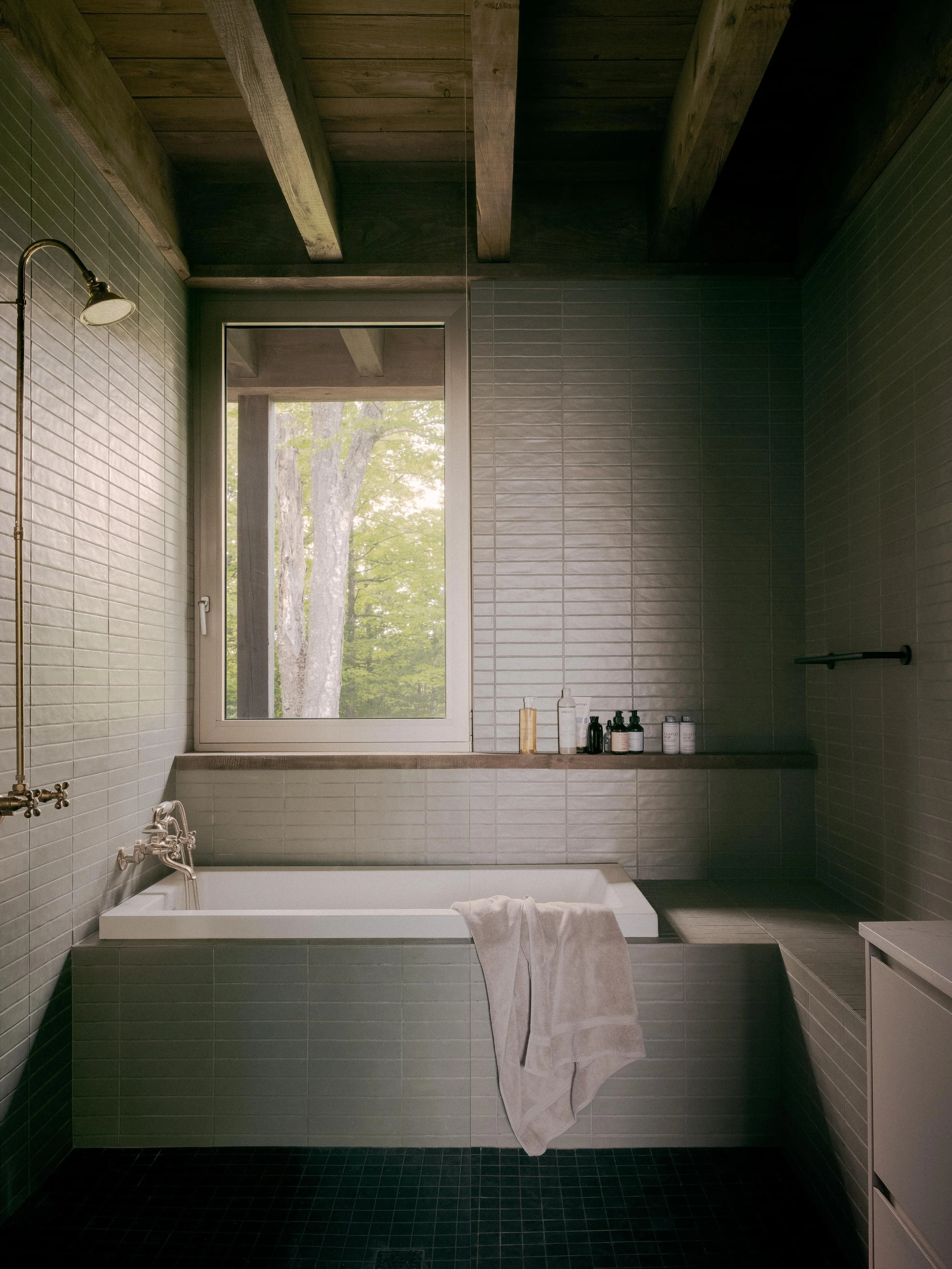
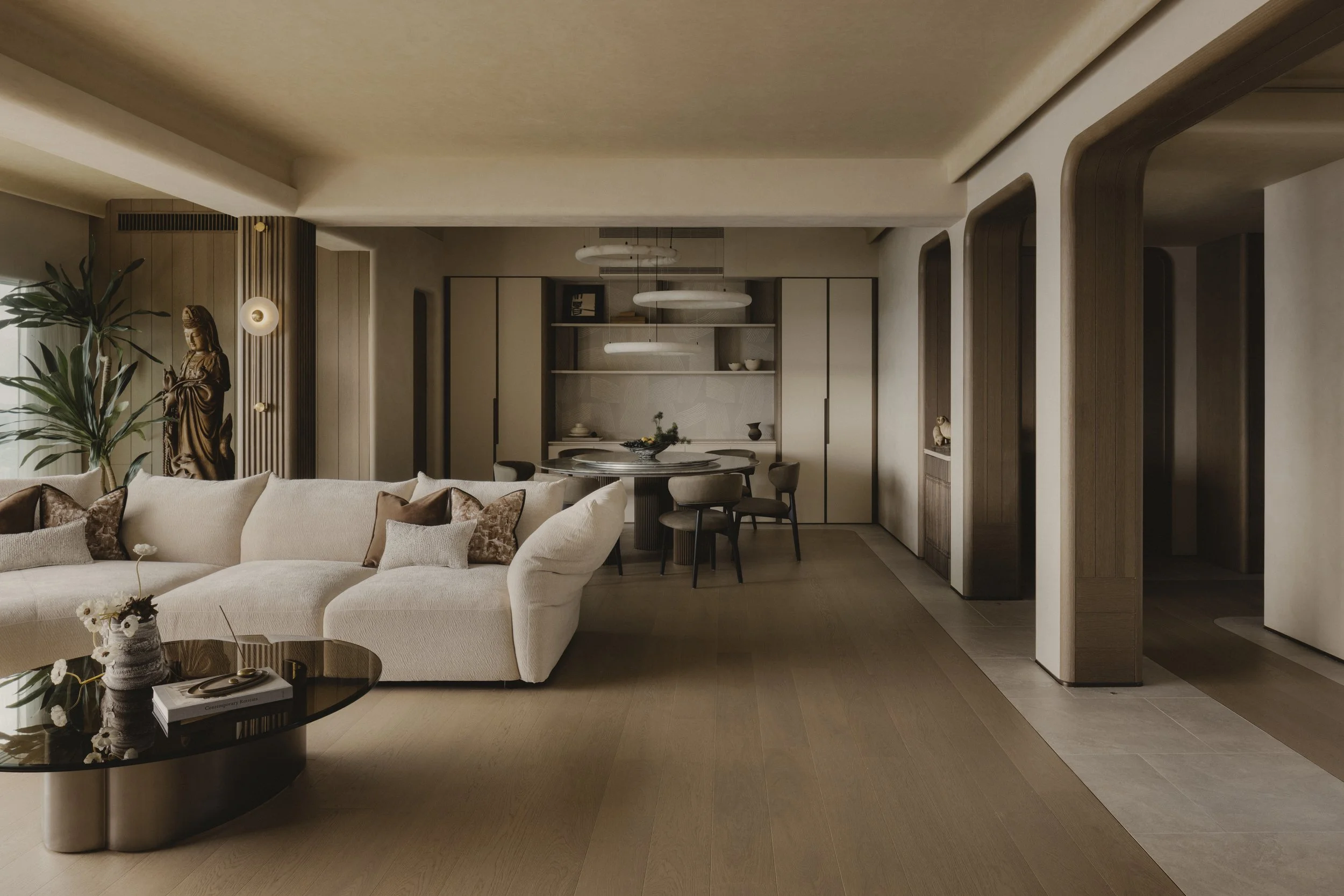
A restrained material palette supports this focus on perception and experience. Flexible timber construction defines the primary living spaces, expressing a capacity for adaptation over time while introducing warmth to the interior. Exposed structural elements contribute to the architectural character of the home, reinforcing the relationship between construction, materiality, and occupation.
Sustainability and local craftsmanship played a significant role in the development of the project. The exposed timber structure was realised in close collaboration with a local carpenter who oversaw the fabrication and installation of the woodwork. This partnership enabled the sourcing of a substantial quantity of hemlock from a site adjacent to the project. The timber was incorporated throughout the residence, including the north façade where it forms columns, fascias, and exterior cladding. As a locally sourced and renewable material, hemlock supported the project's environmentally conscious approach while strengthening its connection to place.
The house also minimises its impact on the landscape through a careful response to existing site conditions. Positioned directly on bedrock, the structure was constructed without blasting or significant excavation, preserving the natural terrain and reducing disruption to the environment.
The collaborative process behind SONO was equally important to its success. Close relationships between the architects, clients, builders, and specialist trades informed the development of the project from conception through construction. Continuous dialogue and shared trust allowed design decisions to evolve throughout the building process, creating a framework that valued collective expertise and adaptability.