Grid House by Mékr Studio
Set two blocks from Elwood Beach, Grid House is a Californian bungalow reworked by Mékr Studio for a young family of five, their three daughters, and their dog Jack.
The home had the advantage of a coveted coastal location, but its internal layout no longer supported the pace and needs of family life.
Over time, previous alterations had left the house feeling fragmented. The living and dining areas were disconnected from the kitchen and backyard, while an untouched 1980s kitchen extension, complete with cork floors and dated joinery, made the rear of the home feel tired. Some of the bungalow’s original charm had also been lost, leaving a series of poky and awkward spaces.
Mékr Studio’s brief was to refresh the home without increasing its footprint. Early design explorations considered a larger addition, new entry points, and alternative internal layouts, but these options placed too much pressure on the outdoor area and budget. The focus shifted to making the existing plan work harder through careful re-zoning, improved natural light, and a clearer connection between daily living spaces.
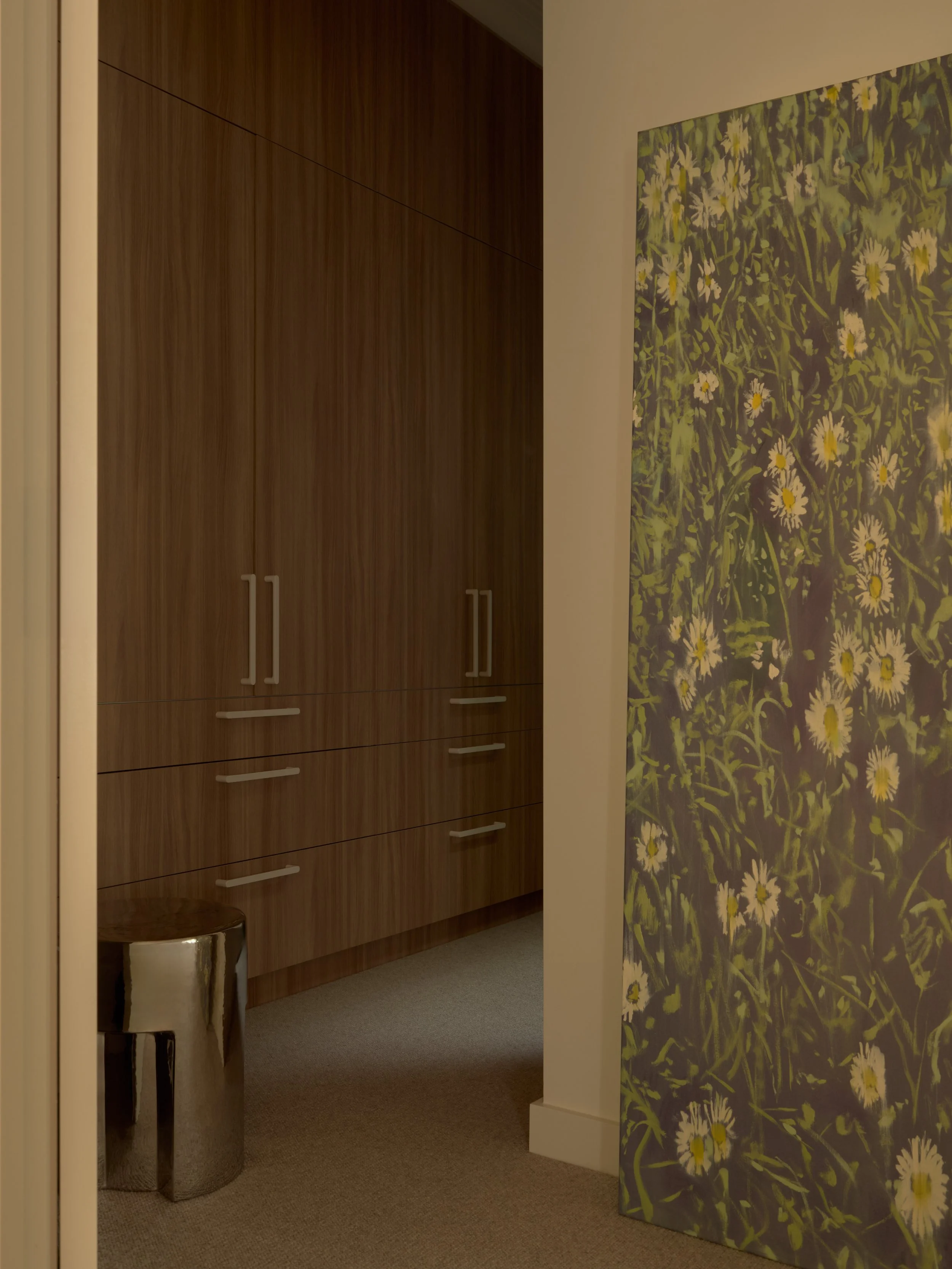
The key move was to relocate the bedrooms to the front of the house and bring the kitchen, living, and dining areas to the rear. This created an open-plan family space with direct access to the backyard, giving the home a more practical relationship with outdoor living. The main bedroom was updated with an ensuite and walk-in robe, while a walk-in pantry, compact laundry, and separate powder room were also worked into the plan.
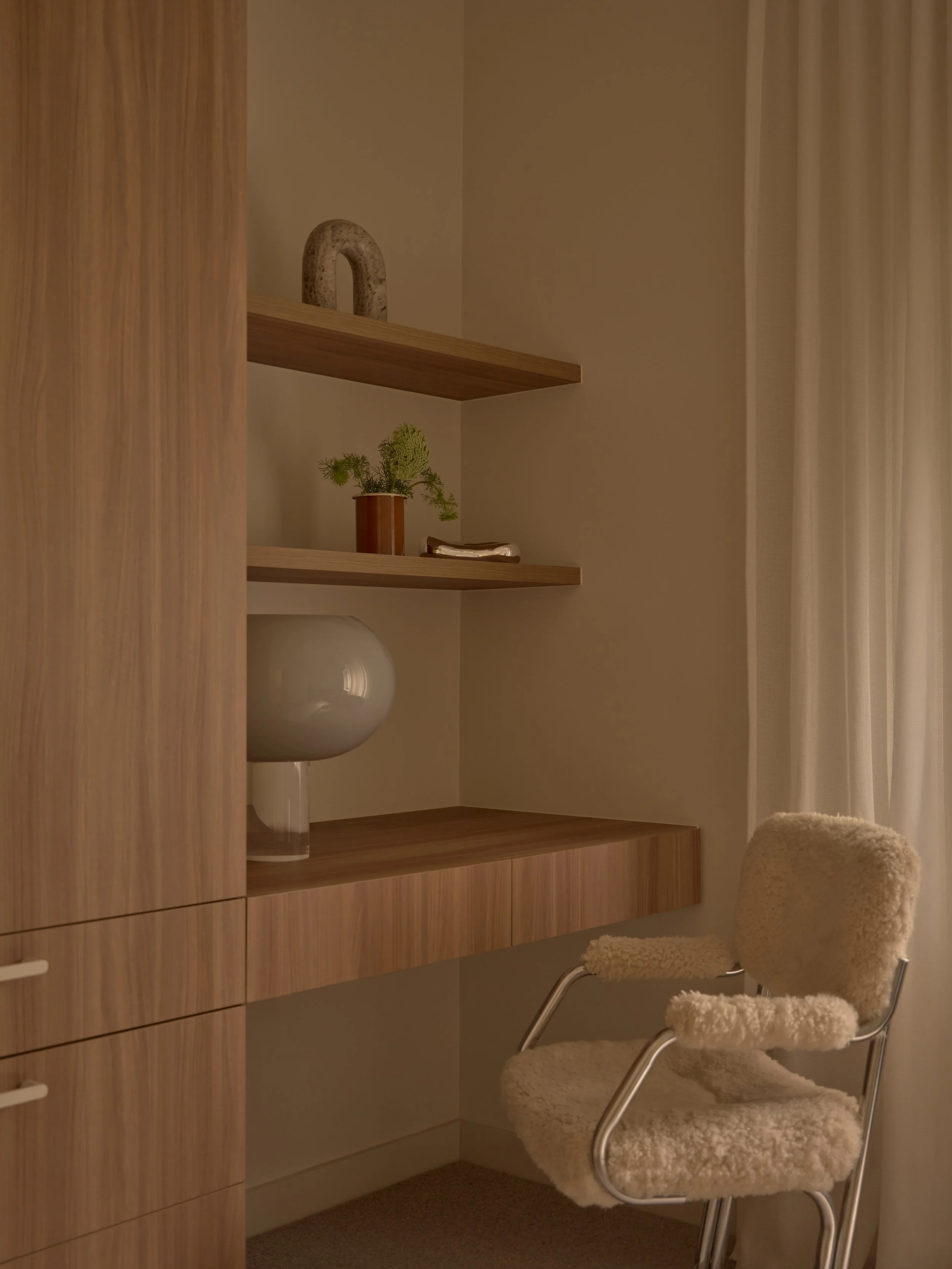
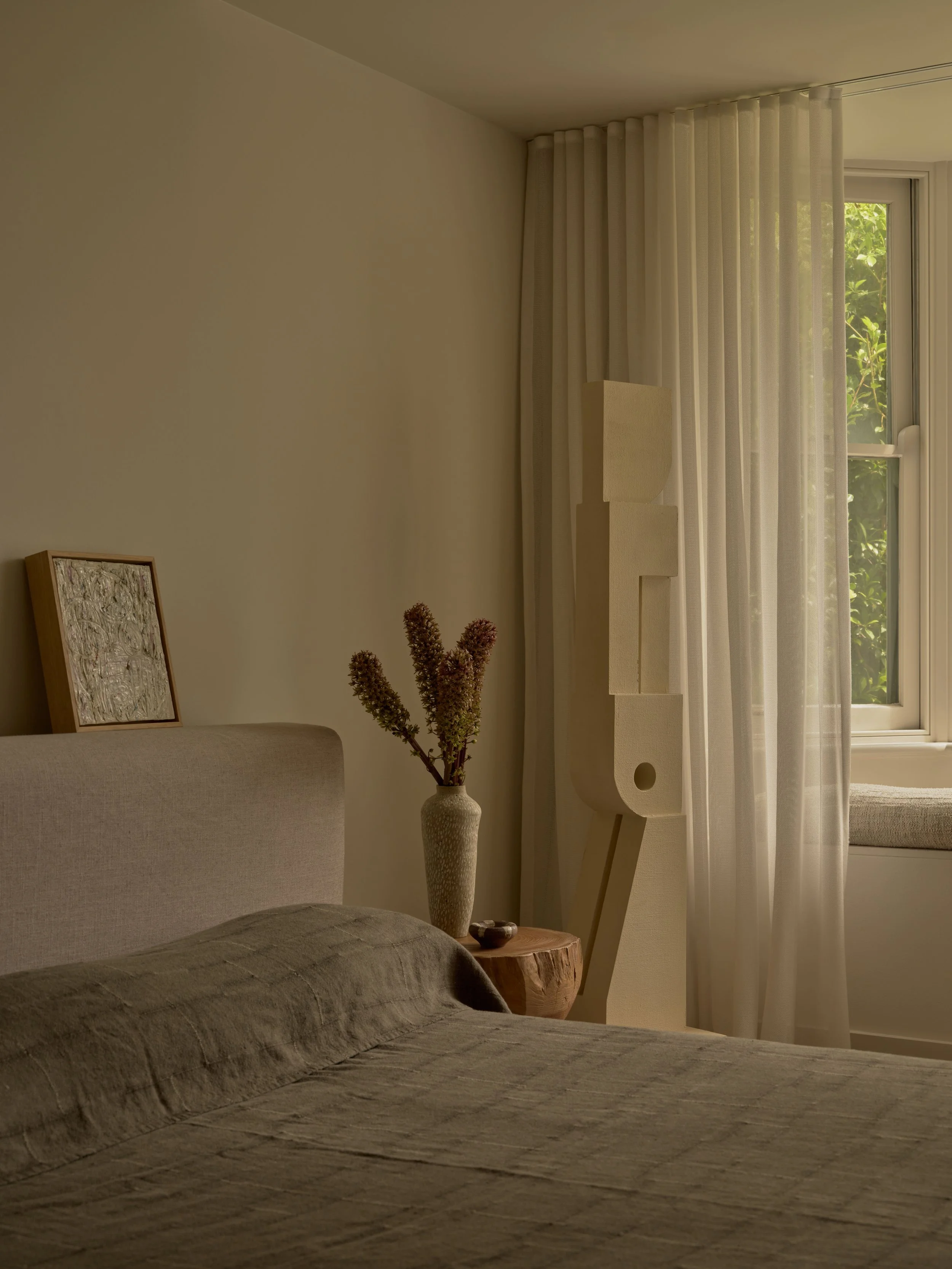
The clients were drawn to a mid-century sensibility, particularly its warmth, use of colour, and playful confidence. Mékr Studio translated this into a home that feels expressive yet enduring. Joinery became a central design tool, treated not only as built-in storage but as a series of furniture-like pieces that bring colour, texture, and personality into the interior.
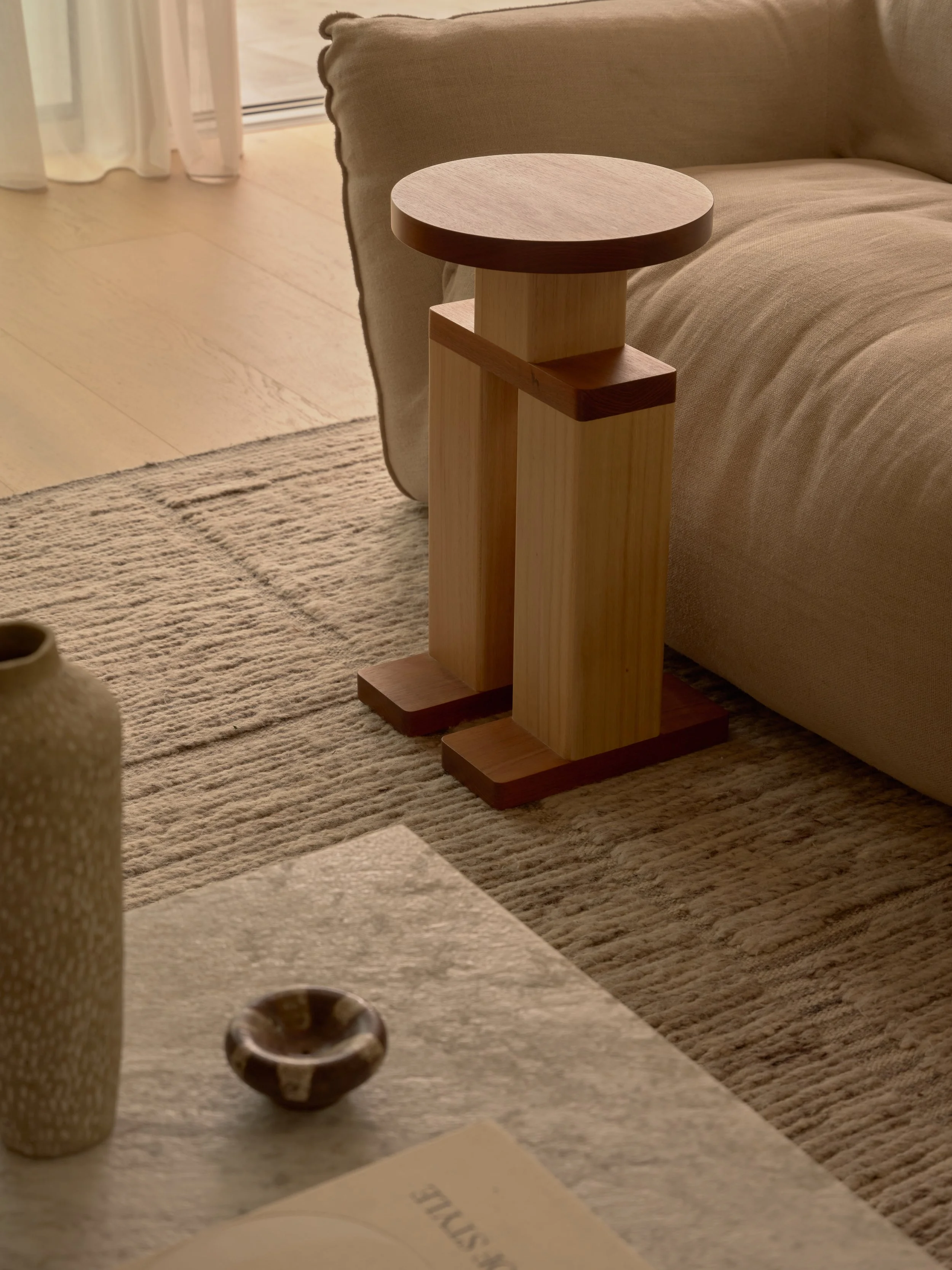
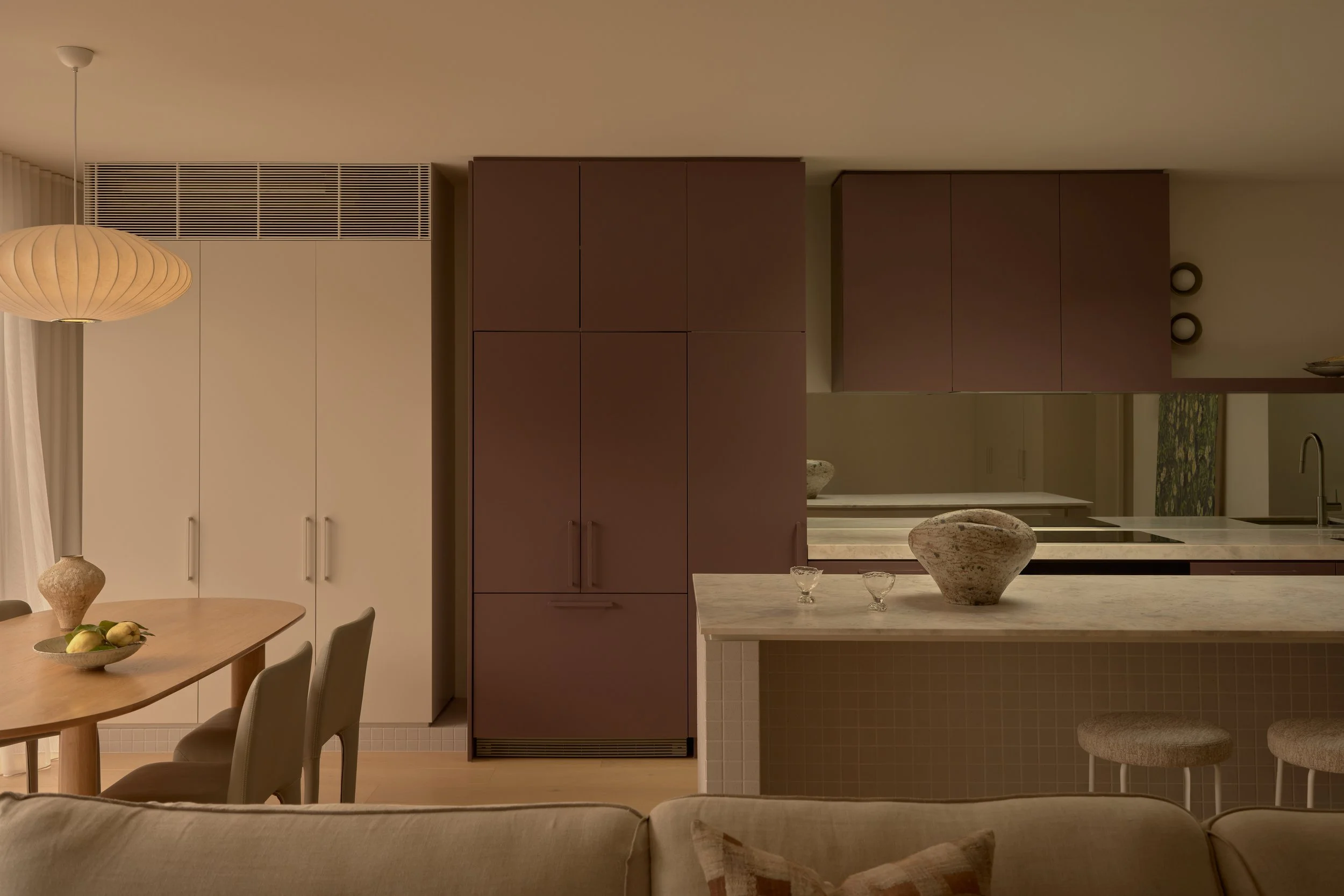
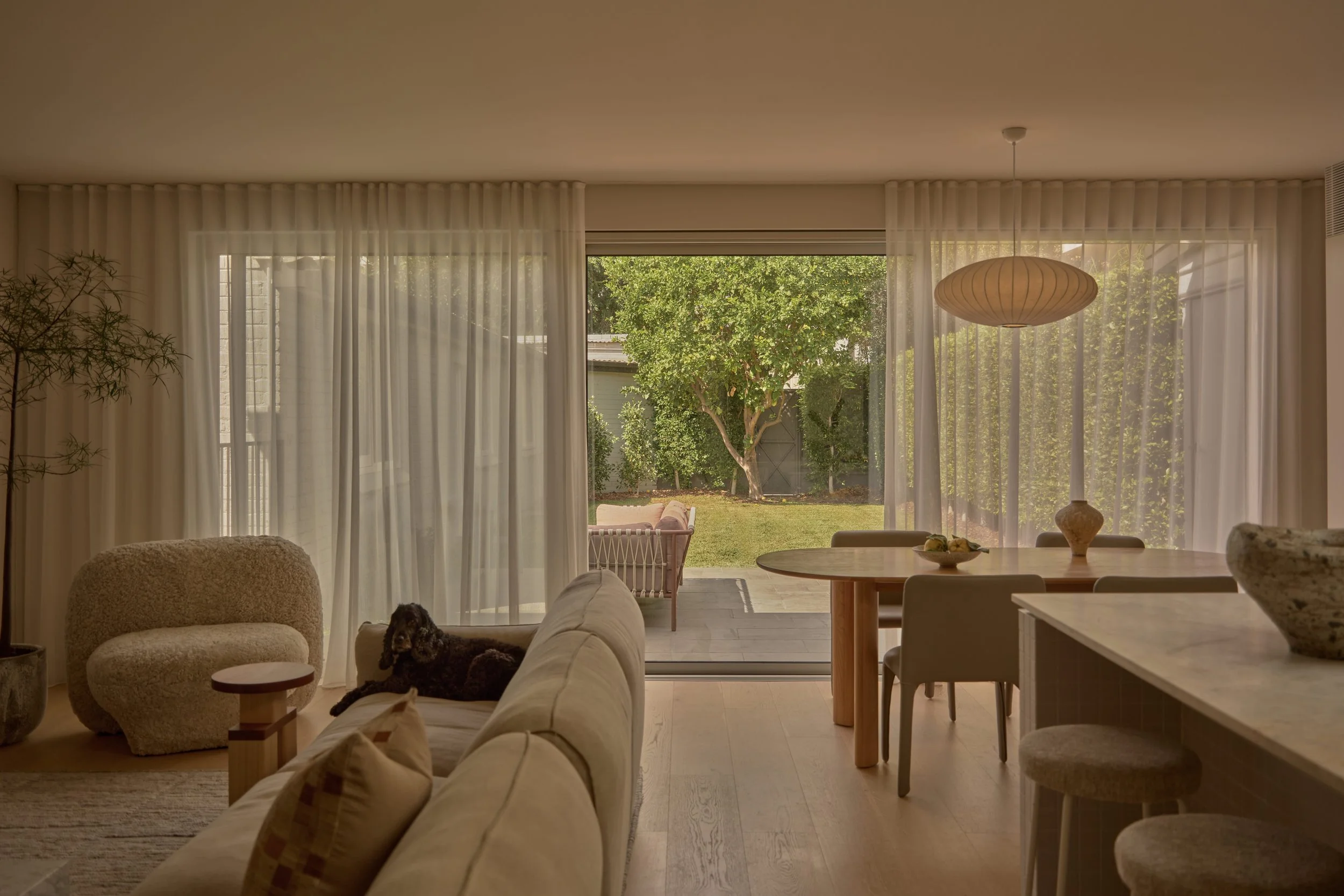
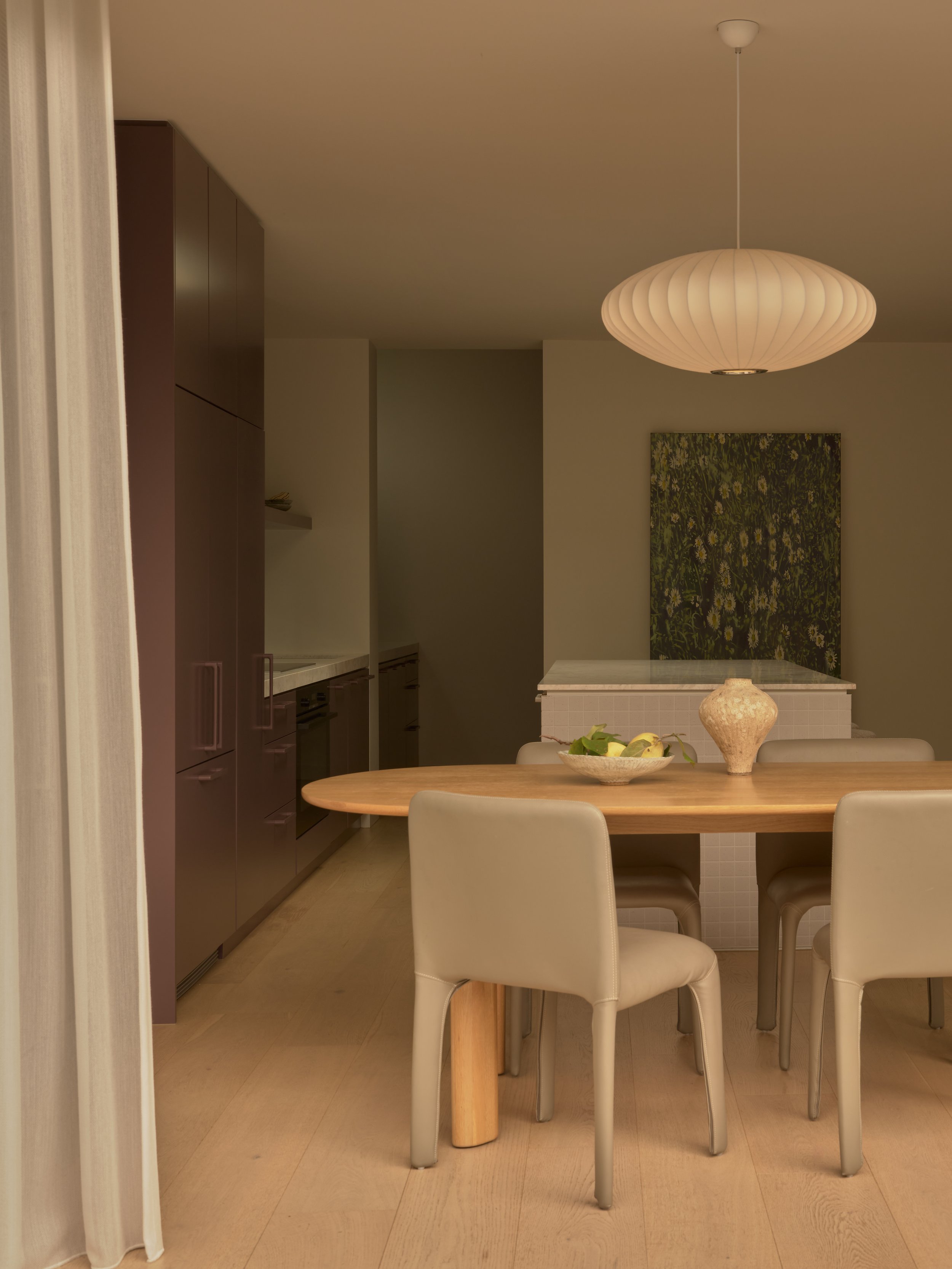
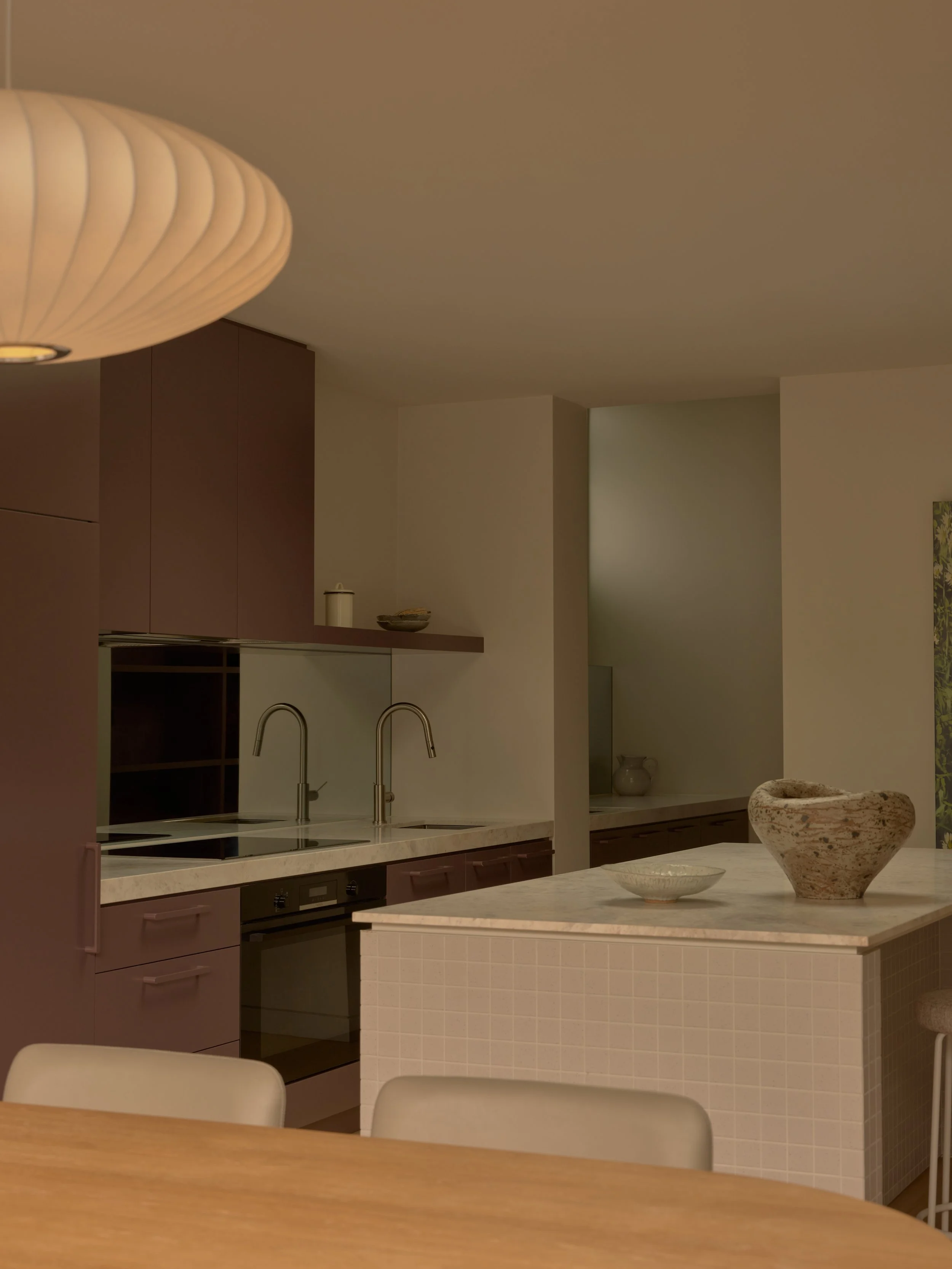
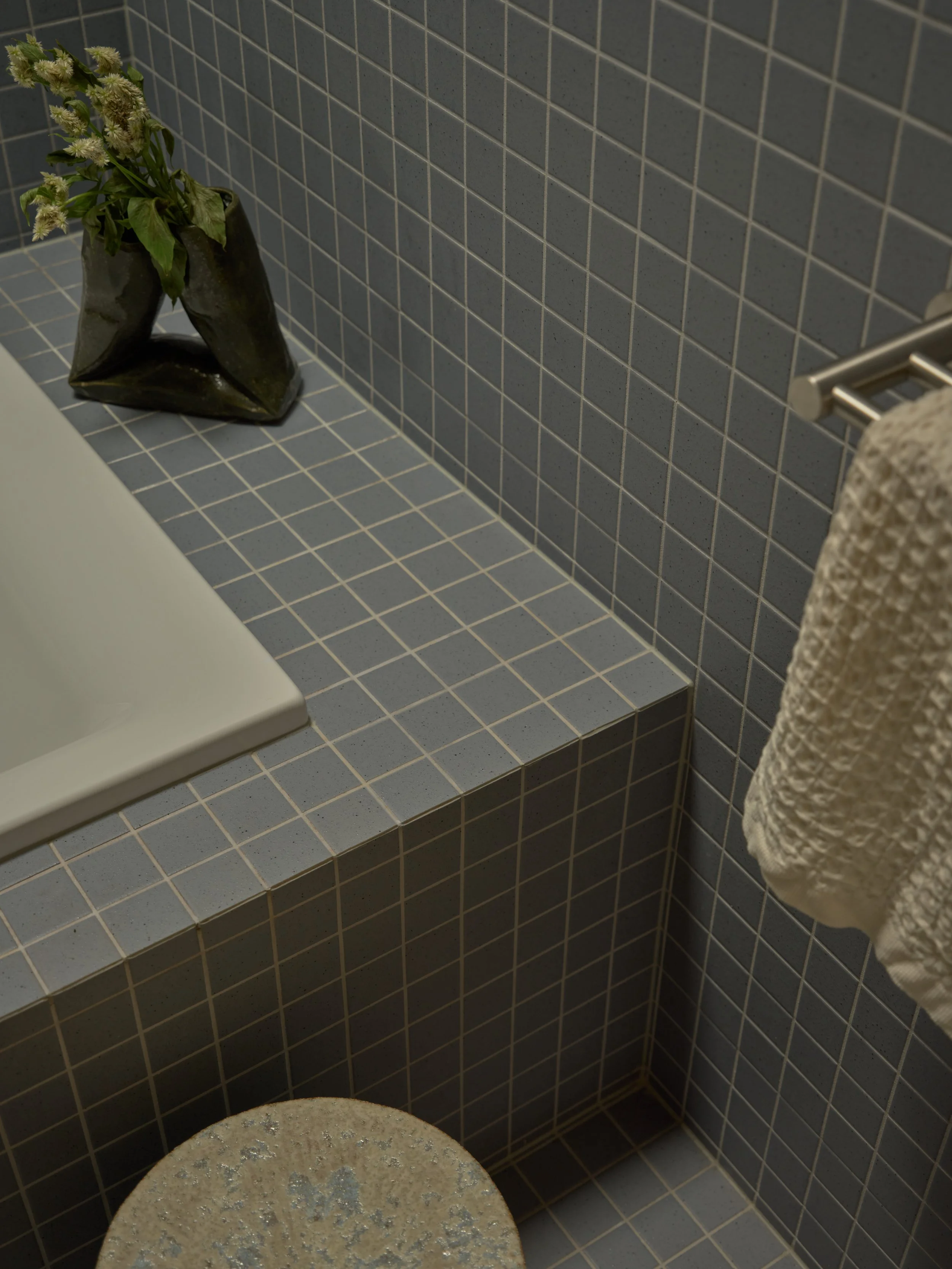
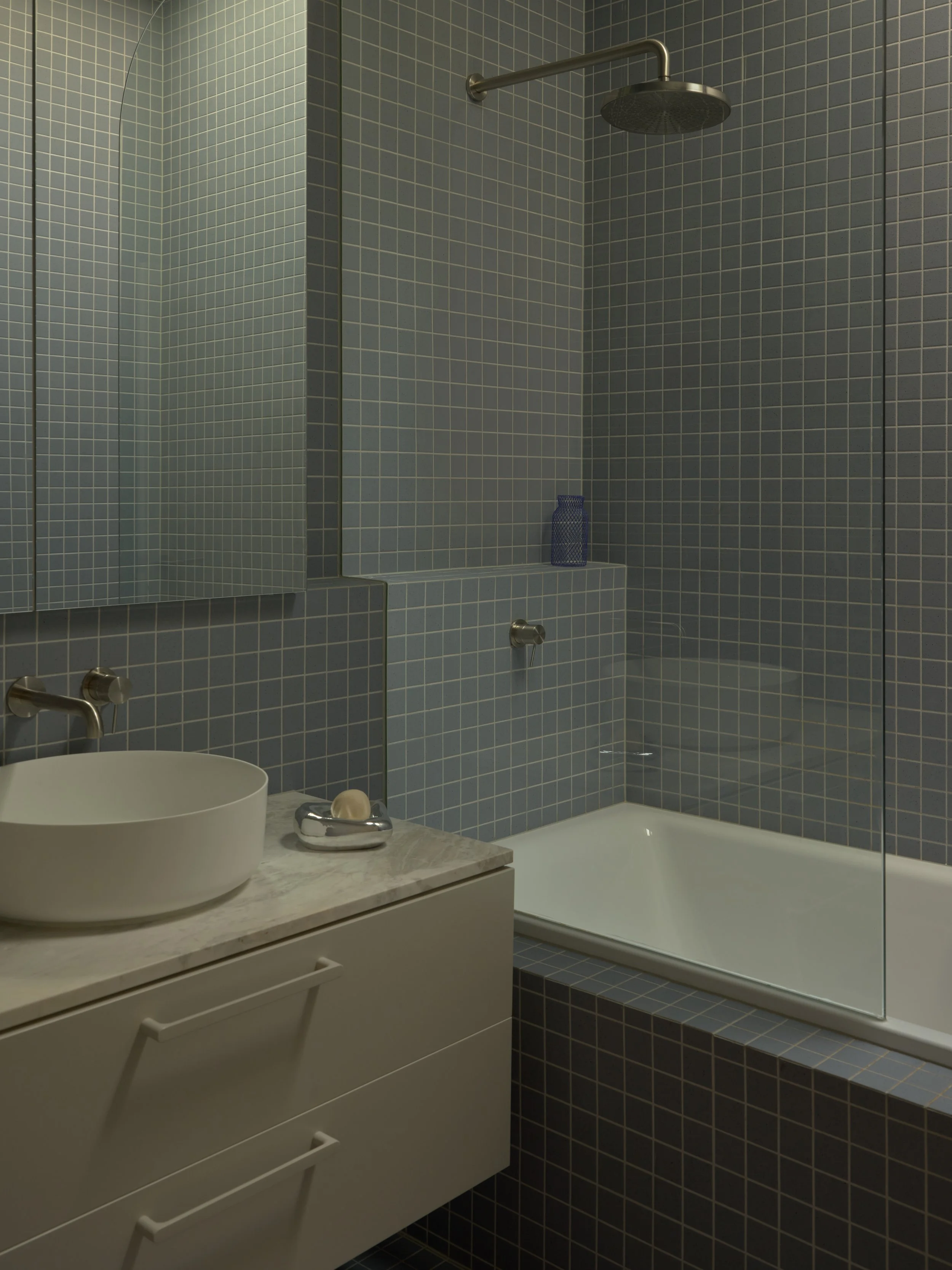
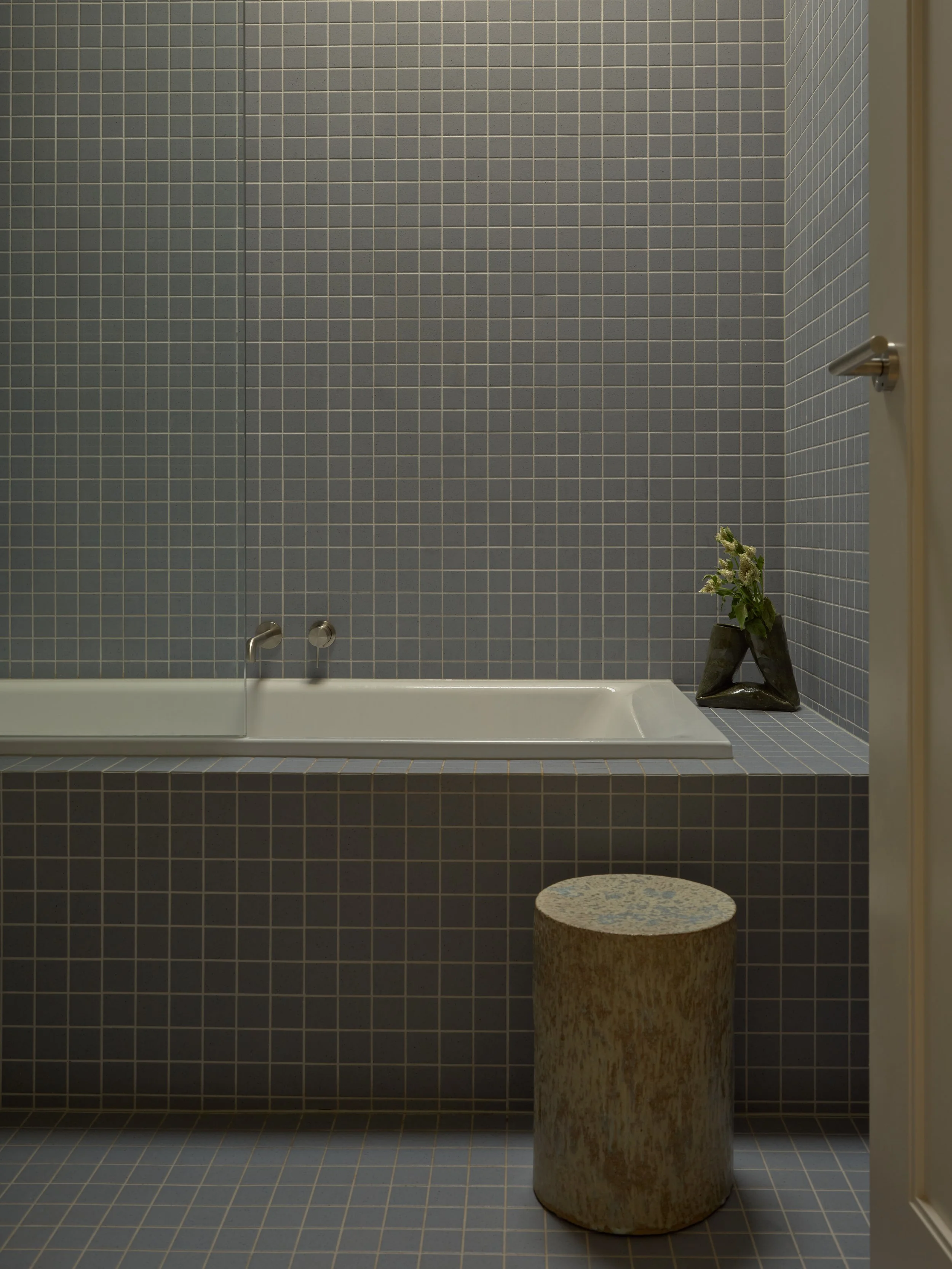
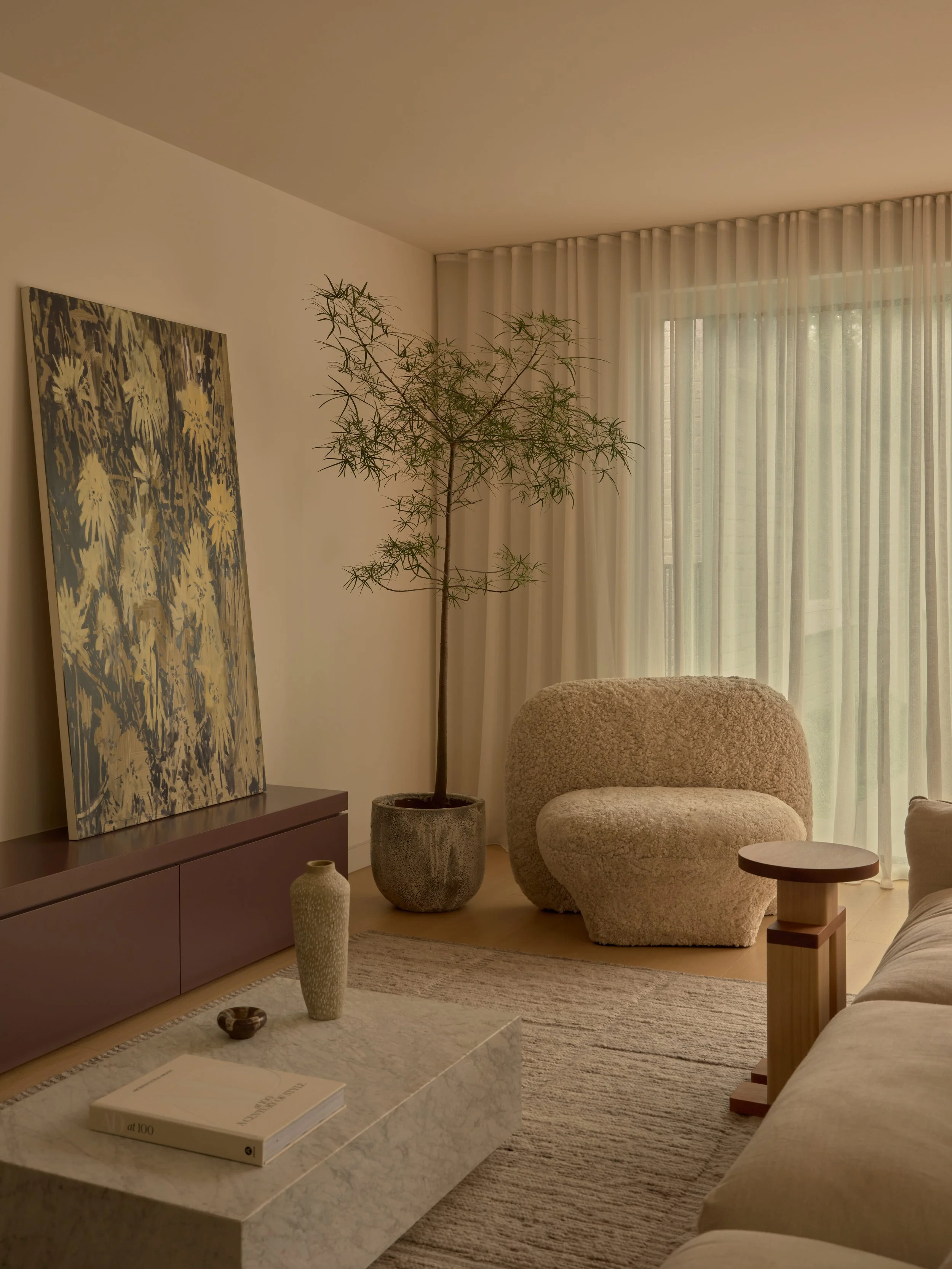
A deep burgundy tone anchors the kitchen and living joinery, creating a strong visual moment without overwhelming the space. Warm beige walls and ceilings soften the palette, while timber flooring and selected timber joinery bring continuity and tactility throughout the home. Smaller scale tiles reference mid-century detailing, appearing on the island bench legs and joinery plinths. In the bathroom and powder room, the same tile language shifts into a playful lilac-blue, adding energy to the more compact areas.
Spatial planning was the project’s greatest challenge. Every part of the existing layout had to be assessed with precision to avoid unnecessary expansion while still giving the family the openness, storage, and separation they needed. Through this process, the home gained a more efficient plan and a stronger sense of purpose.
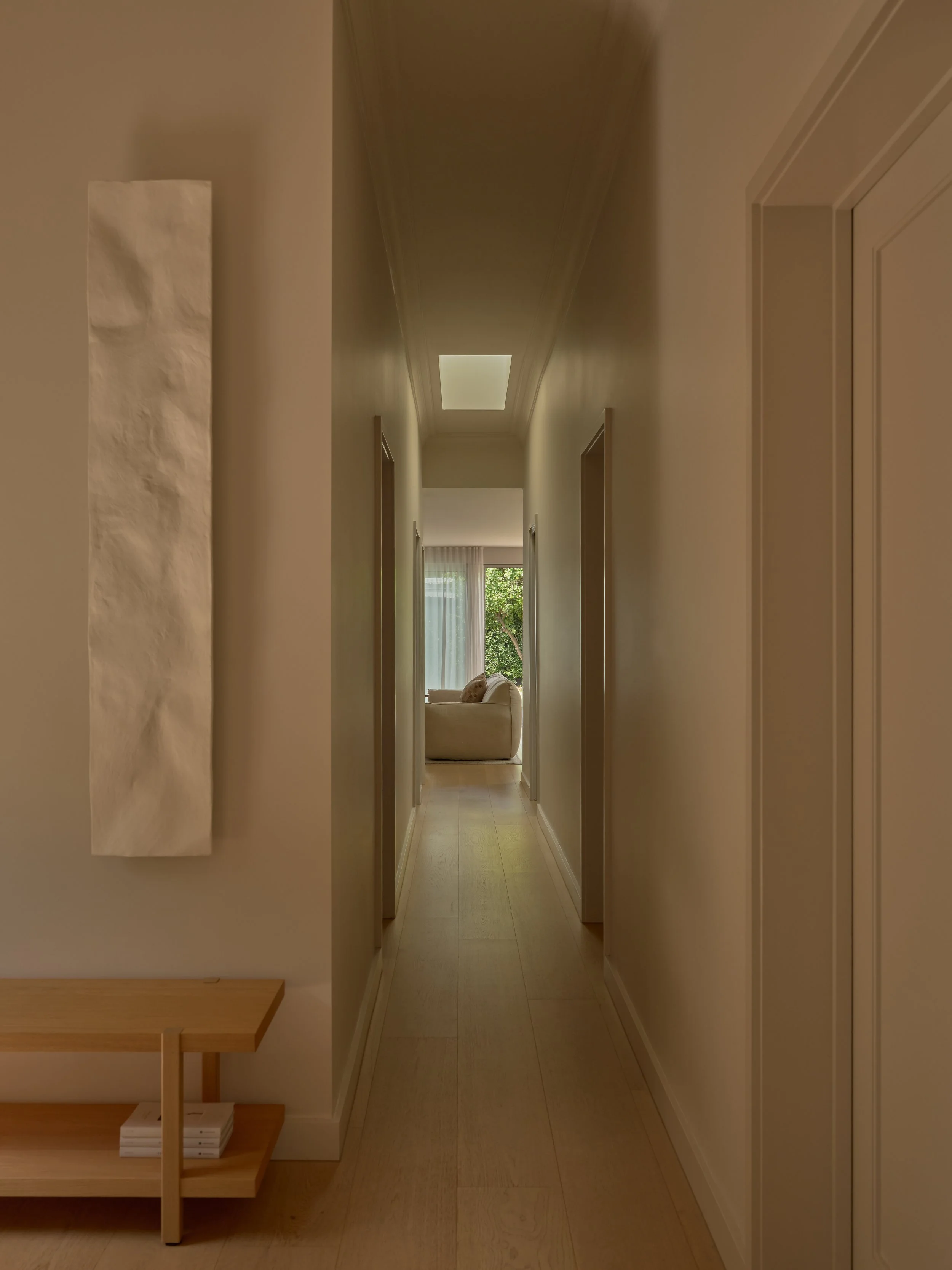
One of the project’s most successful moments is the rear open-plan space, where the family now spends much of their time. It balances bold joinery and colour with calmer material choices, creating a room that feels lively but grounded. The long hallway also plays an important role, drawing the eye toward a view of greenery at the rear and creating a gentle sense of arrival into the heart of the home.