Aldgate House by Fabrikate
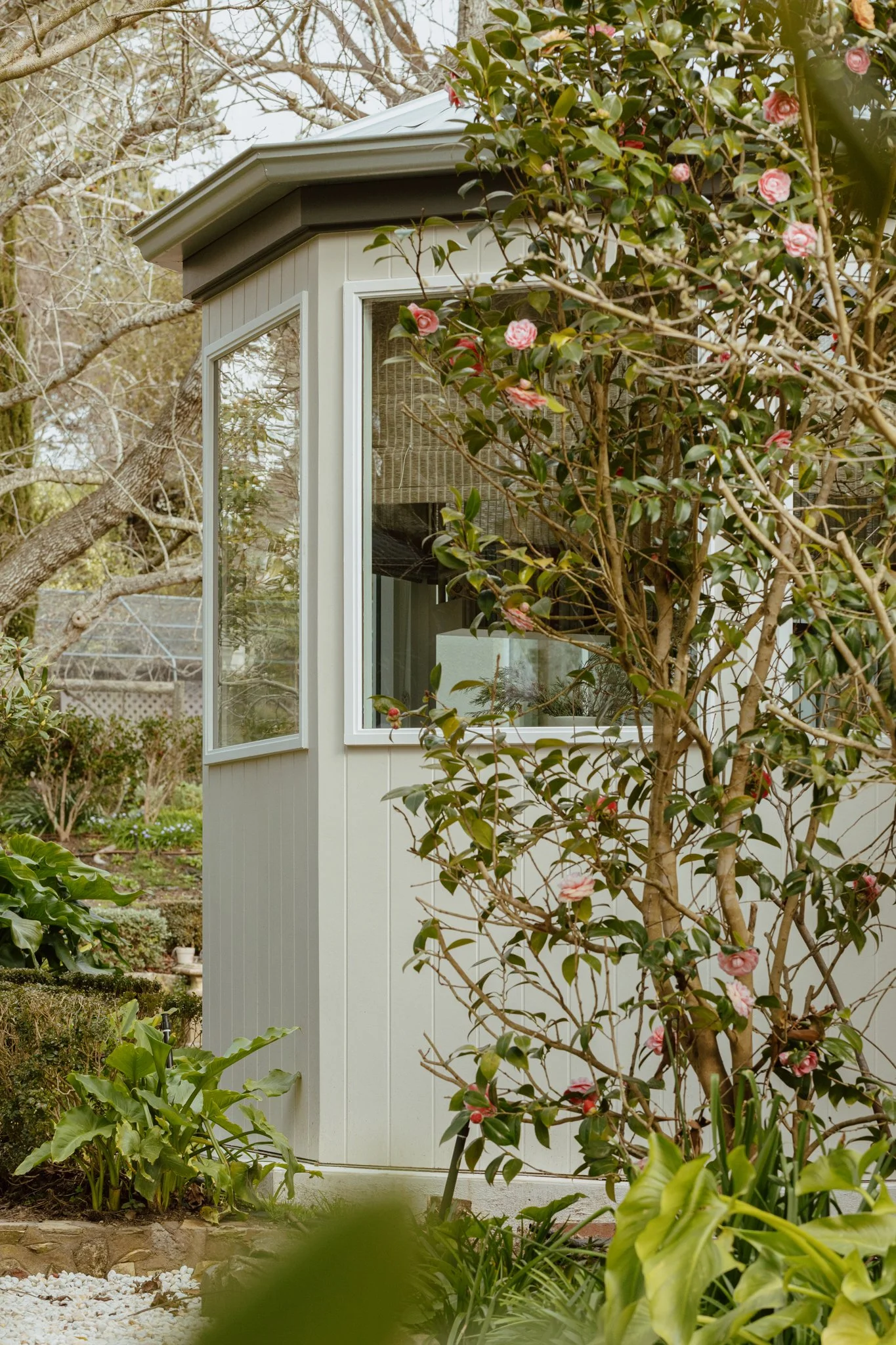
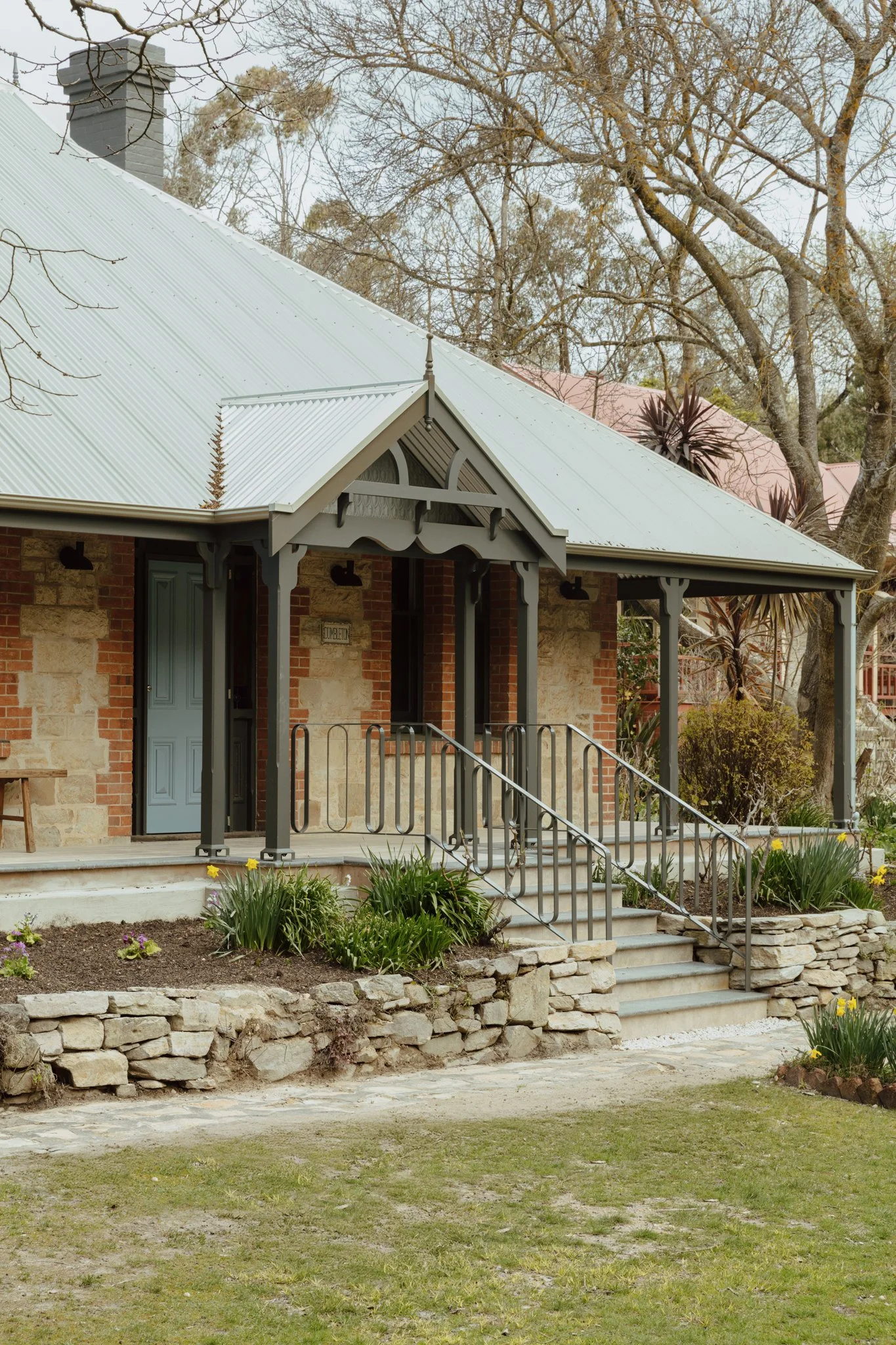
Set within the leafy surrounds of the Adelaide Hills, Aldgate House by Fabrikate is a careful reworking of a circa 1915 sandstone villa.
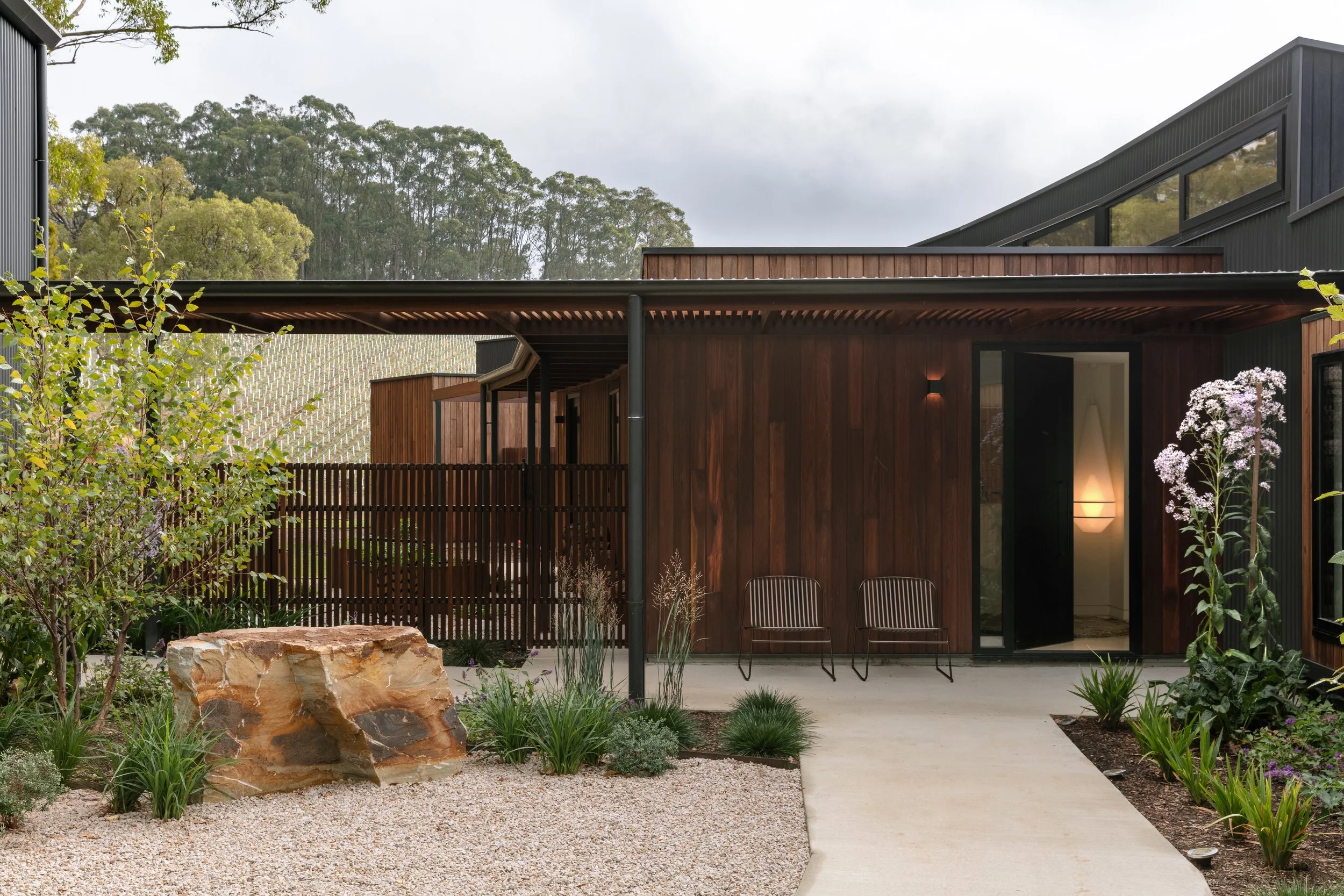
Steeped in history and grounded in its established setting, the home has been renewed through an interior-led approach that brings the original residence and later additions into closer conversation.
Fabrikate’s response is guided by continuity, restraint and personal meaning. Working within the home’s existing footprint, the studio focused on improving how the house supports daily life, while preserving the character that had long defined it. The project does not seek to overwrite the villa’s heritage. It draws from it, using the building’s original structure, the surrounding landscape and the lives of its owners as the foundation for a more resolved interior.
The brief was shaped by the owners’ desire for a home that felt generous, functional and deeply personal without adding unnecessary volume. Their lives, marked by travel, collecting and a strong connection to hospitality spaces, became central to the design narrative. Fabrikate began by studying the artworks, furniture and objects that would return to the home, allowing these pieces to inform the palette, material choices and mood of each room.
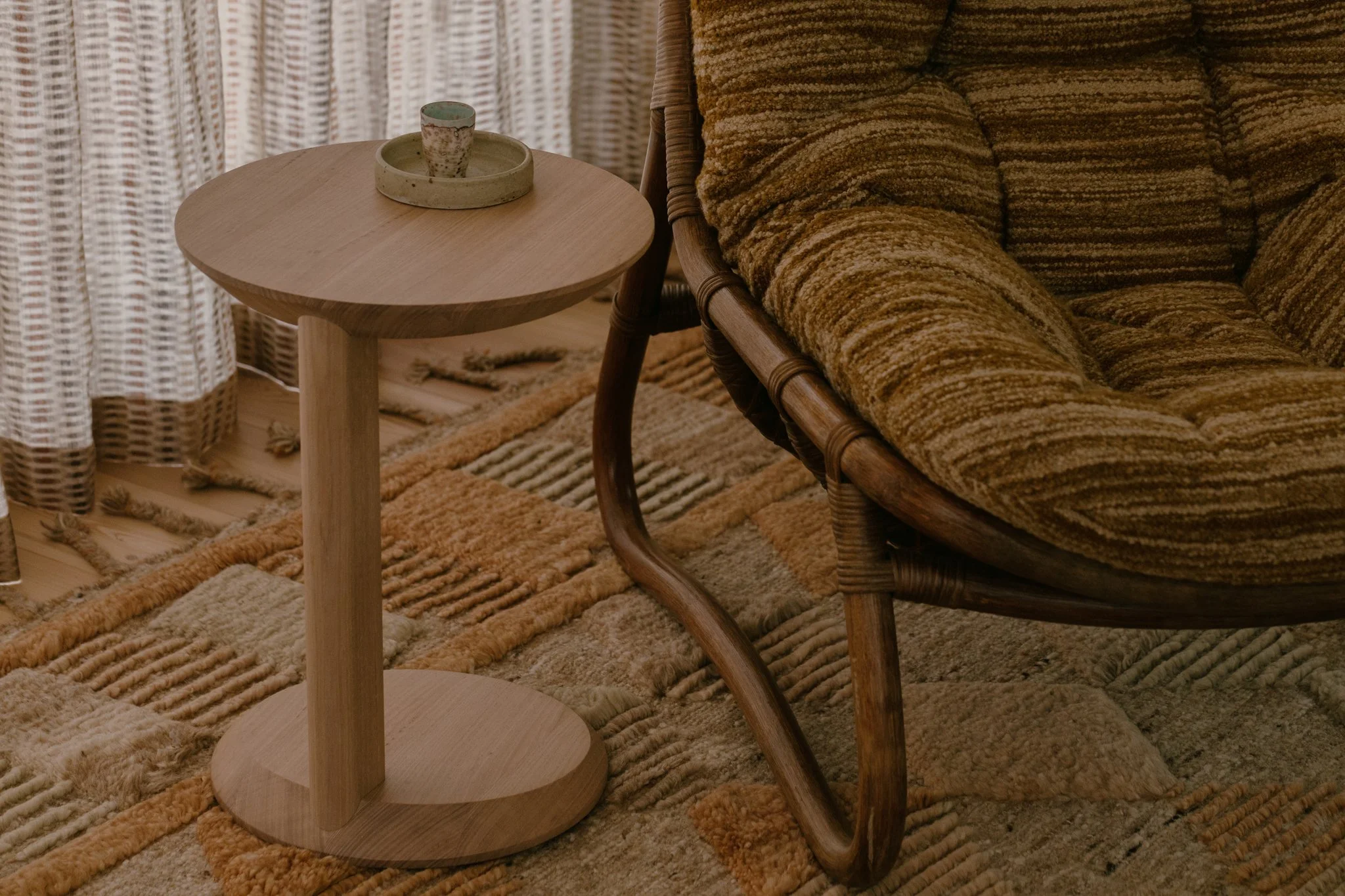
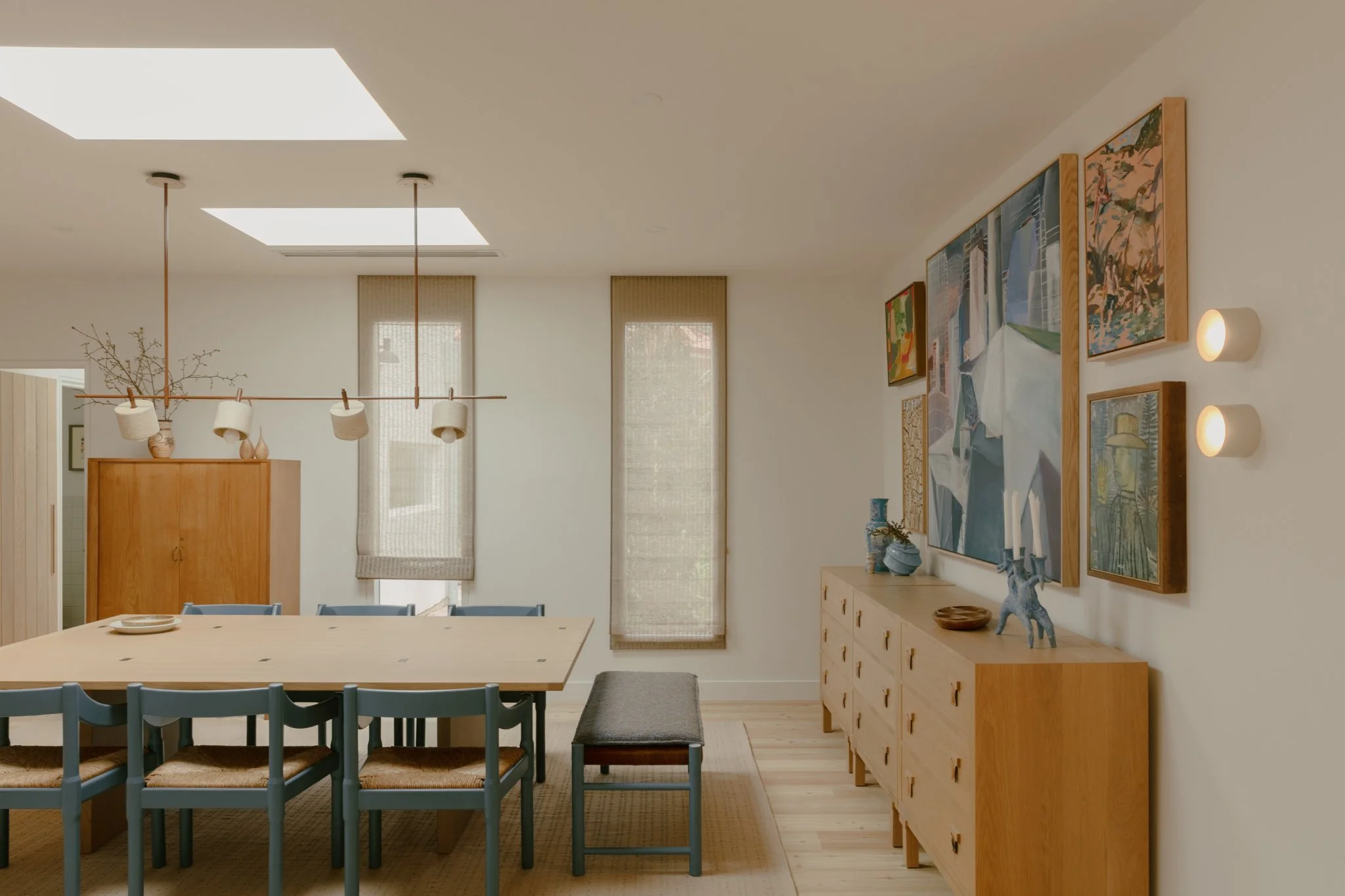
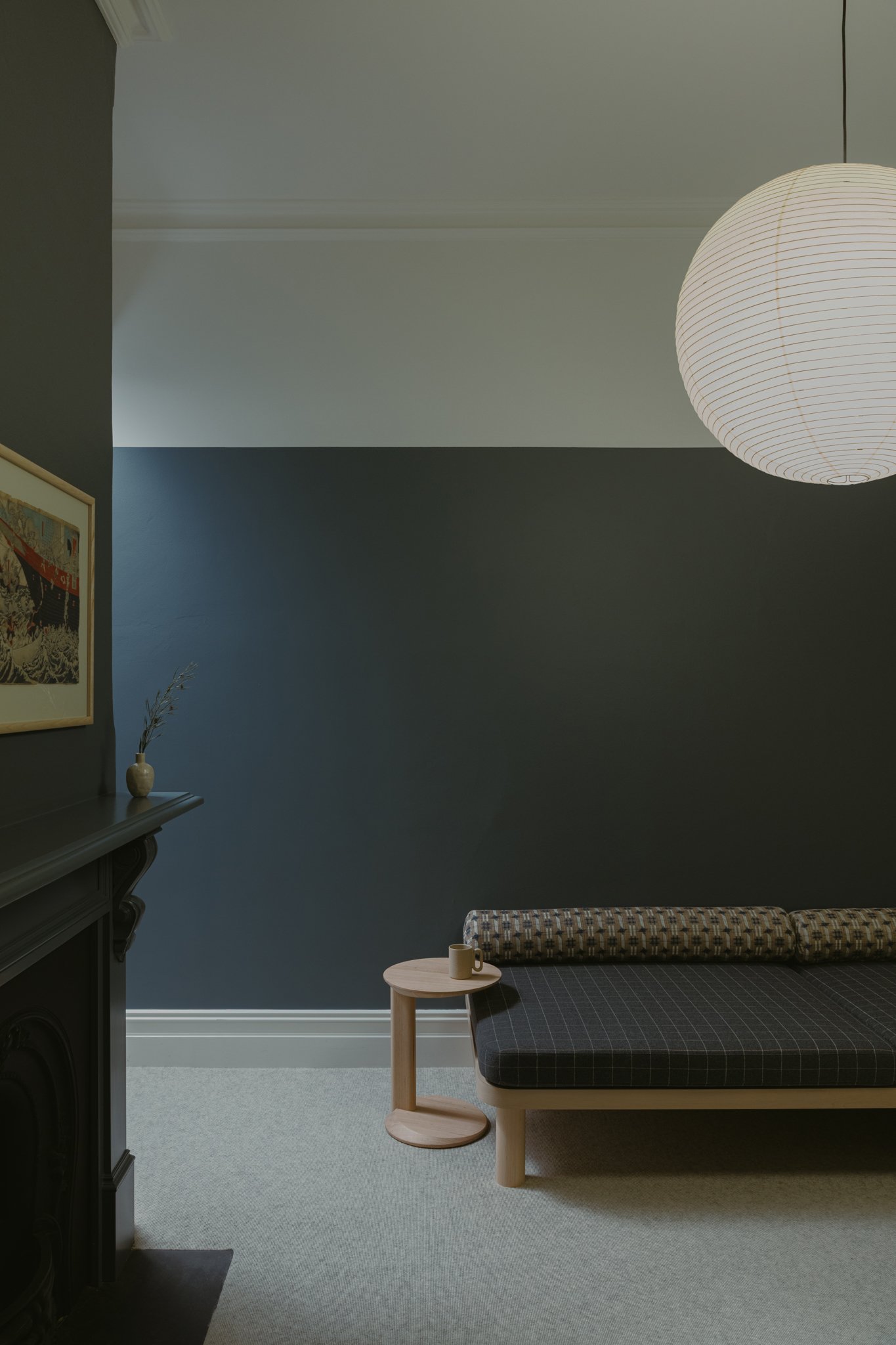
This approach gives Aldgate House a sense of layered authorship. Existing furniture and collected objects became key references for the design, carrying their colours, forms and histories into the renewed interior. New pieces were then selected to support the home’s evolving character. Across the rooms, a calm base allows more individual moments to emerge through texture, colour and detail.
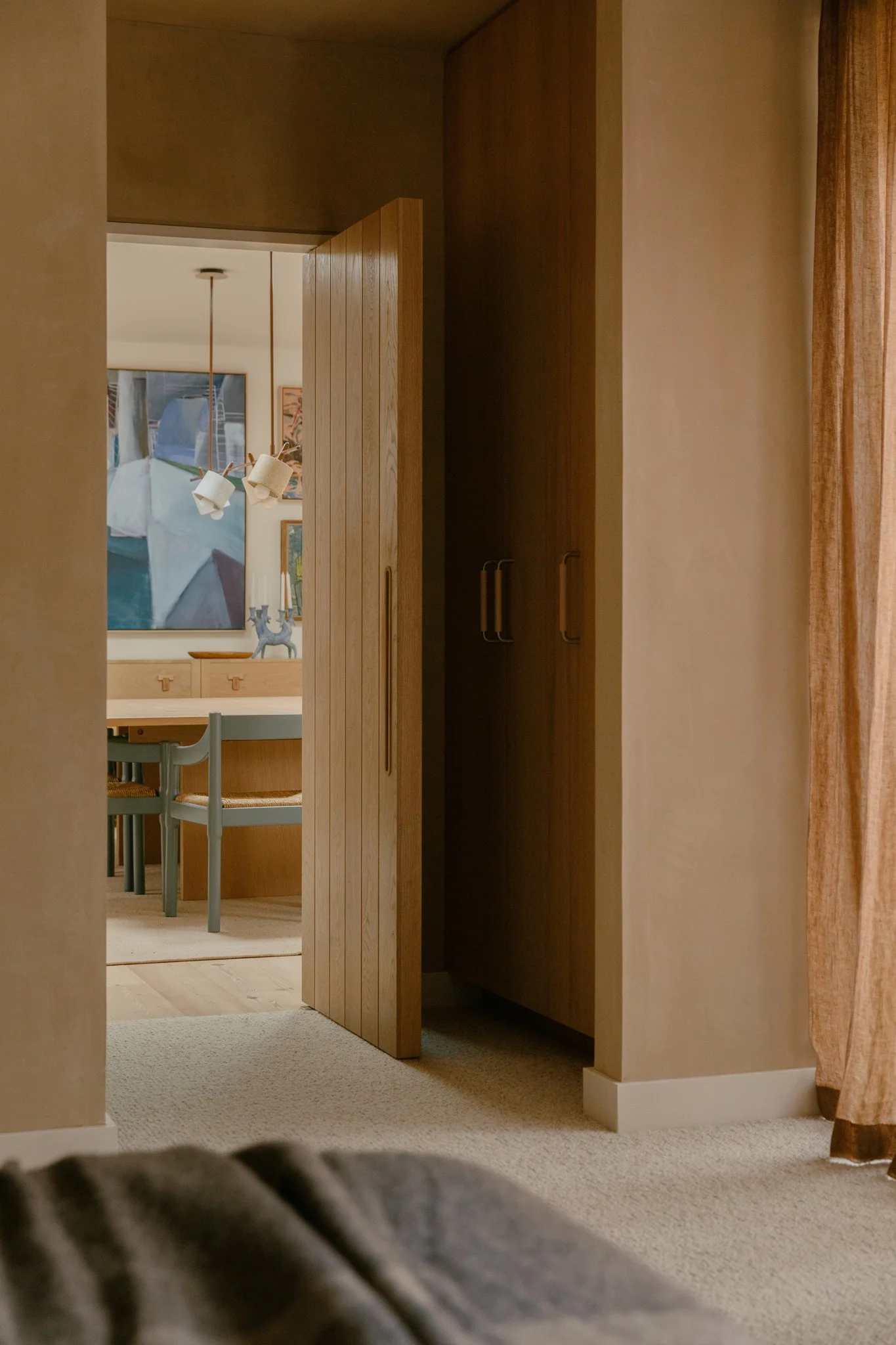
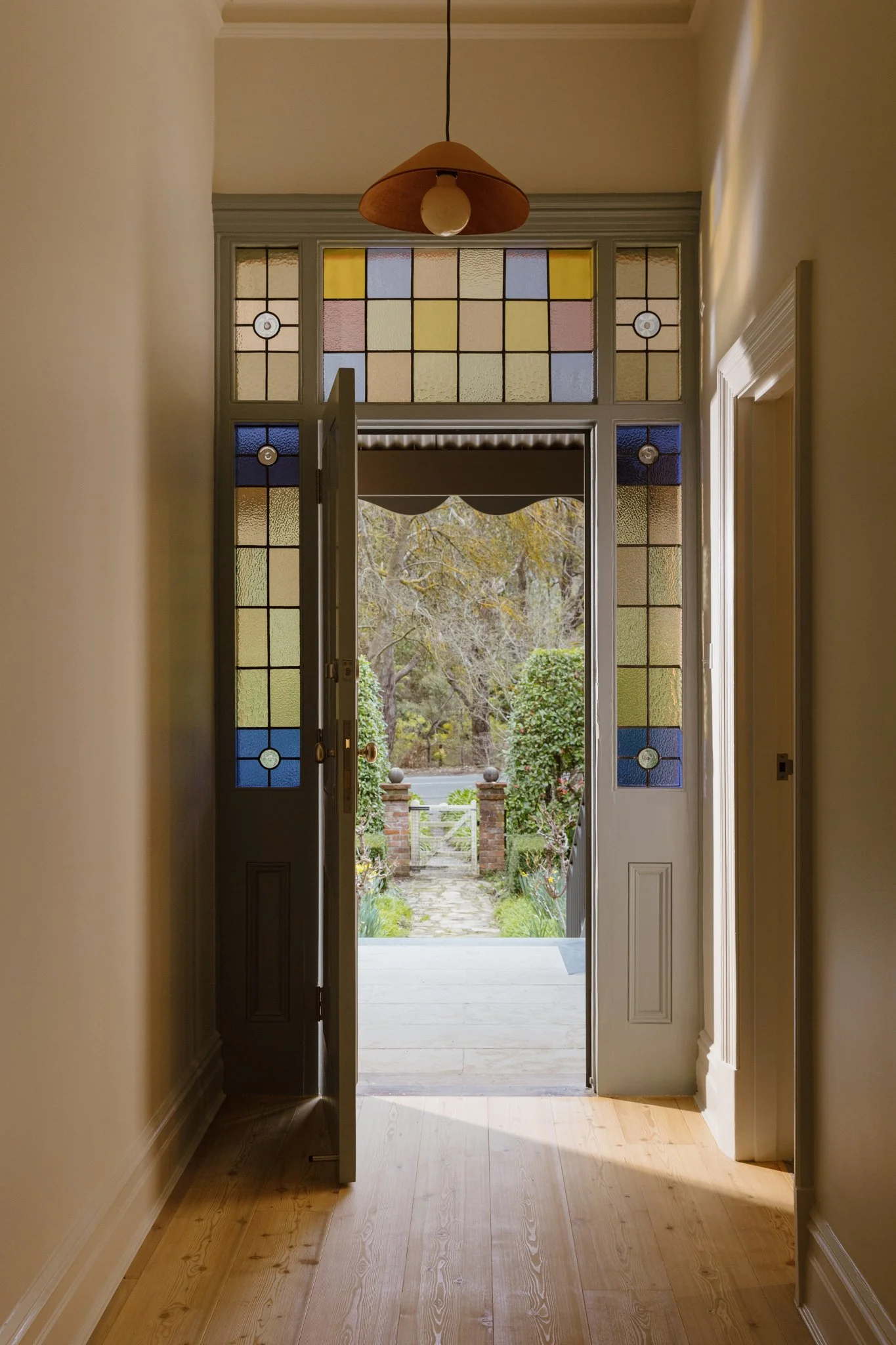
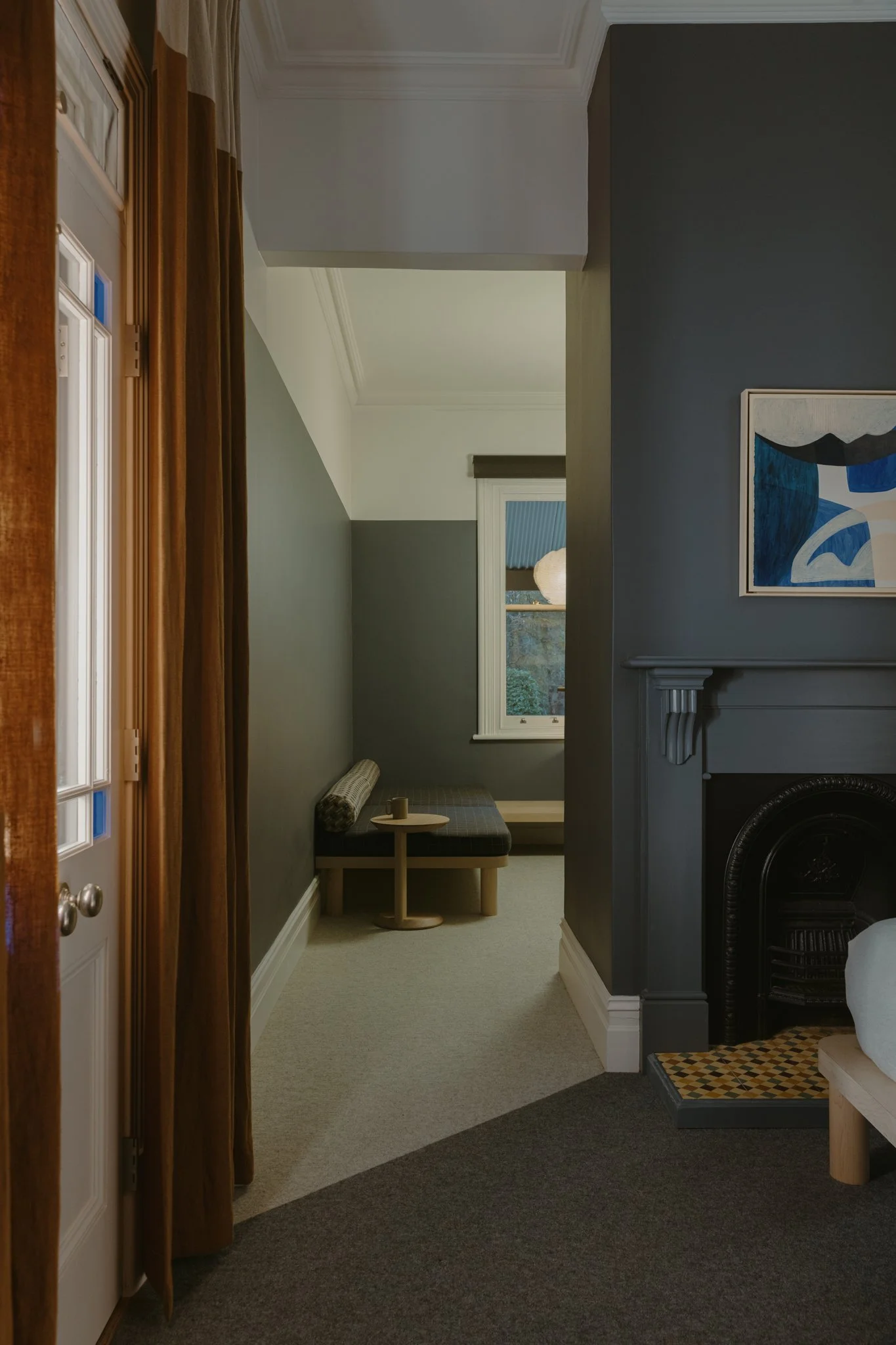
The reworking of the plan brings greater ease to how the home is experienced. The original long hallway, a defining feature of the villa typology, has been softened through subtle spatial edits. Movement now feels more intuitive, with clearer distinctions between shared and private zones. Thresholds have been carefully handled to create moments of pause, compression and release, bringing intimacy to the interior without reducing its openness.
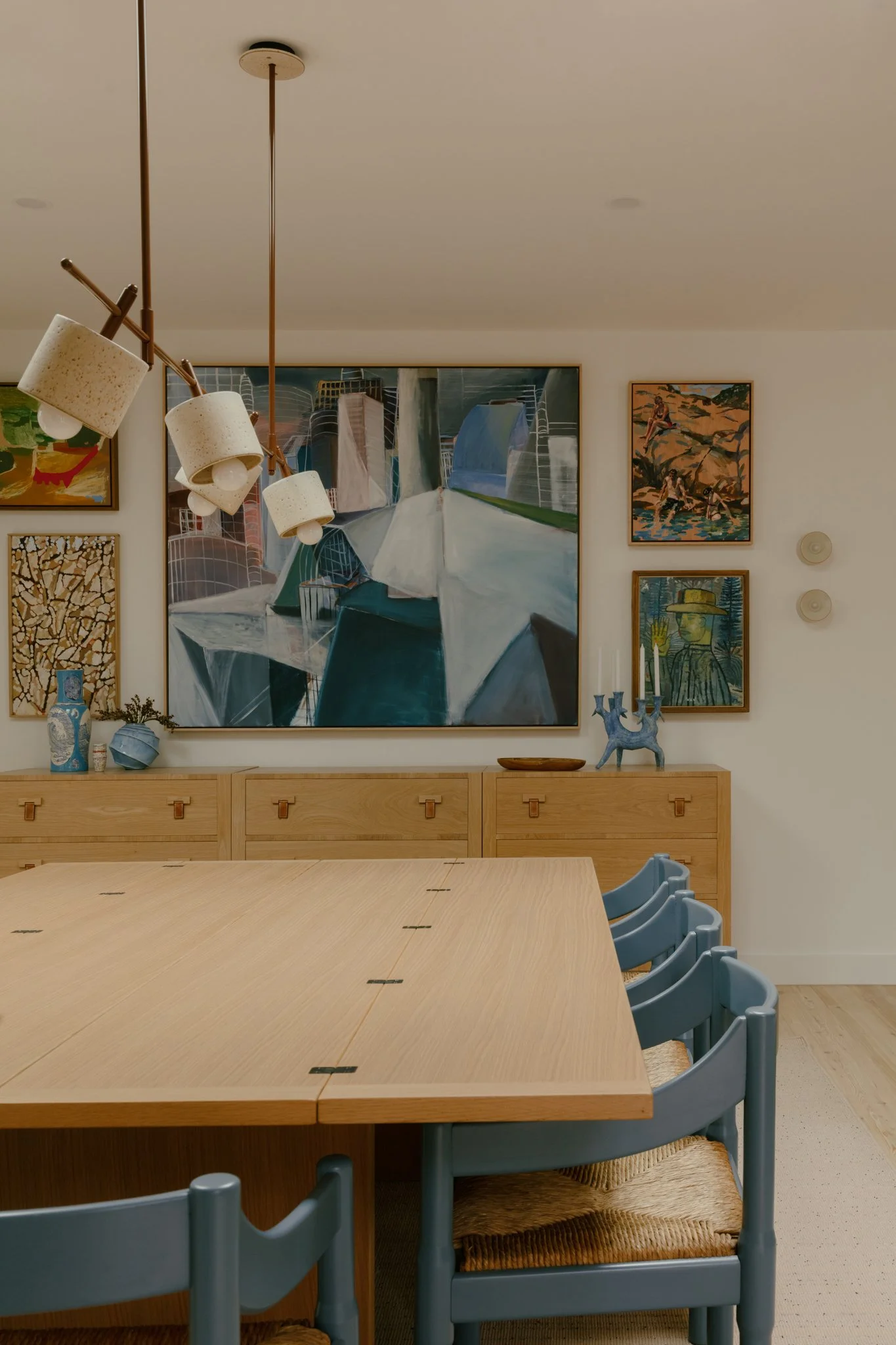
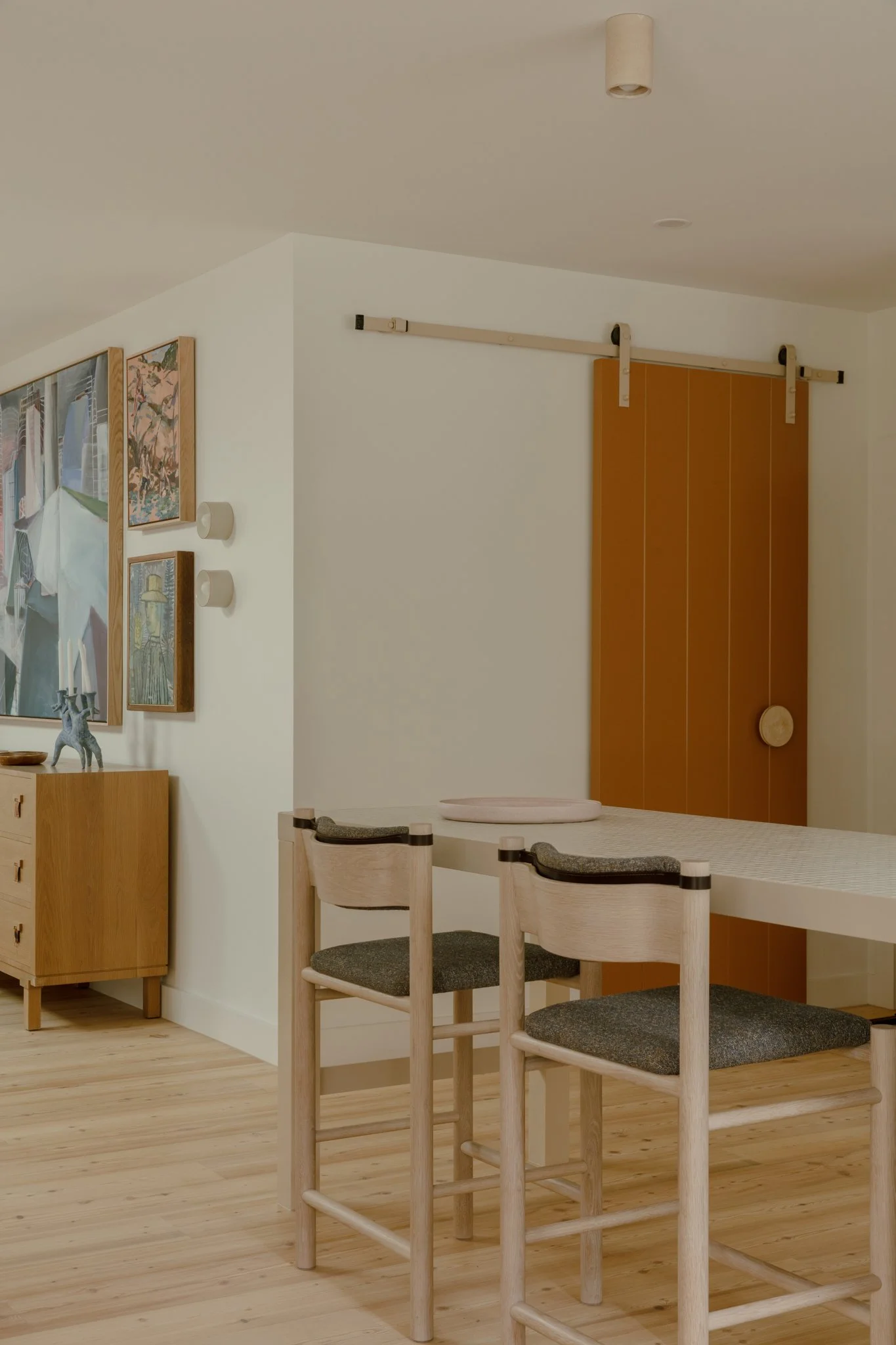
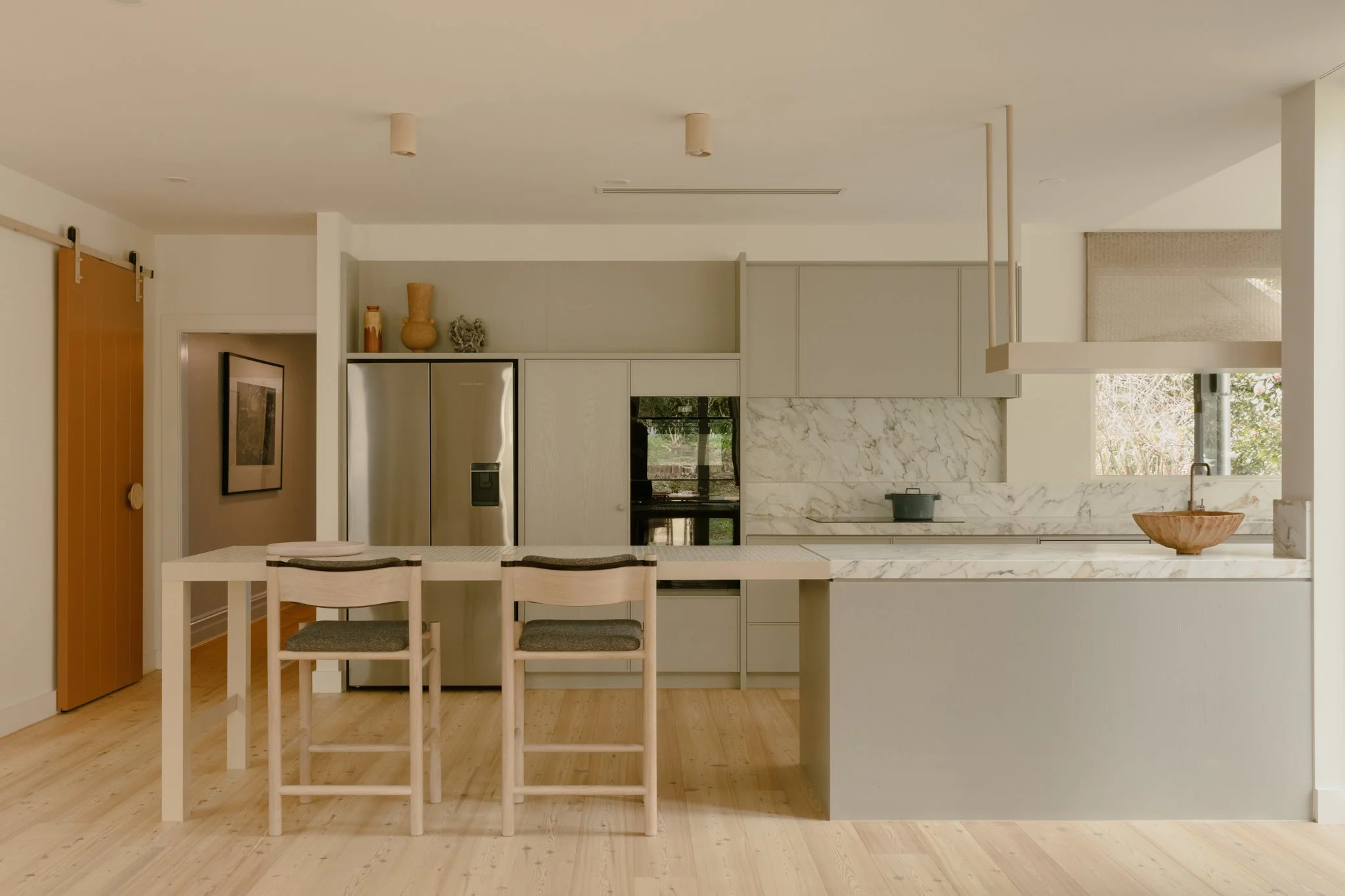
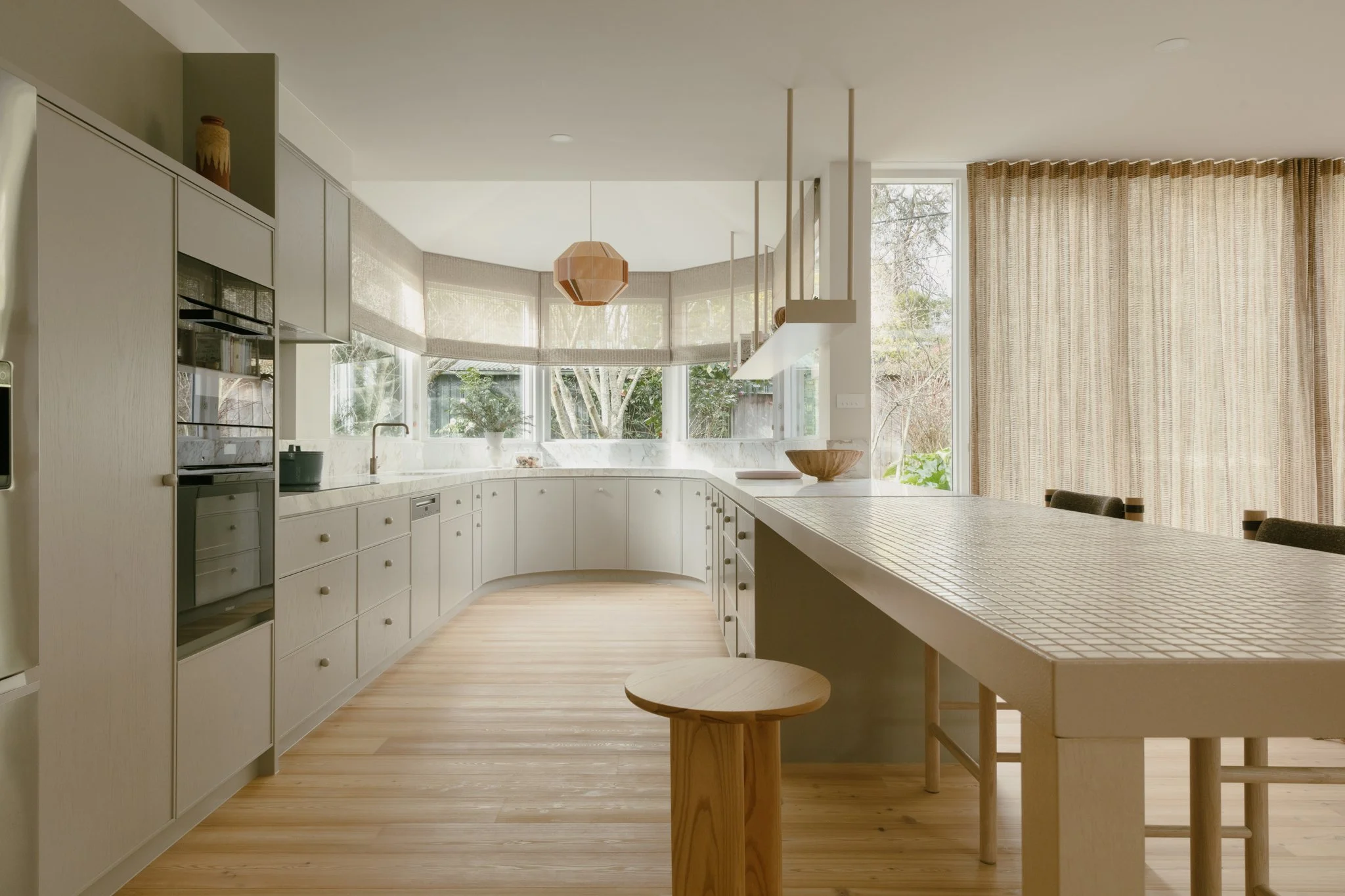
At the heart of the home, the kitchen has been reimagined as a social anchor. Generous in proportion and defined by curved joinery, it supports cooking, conversation and gathering as part of the same daily ritual. The kitchen draws light and activity into the centre of the house, shifting its role from a purely functional area to a place of connection.
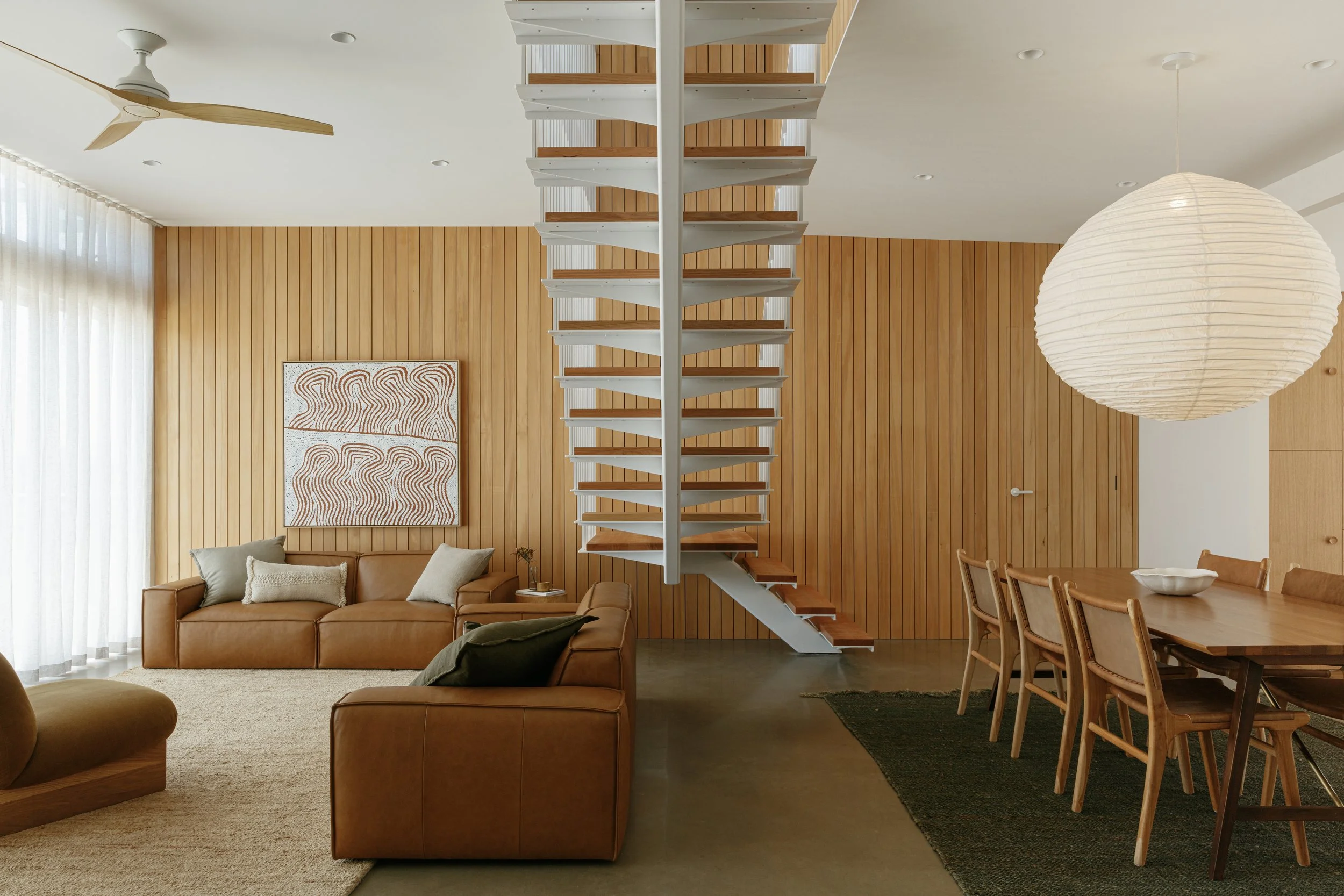
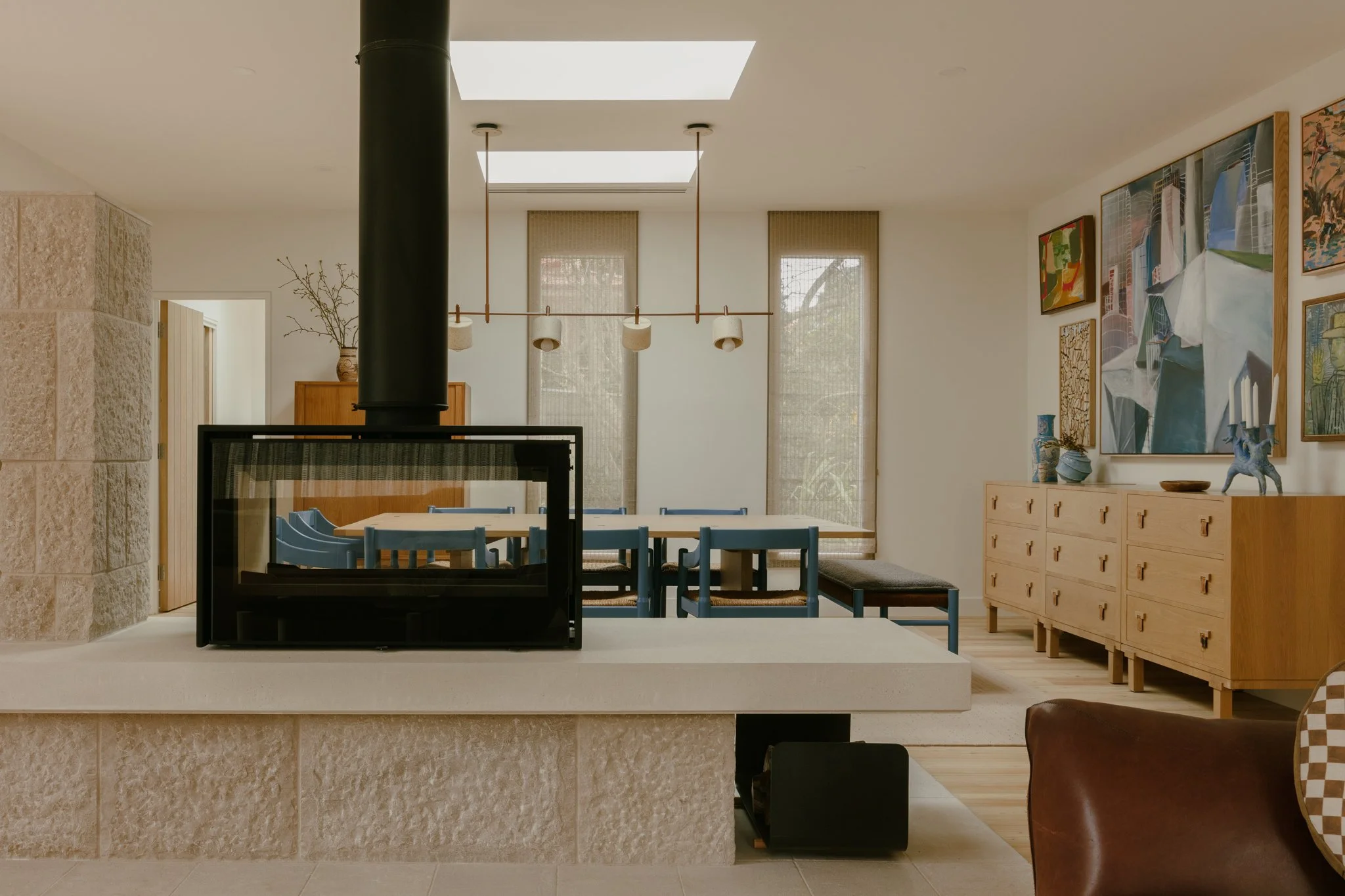
A two-way fireplace further strengthens this sense of openness, dividing the dining and living spaces while keeping them visually linked. It allows the home to maintain distinct rooms while preserving a sense of connection between them. This balance between separation and togetherness is carried throughout the project, giving each area its own atmosphere within a consistent architectural language.
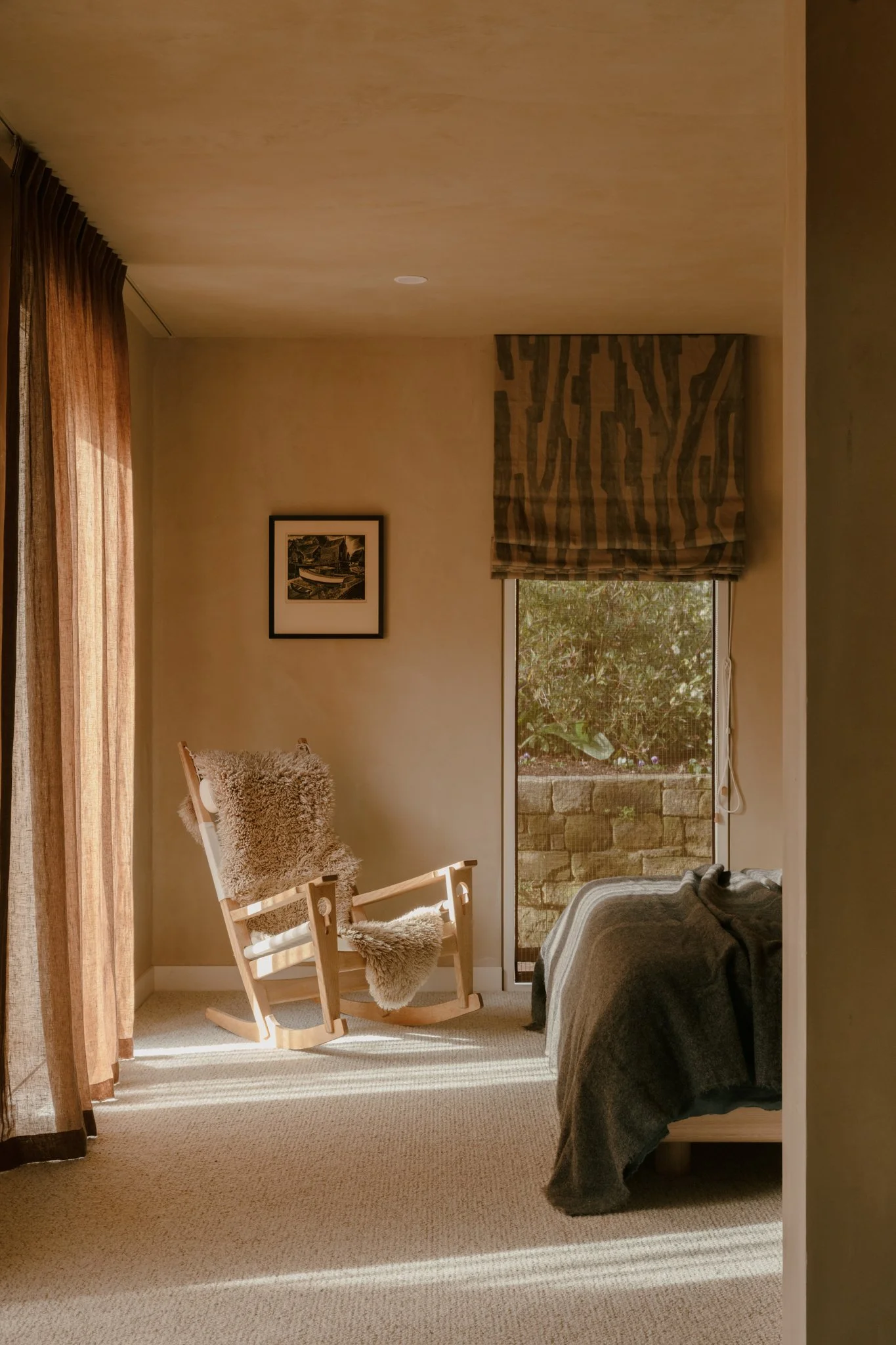
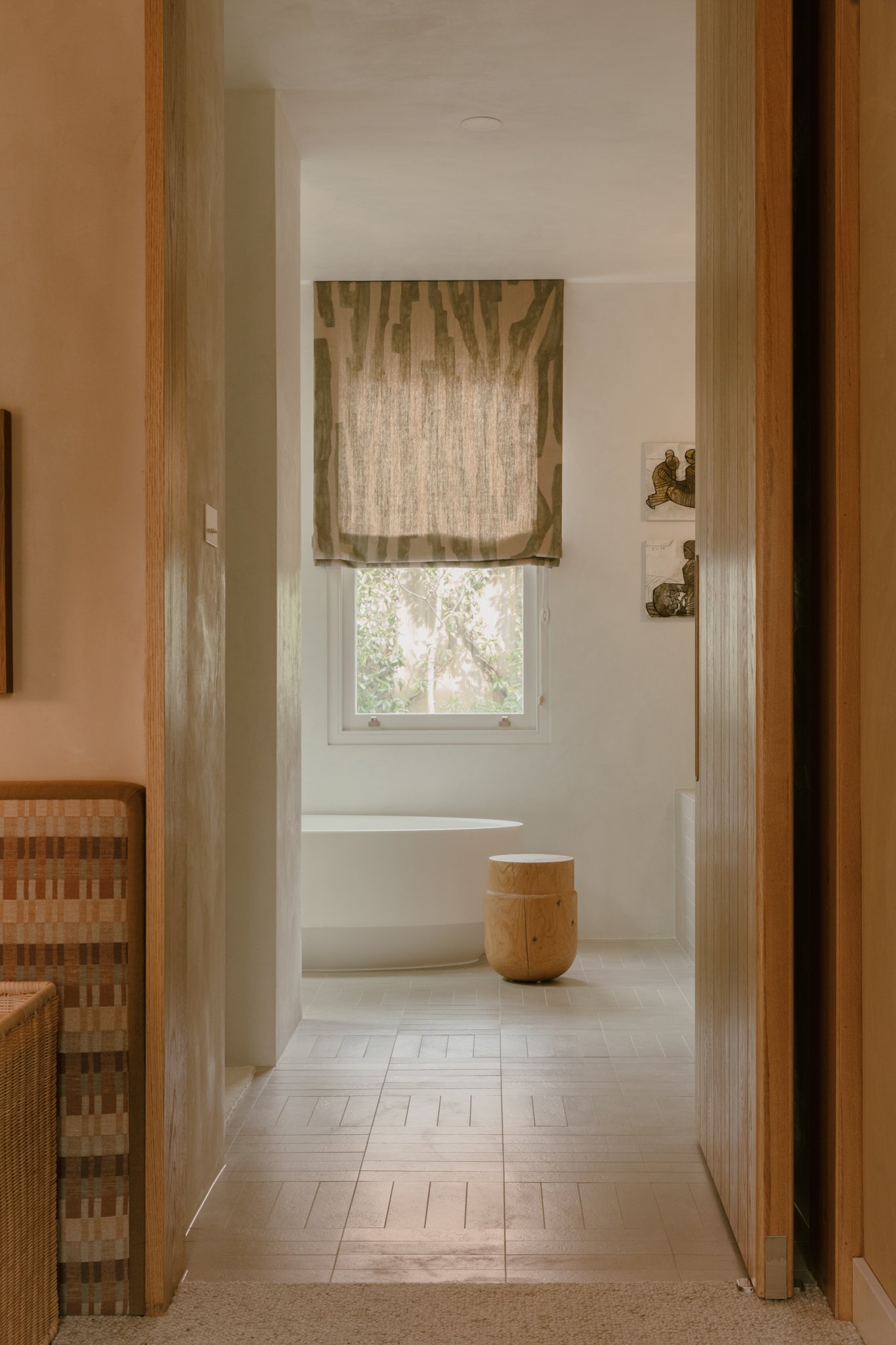
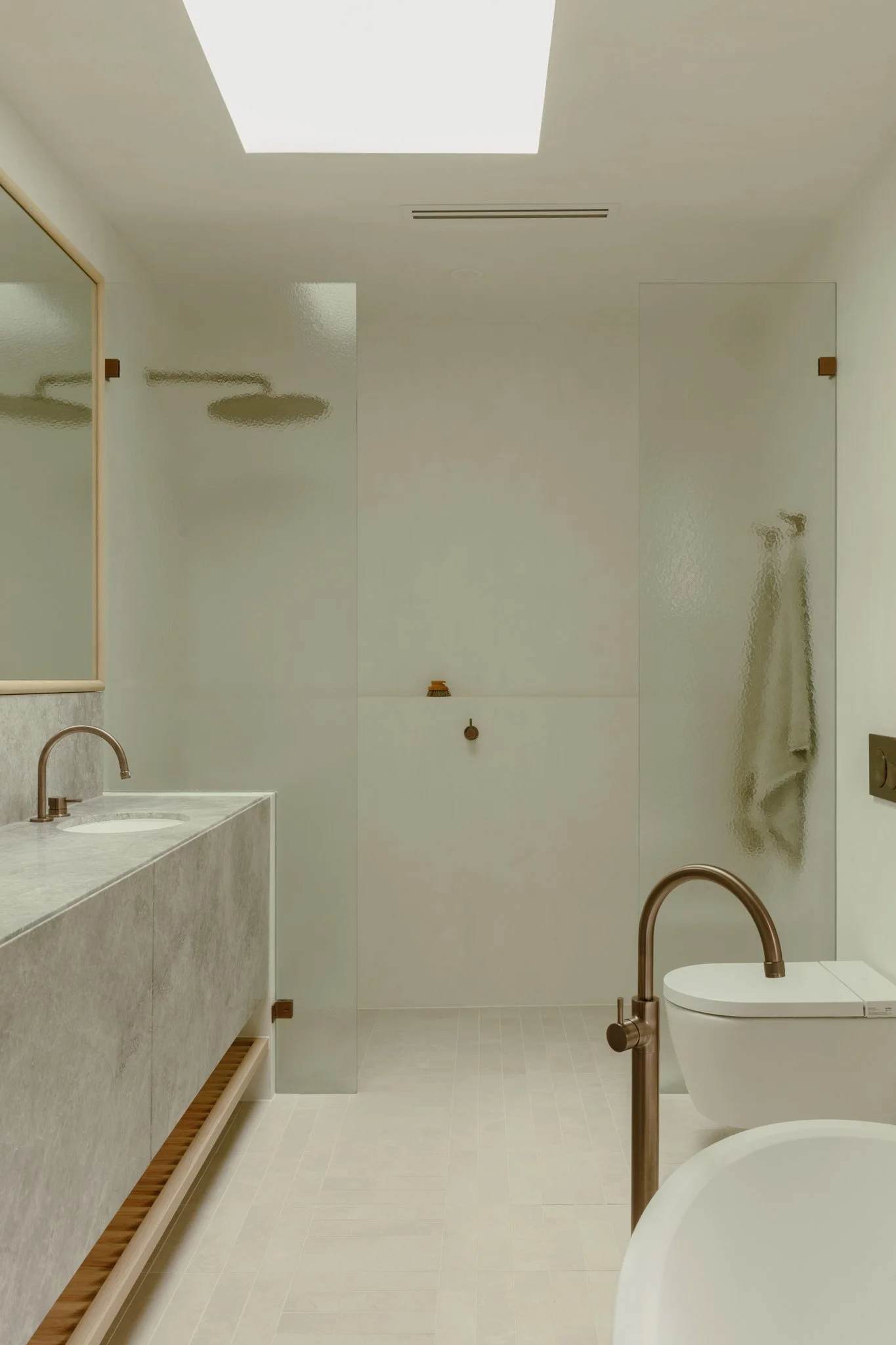
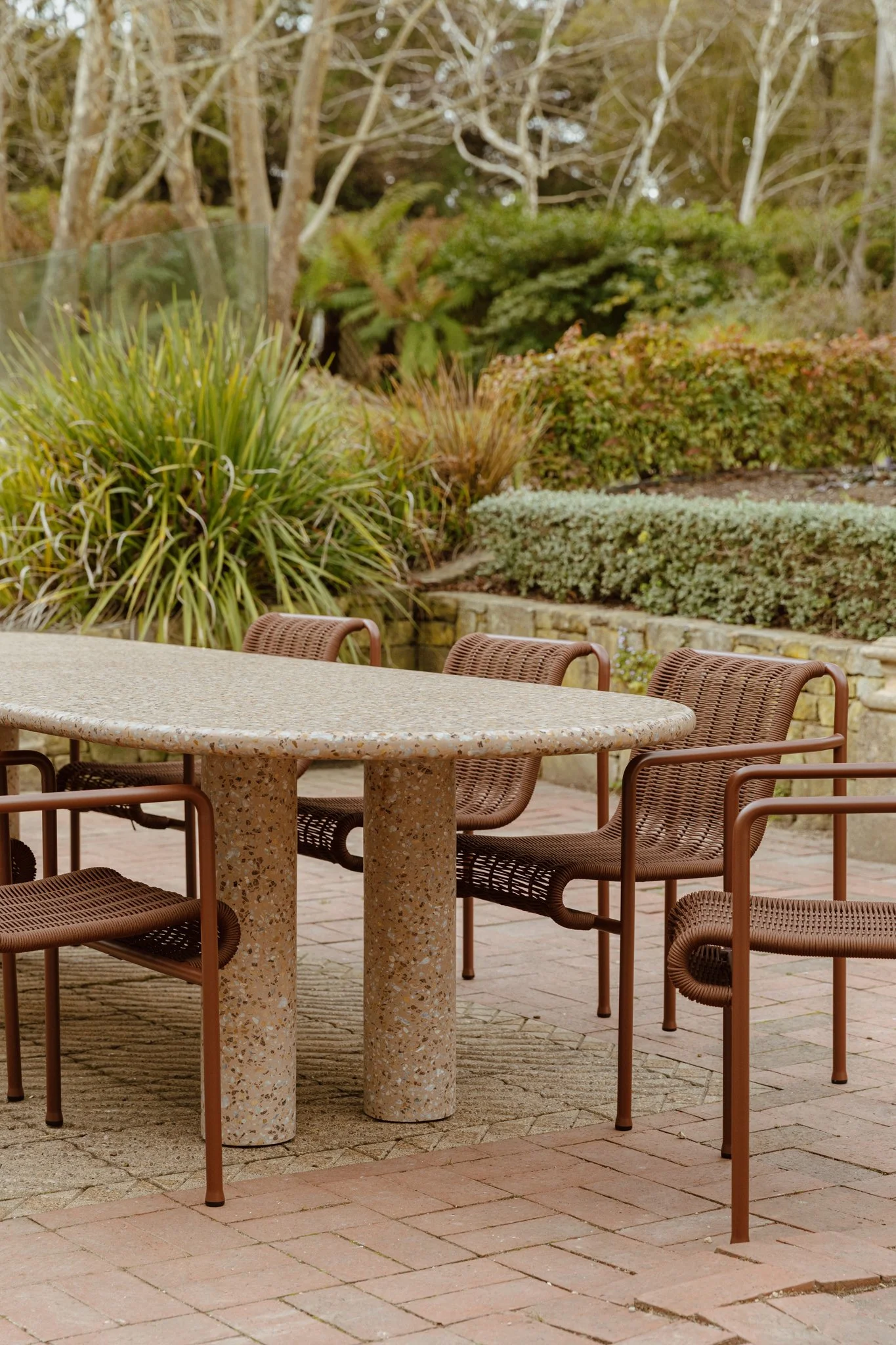
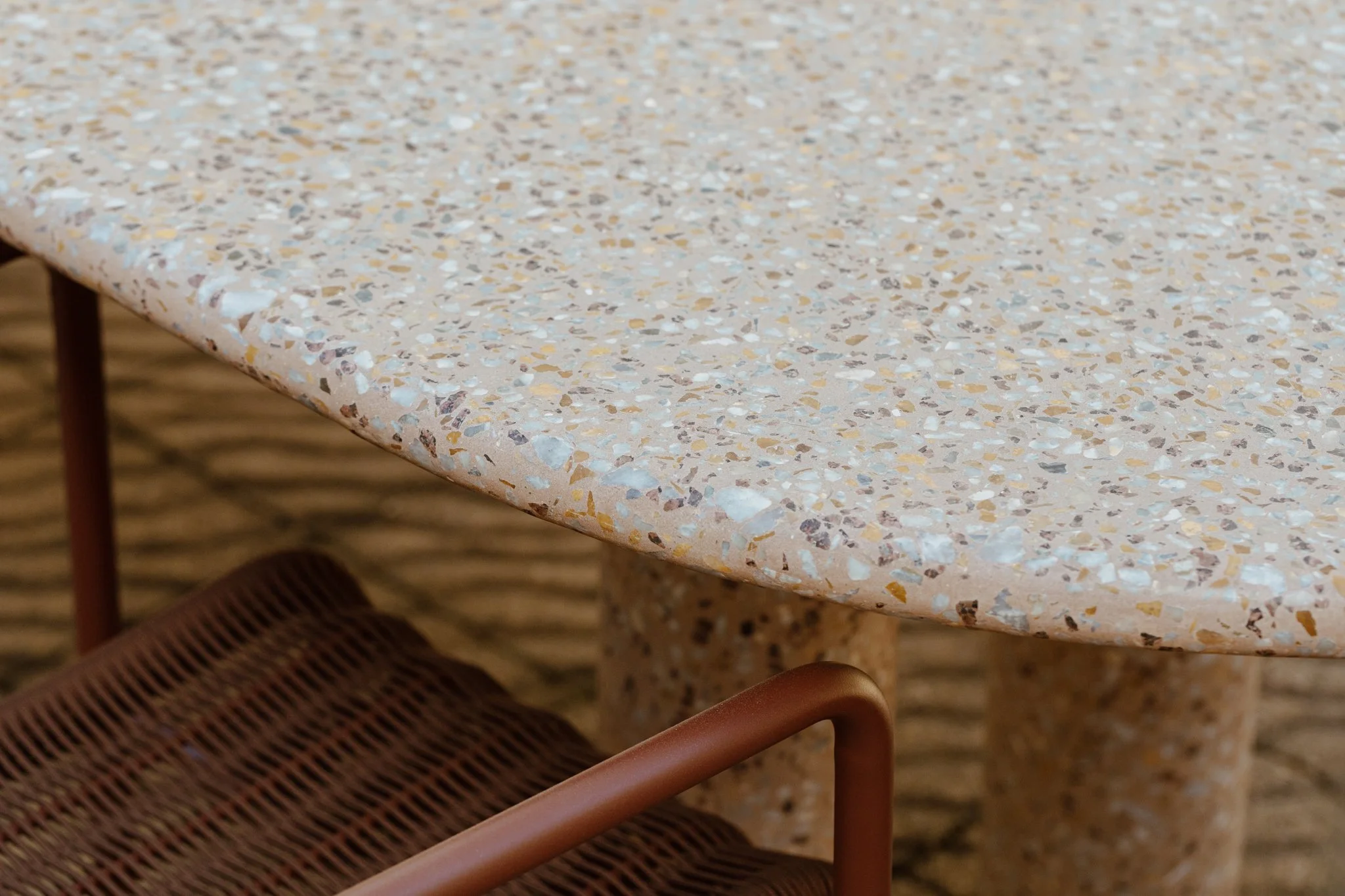
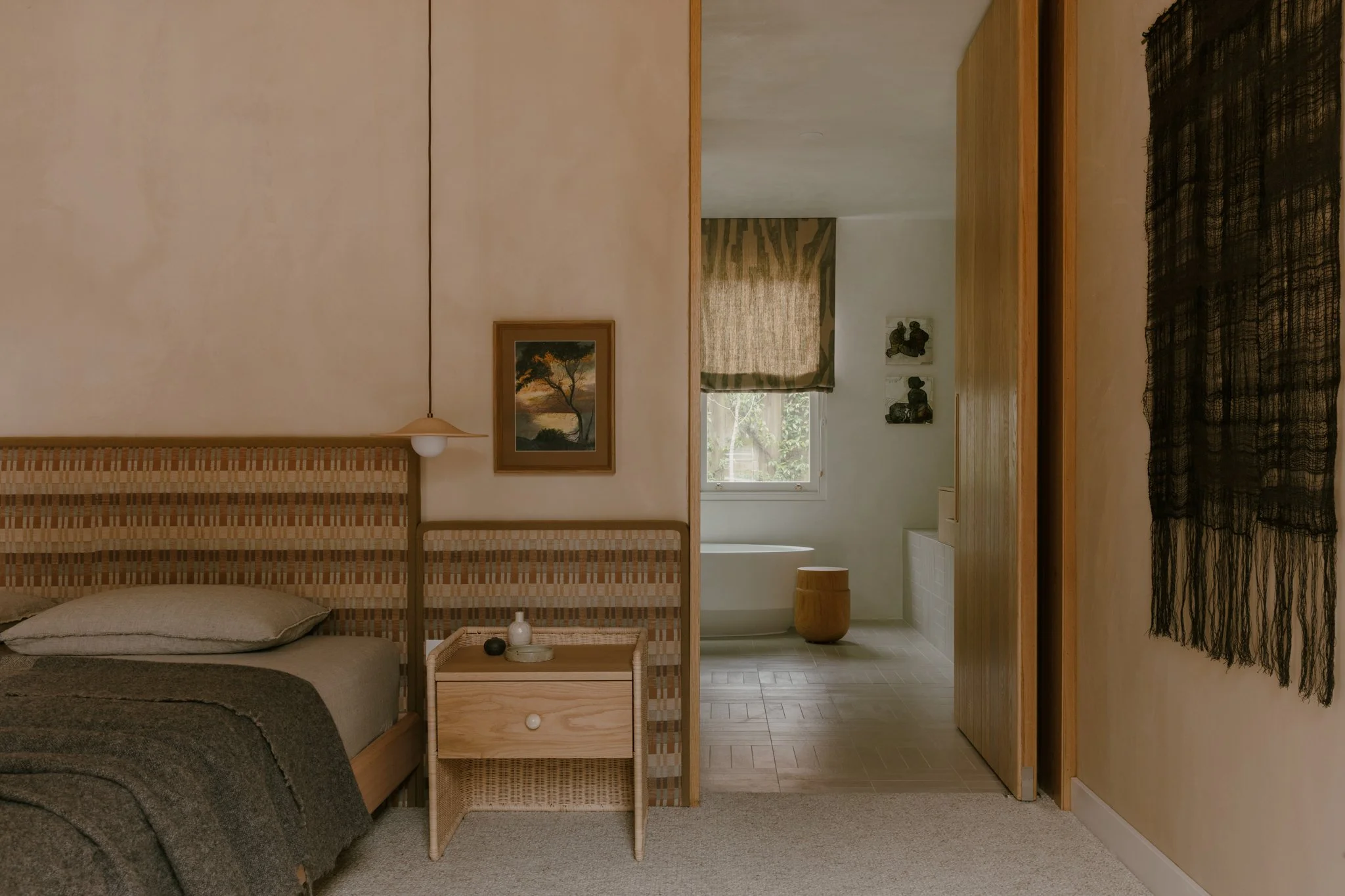
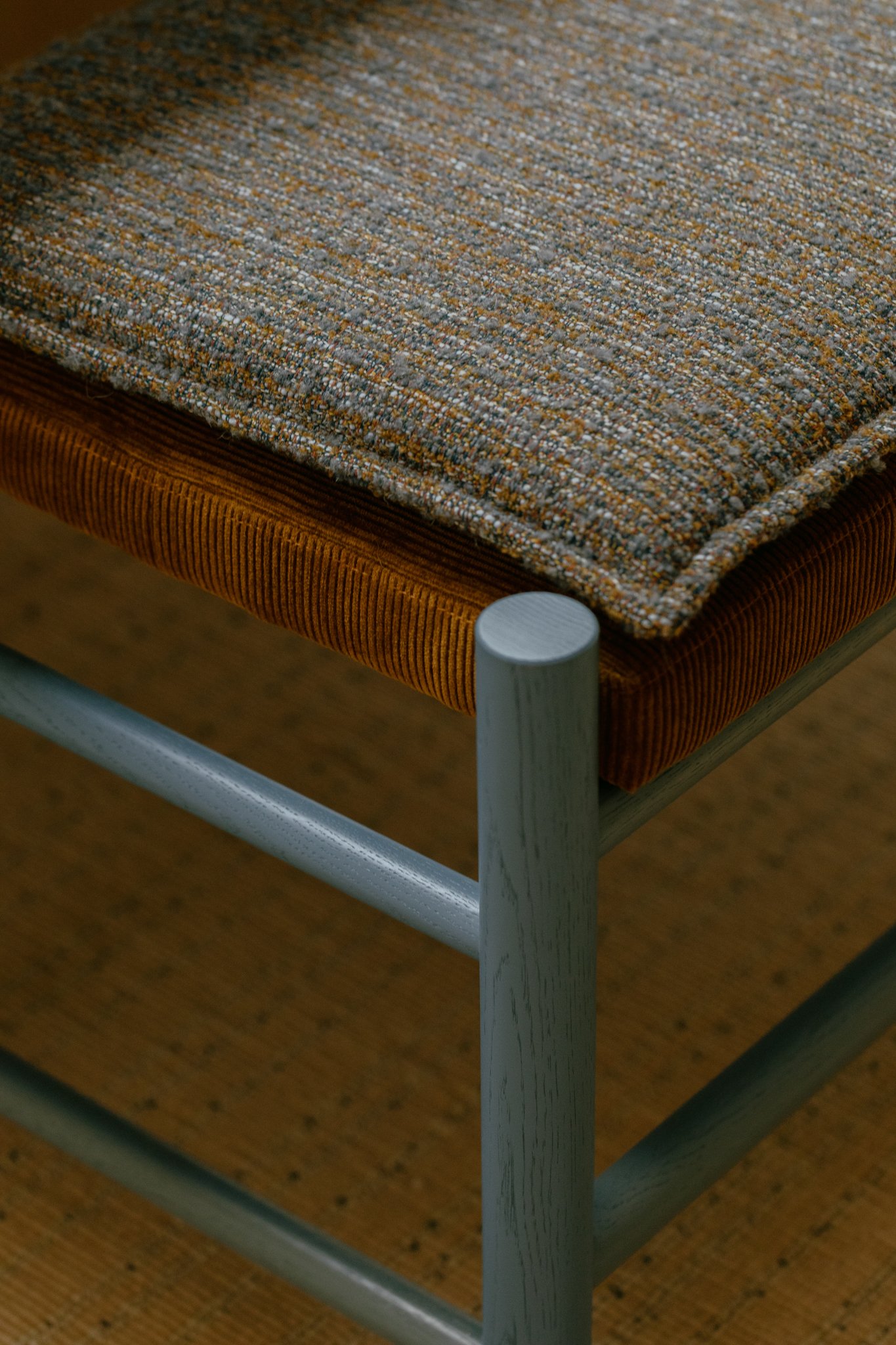
Material choices deepen the home’s warmth, tactility and sense of longevity. Natural finishes, custom joinery and layered textiles bring richness to the sandstone villa. Larch flooring softens the interior underfoot, while breathable wall finishes, low-VOC materials and natural selections support comfort and wellbeing. These choices allow the house to feel grounded, healthy and enduring.
Colour is used with restraint and quiet confidence. A serene foundation gives the interiors clarity, while accents drawn from the owners’ collections introduce moments of play and individuality. The wet areas, living spaces and master suite have all been revived with this balance in mind, ensuring each room feels connected to the wider home while maintaining its own sense of use and identity.
Aldgate House also carries a strong sense of return. Inspired in part by the feeling of beloved hotels encountered through travel, the home is shaped as a destination for its owners through comfort, memory and specificity. Each room is calibrated around personality and ritual, creating spaces that feel lived in and emotionally anchored.