XIJU Teahouse by M-D Design Studio
M-D Design Studio draws on Song Dynasty landscape philosophy to create a secluded tea retreat in Wenzhou
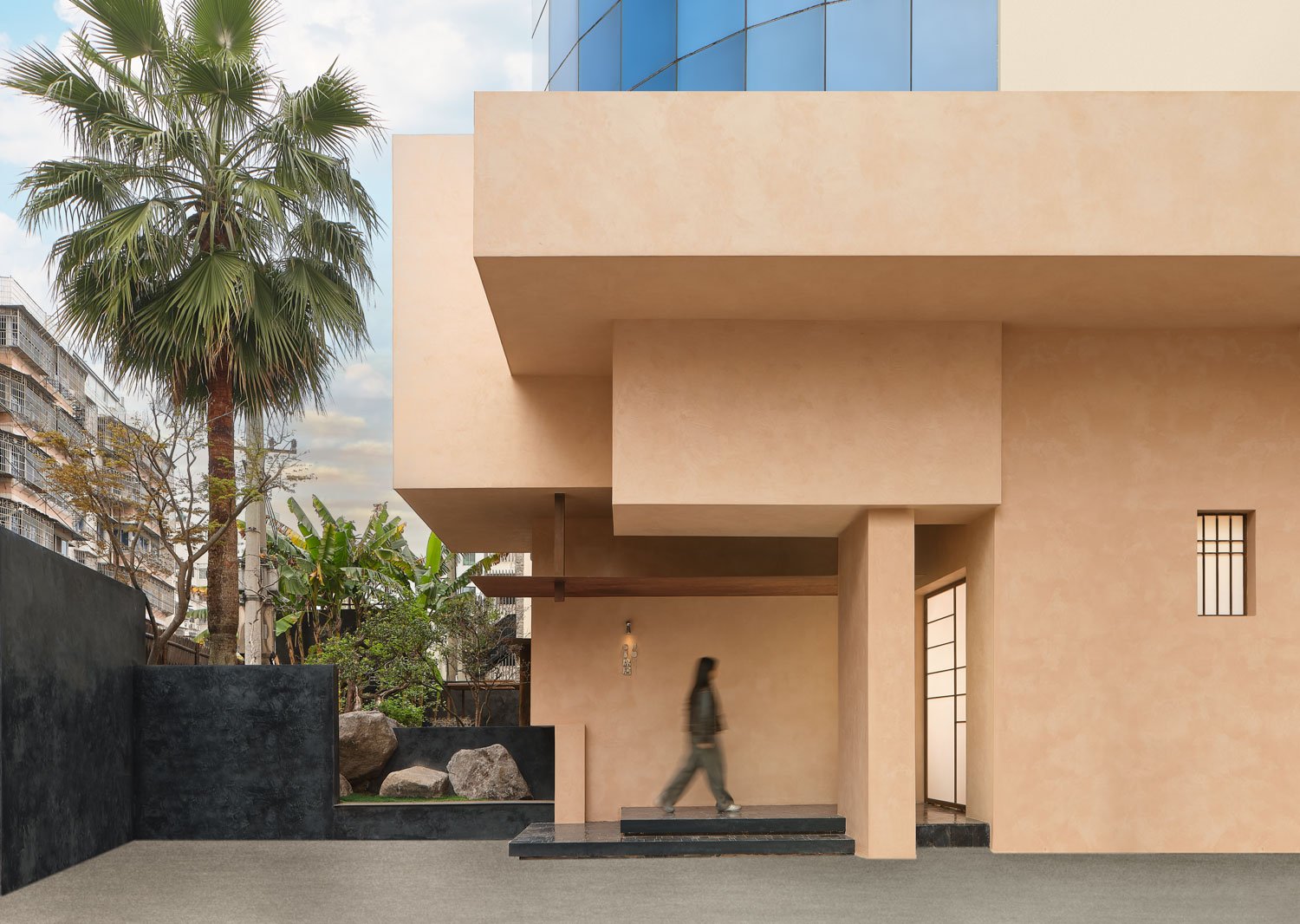
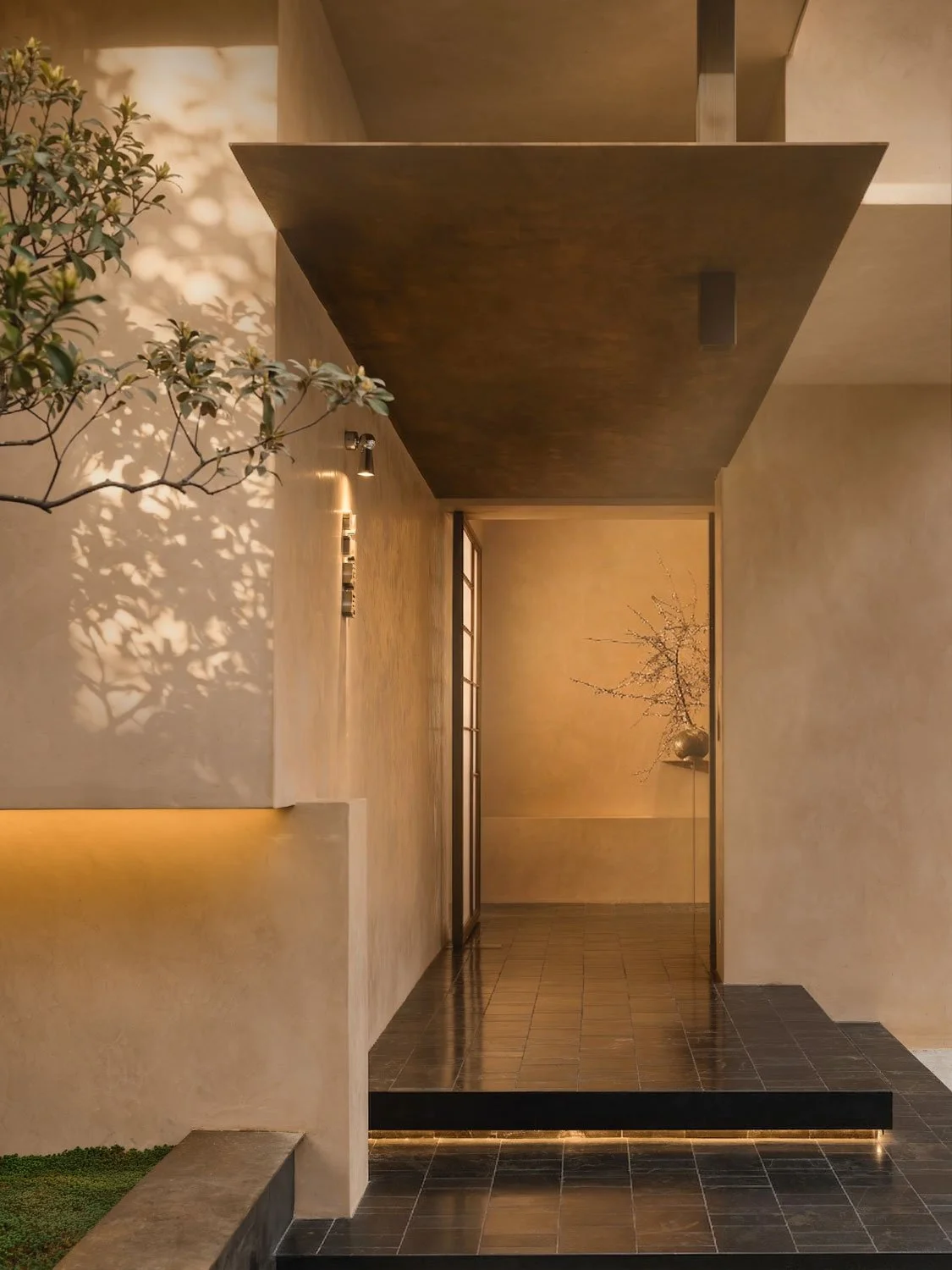
From the street, XIJU Teahouse offers little indication of the gardens within. A sculptural geometric façade screens the surrounding city, establishing a sense of separation before visitors reach the tea rooms. Inside, stone, planting and softened daylight guide the passage through a former street-facing building, recast by M-D Design Studio as an intimate encounter with landscape.
Set within Wenzhou’s dense urban fabric, the project takes its cues from the nearby Nanxi River region and the landscape philosophy of China’s Song Dynasty. A key reference is Linquan Gaozhi, or Lofty Message of Forests and Streams, and its conception of landscapes as places to wander, explore and inhabit. These ideas inform a contemporary setting for tea, expressed through the movement between rooms, the texture of a wall and the placement of a garden.
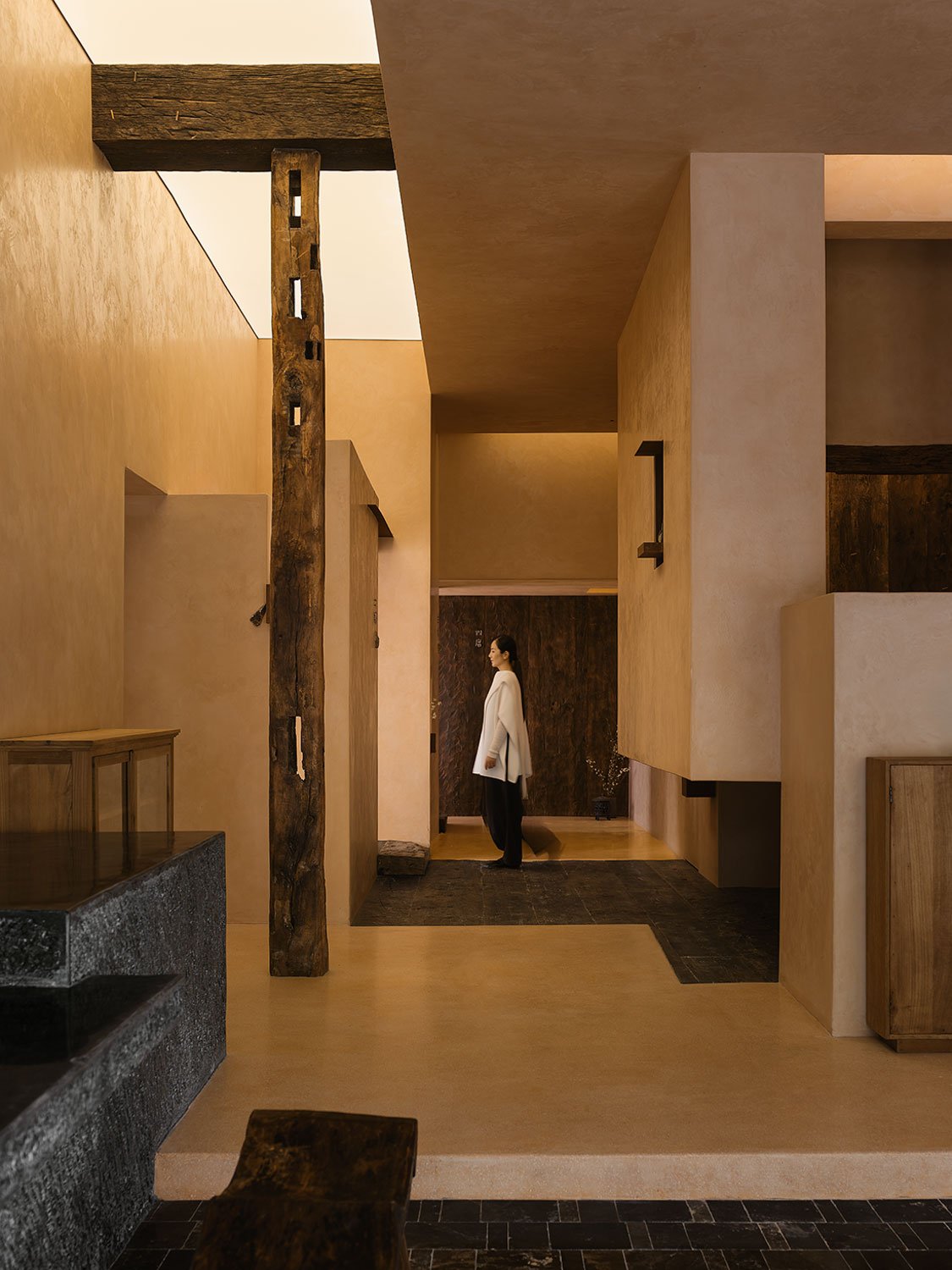
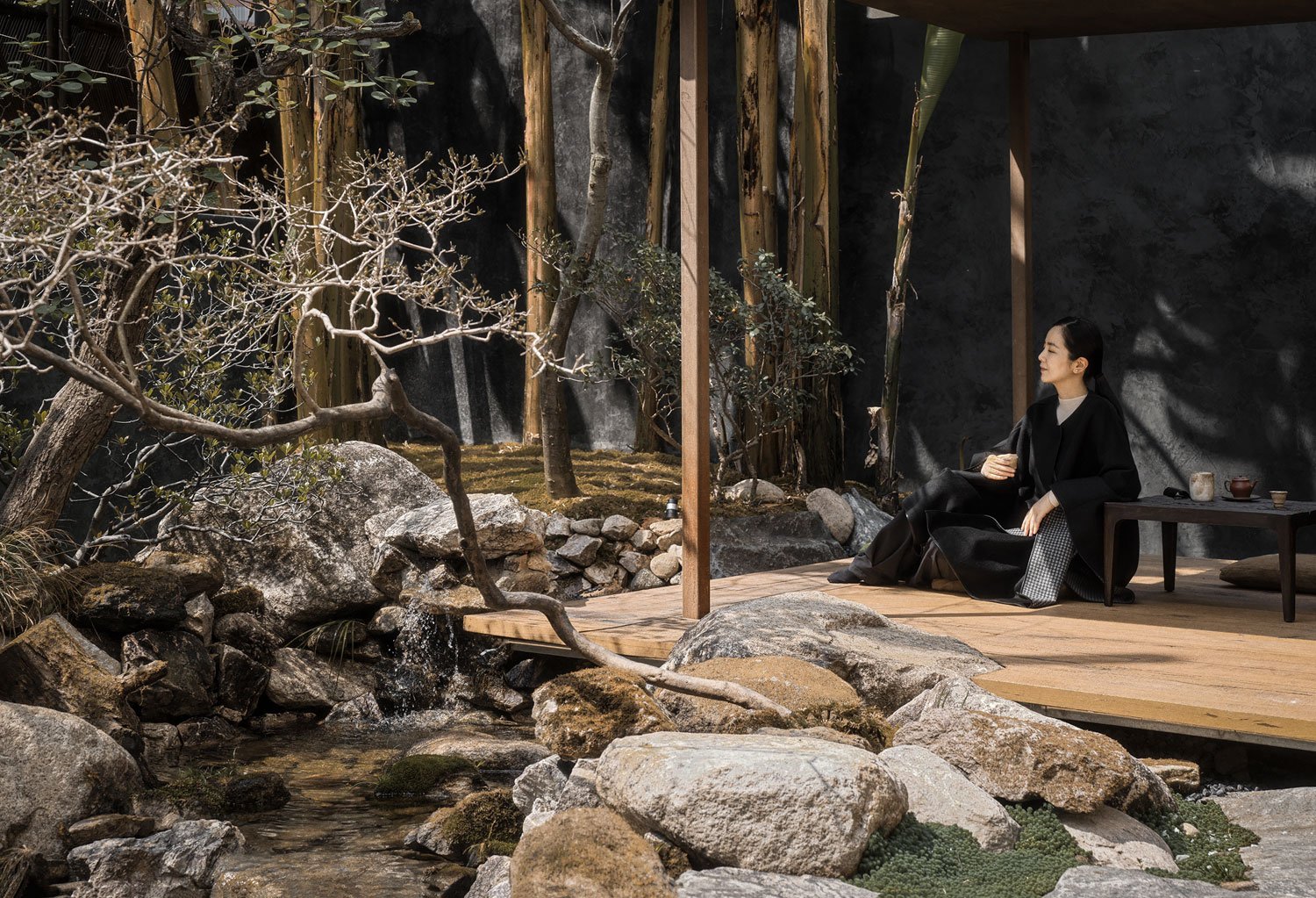
The building’s original lack of privacy became a starting point for the design. Behind the screened frontage, a sequence of walk-through gardens creates a gradual transition from the public street to the sheltered interior. Weathered stones and native vegetation bring the character of the regional landscape into close view. The suggestion of a mountain retreat emerges through this changing sense of enclosure, with each threshold drawing attention away from the city.
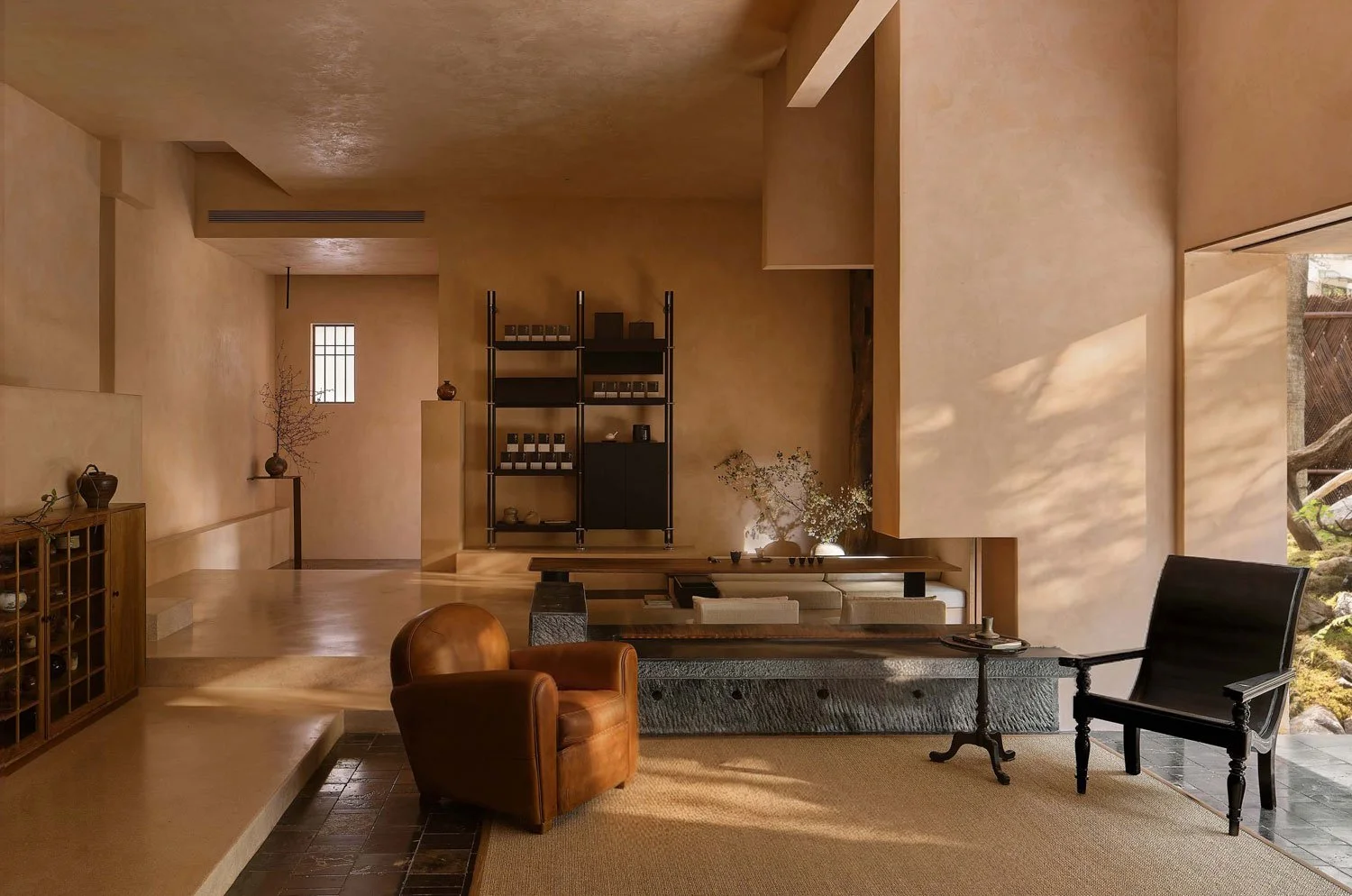
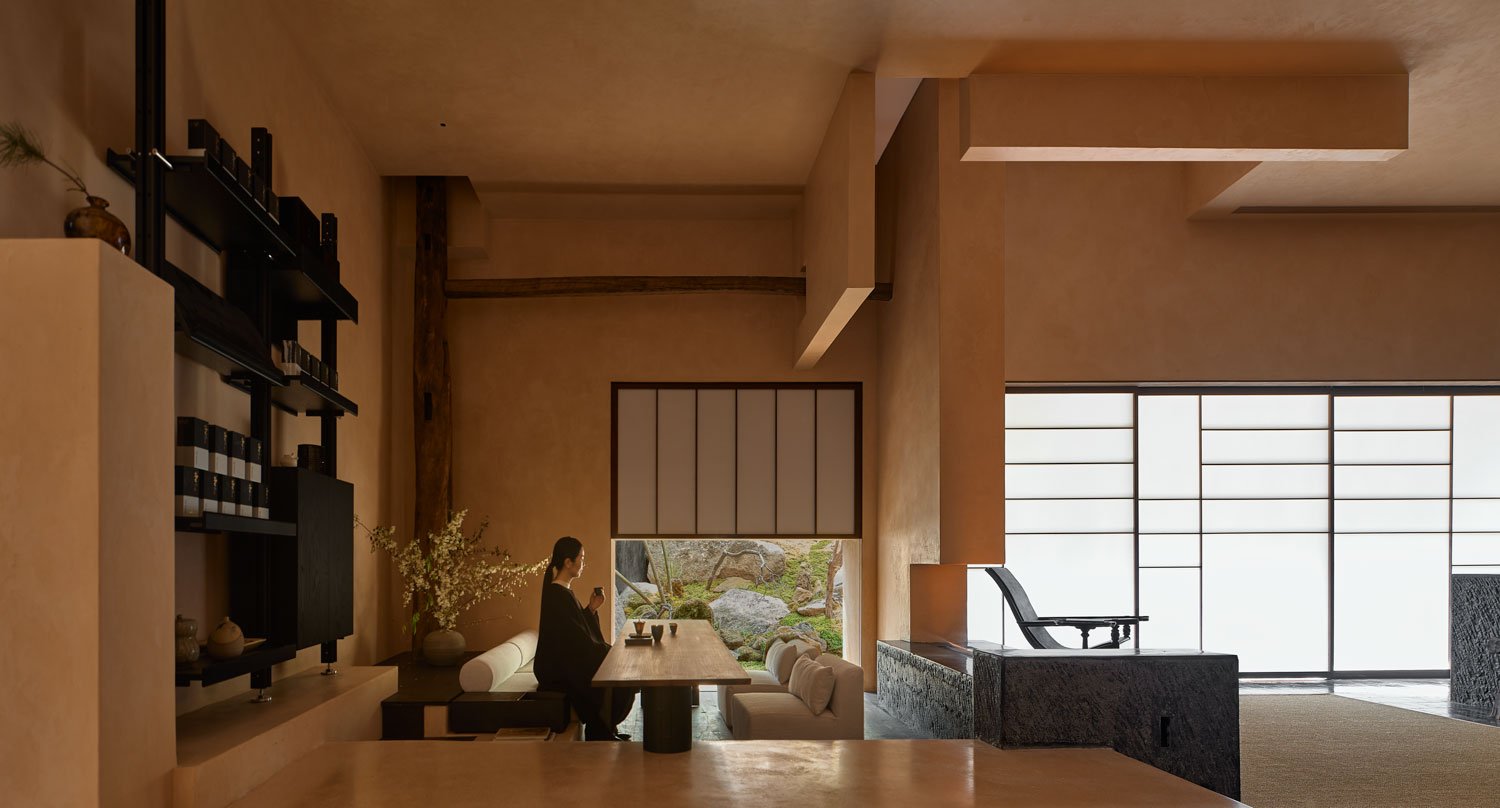
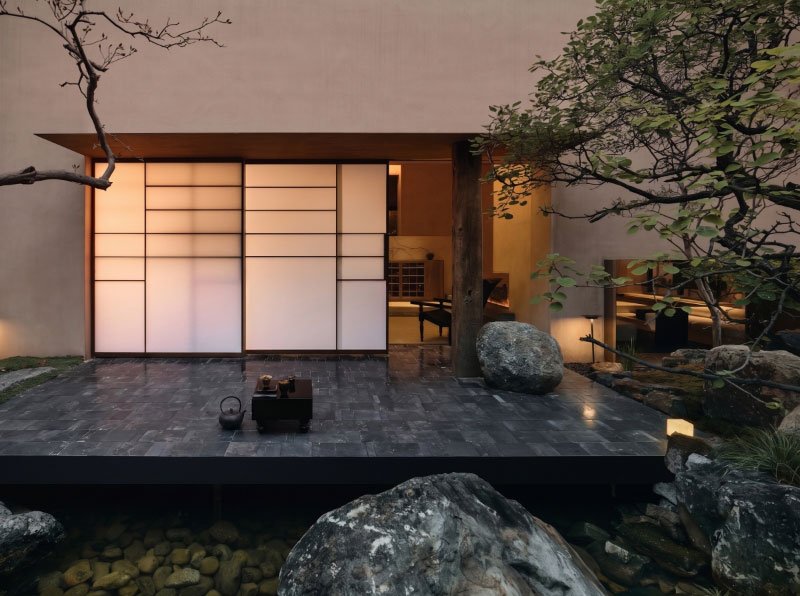
Courtyards sit at the centre of the plan, shaping both circulation and the experience of the tea rooms. Conceived as gardens within gardens, they establish overlapping views between planted spaces and occupied interiors. Moving through the building, visitors encounter compositions that shift with their position, a stone seen through an opening, foliage beyond a partition, daylight falling across a textured surface. Architecture and landscape remain closely interwoven throughout.
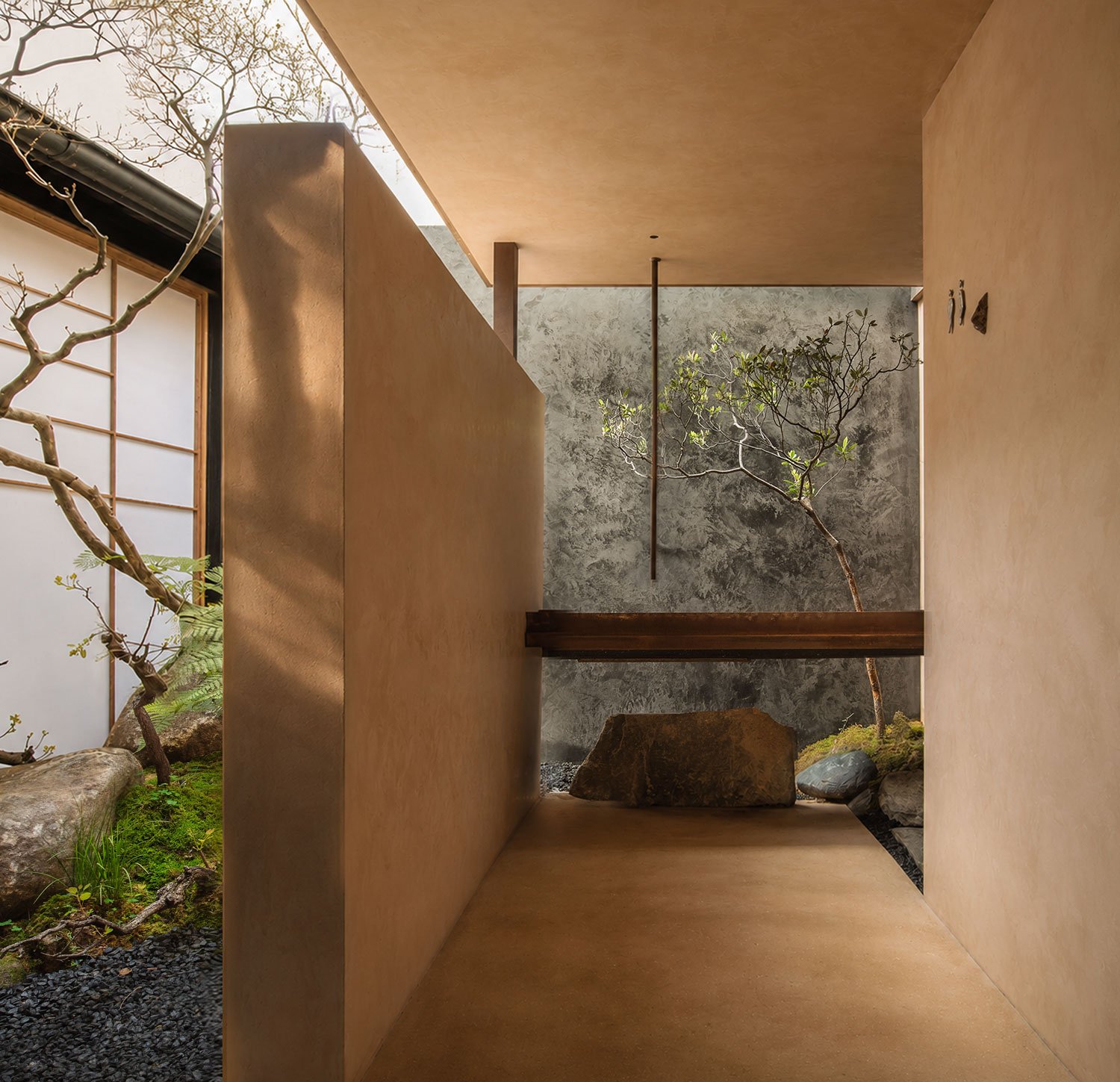
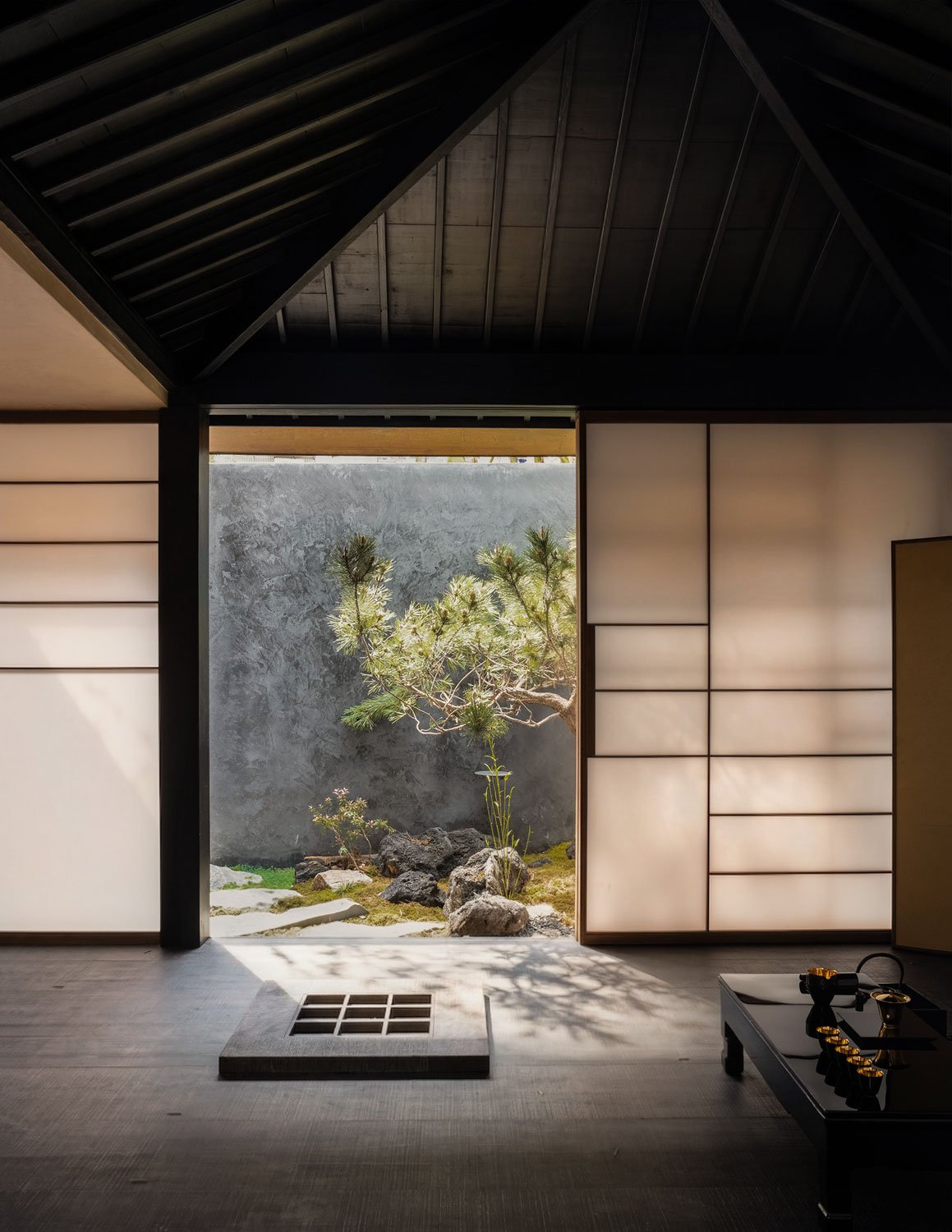
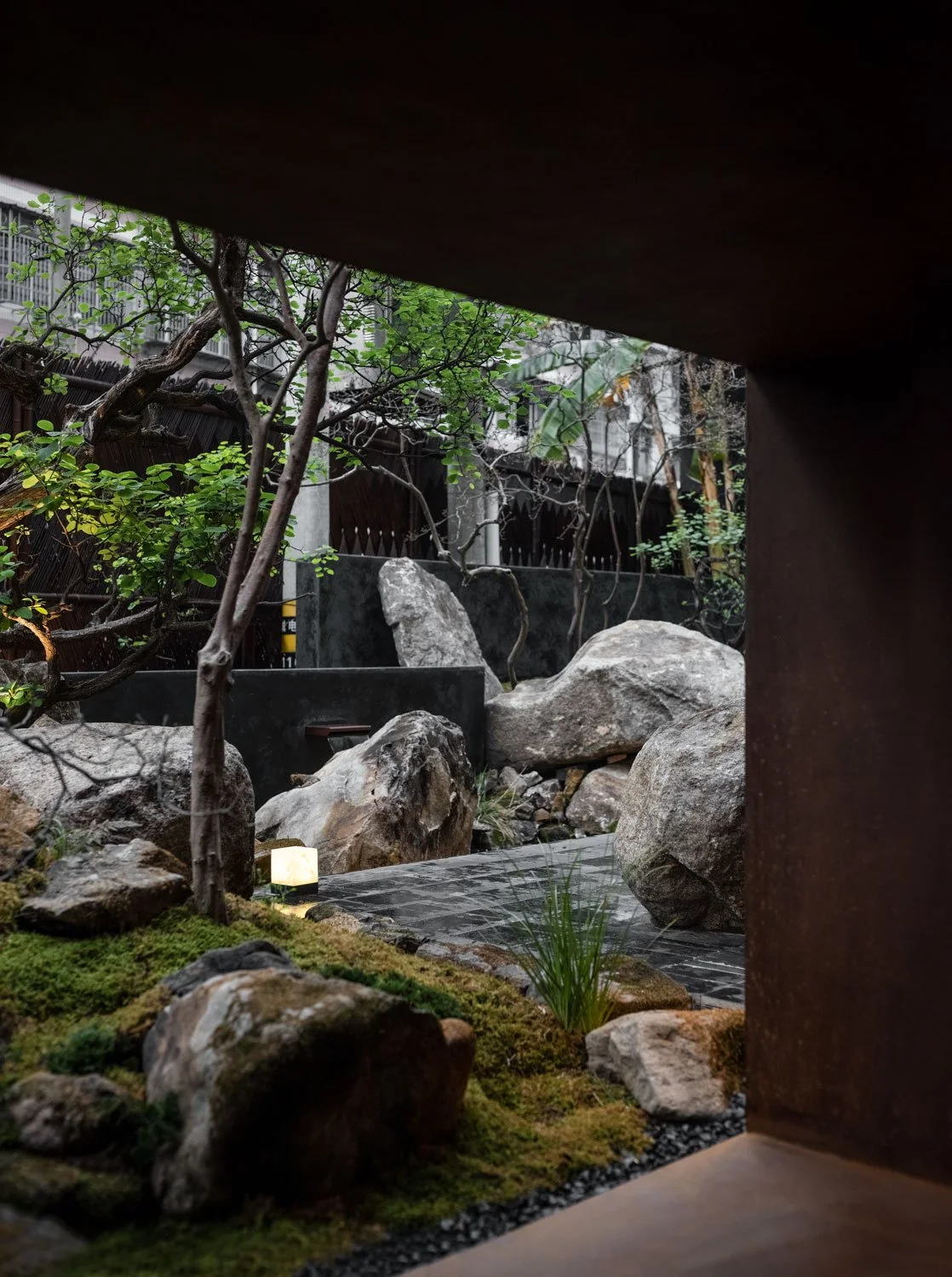
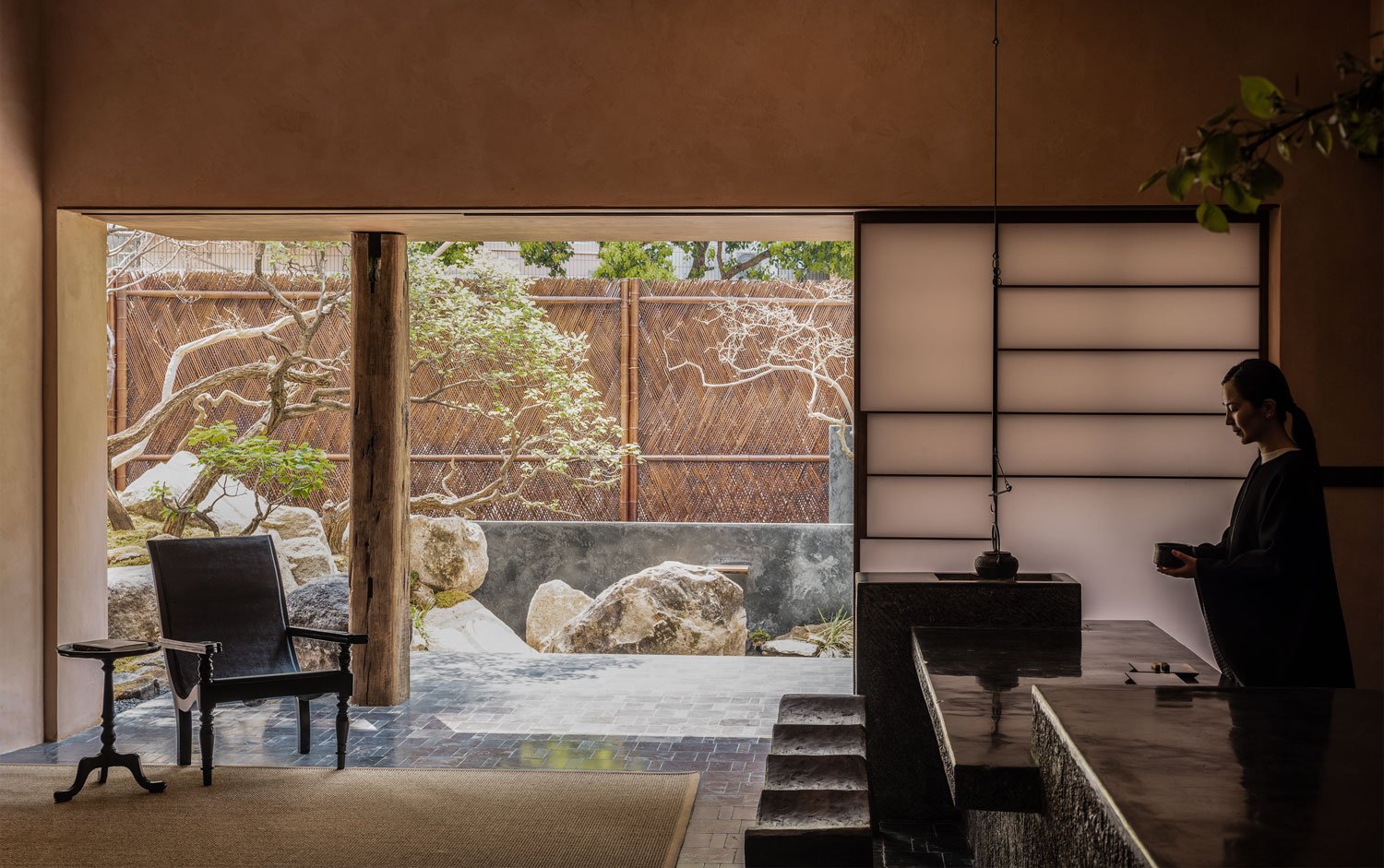
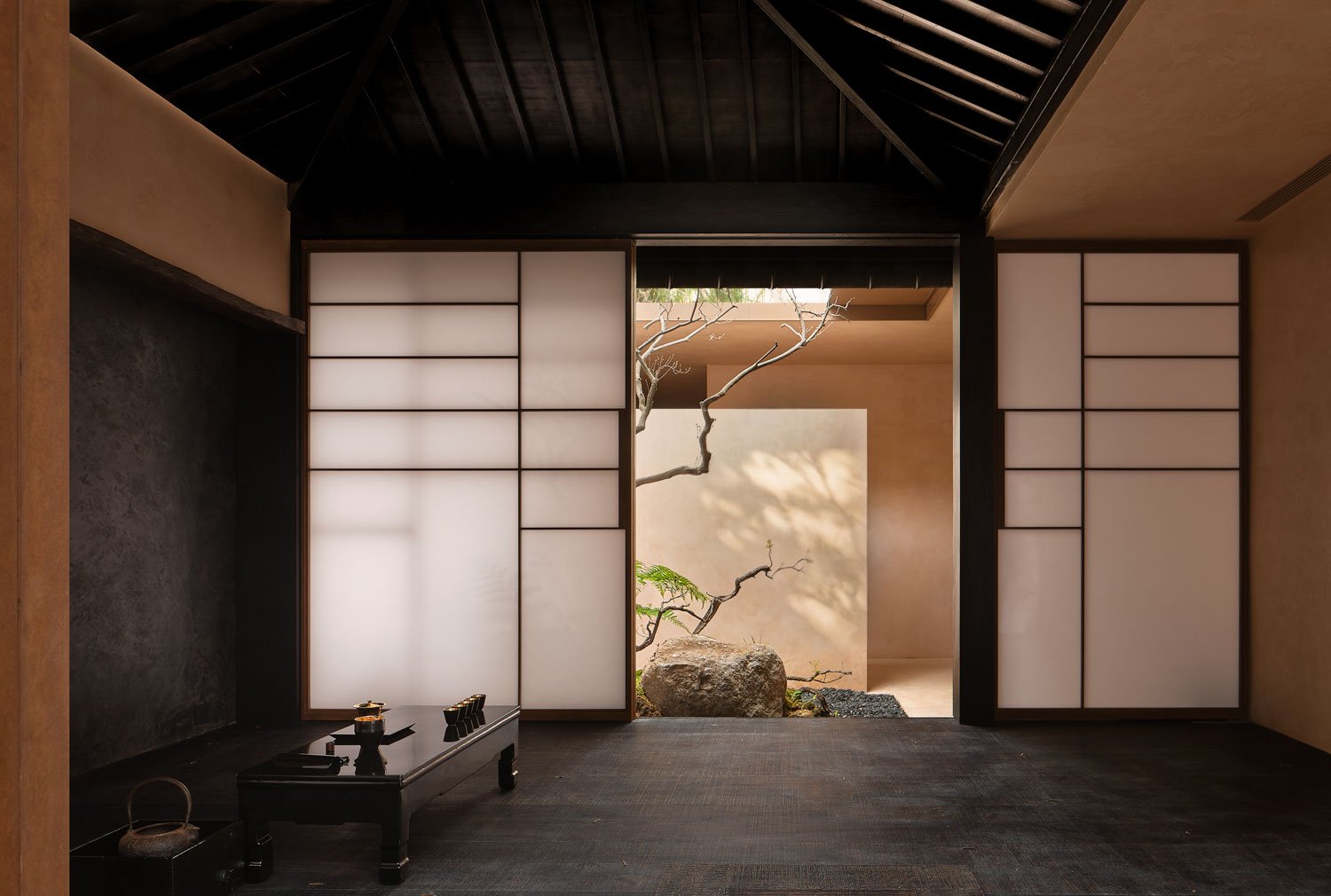
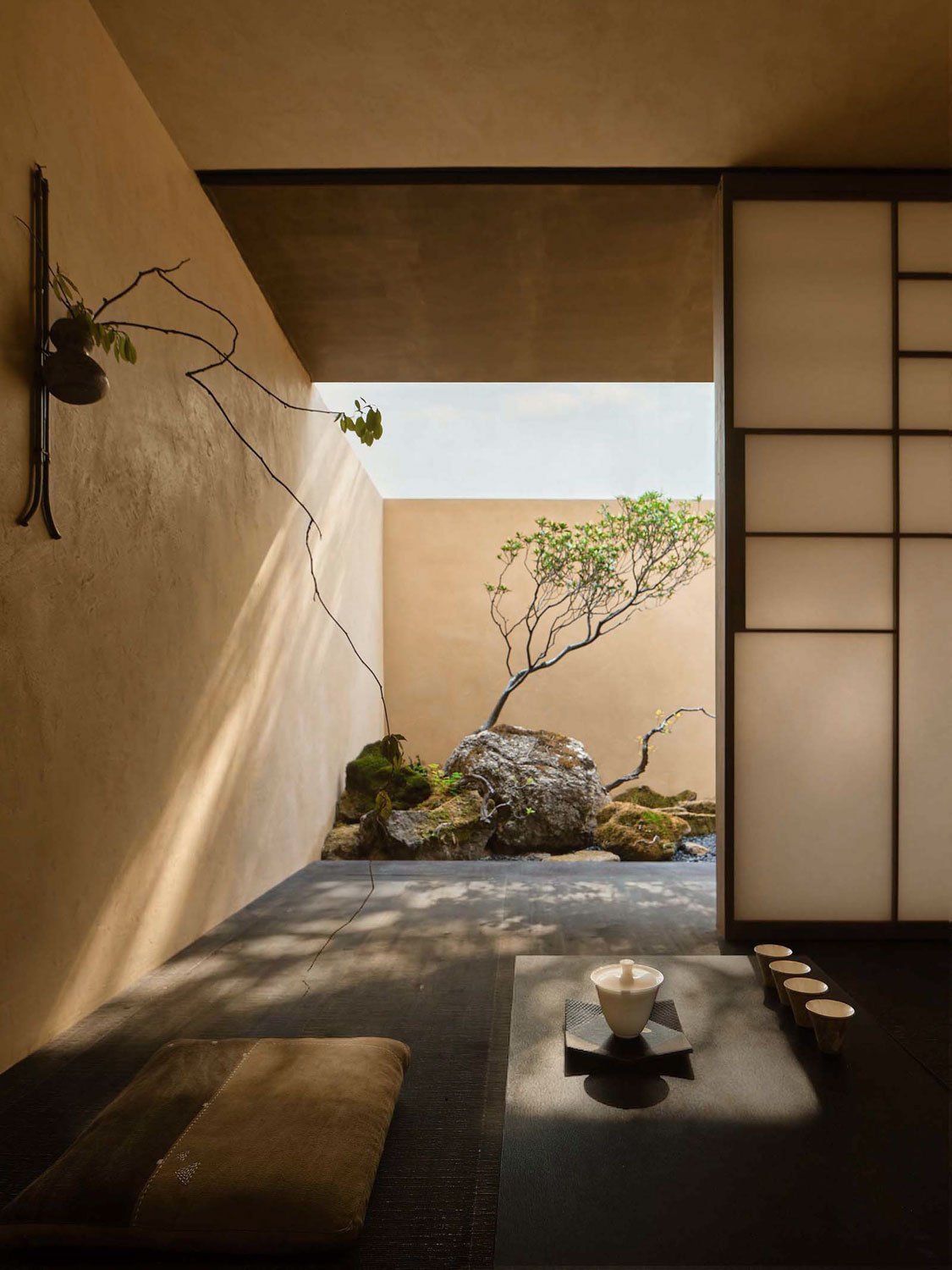
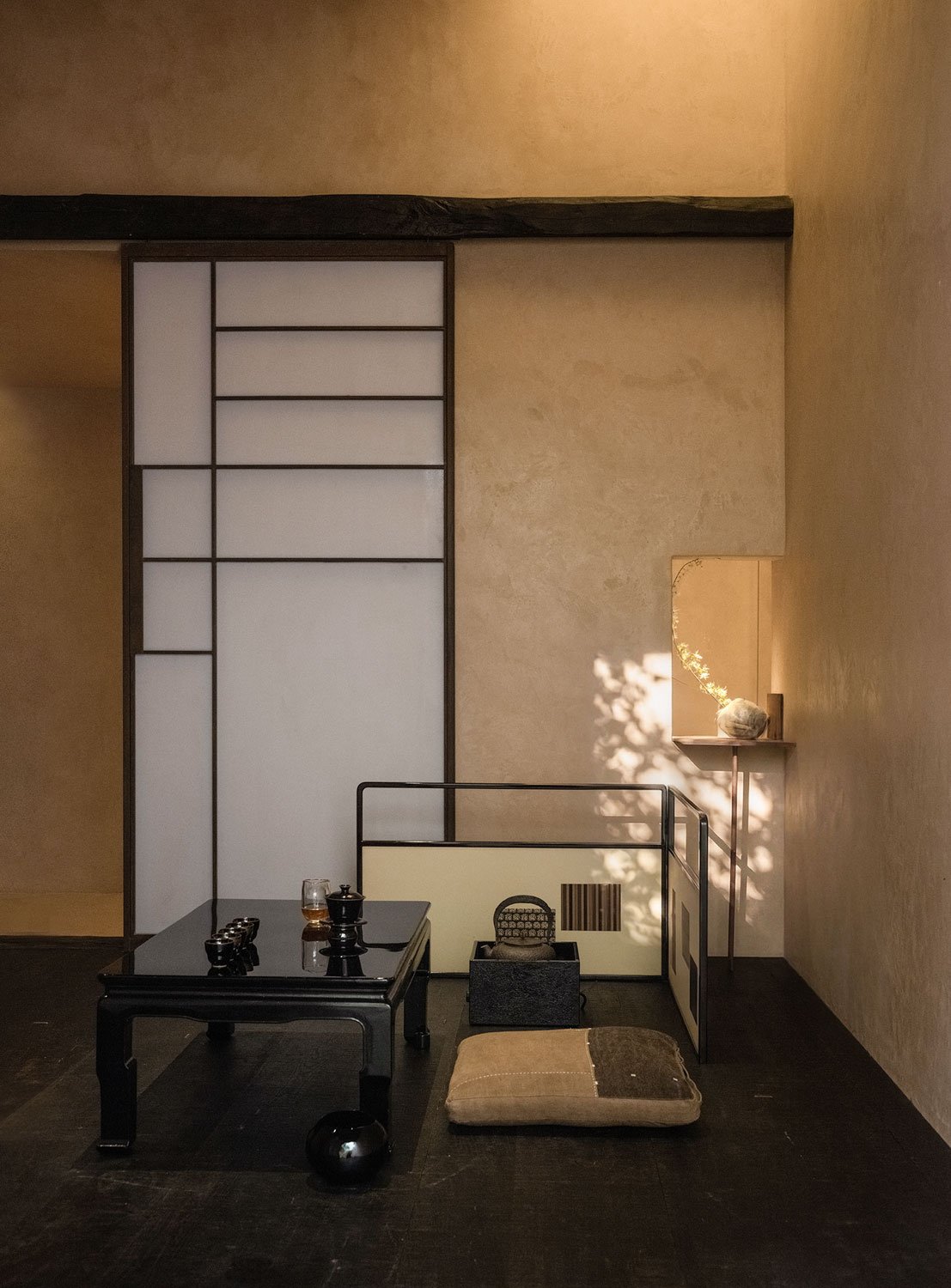
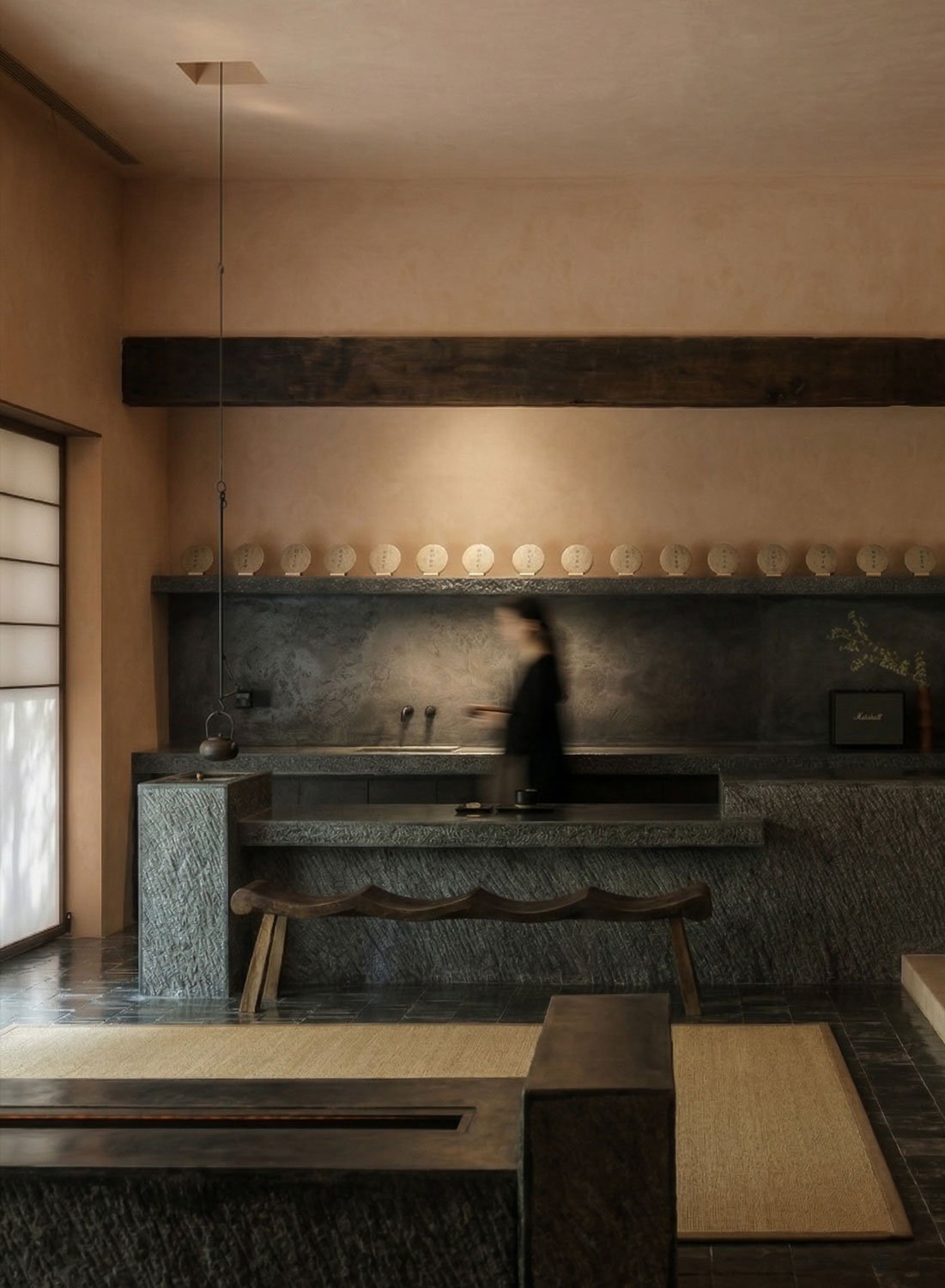
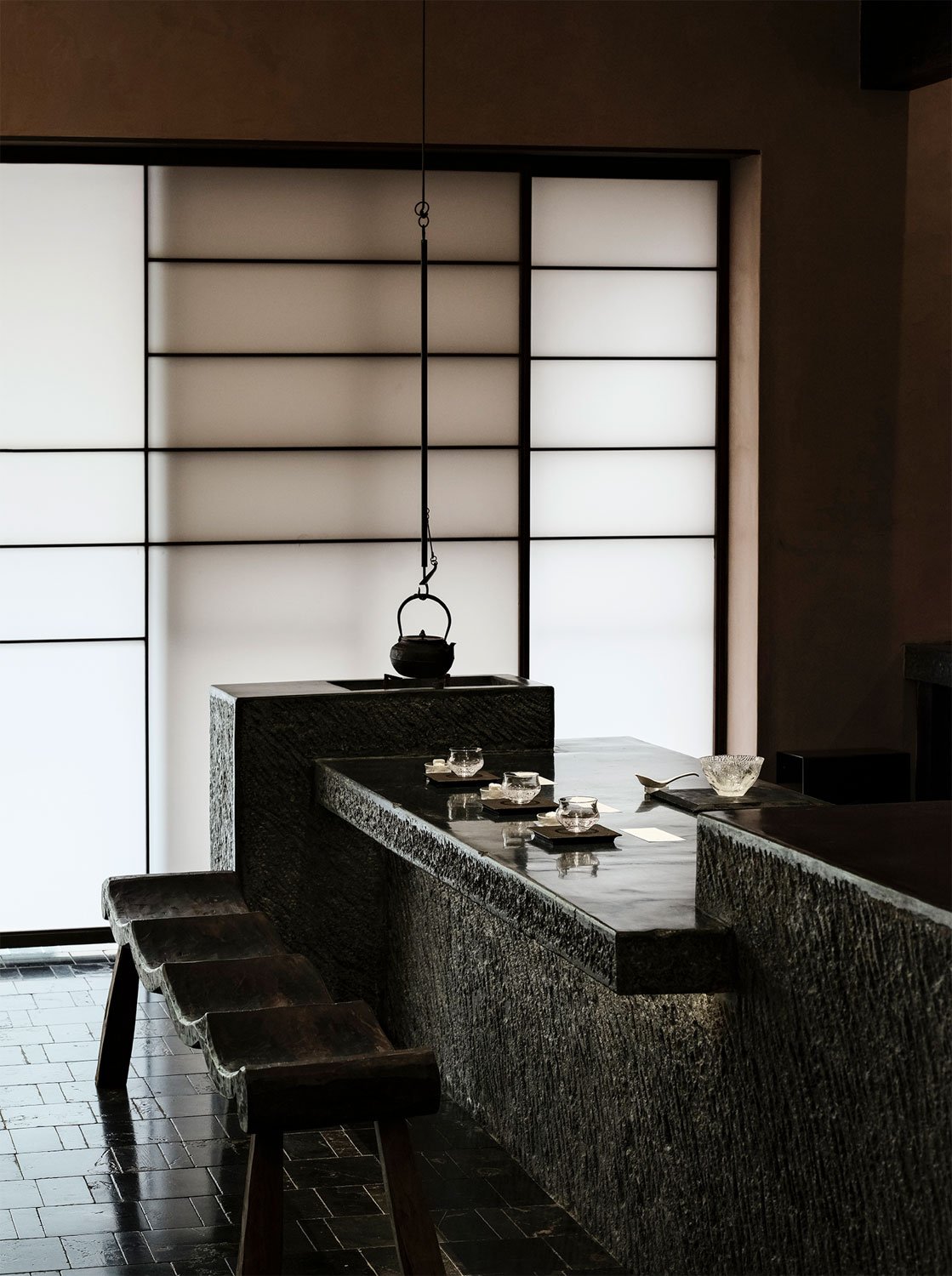
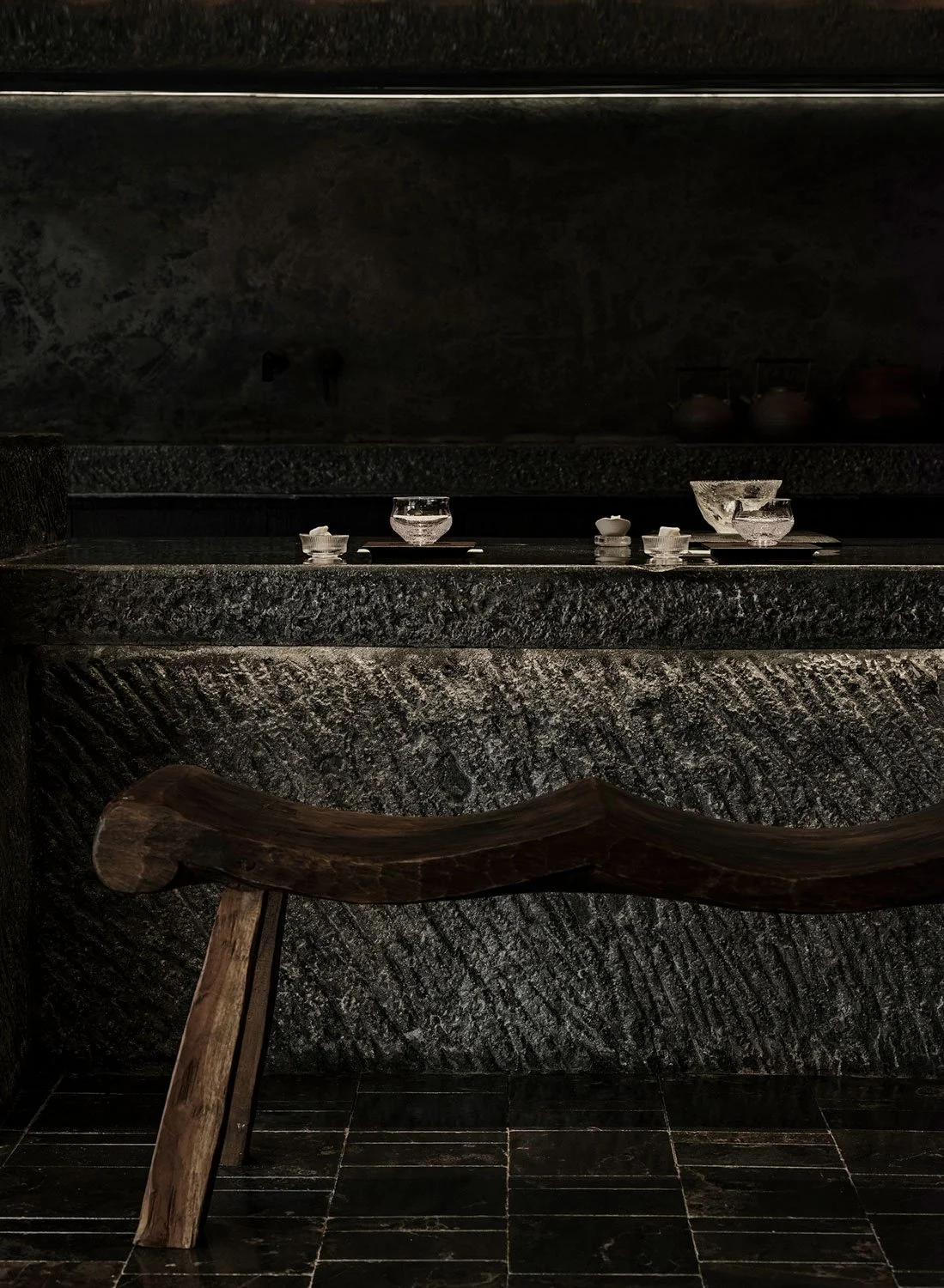
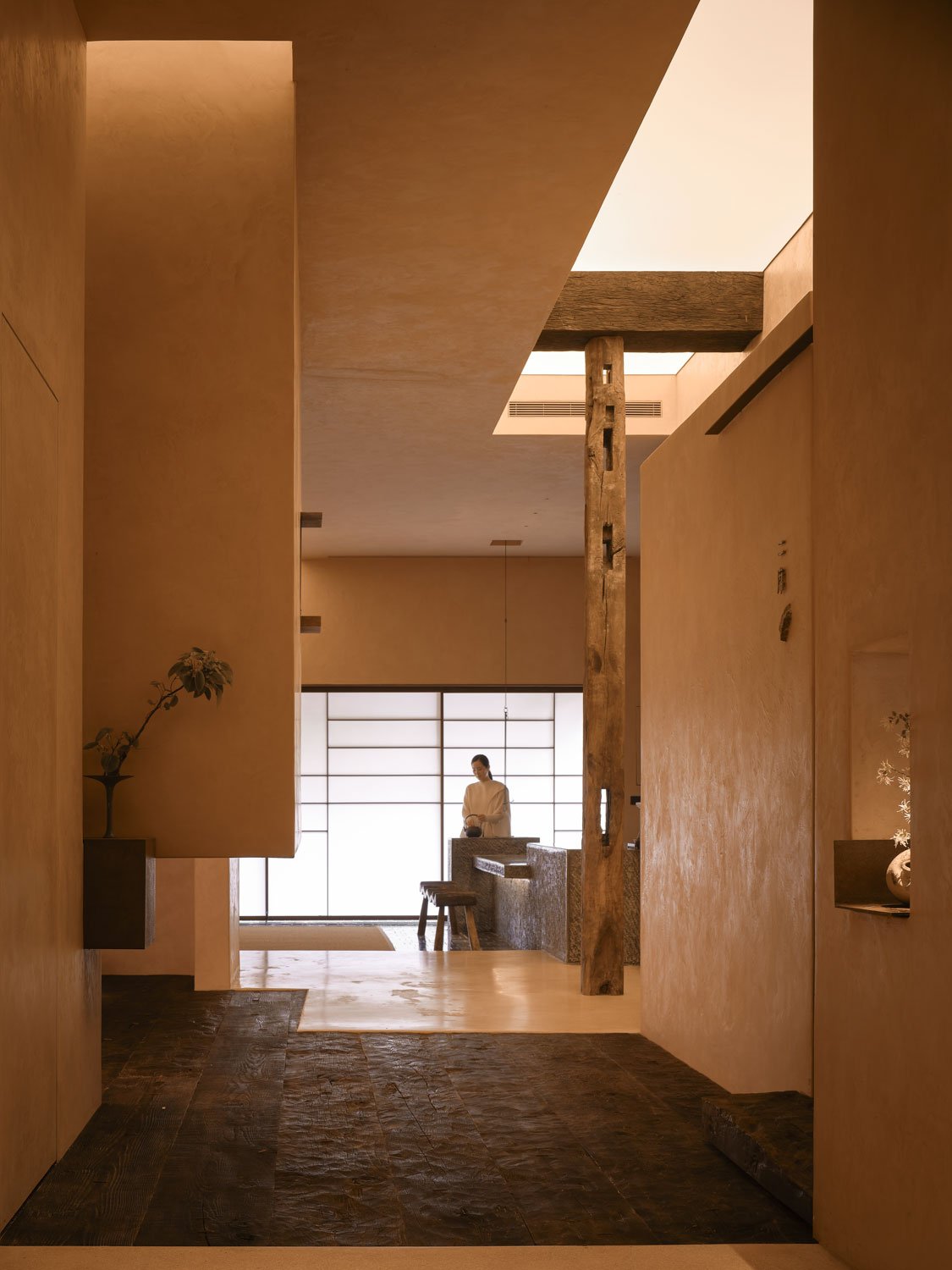
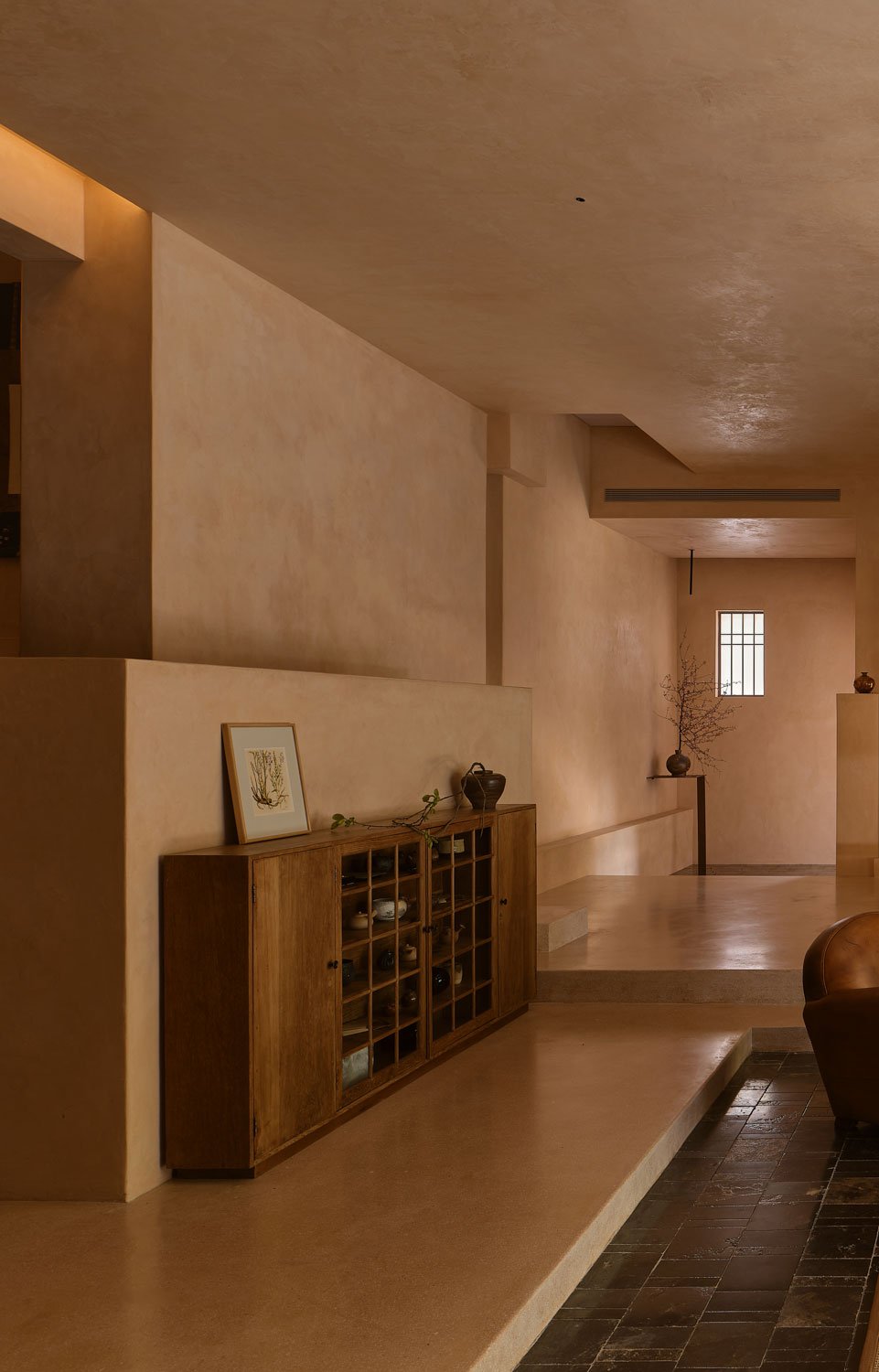
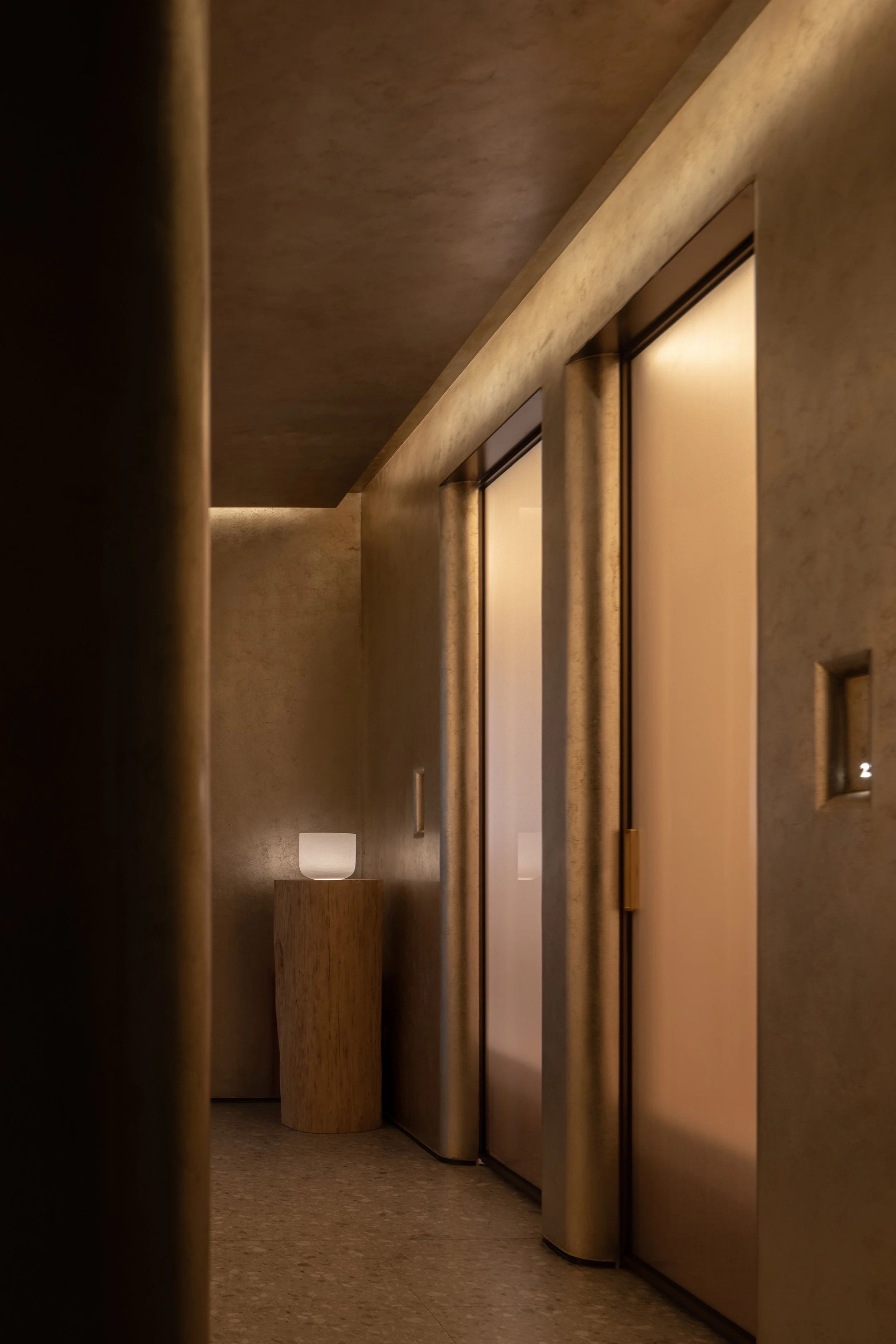
This connection is carried into the material palette. Hand-applied plaster is layered and carved across walls and the tea counter, producing an irregular finish reminiscent of weathered rock. Limestone, terrazzo, weathering steel and naturally sourced stones lend weight and texture, while reclaimed timber introduces a warmer register. Their varied surfaces invite close attention, giving the interior a tactile quality that complements the measured sequence of spaces.
Sliding partitions made from frosted white acrylic and weathering steel mediate between inside and outside. Daylight passes through the translucent panels as a diffuse glow, softening the contrast between enclosed rooms and open courtyards. The partitions offer a degree of separation without severing the relationship with the gardens.
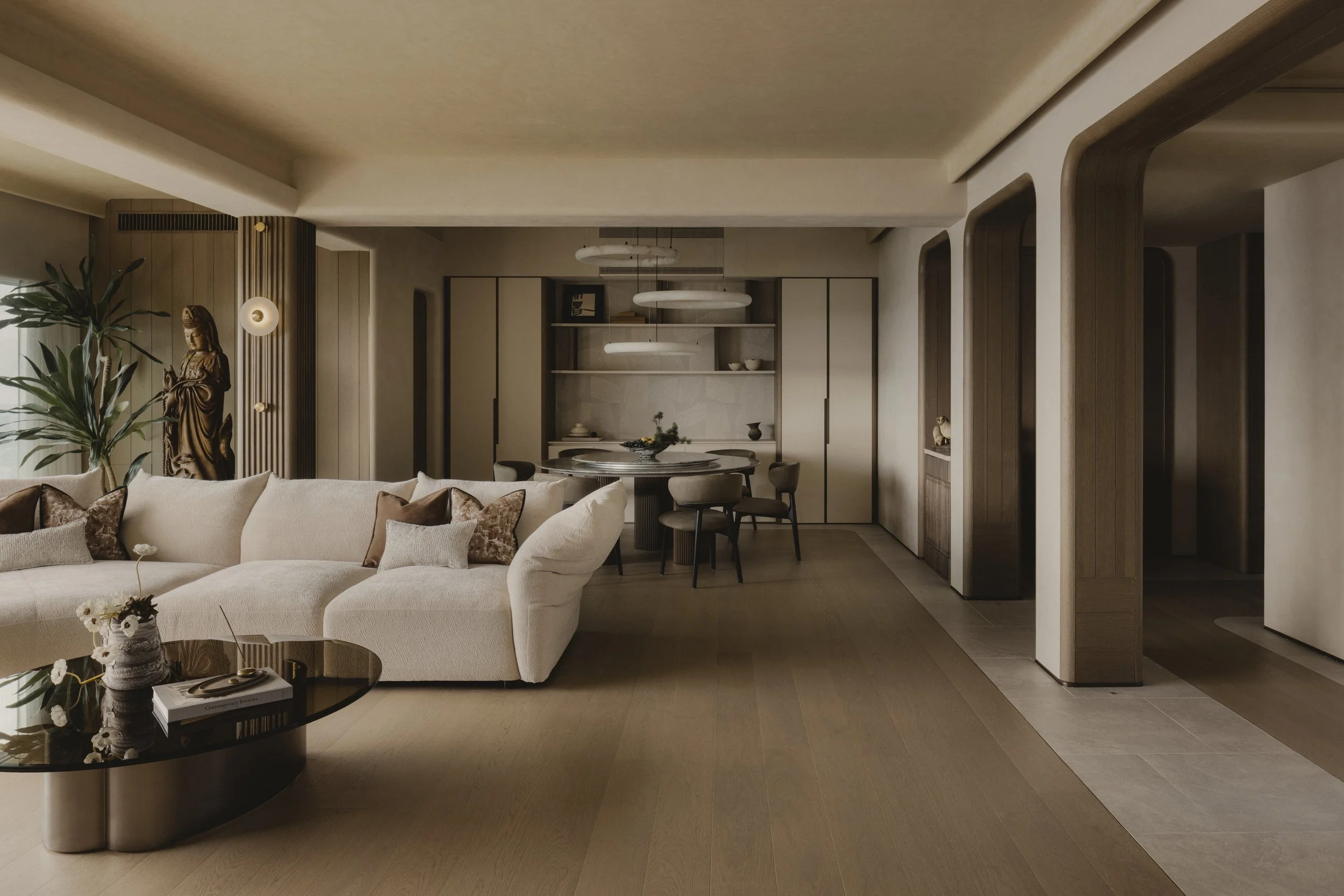
Vintage furniture, reclaimed wood and naturally aged objects extend this sensitivity to material and time. Selected for their patina and quiet presence, they bring a sense of lived history to the new interior. Their inclusion reflects the project’s interest in the restrained elegance of Song aesthetics, while keeping the setting grounded in the everyday rituals of sitting, gathering and drinking tea.
Time remains an active part of the design. Changes in weather, daylight and vegetation continually alter the relationship between the courtyards and tea rooms, giving returning visitors new details to notice. Through these small variations, XIJU Teahouse makes space for a sustained connection with its surroundings. Within the city, M-D Design Studio has created a place where the experience of landscape is immediate, tactile and closely tied to the simple act of sharing tea.