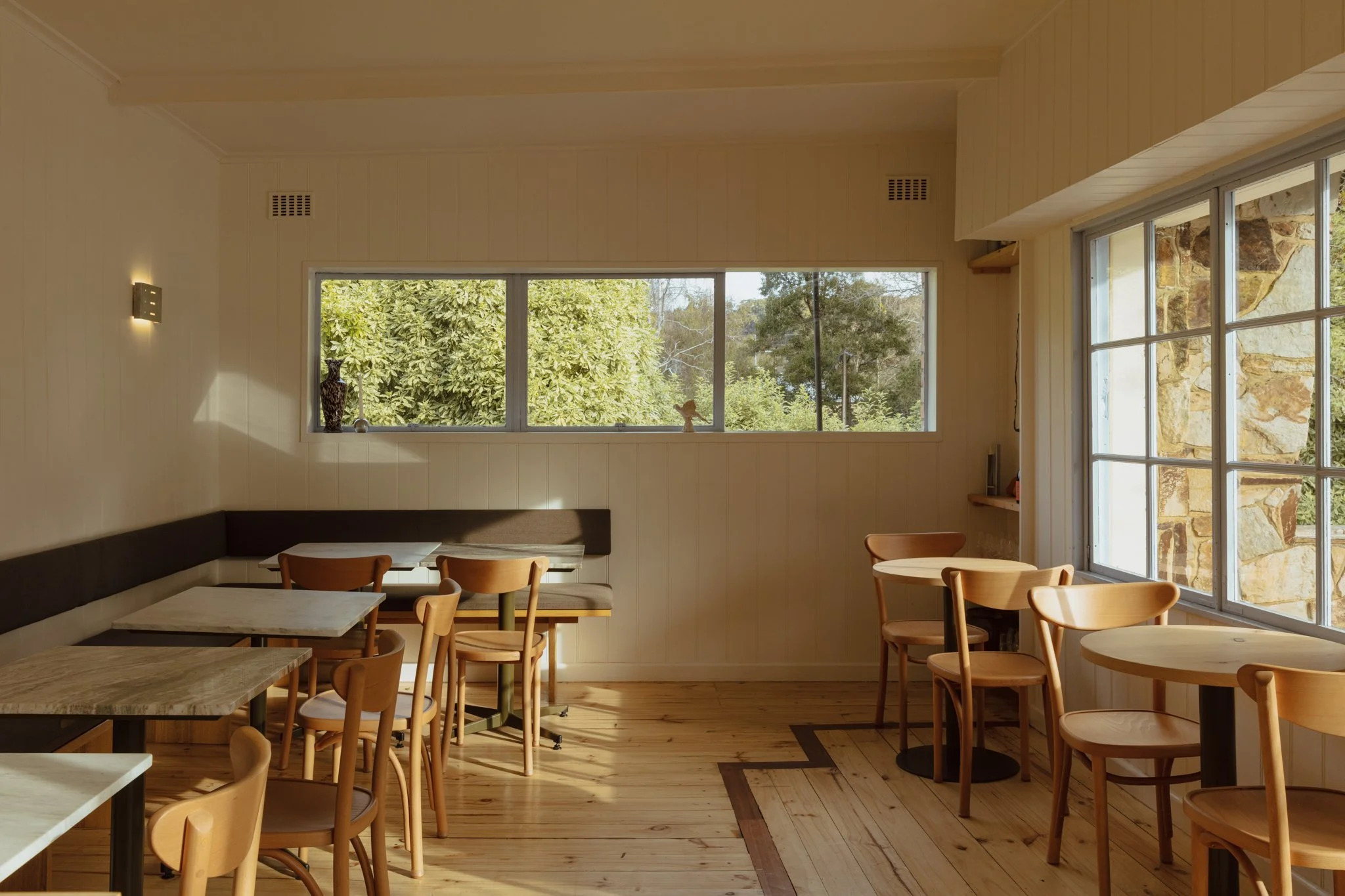
Thelma by Claire Markwick-Smith
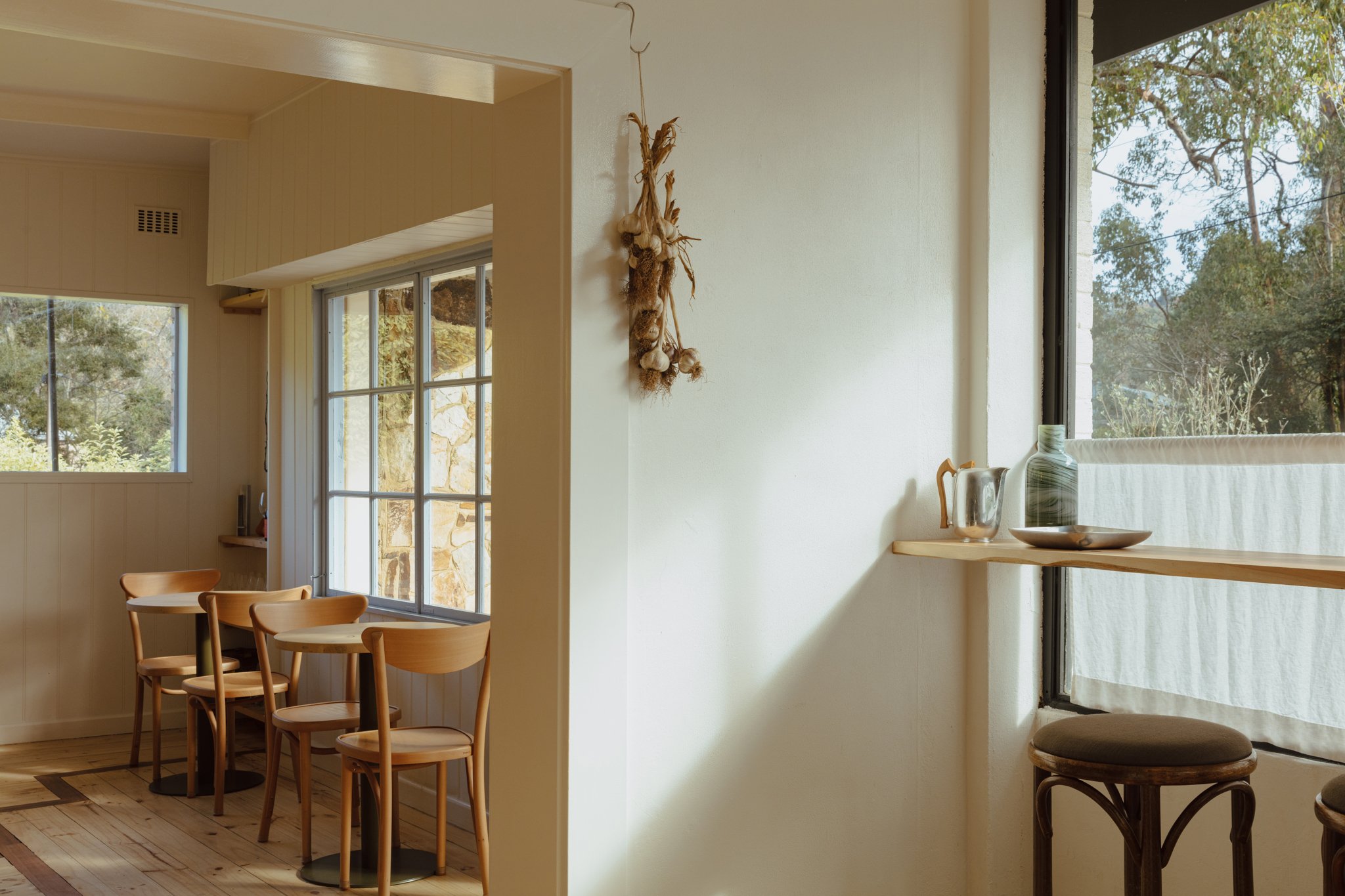
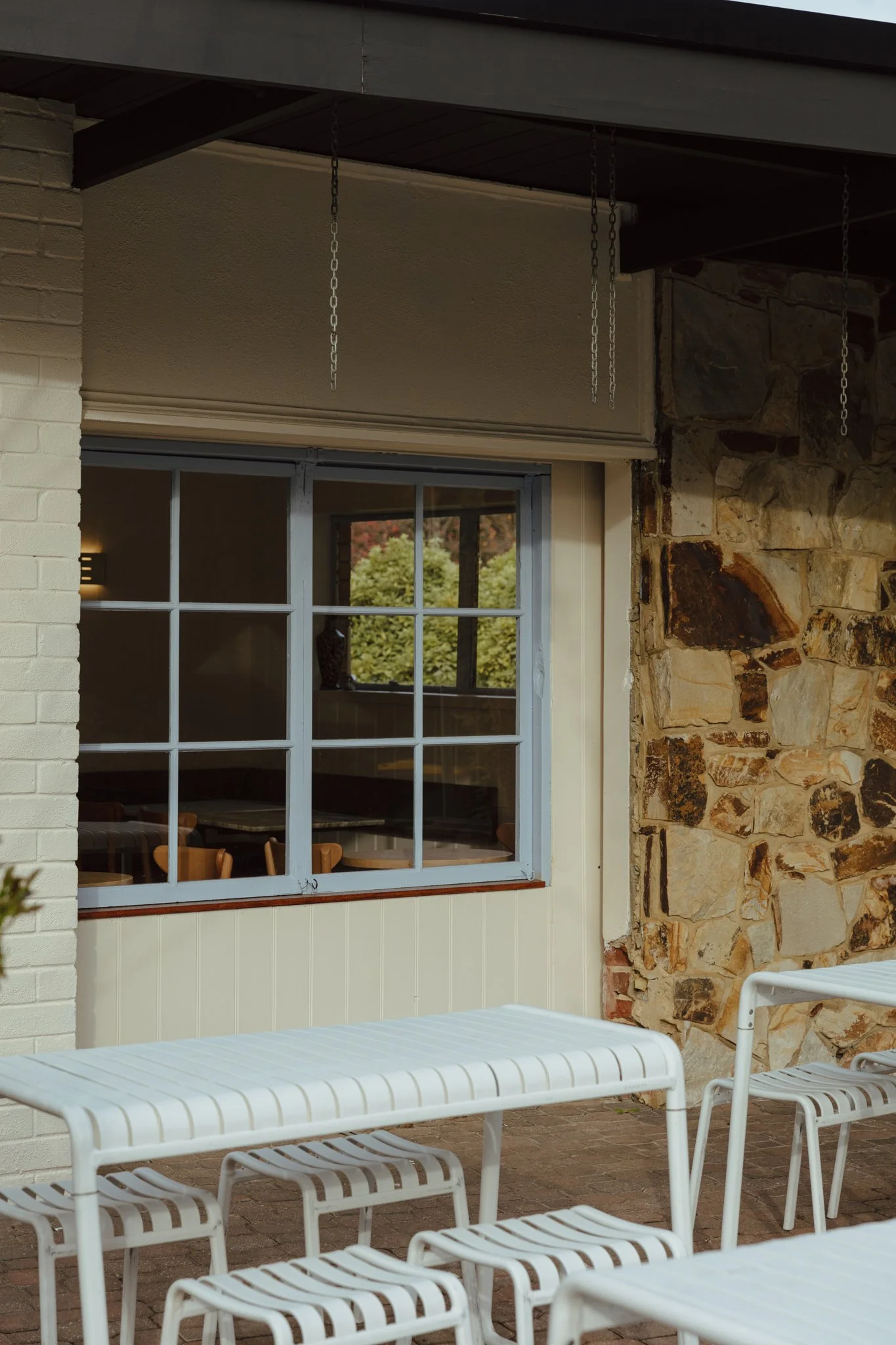
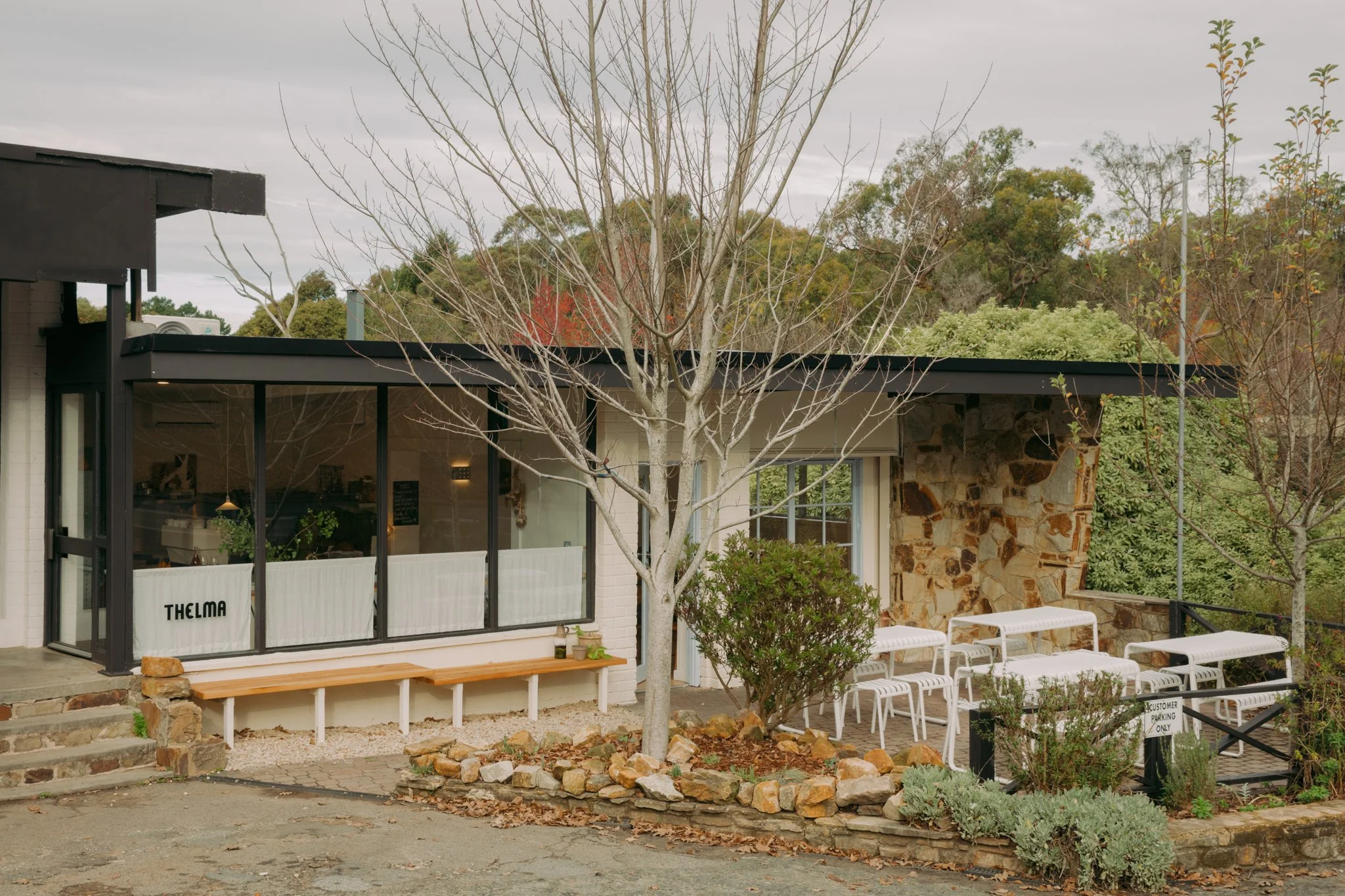
Set in a small Adelaide Hills town surrounded by orchards, farms, and market gardens, Thelma was designed to feel local, direct, and quietly polished.
The interior takes its cues from the region’s produce-driven culture and artisanal makers, translating that character into a compact venue that can move between multiple modes of hospitality without losing clarity or atmosphere.
Designed by Claire Markwick-Smith, the project began with a brief shaped by real constraints. A limited budget, a small footprint, and the pressures facing South Australia's hospitality industry called for a venue that could operate as a shop, bakery, restaurant, and wine bar. The aim was versatility without clutter, and a layout that supports everyday service, from a quick bite to longer, unhurried dining, with a food and beverage offering that draws on and represents the local area positioned as the focal point of the experience.
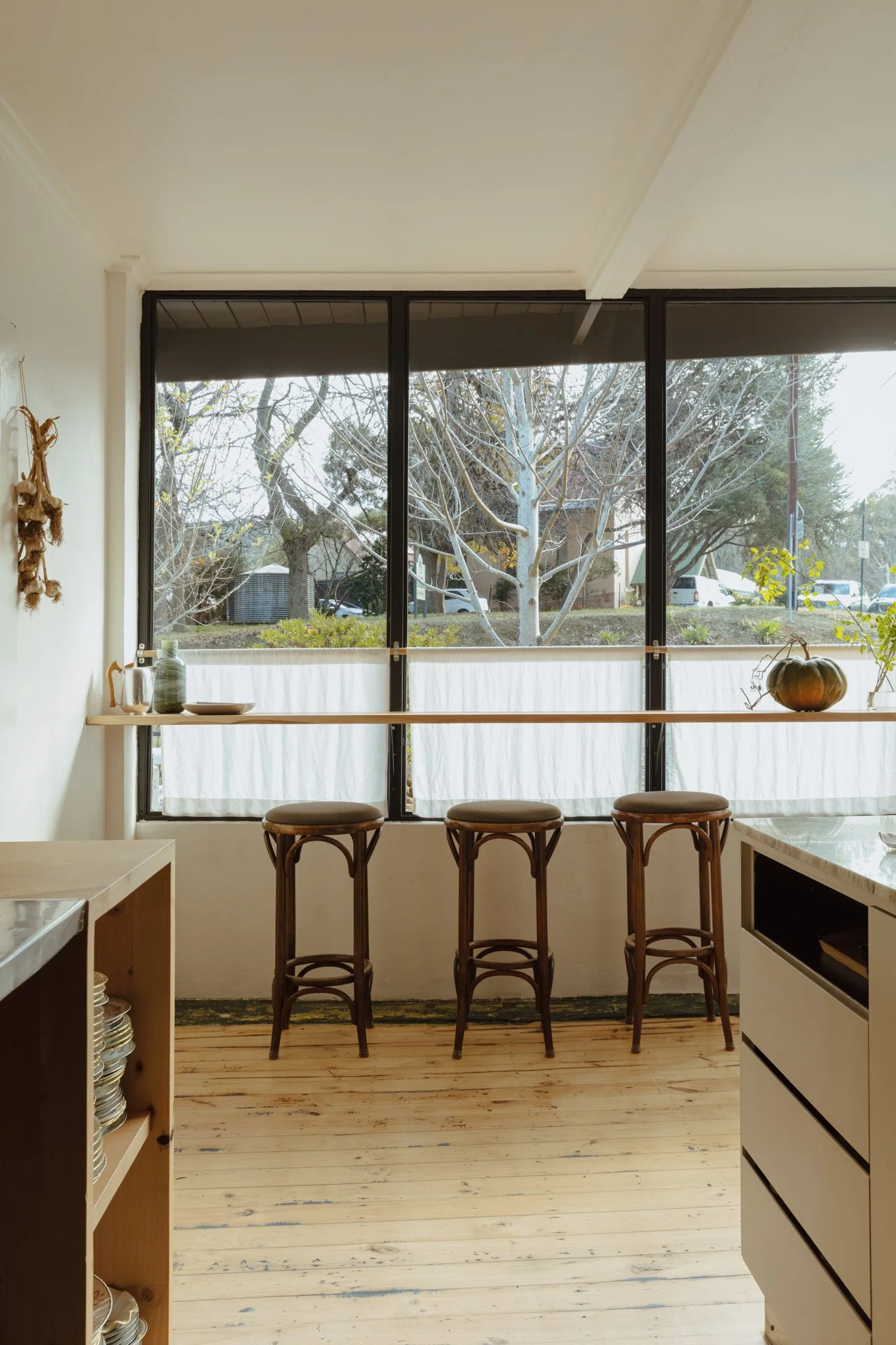
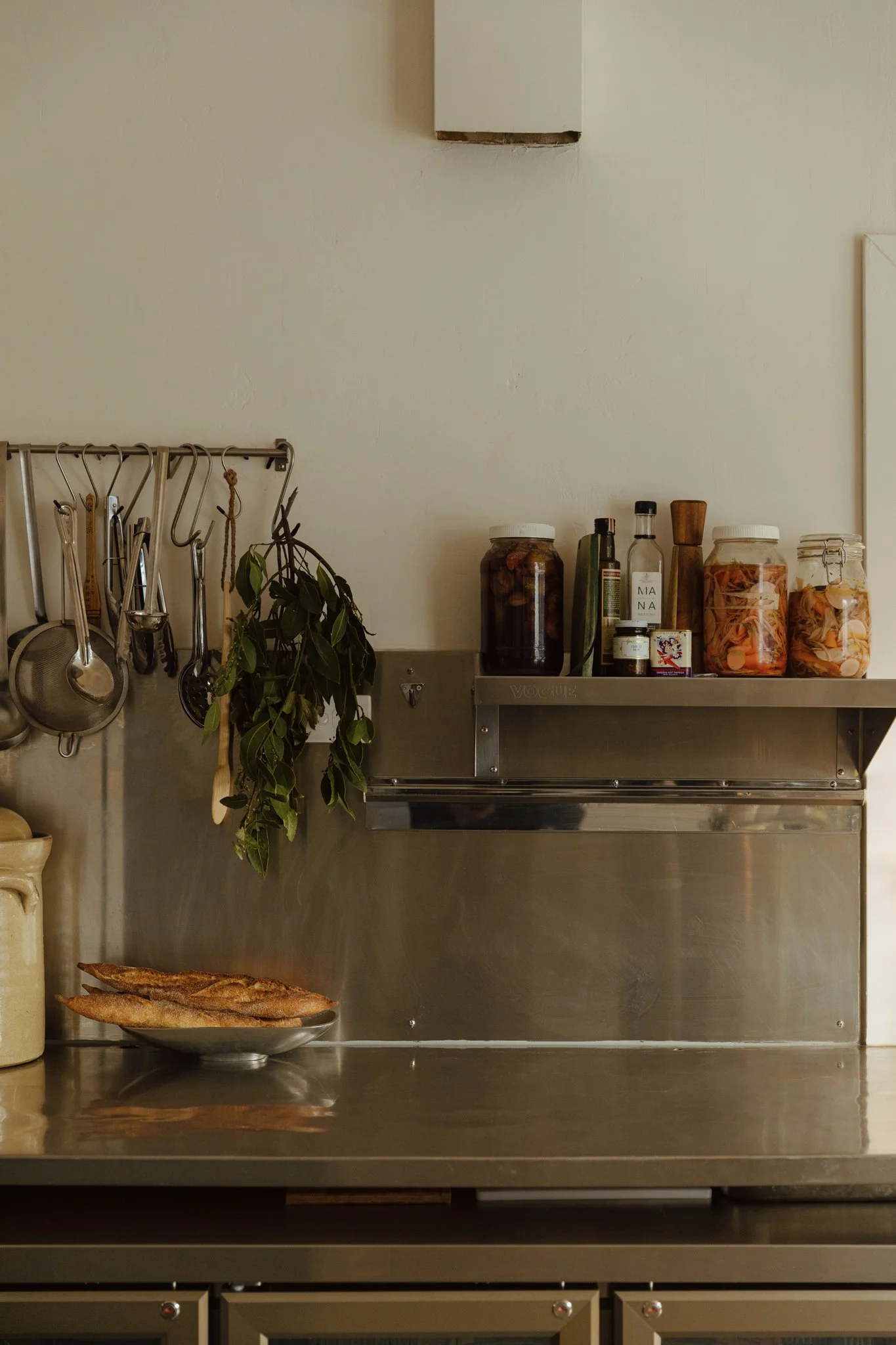
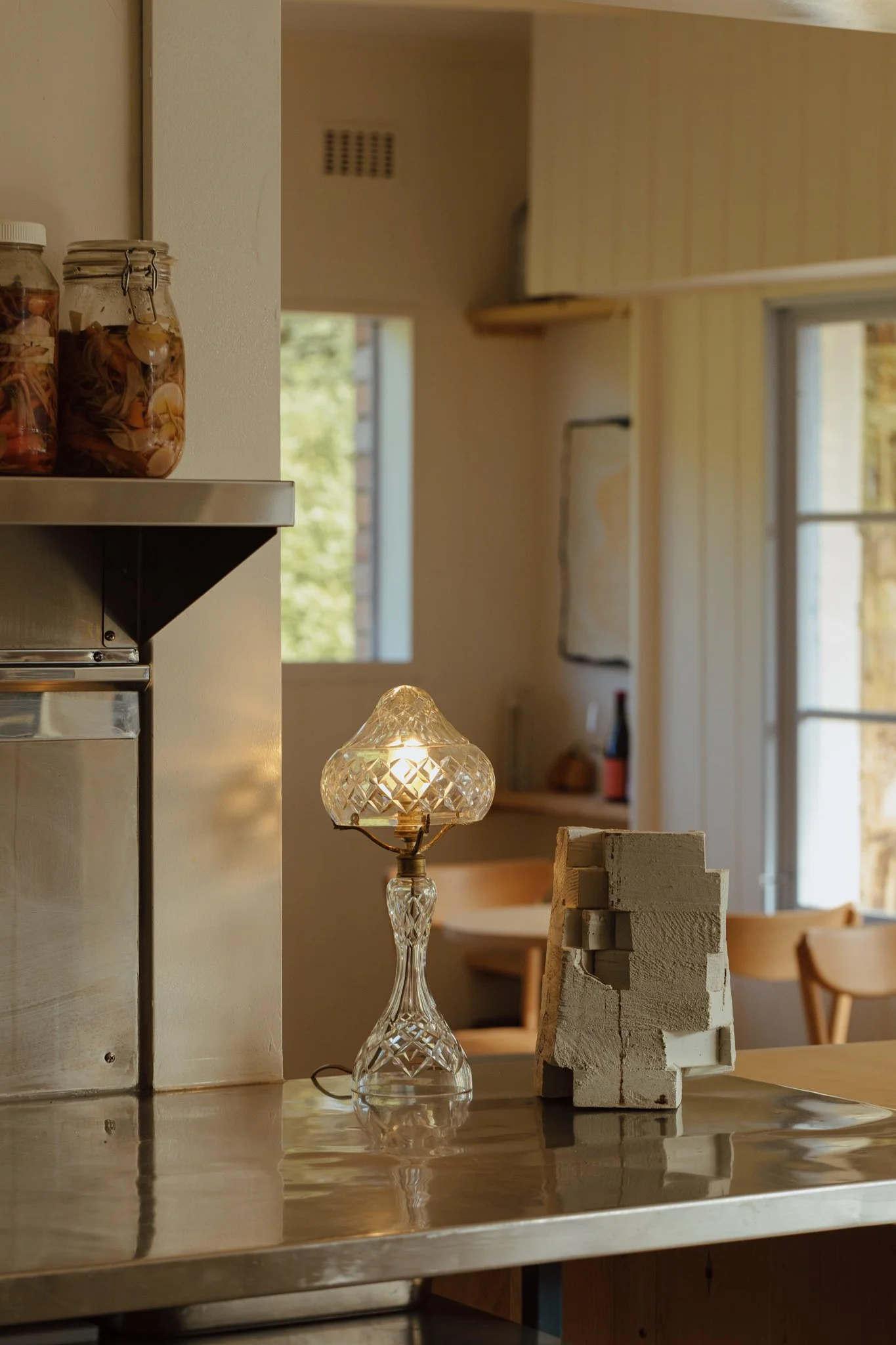
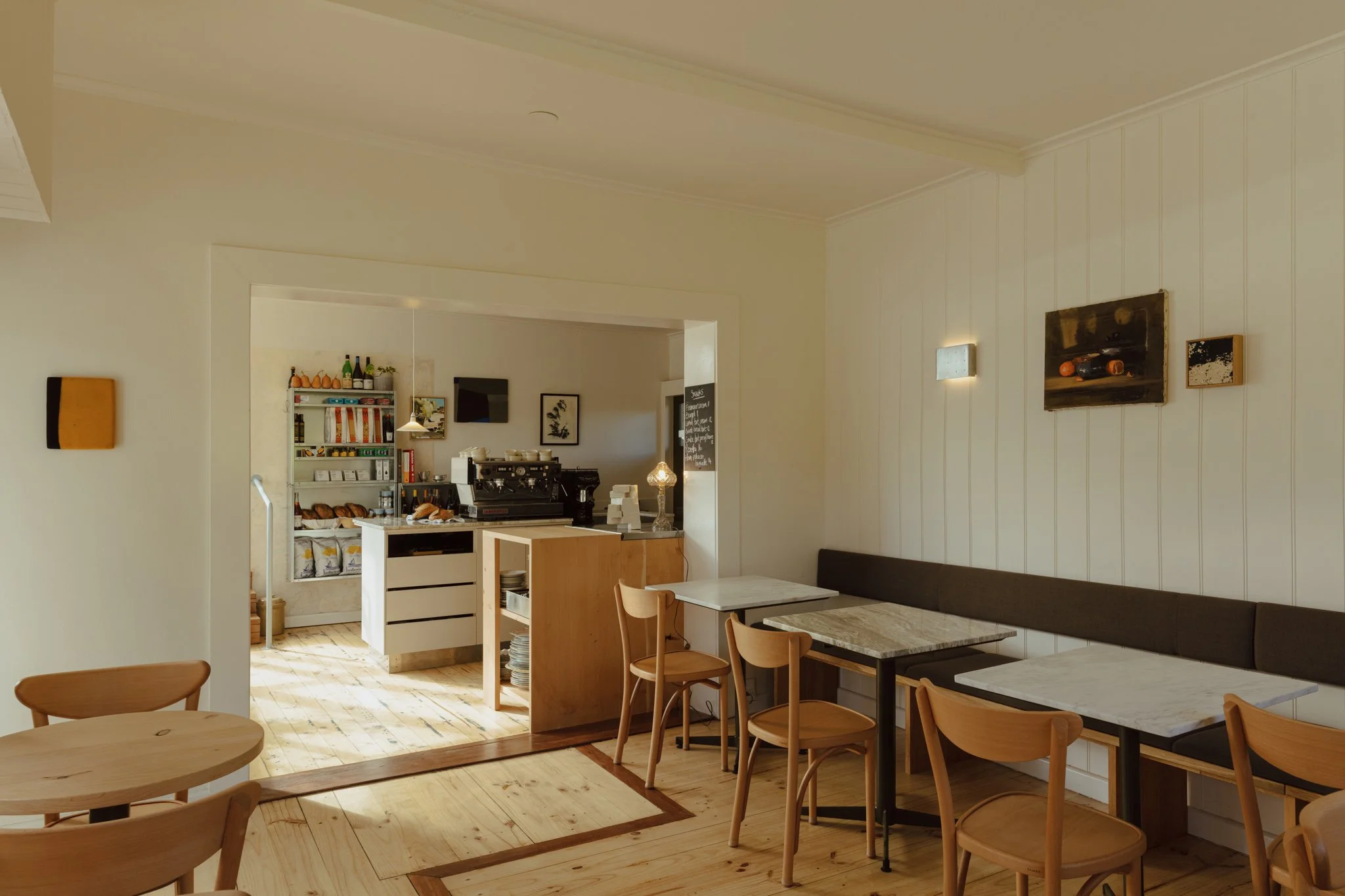
With approximately 53m² inside and 50m² outside, spatial planning becomes the primary design move. Back-of-house functions are integrated wherever safe and practical, bringing service efficiency into the same footprint as customer experience. An open kitchen anchors the plan, prioritising functionality and enabling closer interaction between staff and guests, while also giving the space a laid-back, domestic familiarity that suits the venue’s tone.
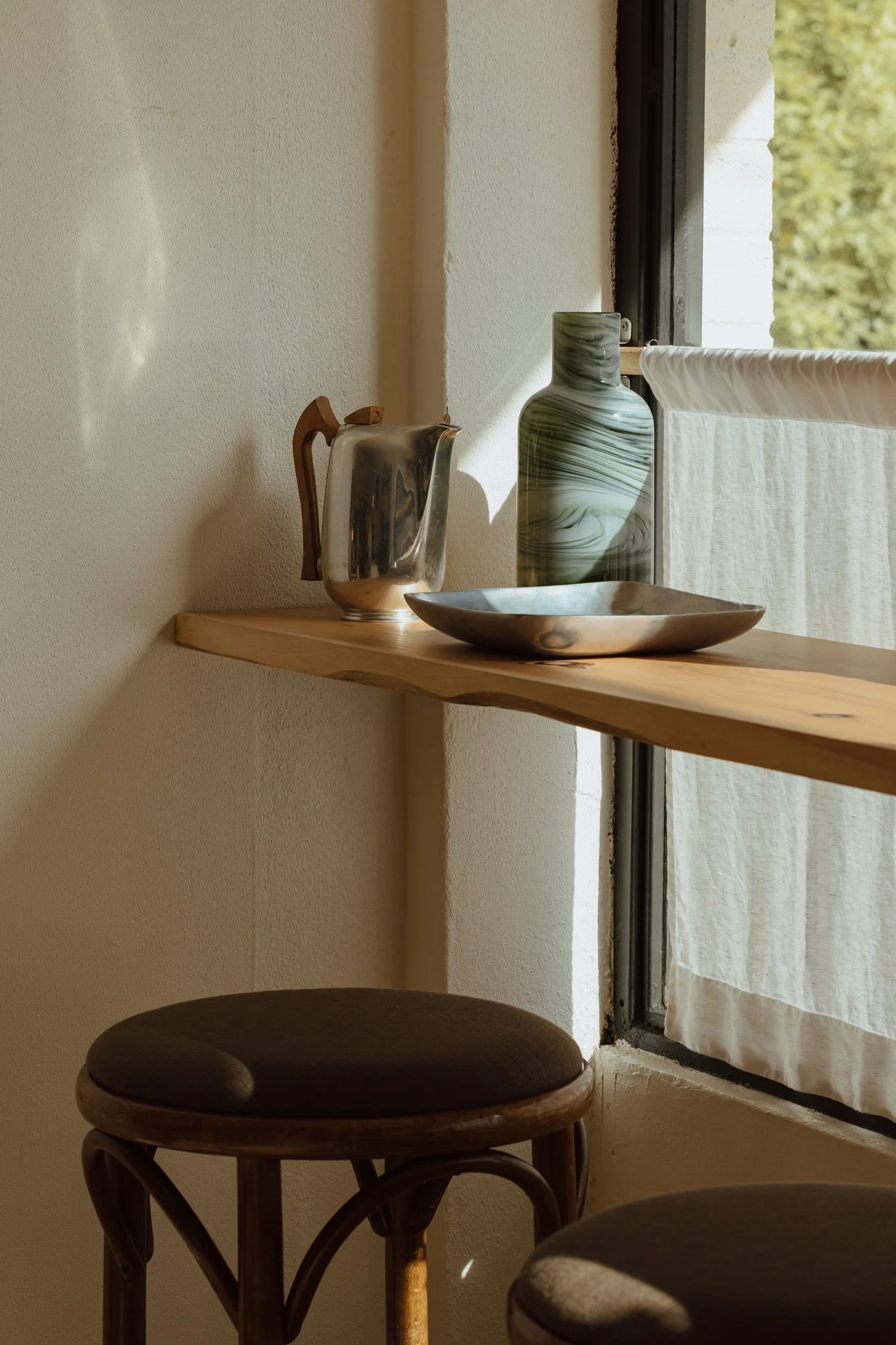
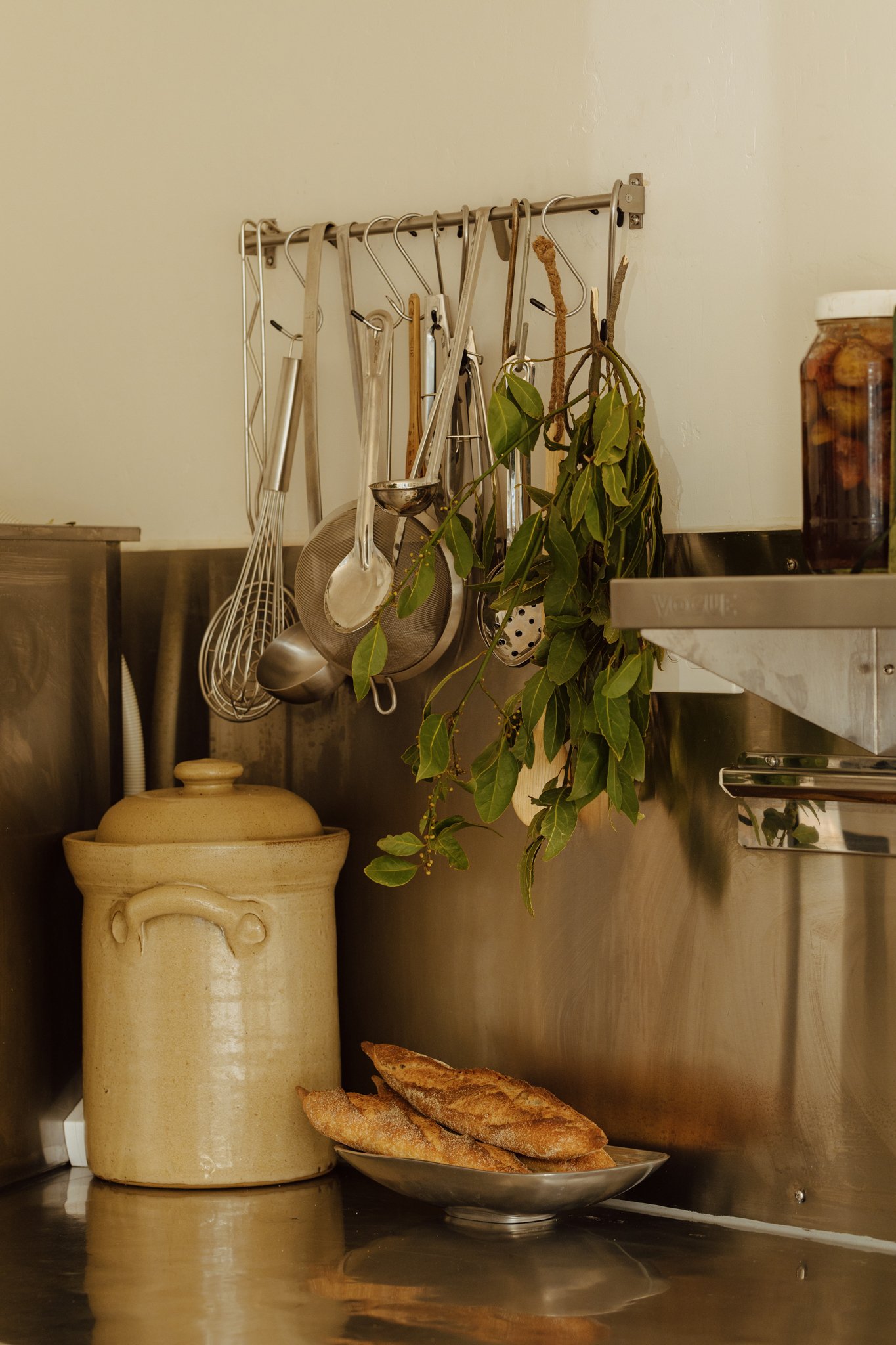
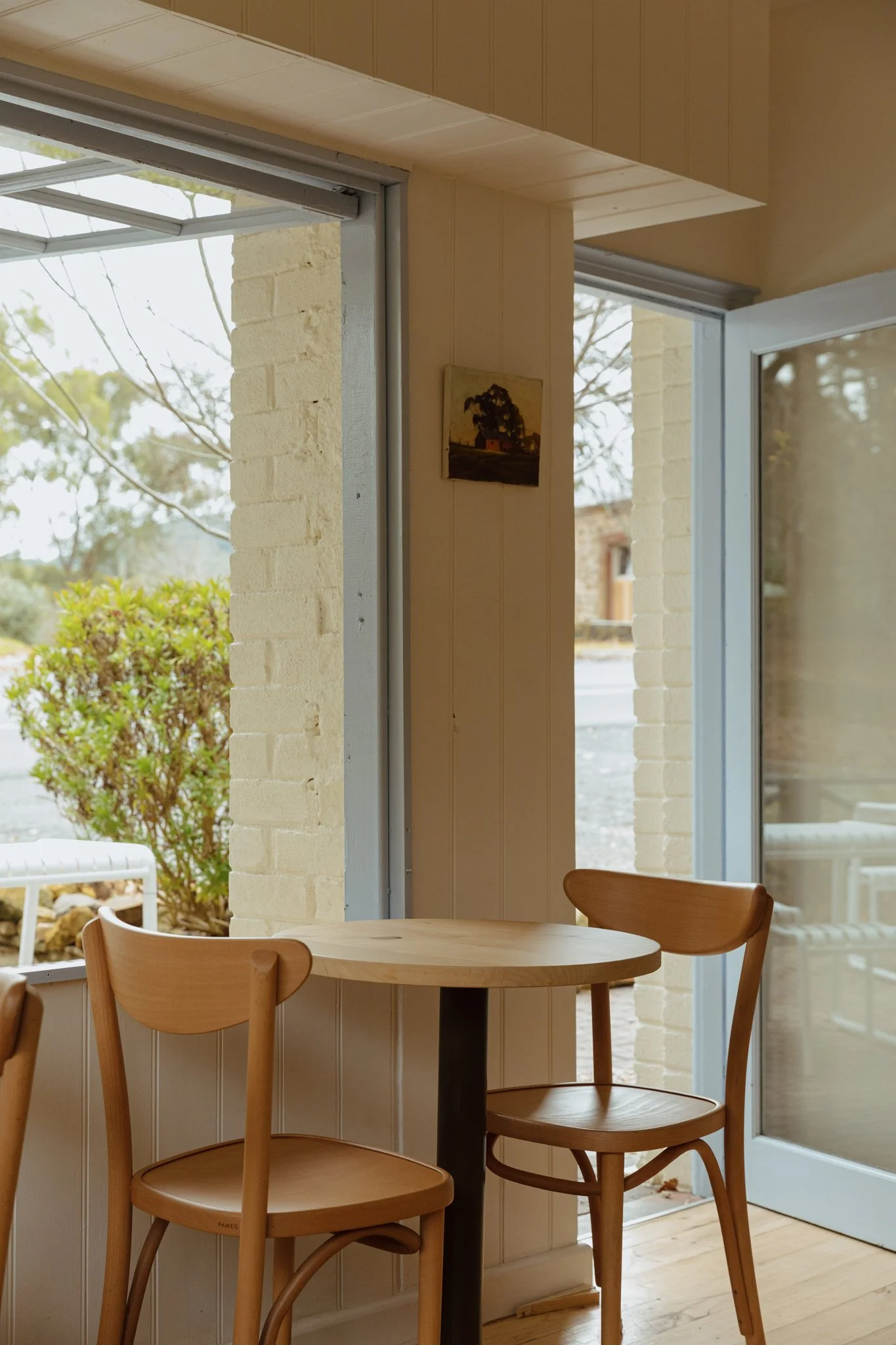
Material strategy carries equal weight. Rather than relying on new finishes to create identity, the design prioritises salvaged, repurposed, and restored components, pursued as both a cost approach and a commitment to circular economy principles. Working alongside like-minded builder Dusty Weatherald, Markwick-Smith limited new insertions and focused on adapting what already existed, sourcing from salvage yards and second-hand dealers, and redirecting materials otherwise destined for landfill. Elements such as a resized ash banquette from a previous project, stone offcuts reworked into counters and tables, re-powdercoated bases retained from a former tenant, deadstock linen drapery, stainless steel workbenches from a local defit, reworked counter carcasses, and Cyprus pine reclaimed from the earlier fit-out all contribute to a finish that reads intentional rather than improvised.
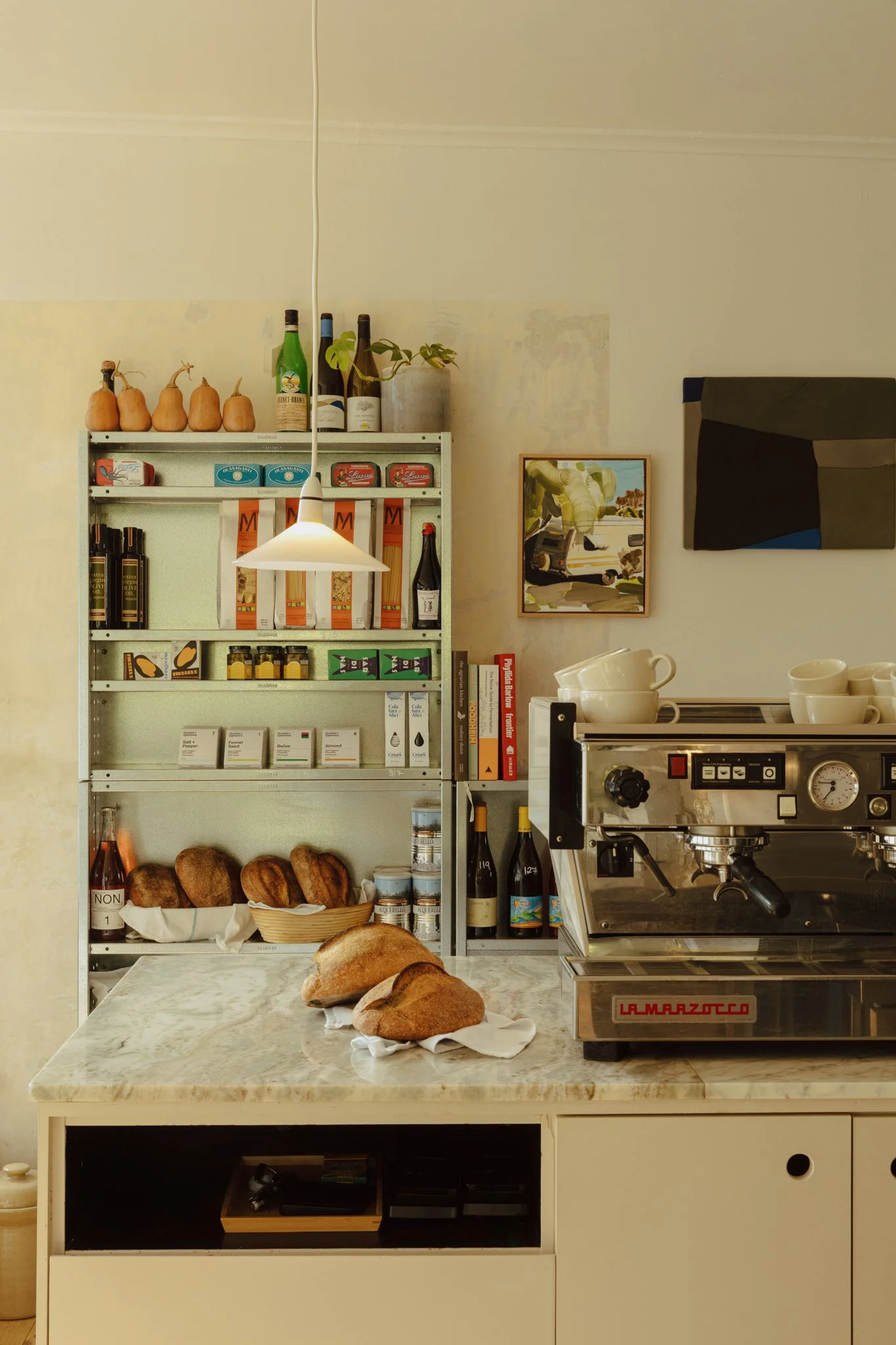
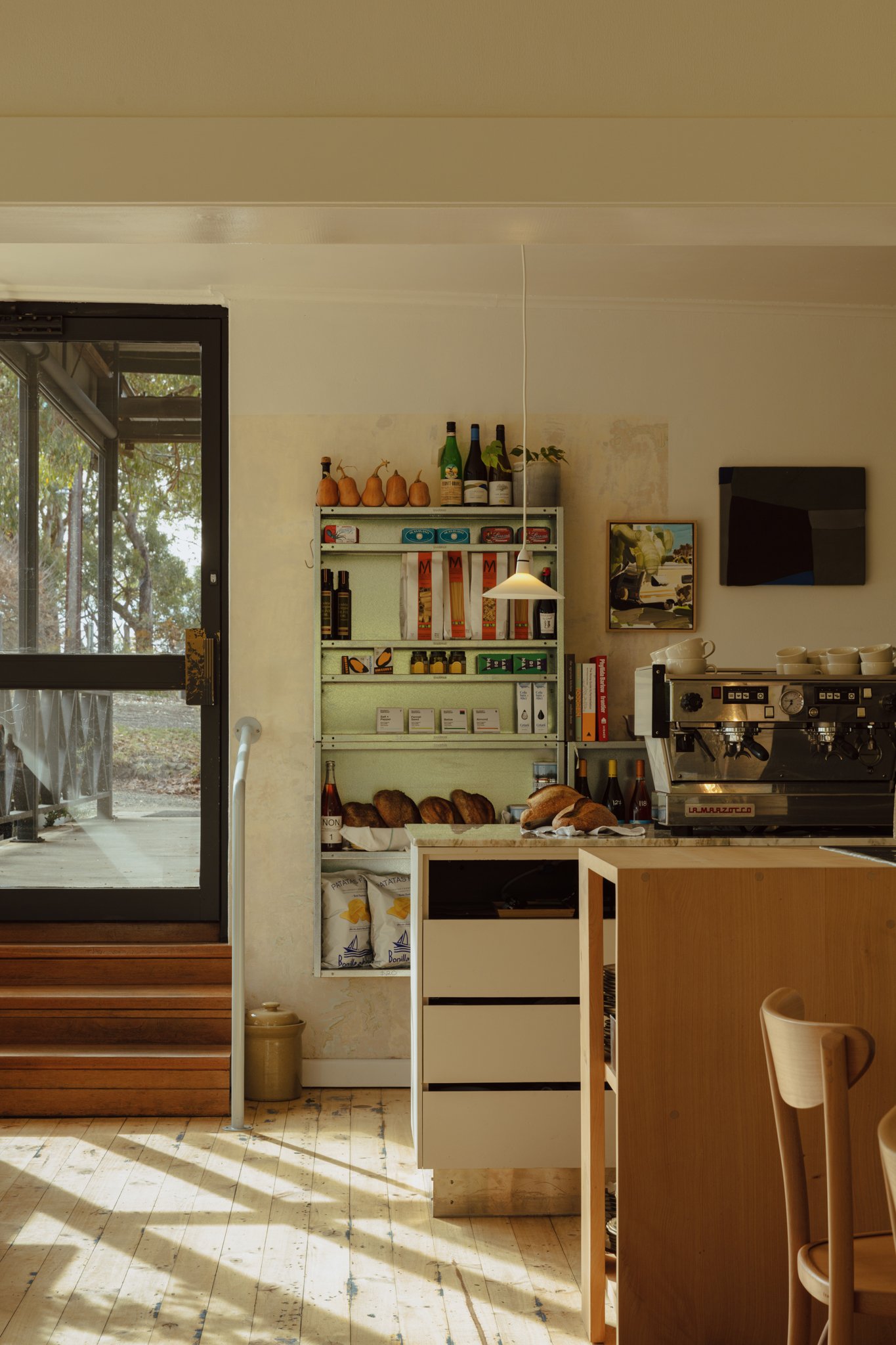
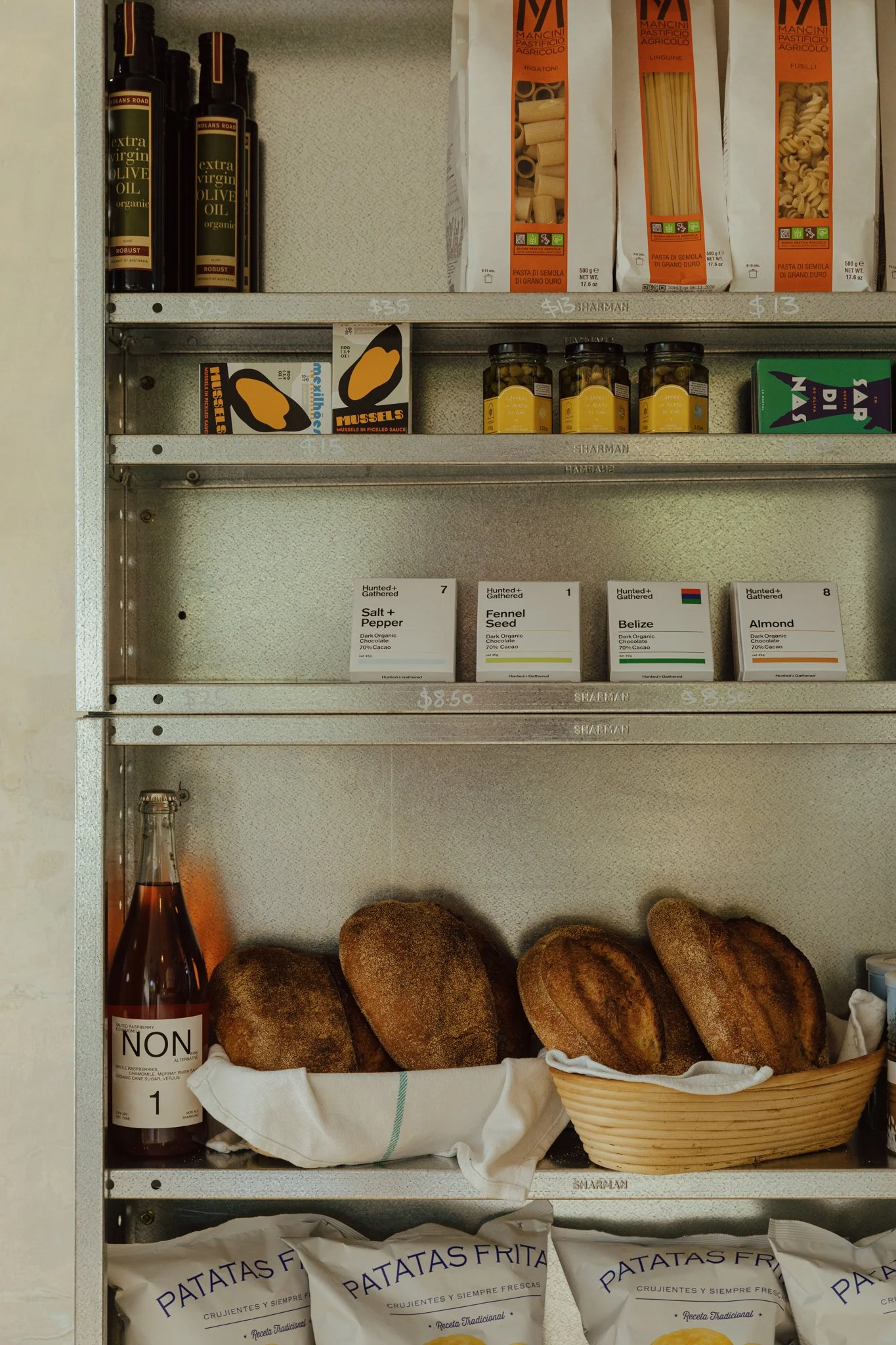
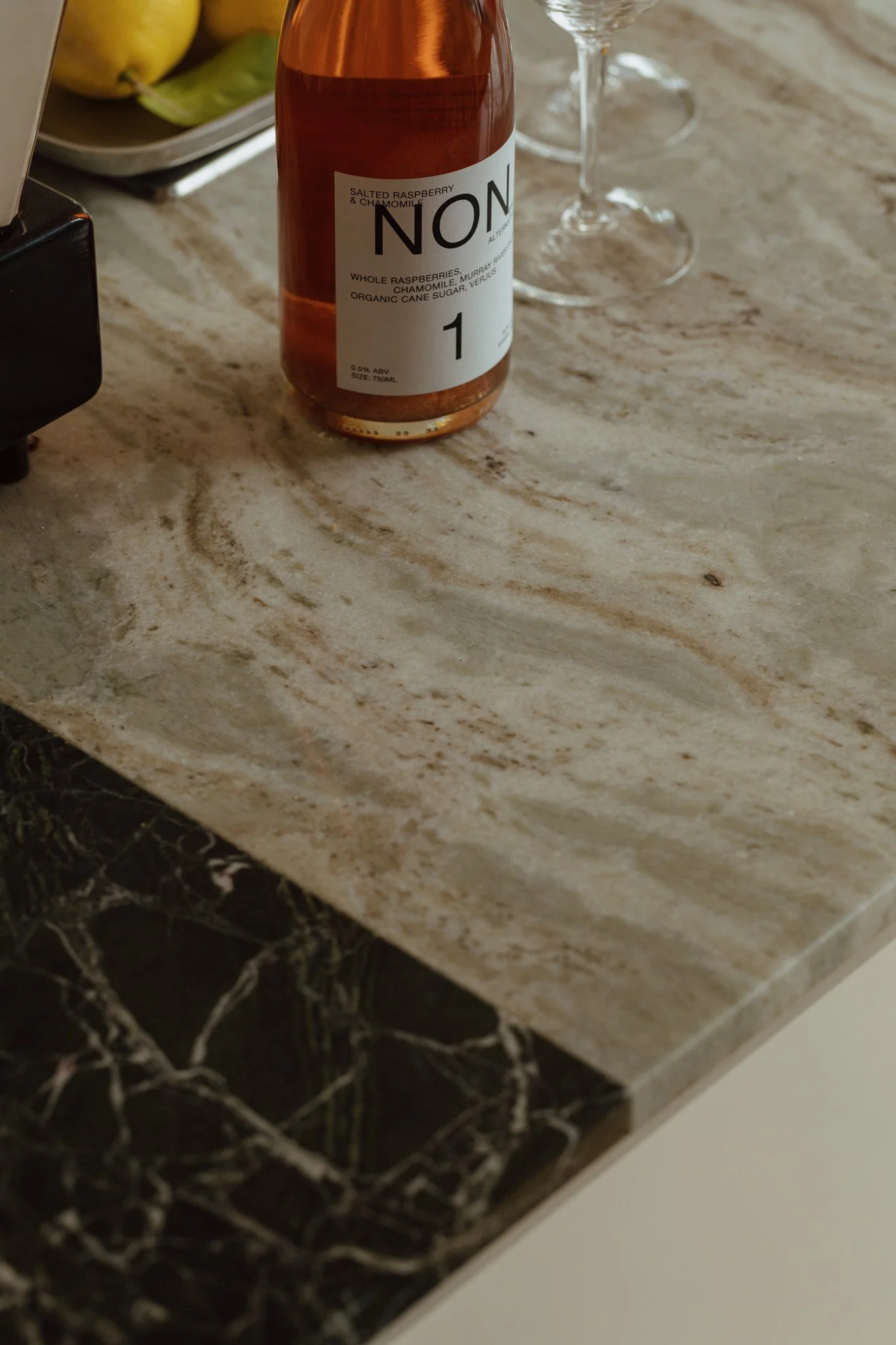
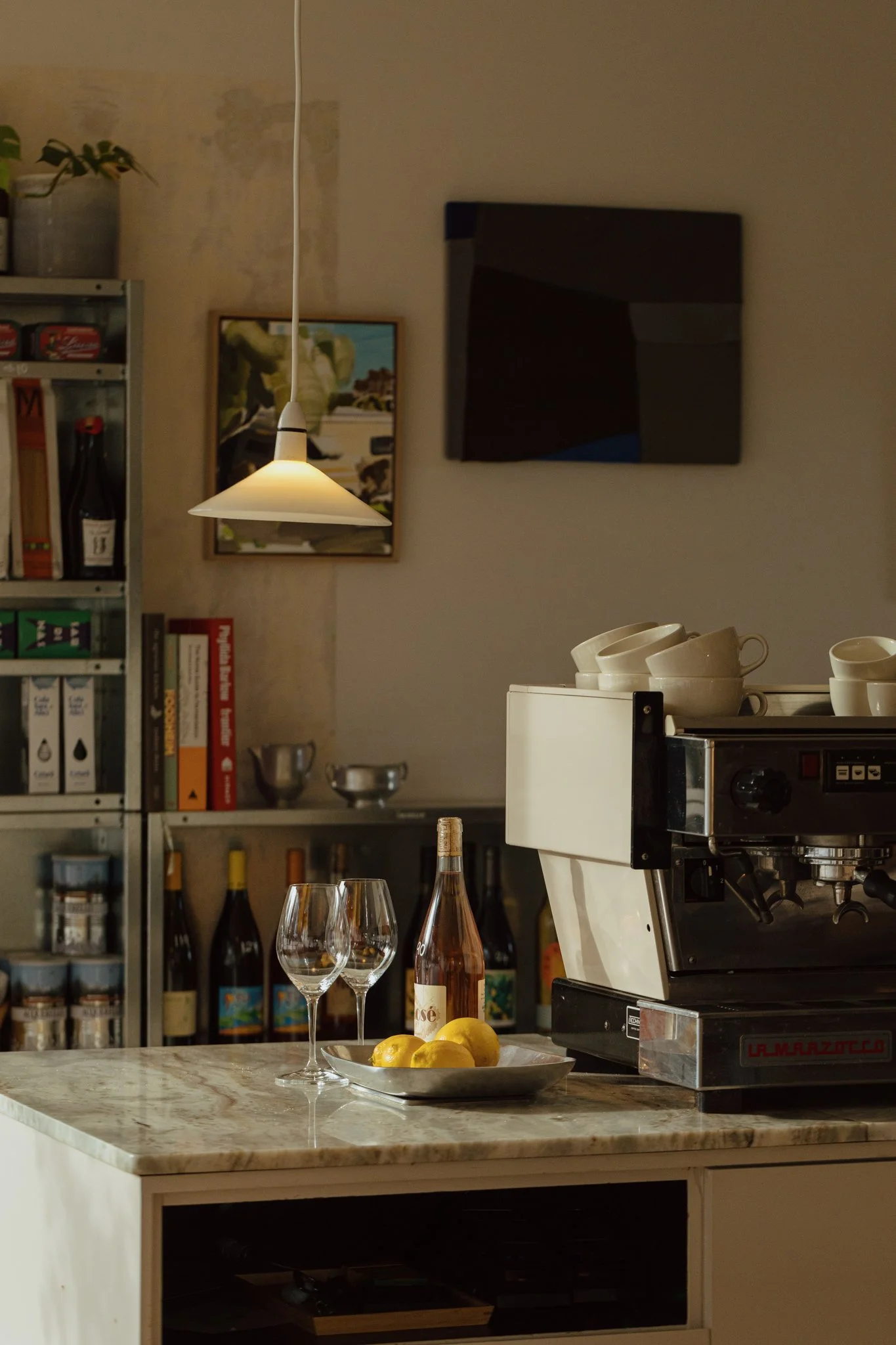
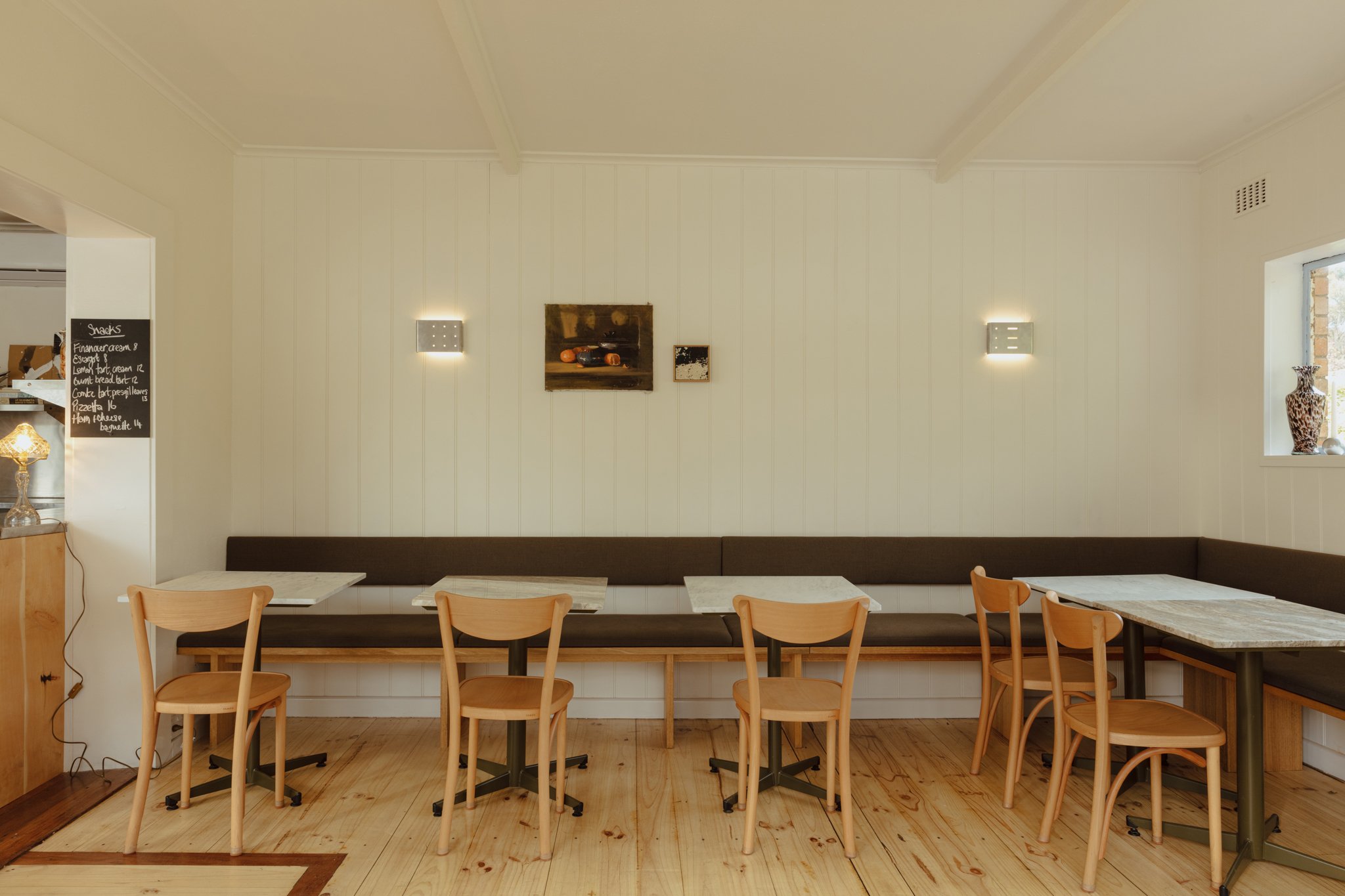
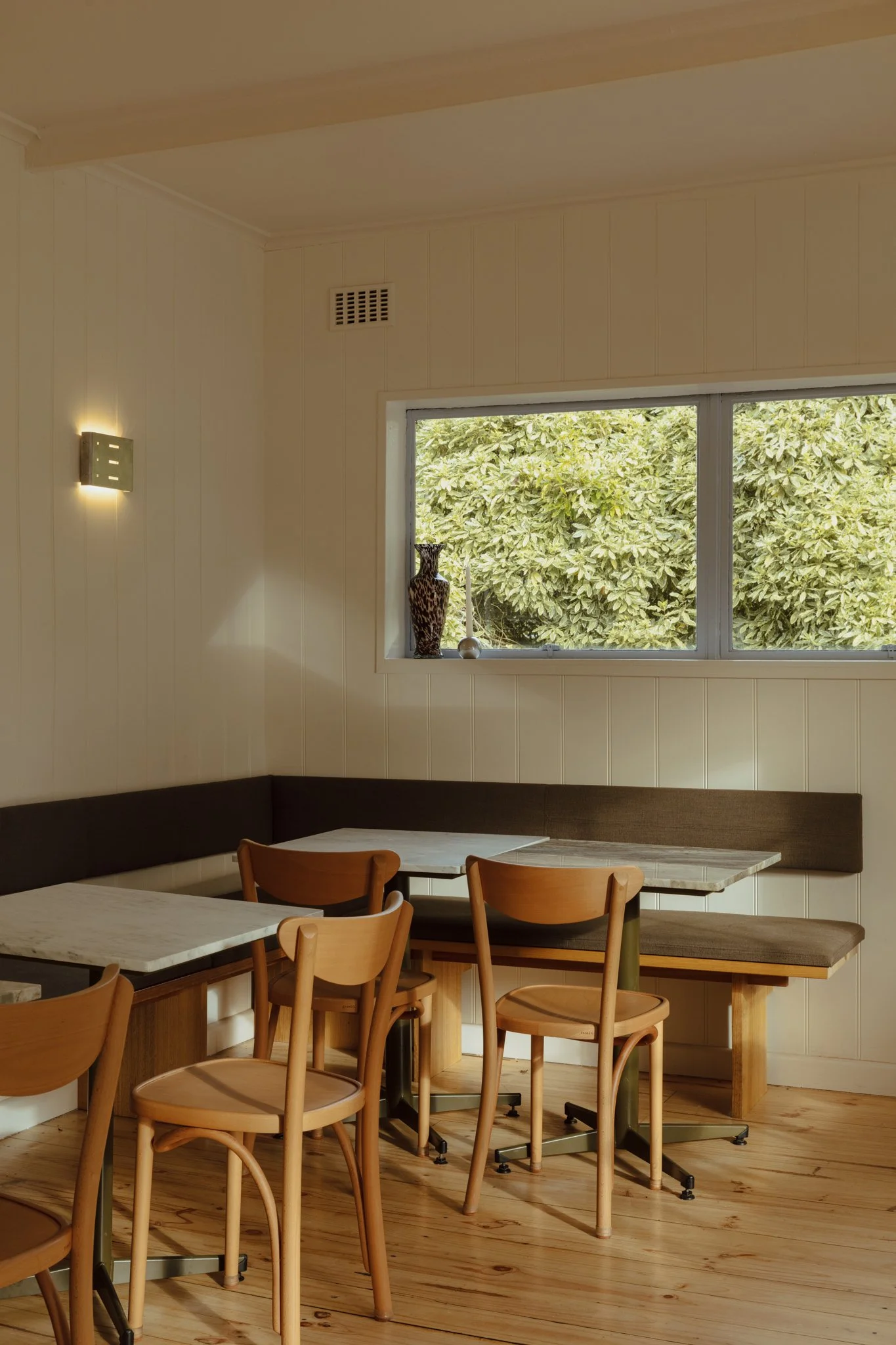
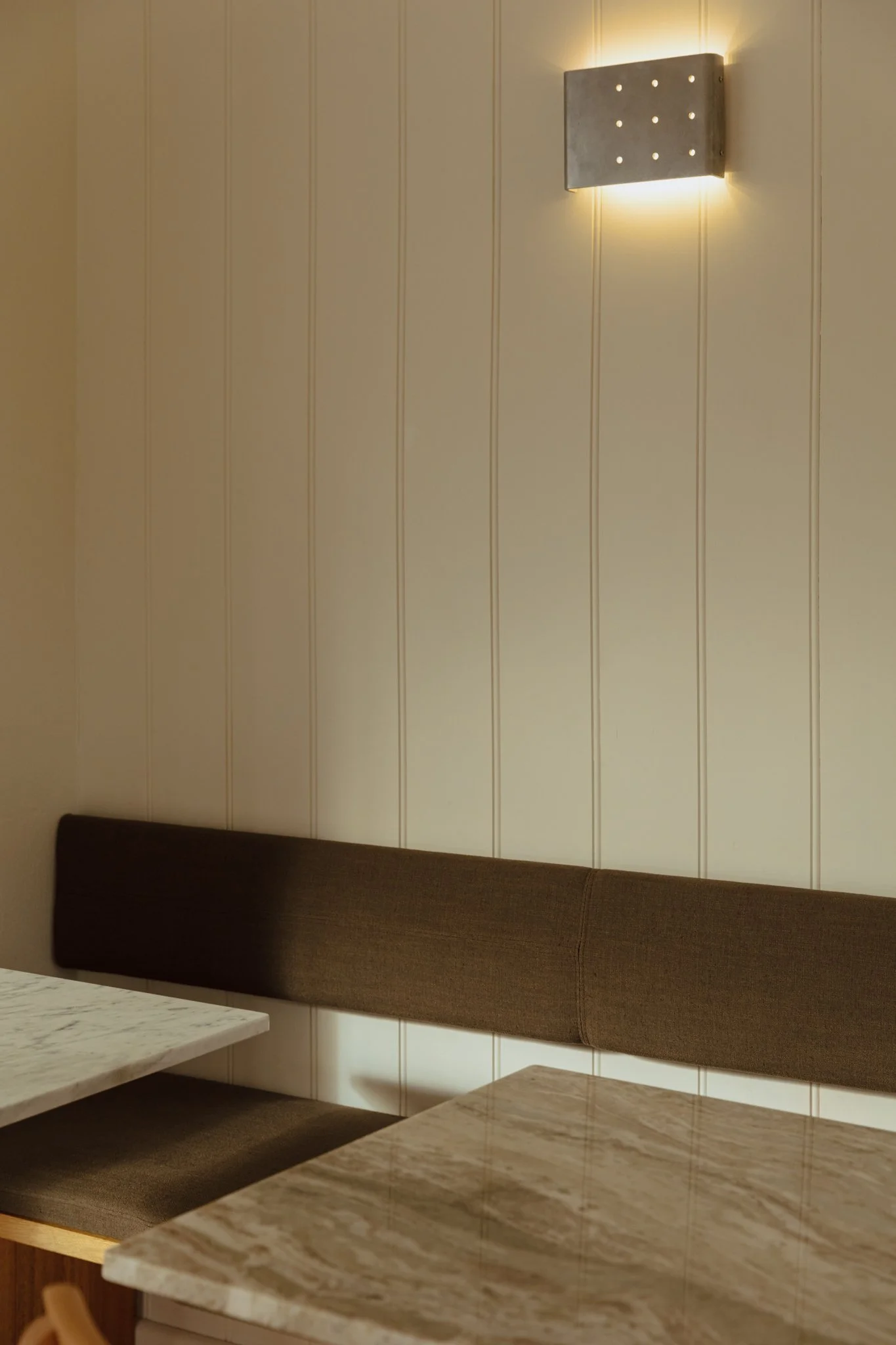
Construction constraints further shaped the design language. Limited space to work on-site, short lead times, and reduced access to external trades steered the project toward simple forms, legible assemblies, and techniques achievable through workshop-based making. This allowed the designer to draw on object-design methods and hands-on problem solving, keeping detailing tight while ensuring parts of the build could be executed without specialised skills. The client’s practical, cost-saving involvement also supported an approach that values straightforward construction and approachable maintenance.
Performance and sustainability are addressed through both planning and material choices. The interior is organised to support an efficient service loop, with thresholds between retail, takeaway, and dining carefully blended so the venue can shift throughout the day. At the same time, the reliance on repurposed joinery, stone offcuts, and reclaimed stainless steel reduces waste and environmental impact while introducing a lived-in patina that suits a produce-led, community-oriented venue. Thelma demonstrates how salvage and reuse can be handled with precision, creating a hospitality space that feels grounded, functional, and refined within the realities of a small business priority focus.