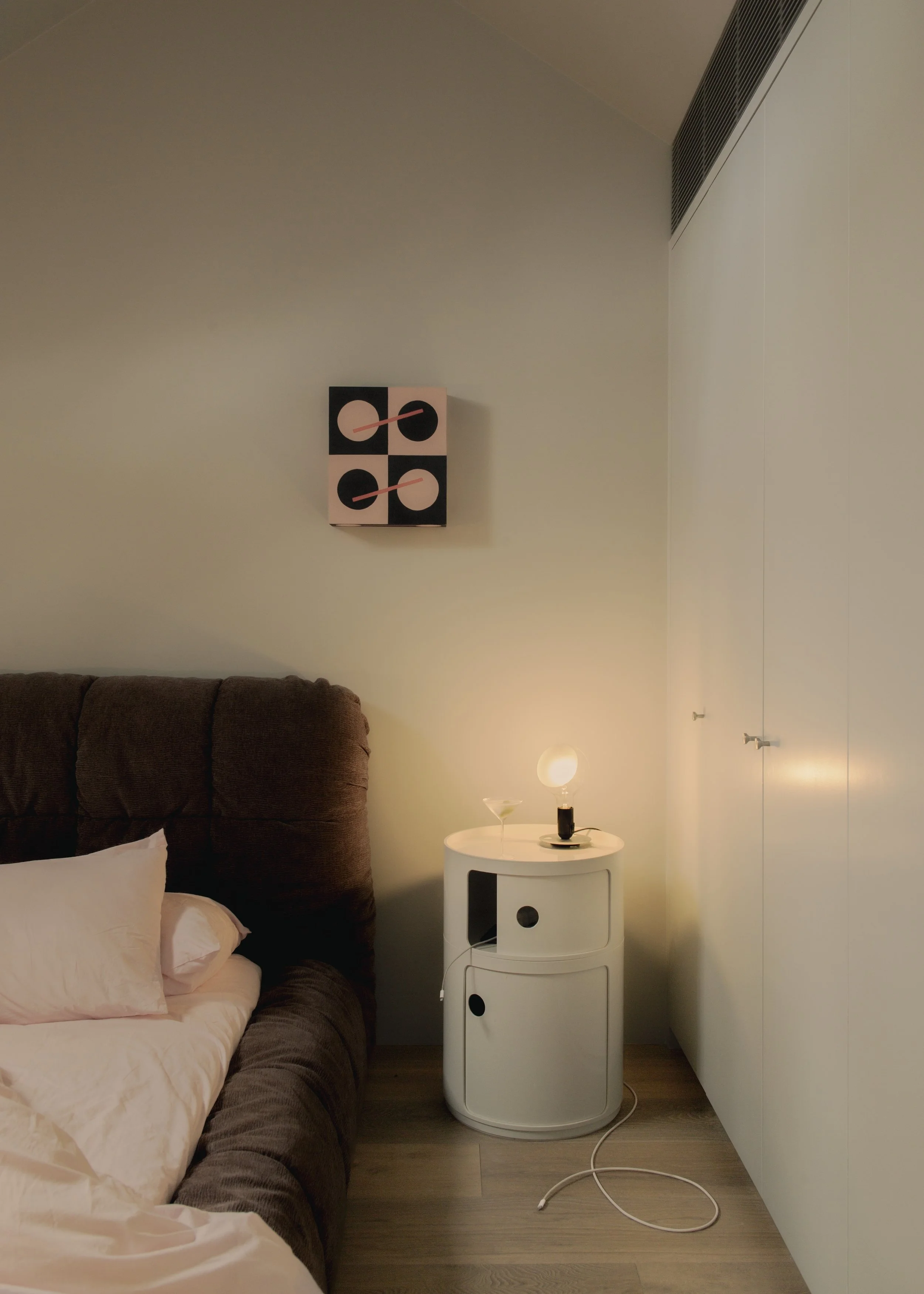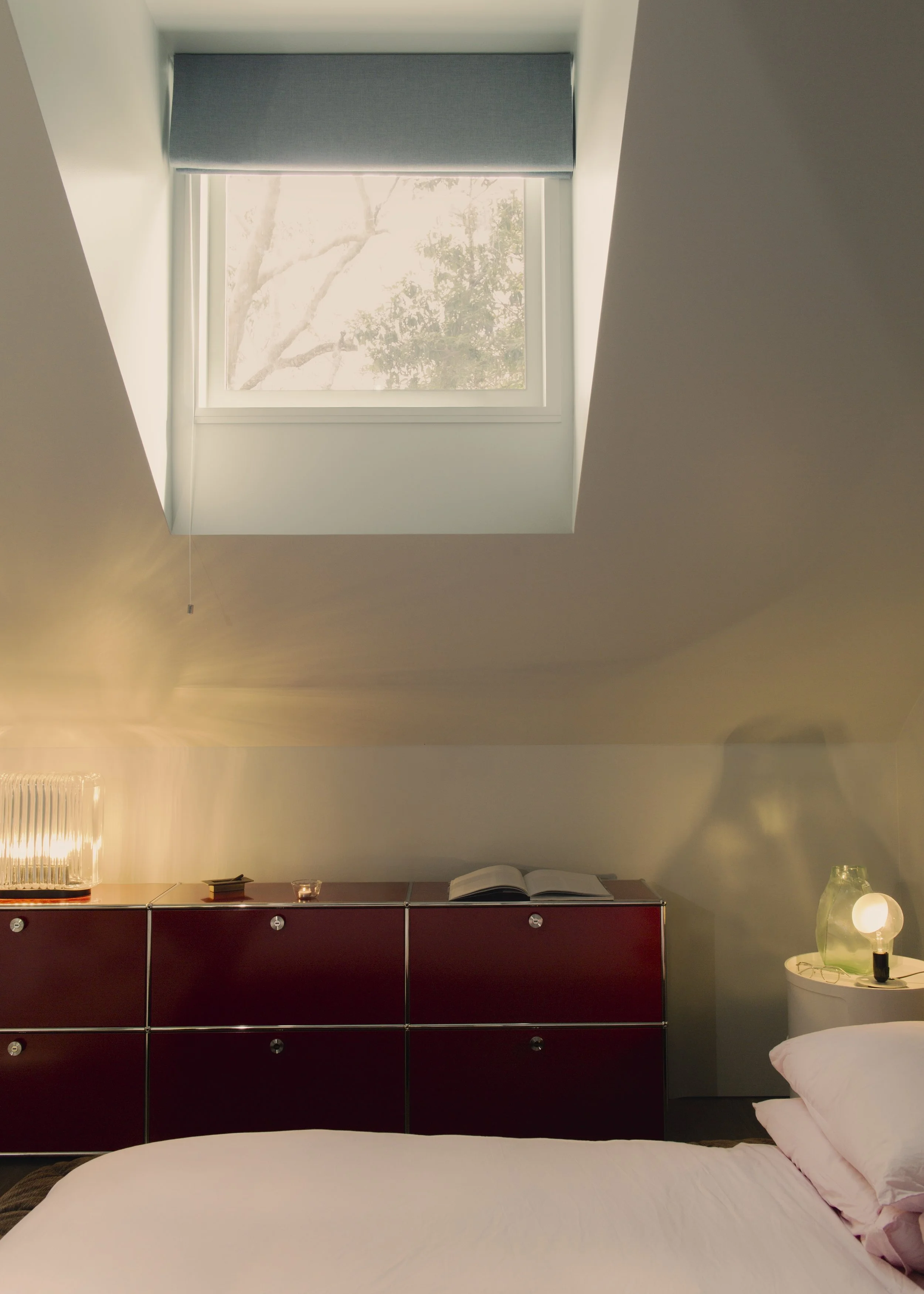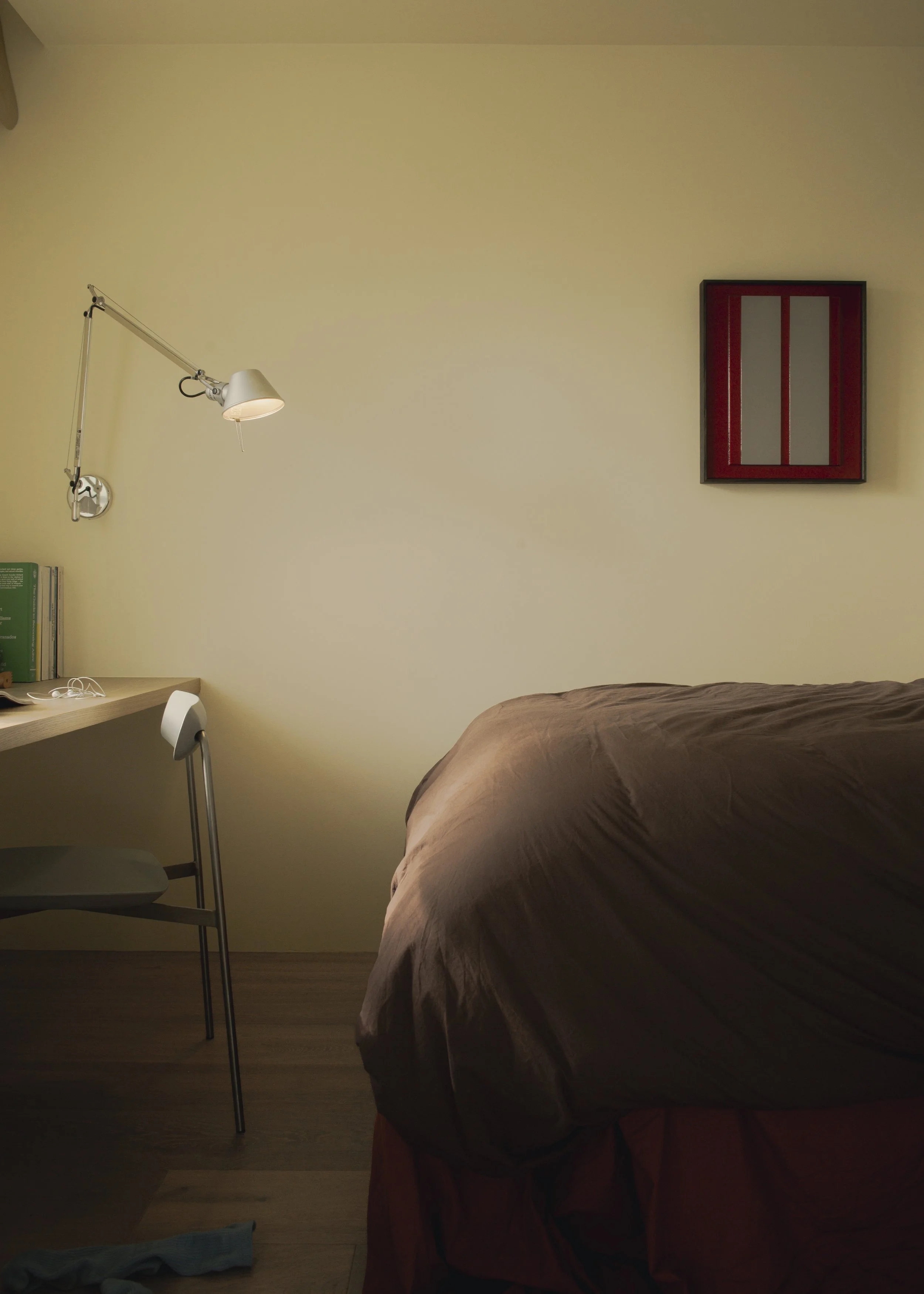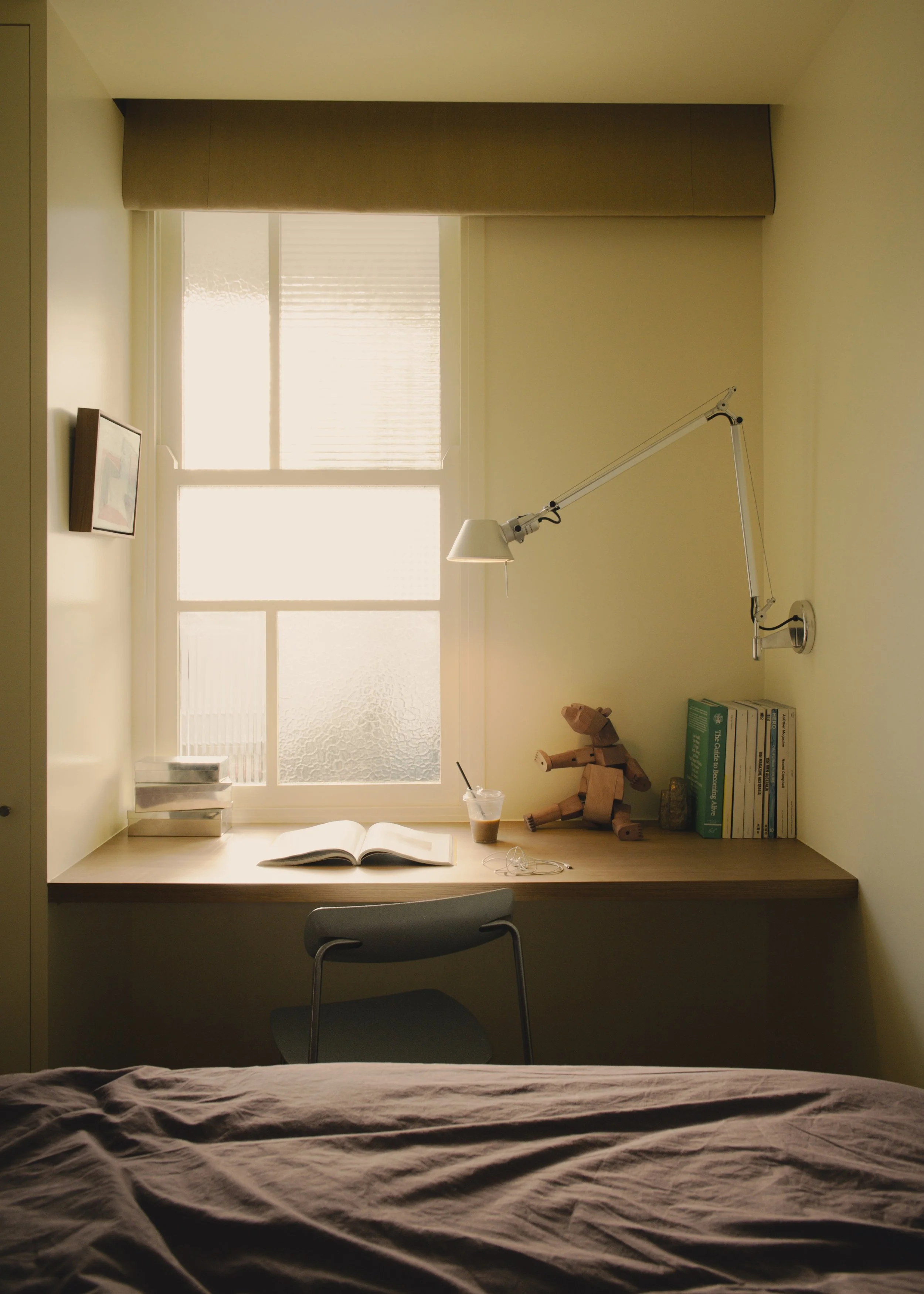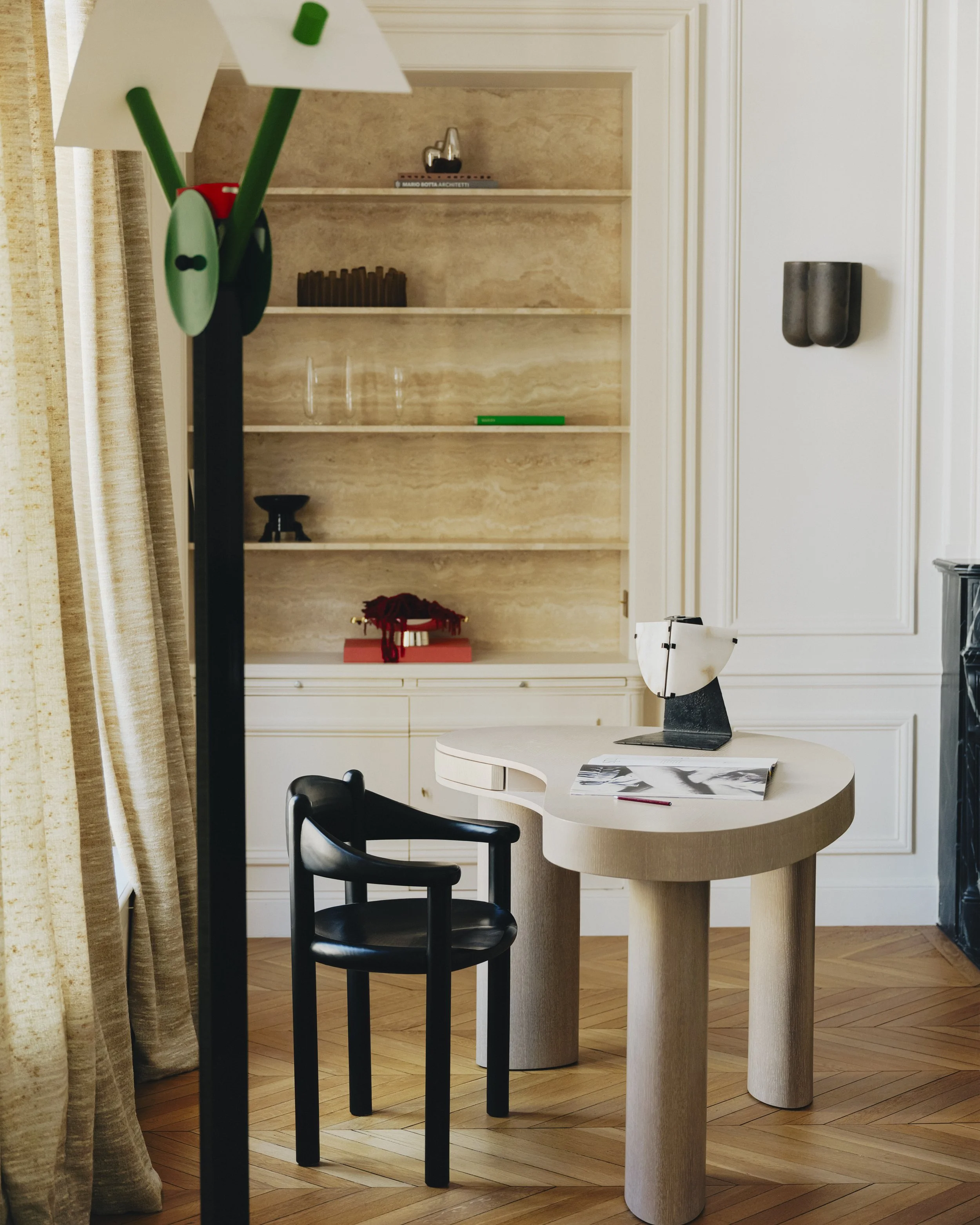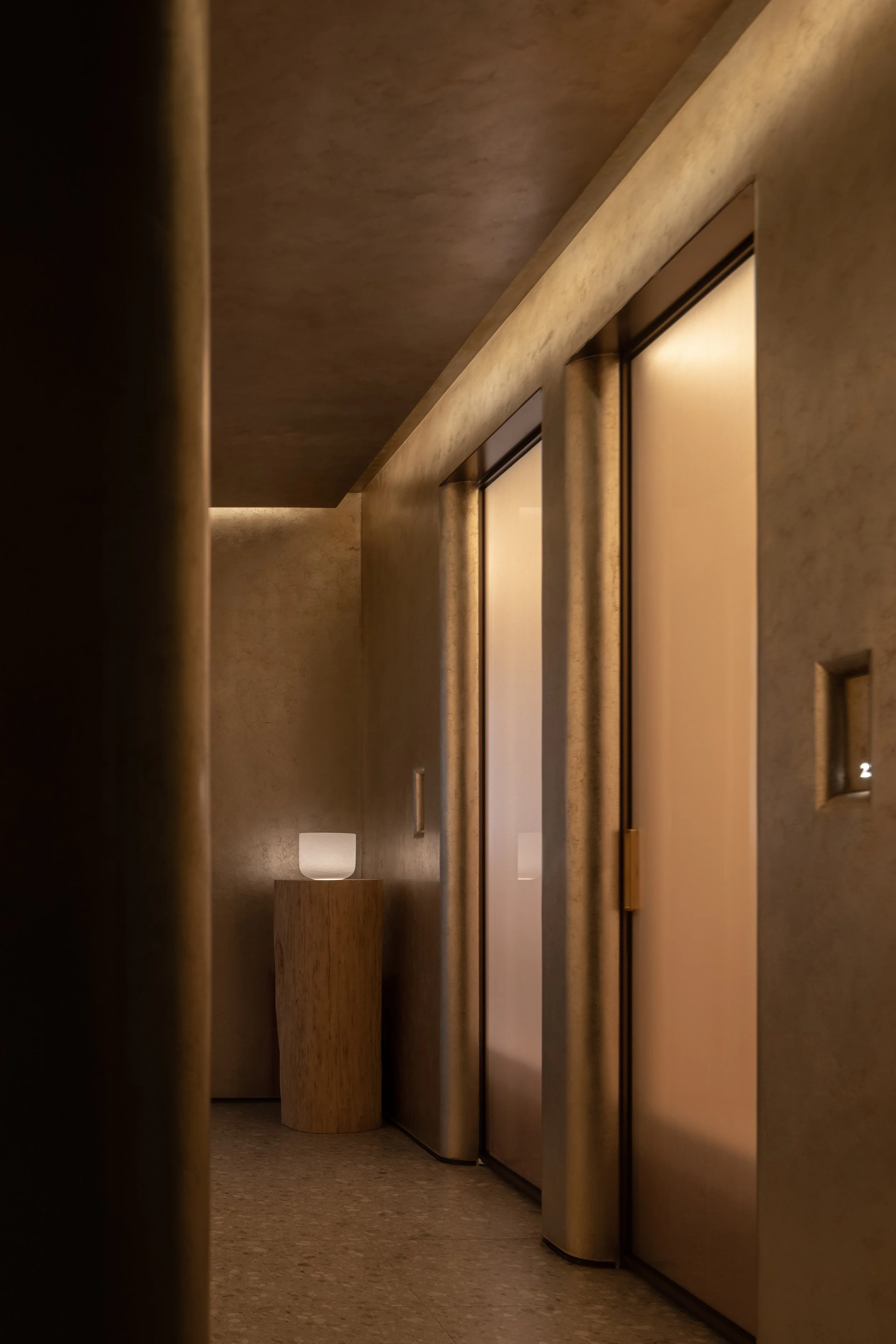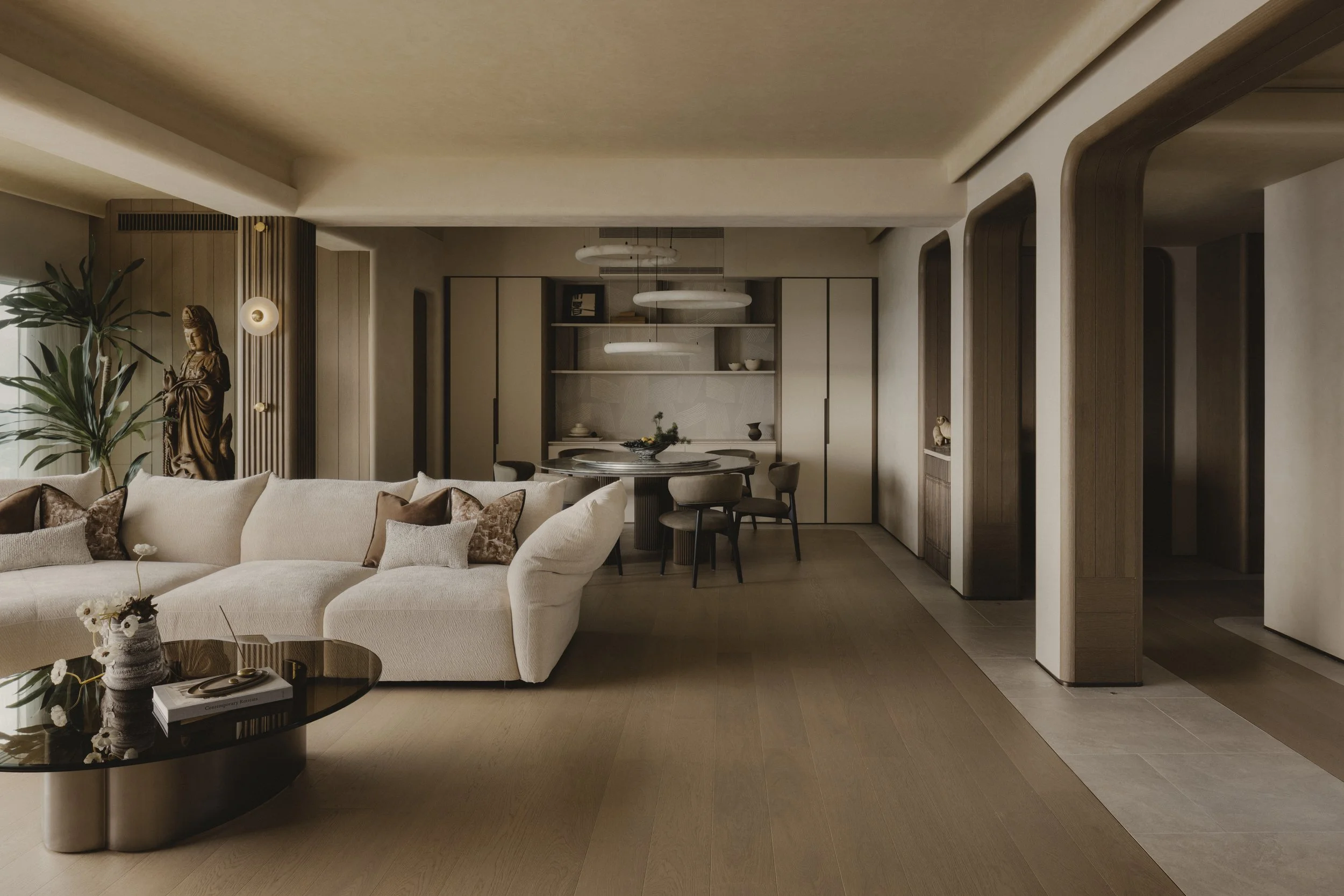
Little James by Studio Carson Kelly
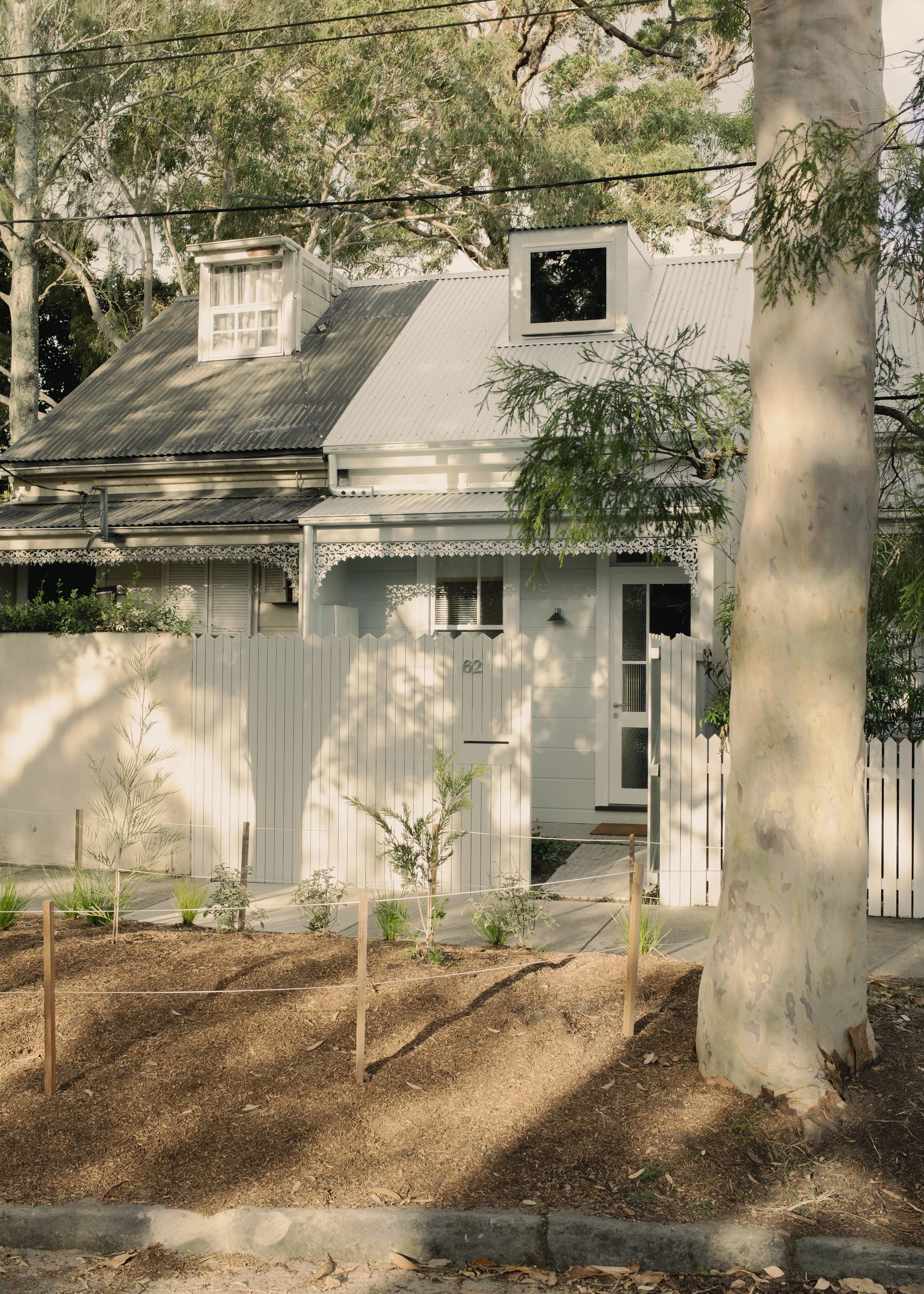
For a year, they occupied the semi cottage while reworking its future, observing how light entered the narrow site, where the plan failed, and which parts of the house held latent potential.
Set within a leafy inner-city cul-de-sac, the original cottage presented familiar limitations. Its footprint was narrow, its interior could easily have become compressed, and any additional spatial generosity had to be found within the existing constraints. The project answers this condition through precision. Space is not gained through expansion, but through a careful recalibration of movement, light, material, and function.
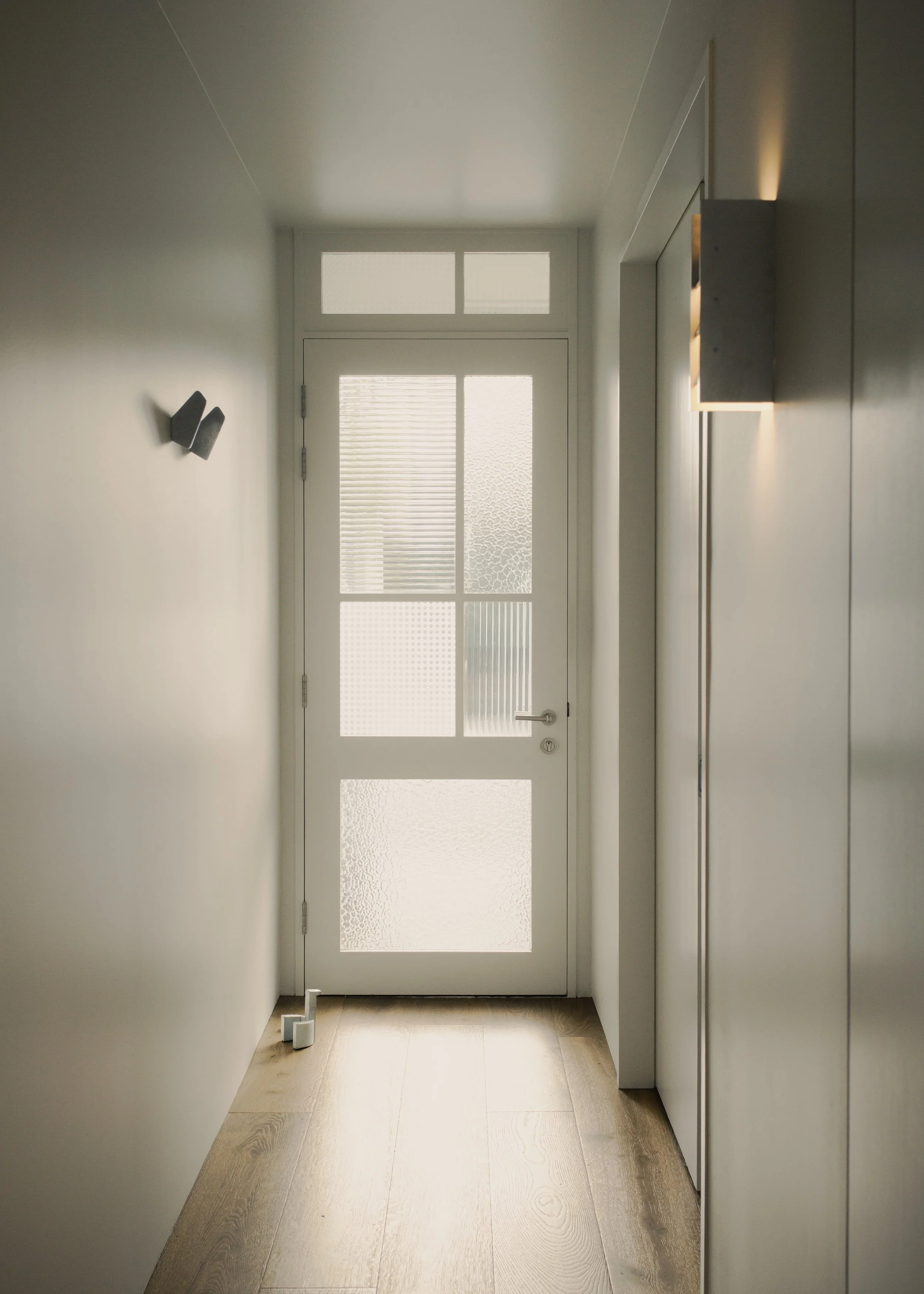
The planning is central to the house’s transformation. Circulation is compressed and absorbed into the architecture, allowing the interior to operate with greater efficiency. A dog-legged stair becomes both passage and infrastructure, integrating the laundry within its form and leading to a compact landing above. From this point, each bedroom takes advantage of the full boundary-to-boundary width of the site. Corridors are reduced, and movement is folded into the working structure of the home.
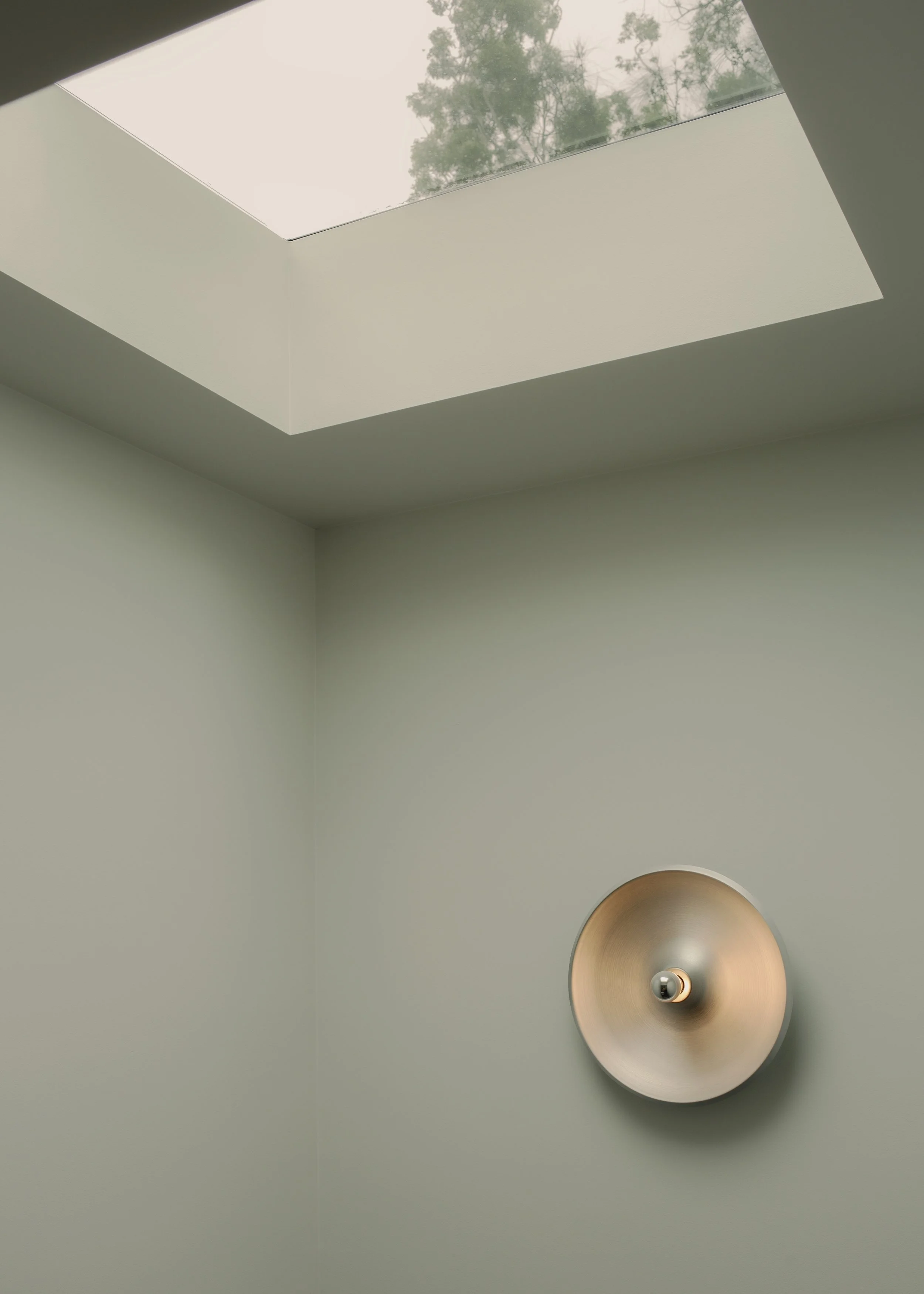
Light is introduced through the roof as a primary architectural device, with a series of skylights drawing brightness deep into the section of a house that could otherwise have felt compressed. A boundary-to-boundary rooflight at the centre of the plan brings daylight into the core, while clerestory glazing extends its reach vertically, allowing the interior to shift in atmosphere across the day and making the footprint feel more expansive than its dimensions suggest.
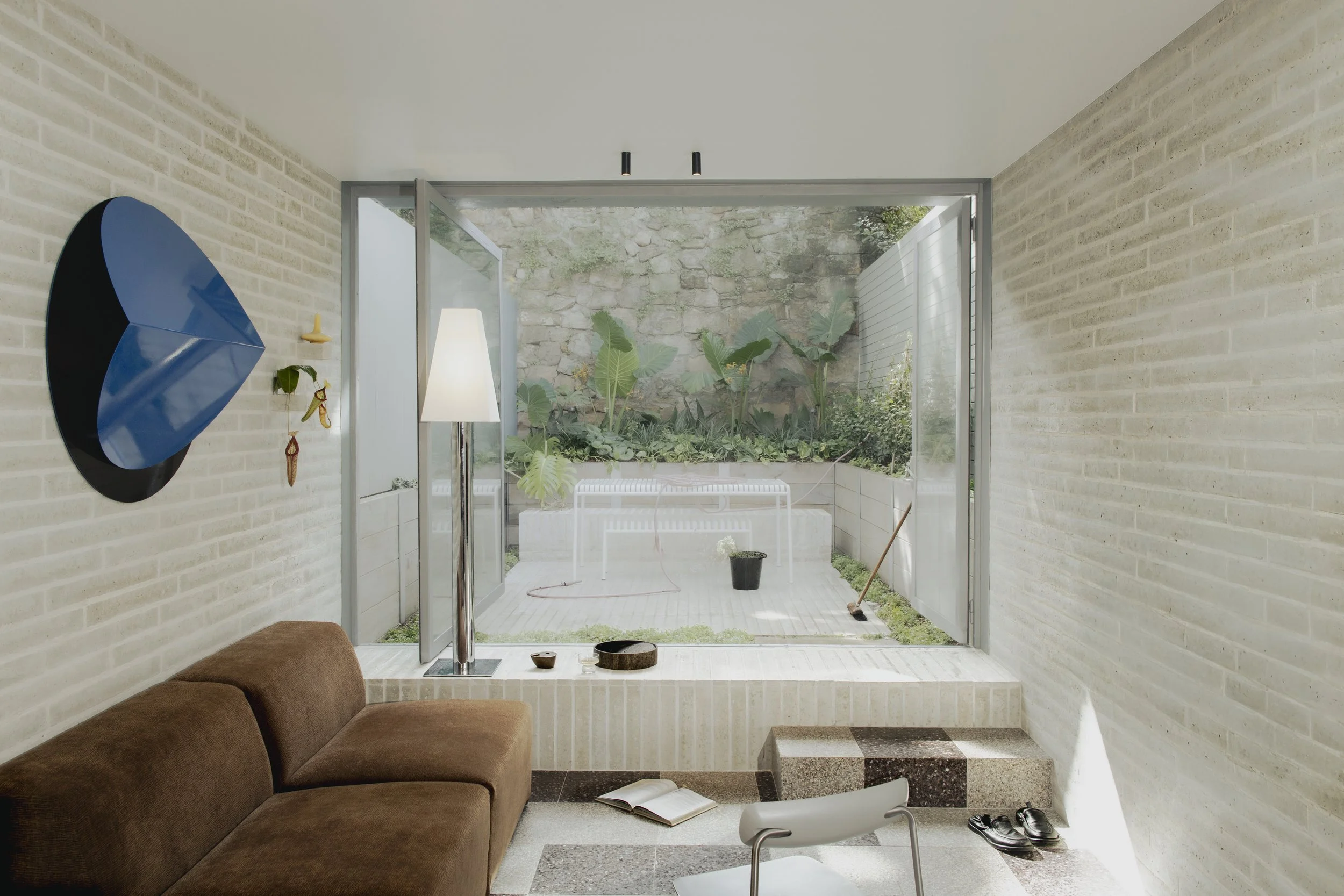
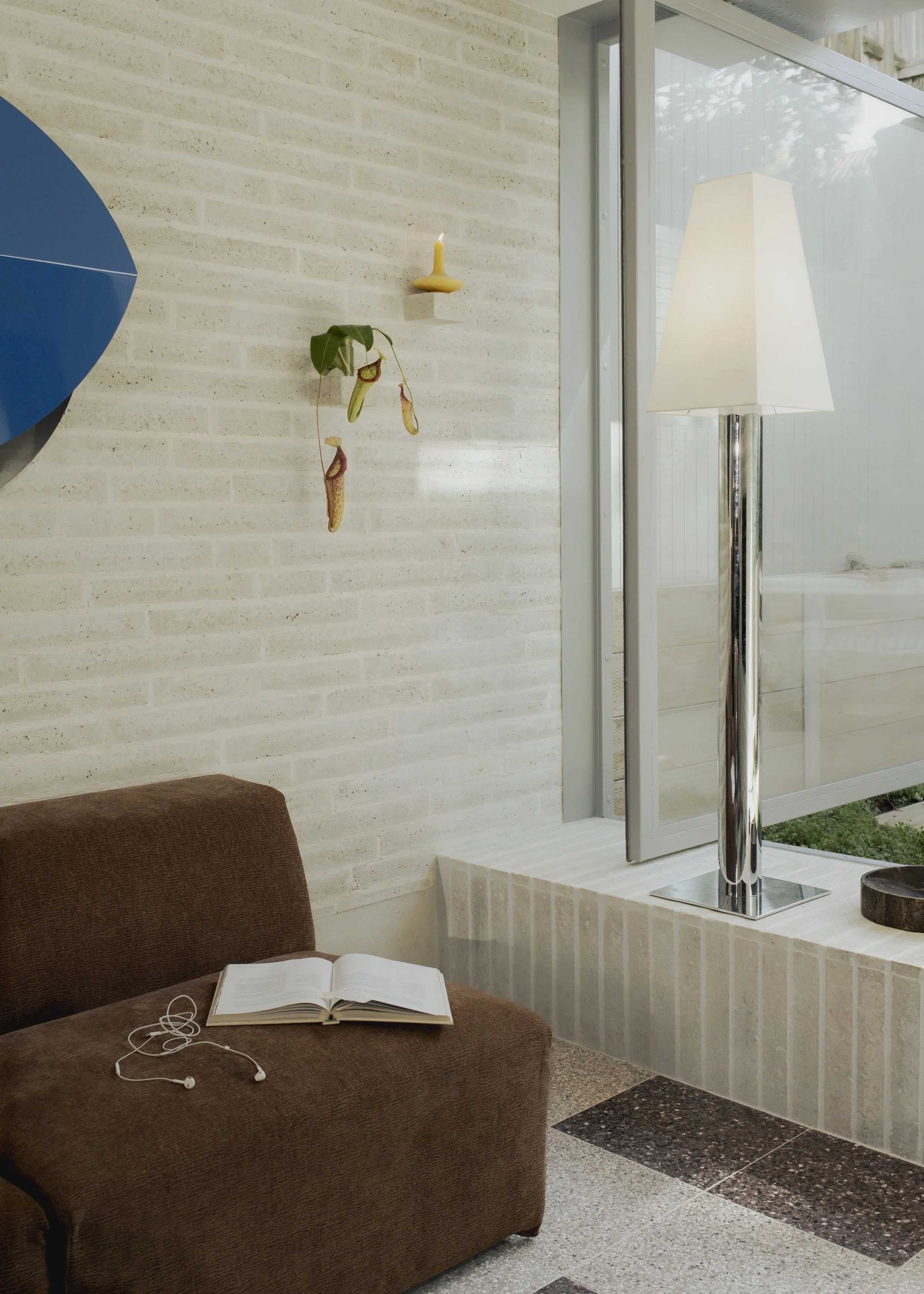
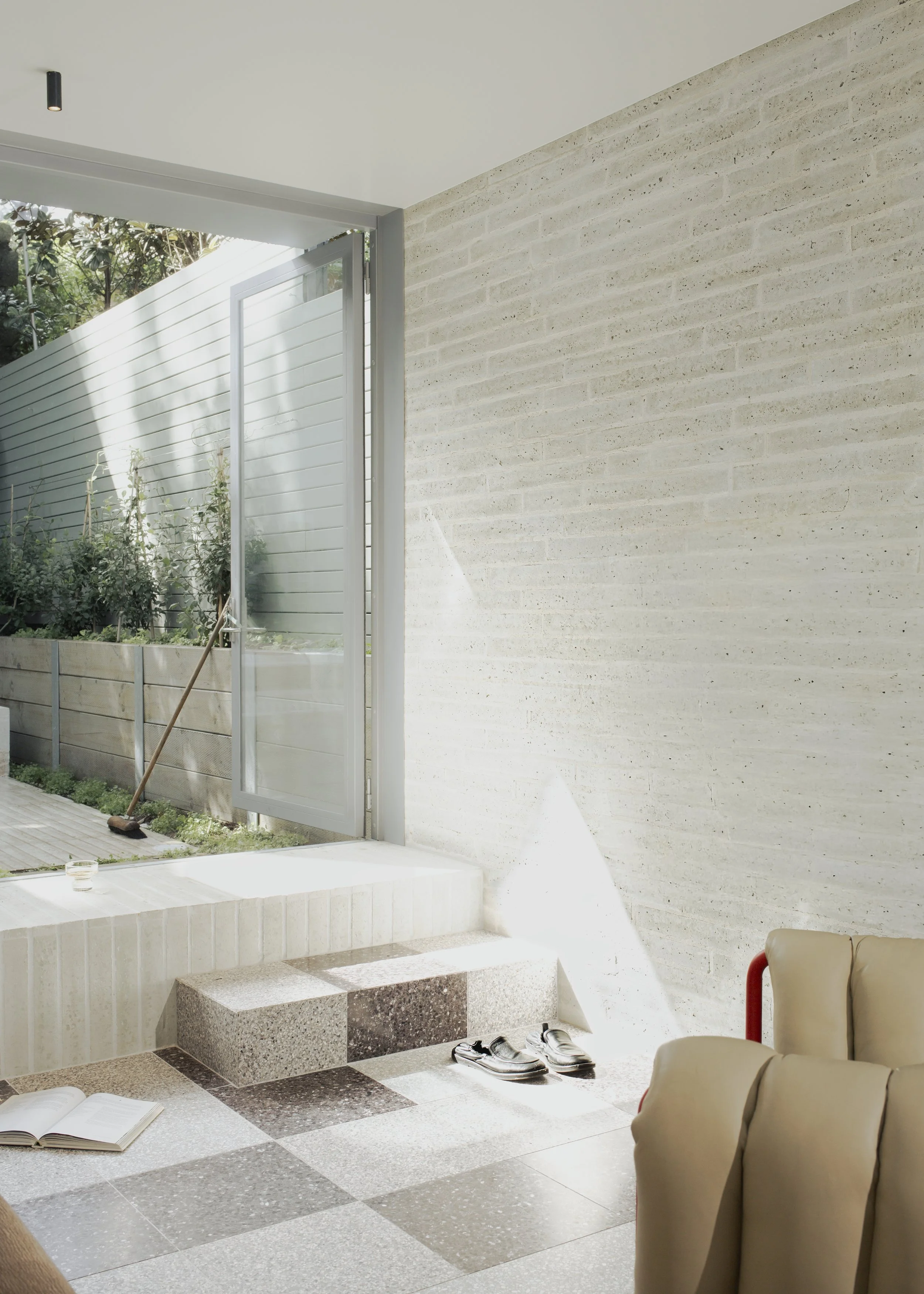
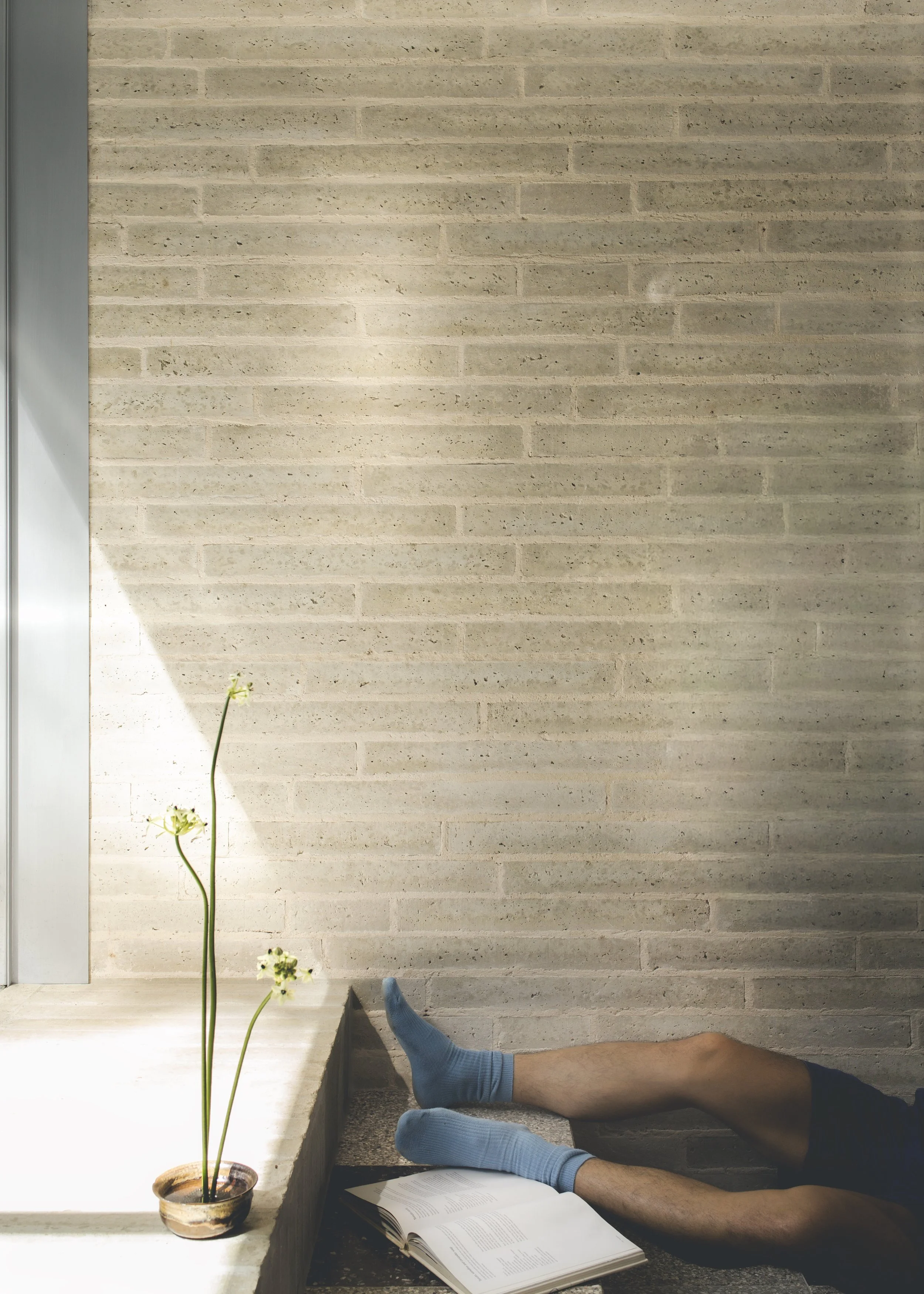
Across the house, materials are selected for the way they define zones while maintaining a coherent language between inside and out. A custom elongated brick format carries the exterior character into the interior, appearing in the courtyard floor, rising into built-in seating, and forming enclosing walls in key spaces. Through repetition across thresholds, the courtyard becomes a natural extension of the living space, adding depth and usability without increasing the footprint.
The lower level is anchored by a patchwork terrazzo field whose fragmented surface brings texture, variation, and a sense of permanence to the interior. As light moves across it throughout the day, the terrazzo shifts in tone and density, balancing the reflective qualities of the kitchen and the more enveloping stone surfaces found elsewhere in the house.
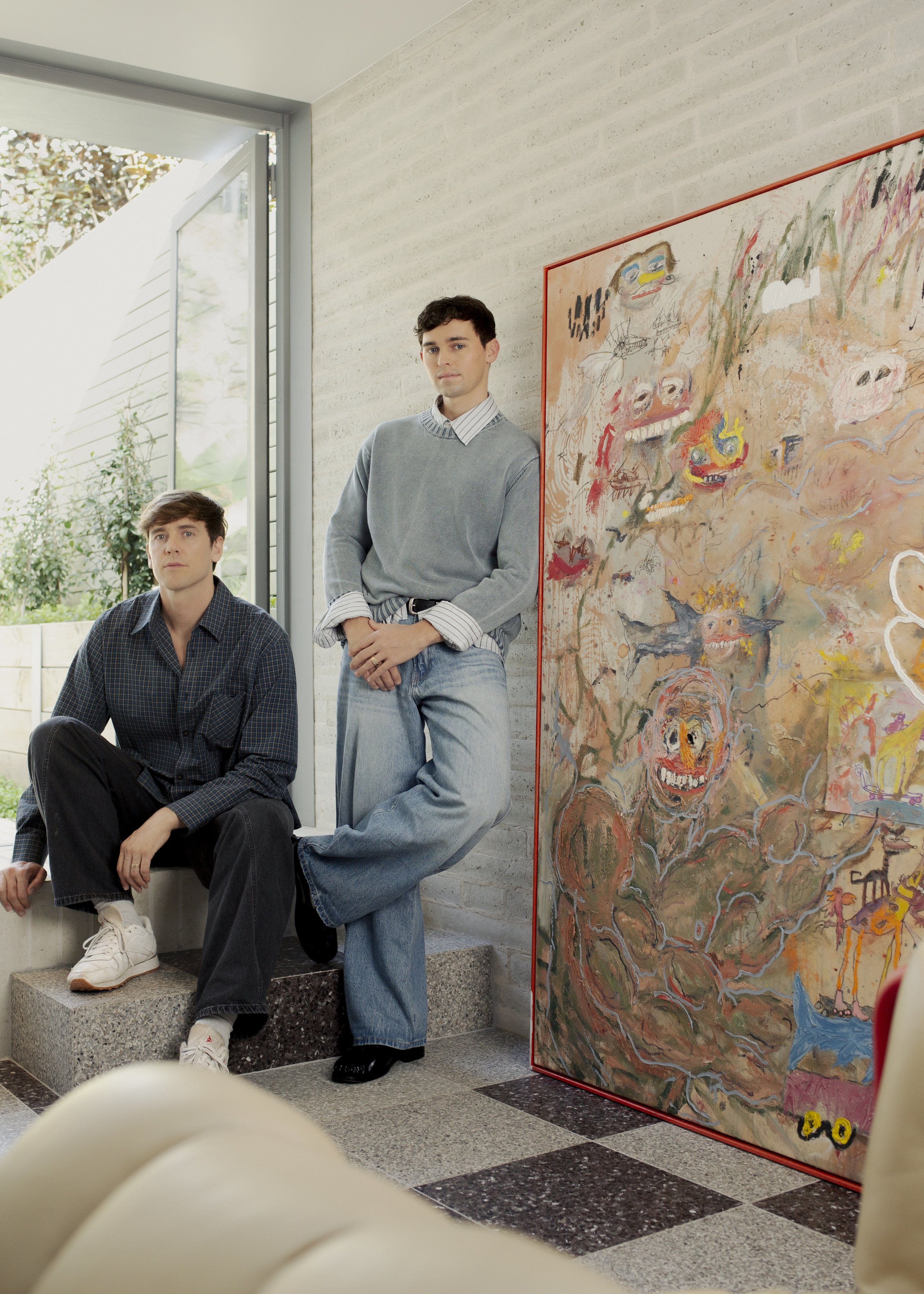
Little James is a compact Sydney residence shaped by an unusually direct brief. Designed by Studio Carson Kelly for its own principals, Klaus Carson Kelly and Nicholas Carson Kelly, the project began with the intimacy of lived experience.
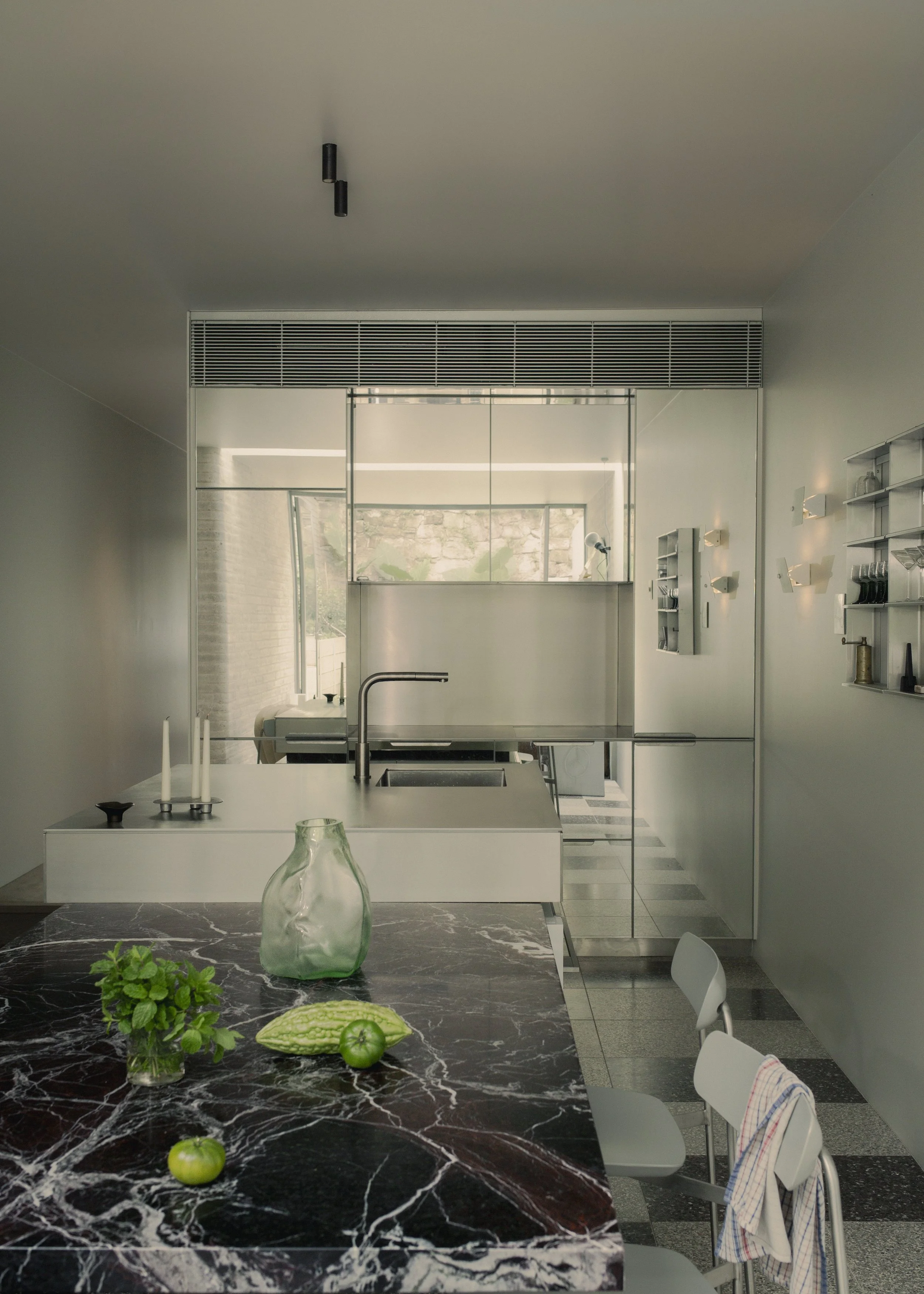
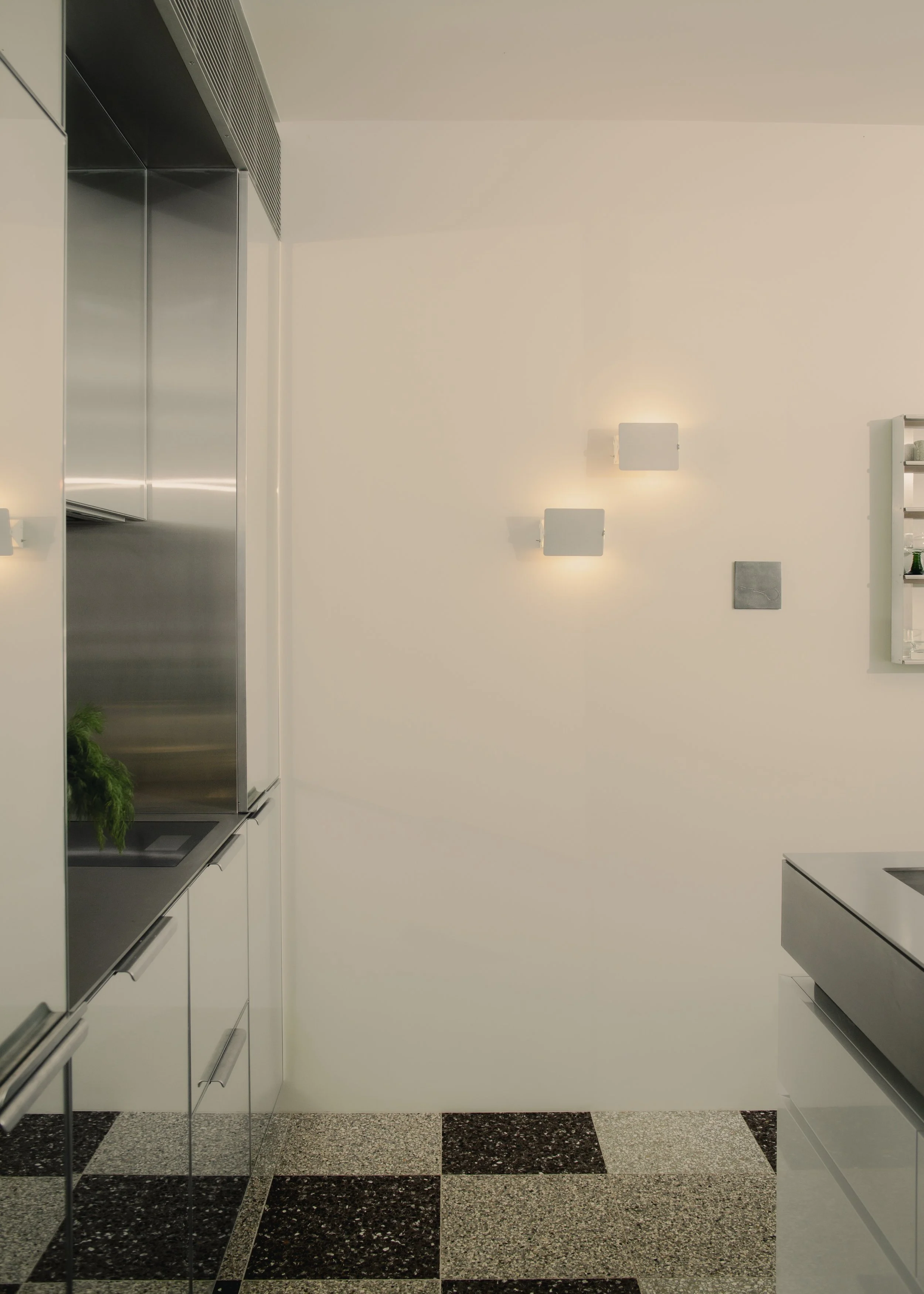
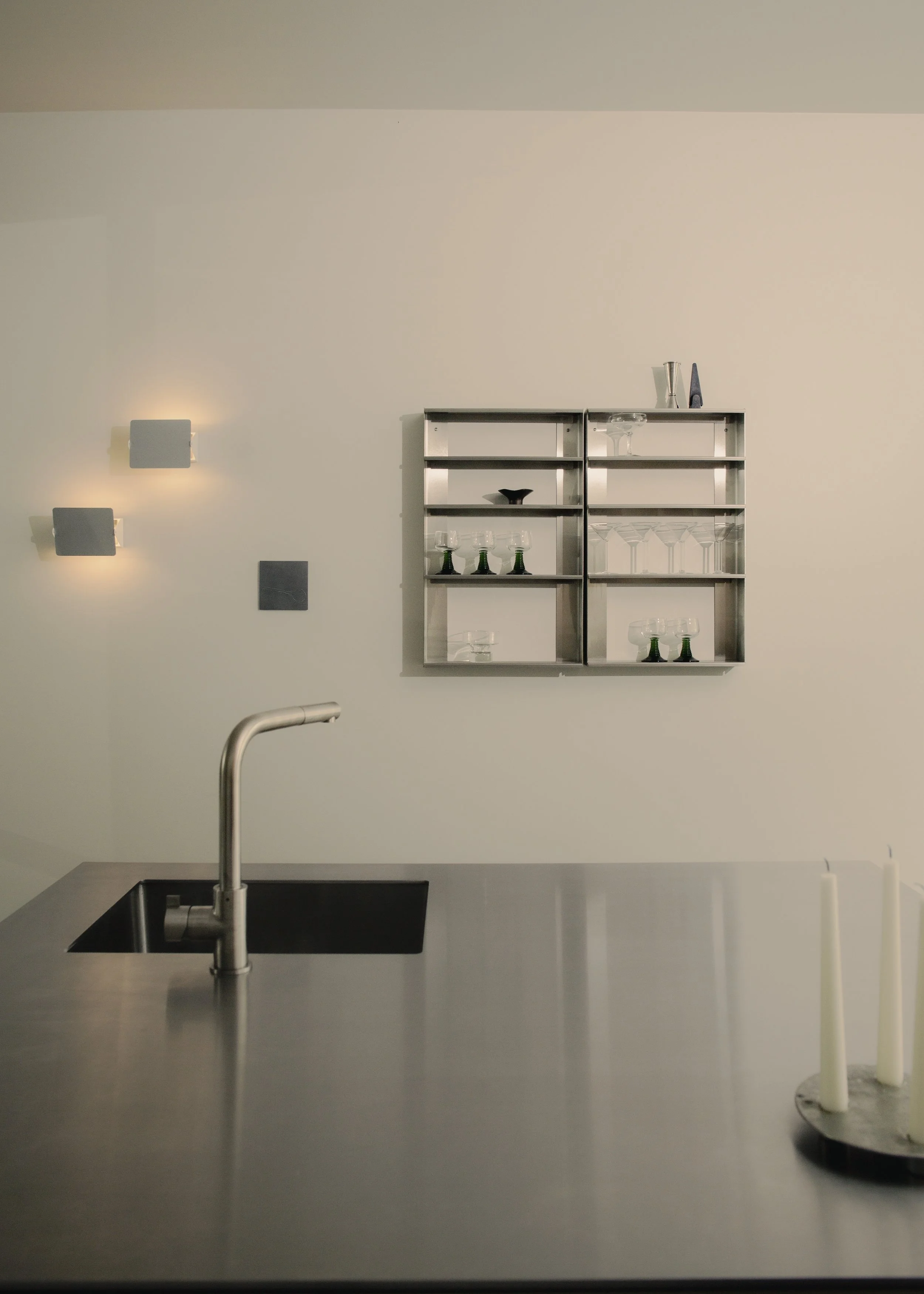
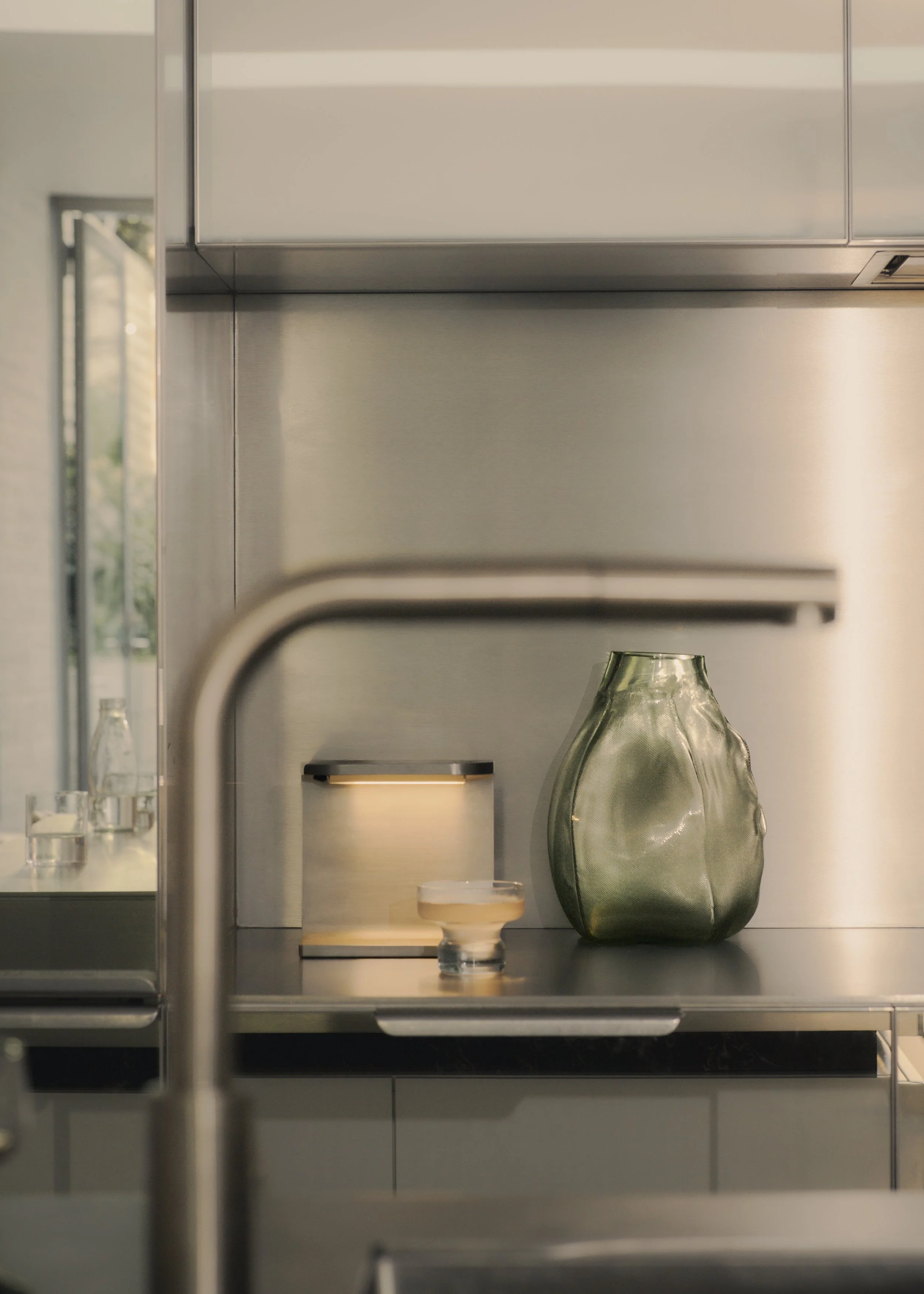

The kitchen is arranged as a connected sequence of working and social zones. Mirrored joinery forms the primary storage wall, drawing light through the space and extending sightlines across the narrow plan. A stainless steel work area intersects this volume with a precise, durable presence. Its reflective surface links back to the mirrored joinery, creating visual coherence while maintaining a highly functional character.
At the centre, a floating stone slab operates as dining table, island, and gathering point. Pulled away from the perimeter, it allows circulation on all sides while consolidating multiple domestic functions into one monolithic element. This keeps the kitchen open, flexible, and proportioned for daily use as well as social occupation.
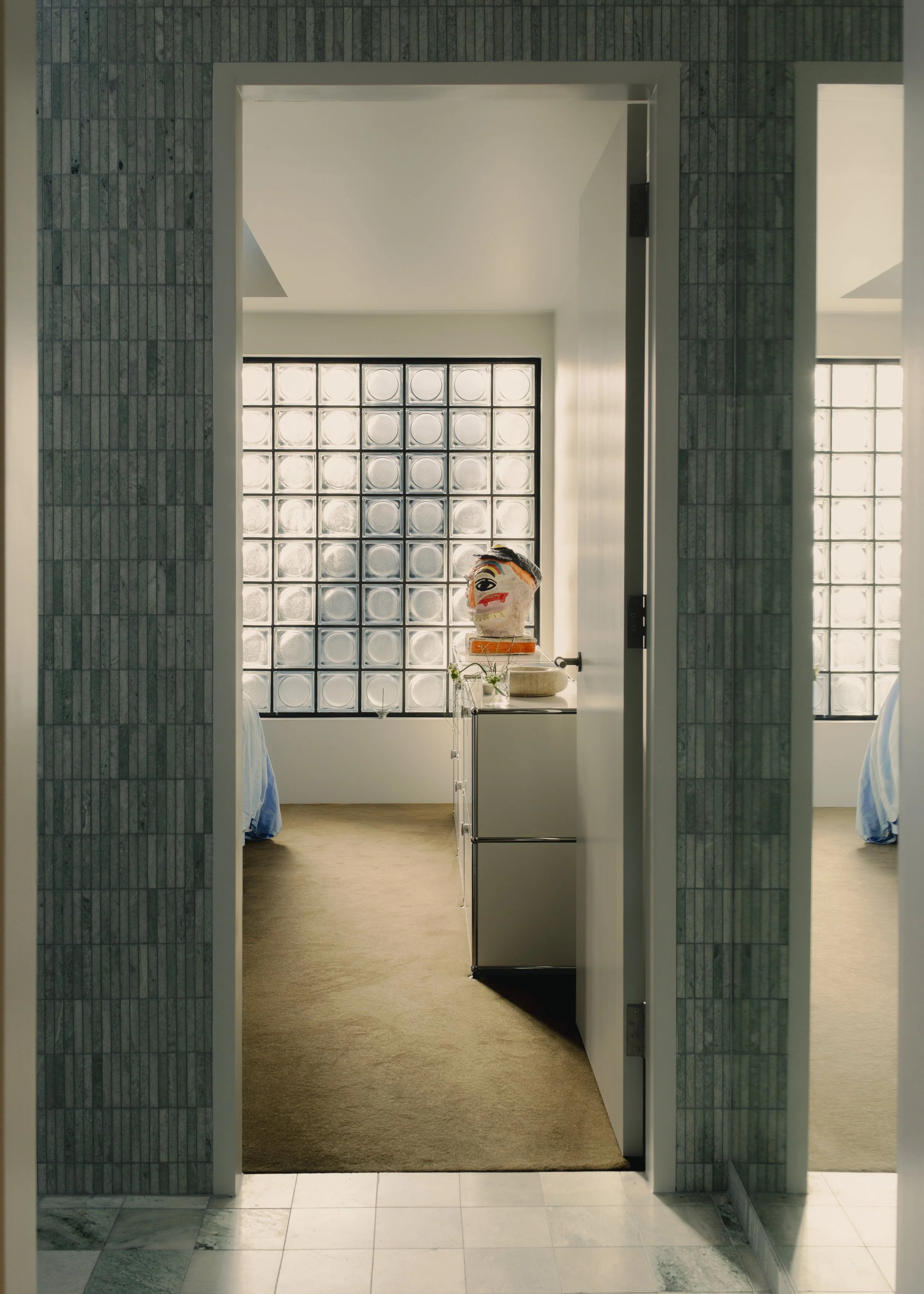
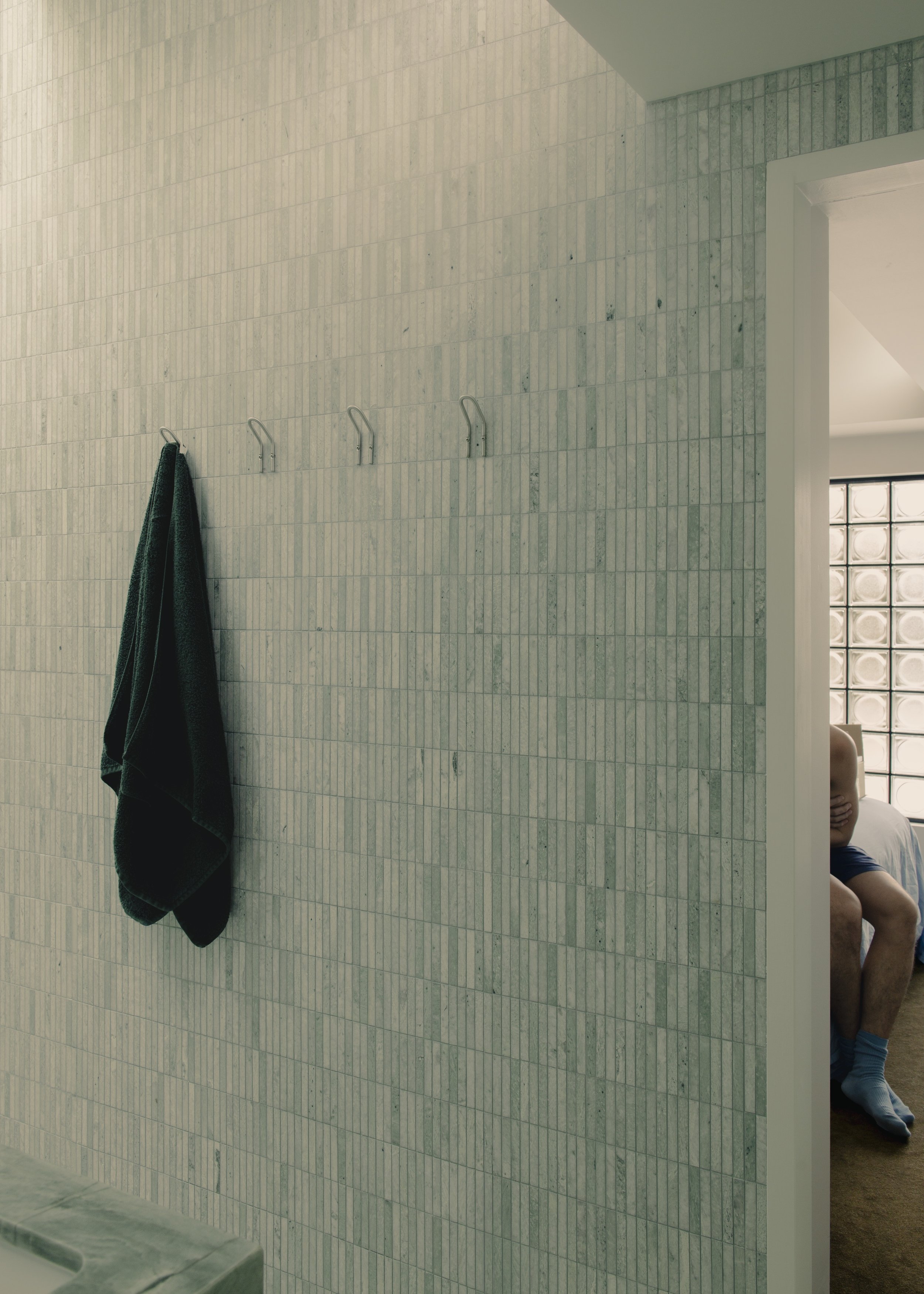
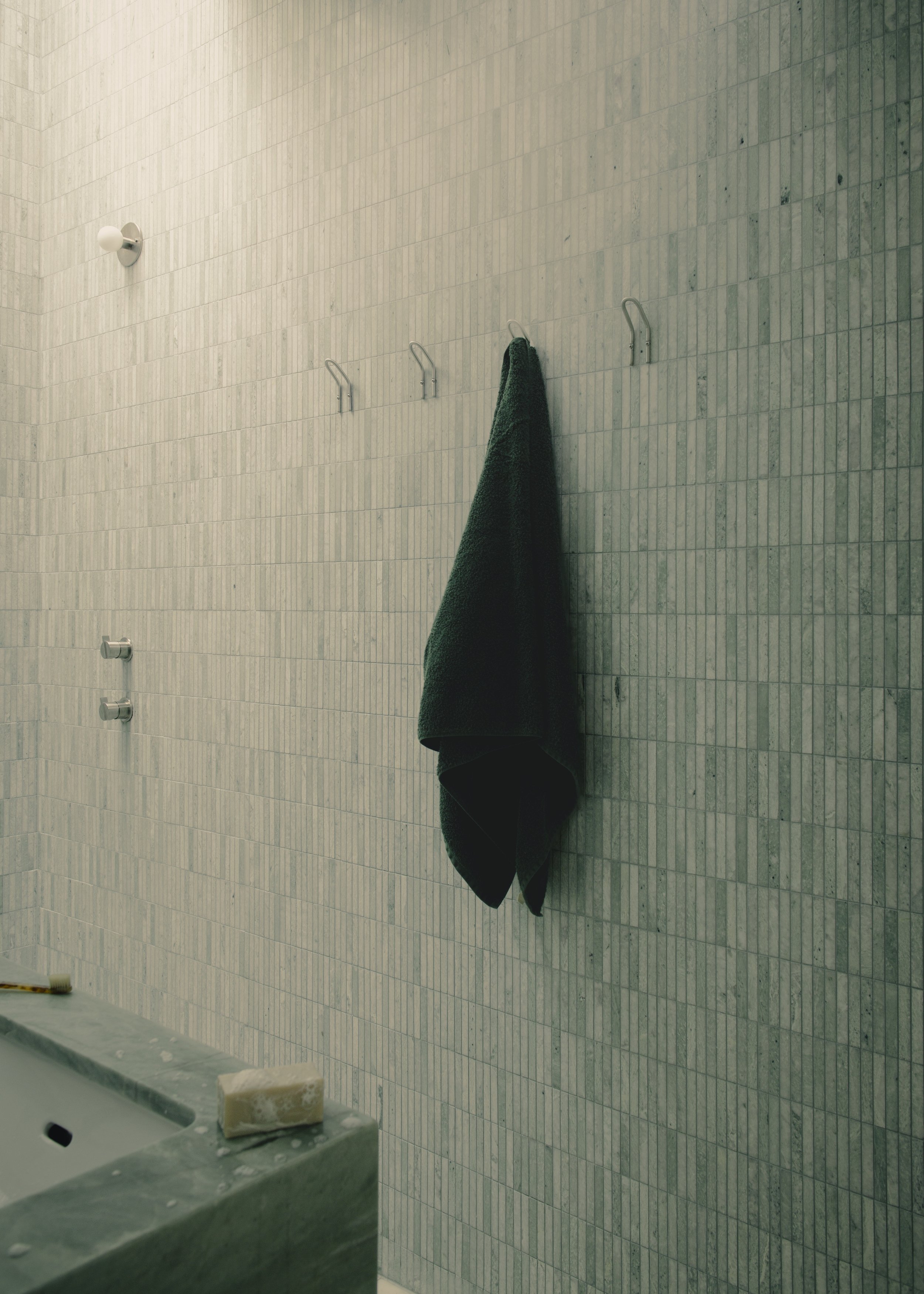
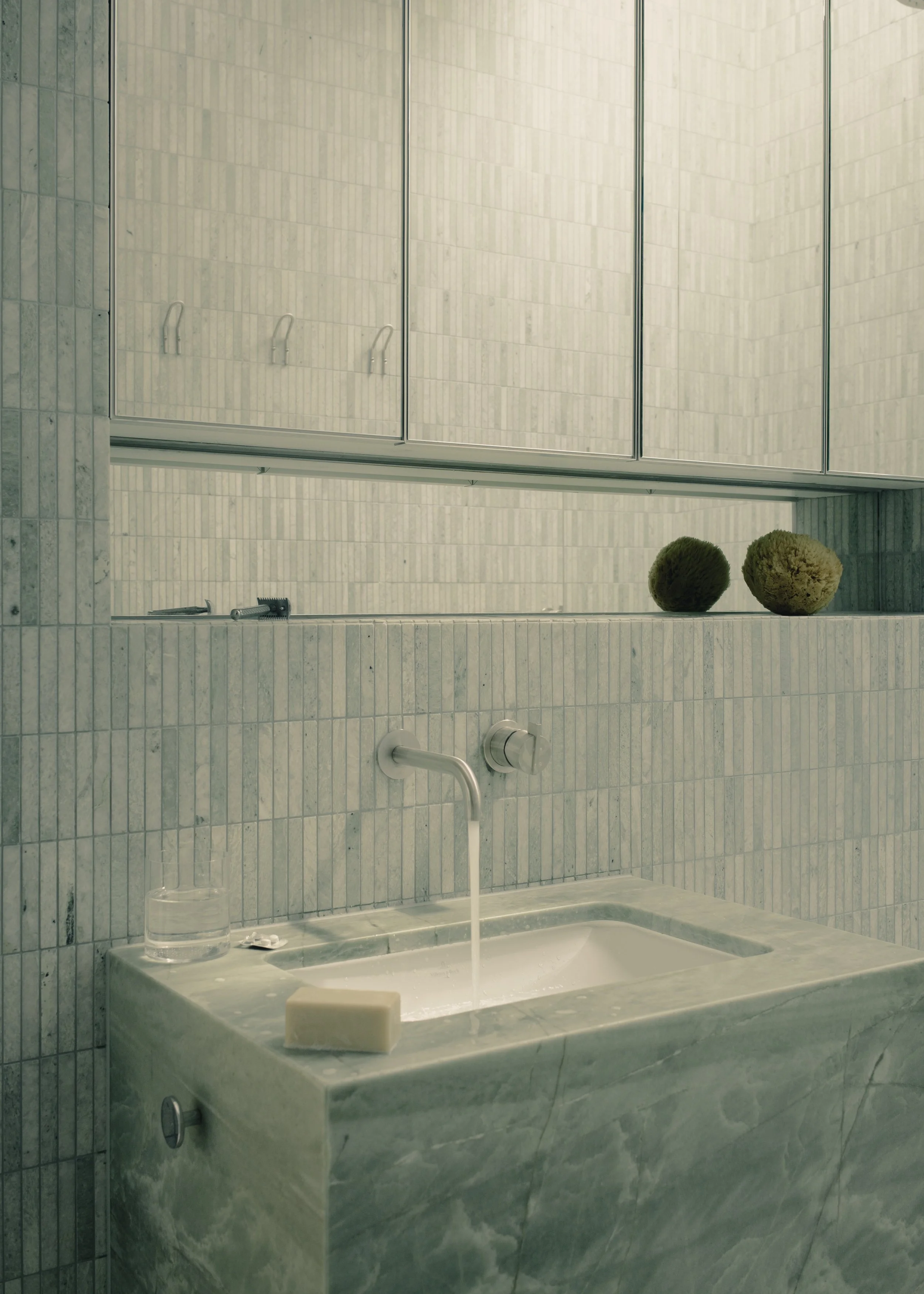
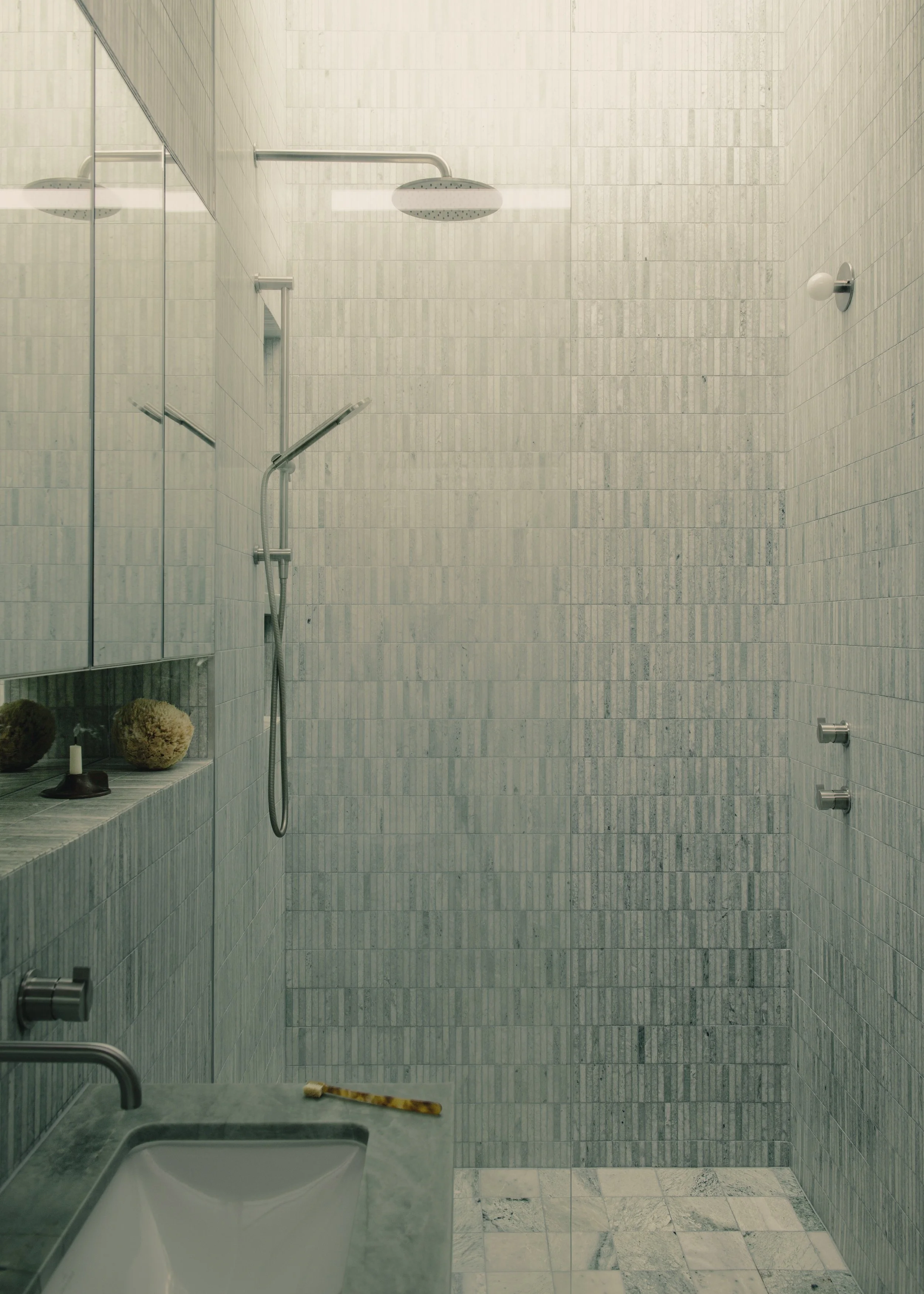
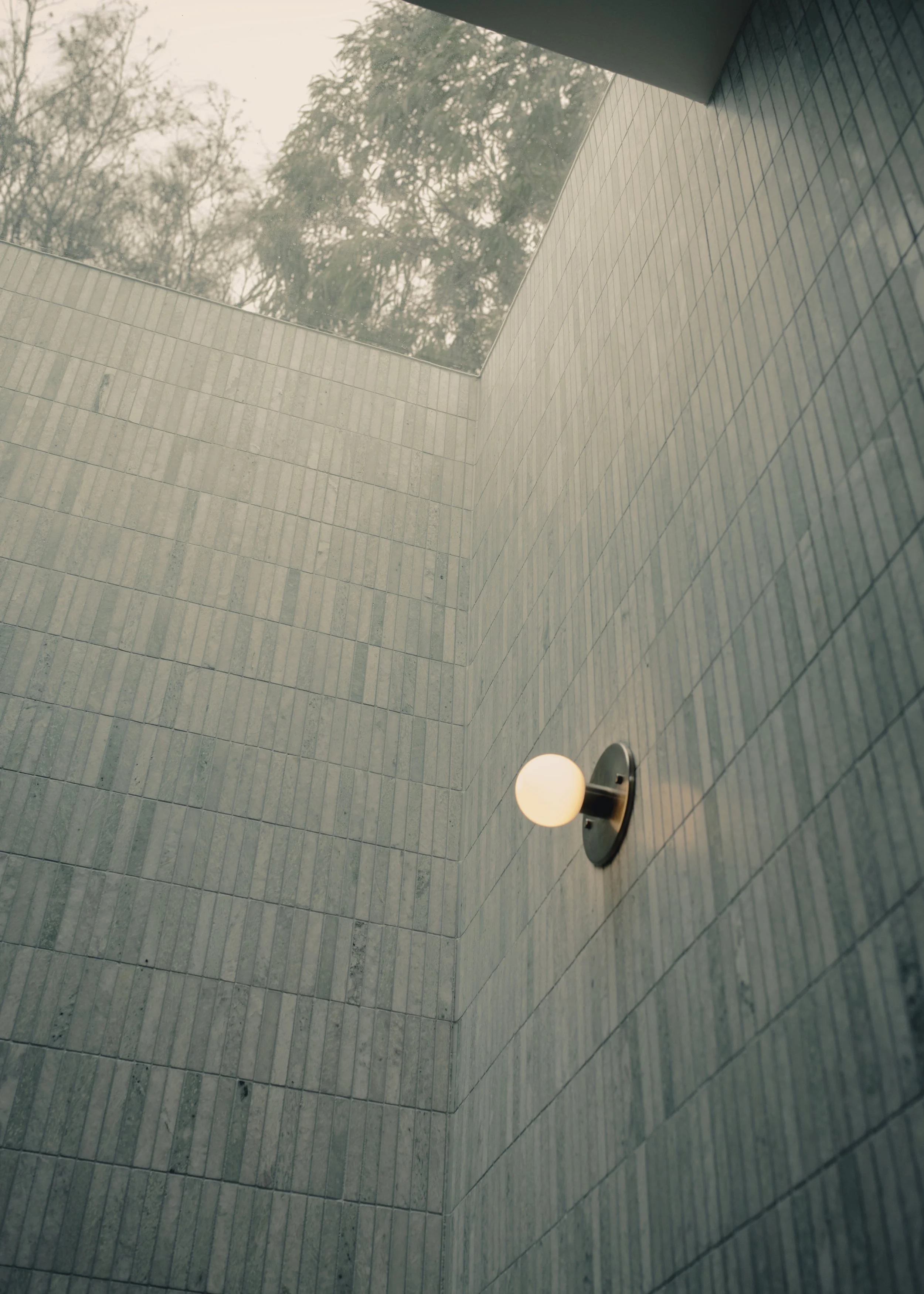
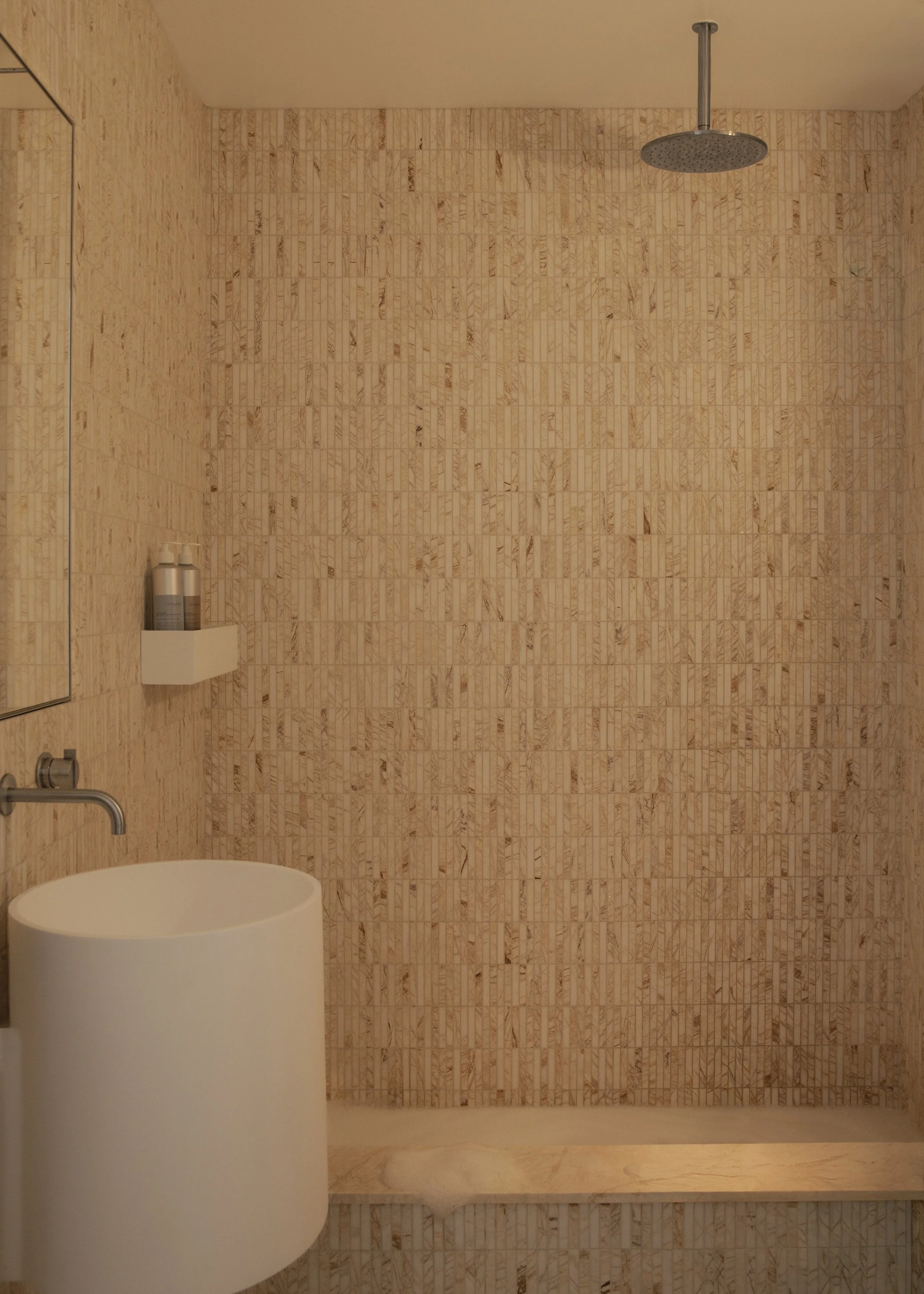
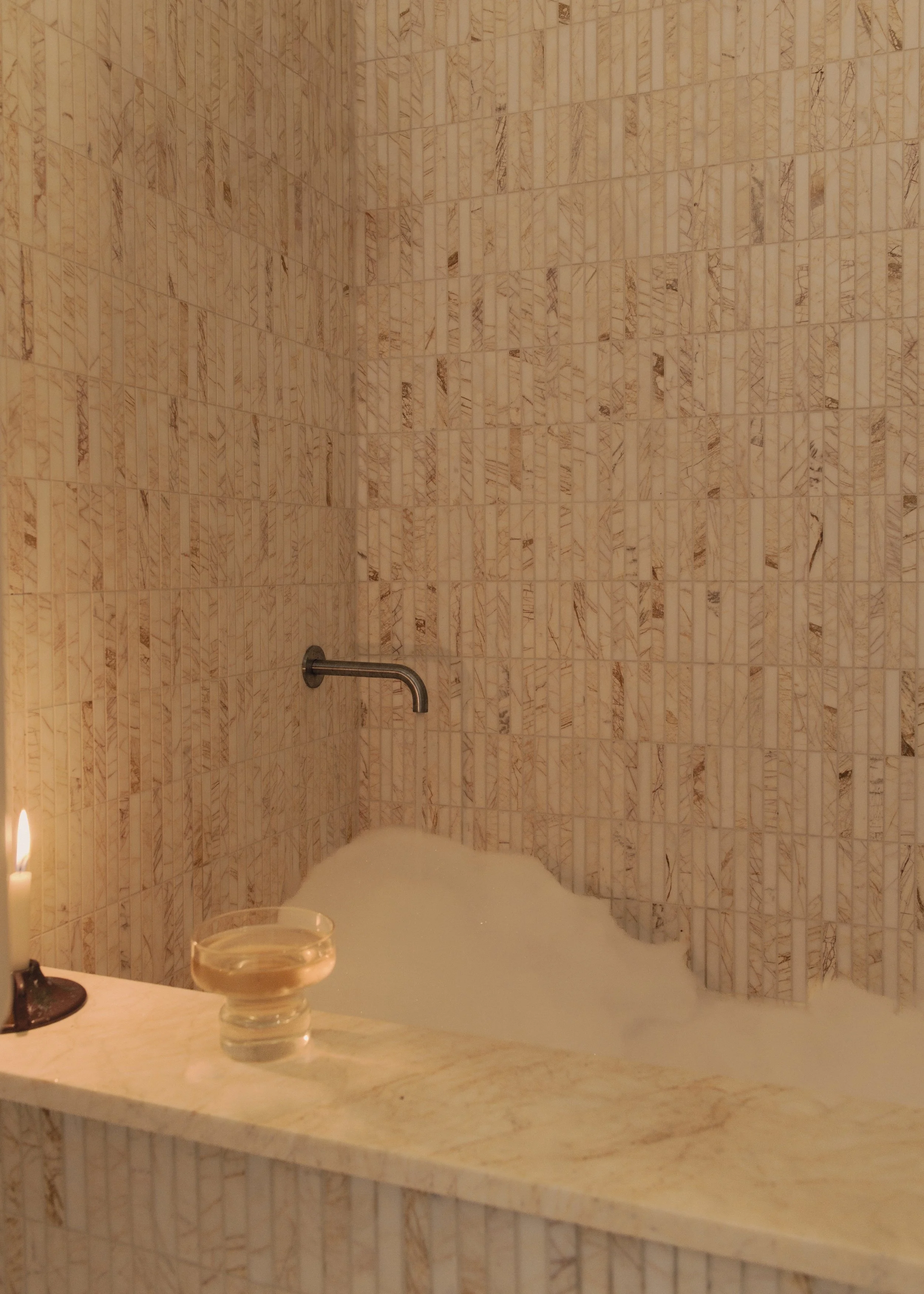
The bathrooms take on a more immersive material quality. Stone is used as an enveloping surface across mosaic, elongated formats, and larger slabs, creating rooms that feel tactile and enclosed. The treatment avoids a purely decorative approach, allowing the material to define atmosphere, scale, and enclosure.
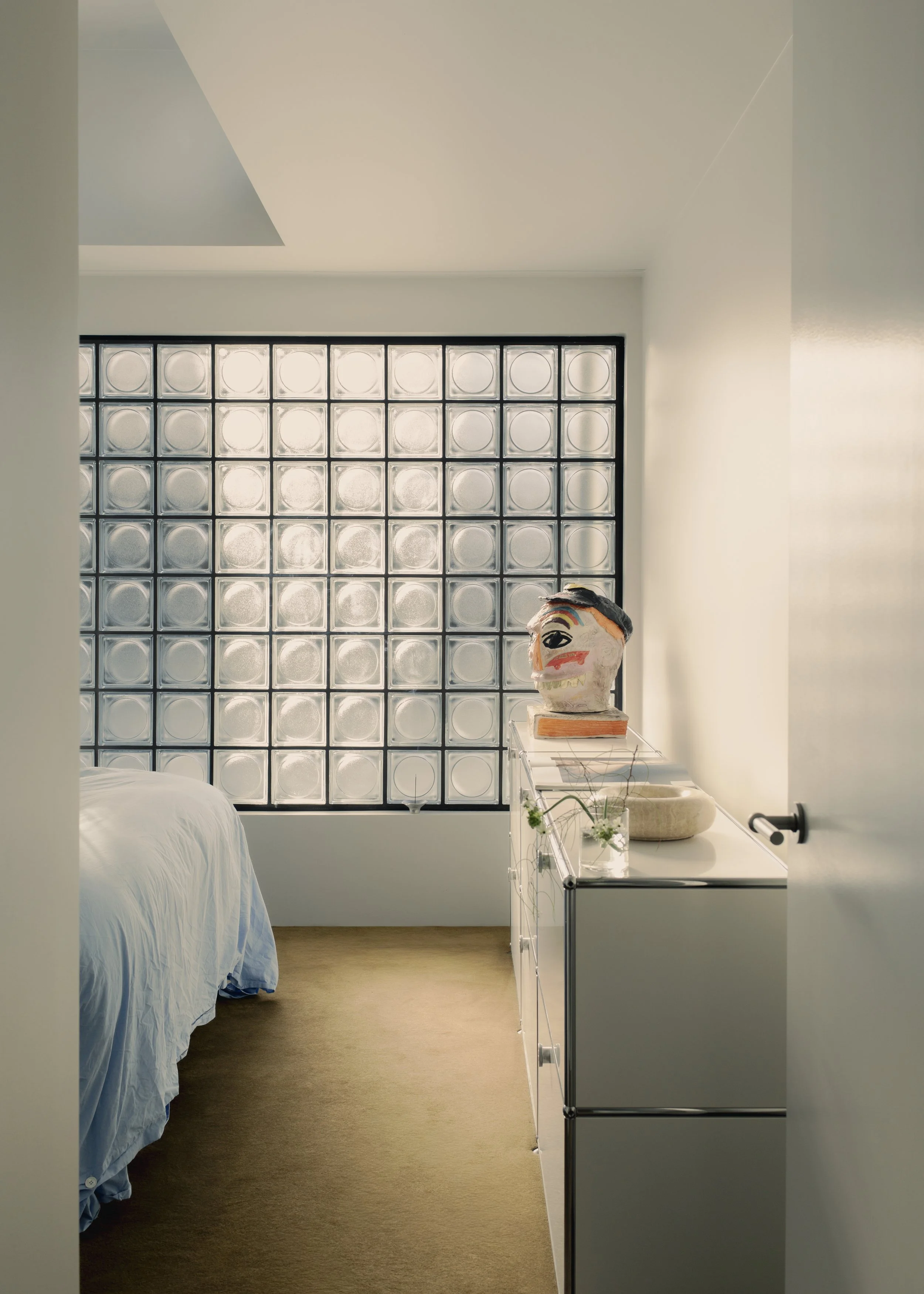
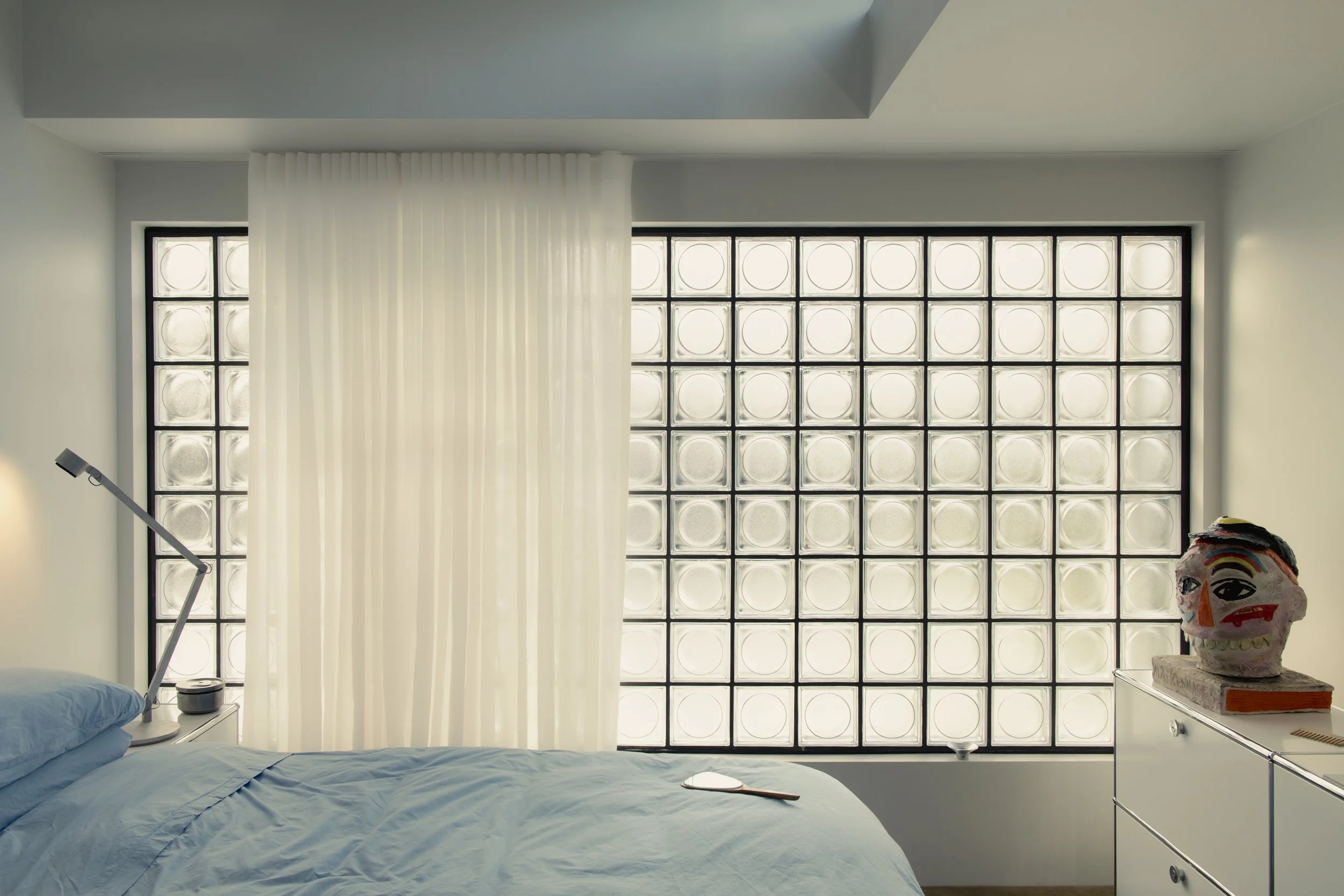
In the master bedroom, glass brick introduces a softer counterpoint to the home’s otherwise orthogonal geometry. A circular aperture composed of square units brings filtered light into the room while preserving privacy. The detail adds depth and texture, softening the rectilinear framework without disrupting its clarity.
The master ensuite extends this relationship between interior and landscape. A generous shower volume sits beneath a full skylight, opening the room visually to sky and tree canopy above. The space feels contained yet connected, using light and vertical openness to create a sense of release within the compact plan.
Geometry throughout the house is disciplined, guided by the site boundaries and the demands of efficient planning. Curved forms are introduced with restraint. The most significant appears beneath the central rooflight, where a curved brick wall mediates between materials and allows light to move across its surface in a continuous wash. It brings softness into the interior while preserving the project’s overall architectural clarity.
Environmental performance is woven through the project’s section, openings, and material choices. Front-to-rear ventilation allows air to move across the length of the plan, while voids and the stair support thermal movement through the house. Masonry contributes thermal mass, and the use of durable materials such as brick, terrazzo, stainless steel, and stone supports longevity with reduced maintenance over time.