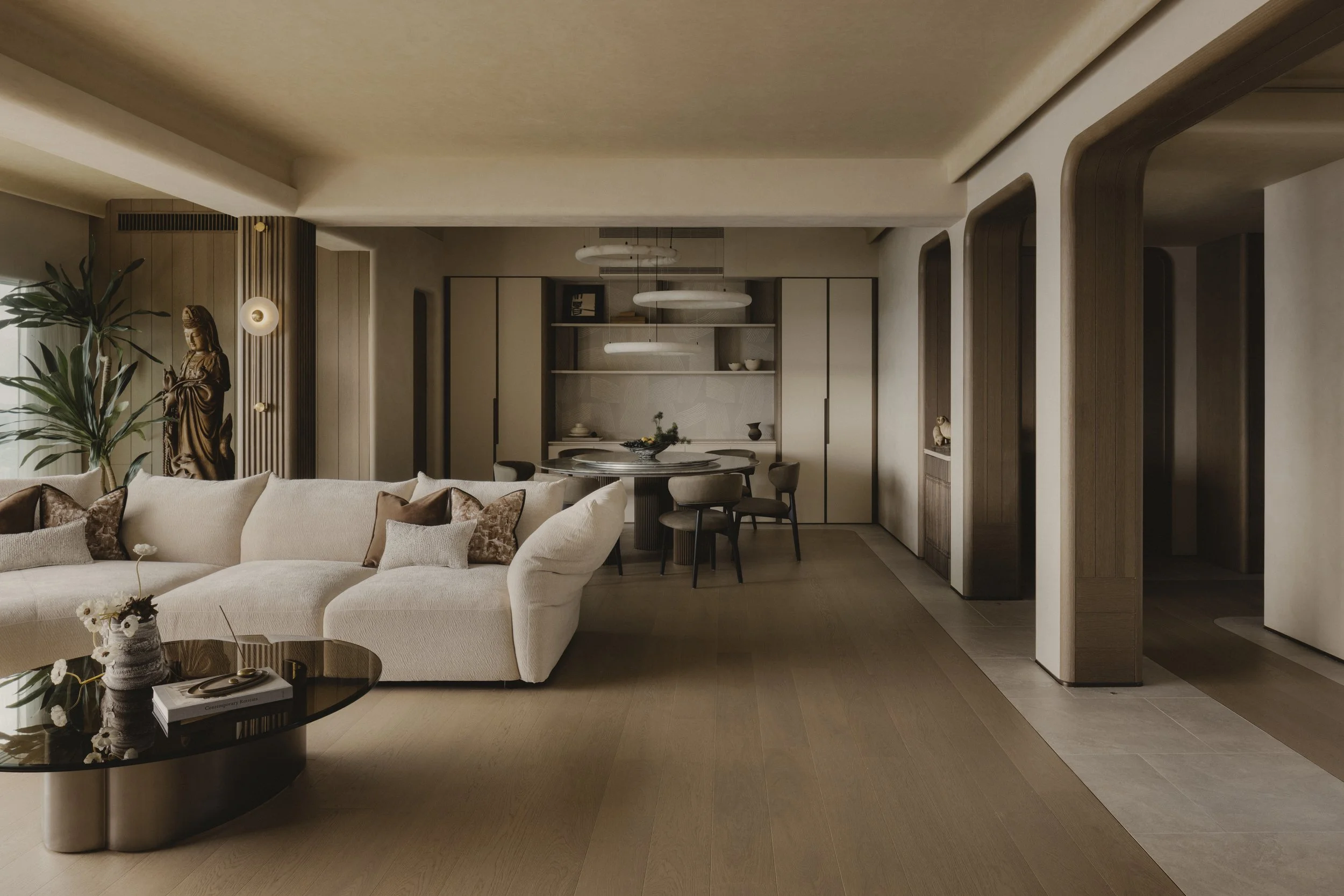
House of Passing Light by Type 0 Architects
House of Passing Light by Type 0 Architects is an addition and alteration project that reimagines an existing residence through light, spatial openness, and a carefully maintained material continuity.
Working with the original structural framework of the home, the intervention centres on reorganising the interior environment to create a more fluid and atmospheric living experience. The approach focuses on how light moves through the home and how interior elements respond to these changing conditions, allowing daylight to guide the spatial character of the residence throughout the day.
The architectural envelope is unified with a continuous layer of Accoya timber cladding, introducing a warm and tactile presence that wraps the exterior. The timber’s refined grain and durability make it well suited for long-term exposure, while its natural ageing process allows the home to gradually settle into its surroundings. This material treatment continues to the entrance gate, creating a consistent architectural identity that begins at the street and carries through the threshold into the home. The continuity between outside and inside reinforces the project’s emphasis on cohesion and calm.
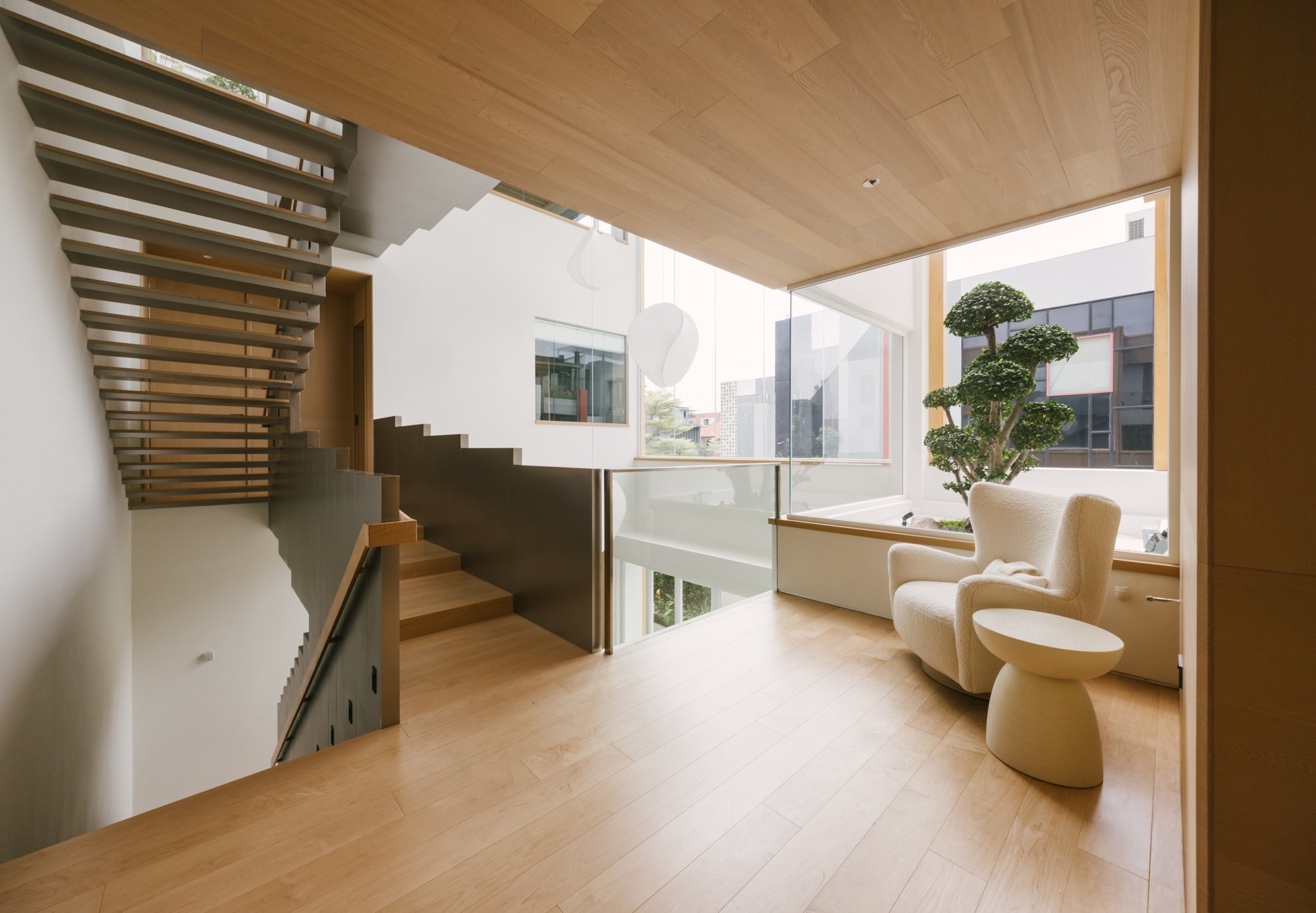
At the centre of the interior is a triple-volume void that cuts through the house, forming the primary spatial anchor. This vertical opening brings daylight deep into the plan while visually connecting multiple levels of the home. The void operates as a light mediator, capturing the shifting qualities of daylight and translating them into subtle changes across the interior surfaces. Morning light enters softly, midday illumination becomes sharper and more directional, and evening light introduces warmer tones that settle across walls and floors.
The presence of the void encourages a sense of openness while maintaining a balanced level of privacy throughout the residence. Solid surfaces frame this vertical opening, allowing light to wash gently across edges, staircases, and circulation areas. Interior spaces feel interconnected without sacrificing moments of quiet enclosure, creating a home that feels both expansive and composed.
A newly reorganised staircase forms a key feature within the atrium. Positioned as a backdrop to the central void, the stair clarifies the vertical circulation of the home while also contributing to its visual character. Clad in matte stainless steel, the staircase subtly reflects daylight entering from above. As occupants move between levels, shifting light conditions become perceptible through these reflective surfaces, reinforcing the sense of time passing through the interior.


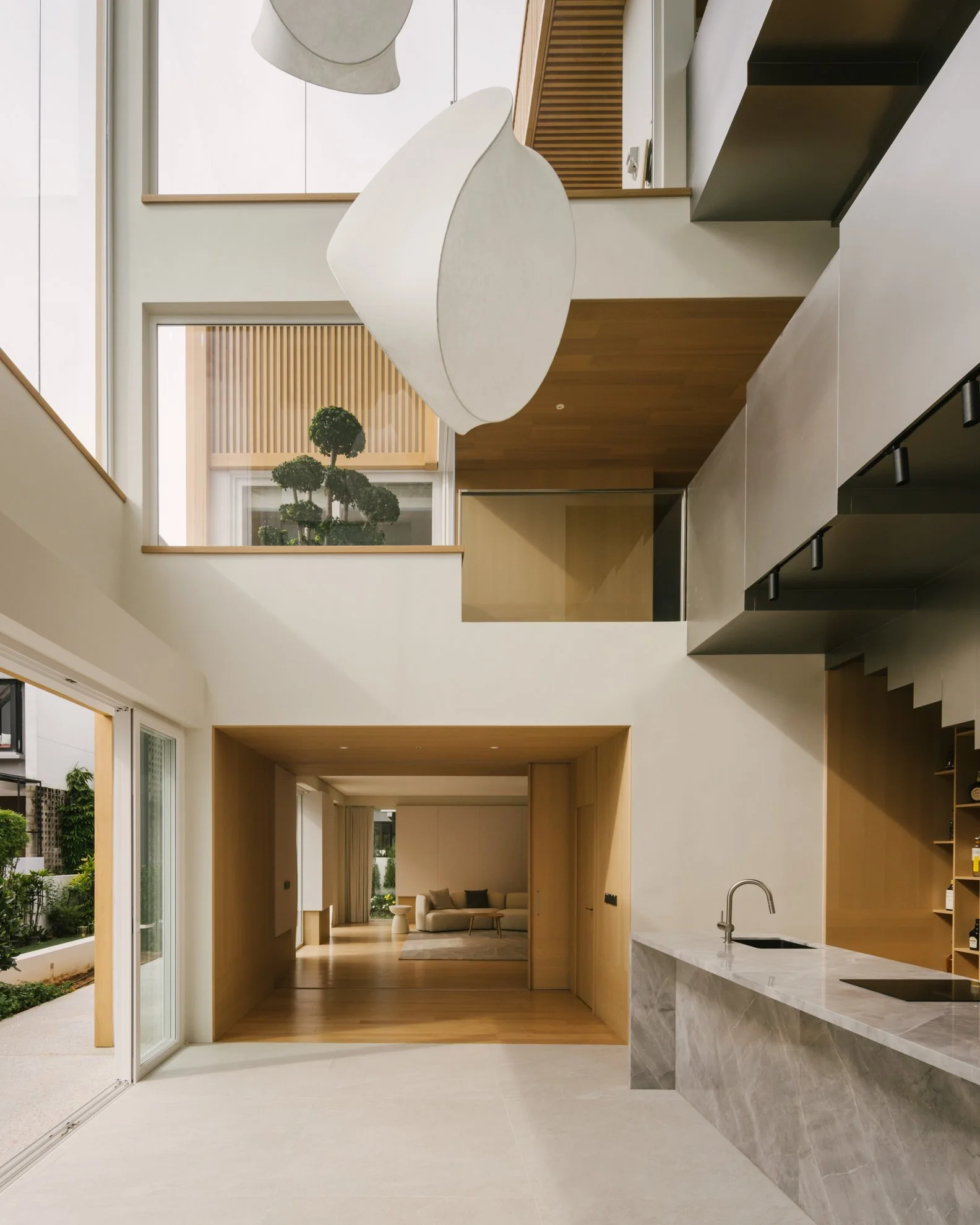


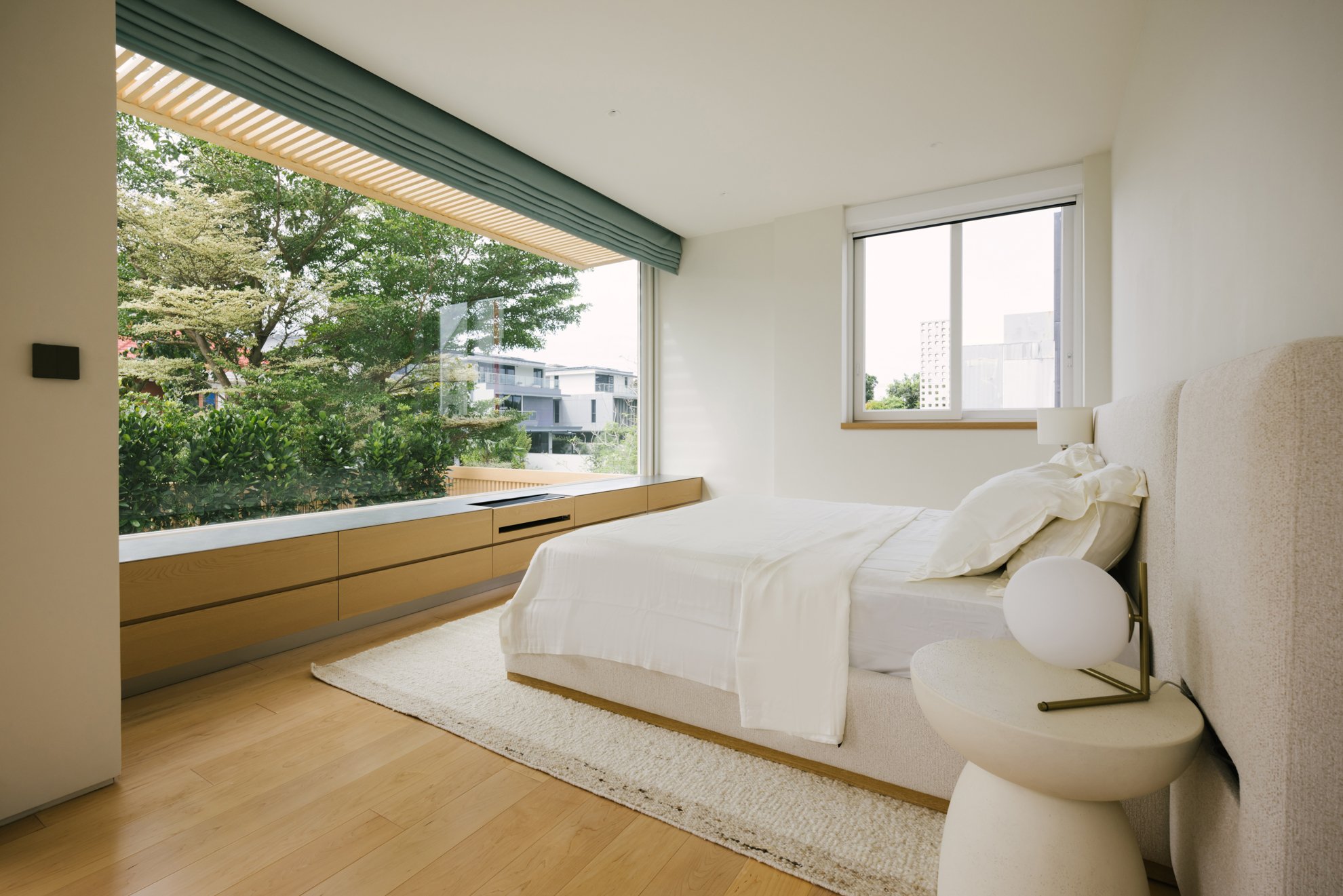
Material continuity continues through the integration of an Accoya timber trellis that extends from the exterior into the interior environment. Outside, the trellis forms a series of awnings that provide shade and protection at the entrance, balcony, and terraces. Within the home, this language transitions into light oak veneers that line interior surfaces, creating a soft and cohesive material palette. The timber tones introduce warmth while maintaining a restrained visual clarity throughout the house.
At the front of the residence, a newly introduced balcony sits beneath the canopy of an existing roadside tree. Positioned slightly below the branches, the balcony benefits from natural shade and offers a calm outlook from the master bedroom. The presence of the tree becomes an integral part of the interior experience, bringing greenery and filtered light into view while reinforcing the connection between the home and its immediate environment.
Daylight plays a central role in shaping the atmosphere of the interiors. Carefully positioned openings and layered surfaces draw light into the depth of the house, allowing it to filter gently through the central void and surrounding rooms. As evening approaches, the atmosphere shifts as interior lighting begins to glow softly through the timber screens and openings, giving the home a lantern-like presence within its neighbourhood.