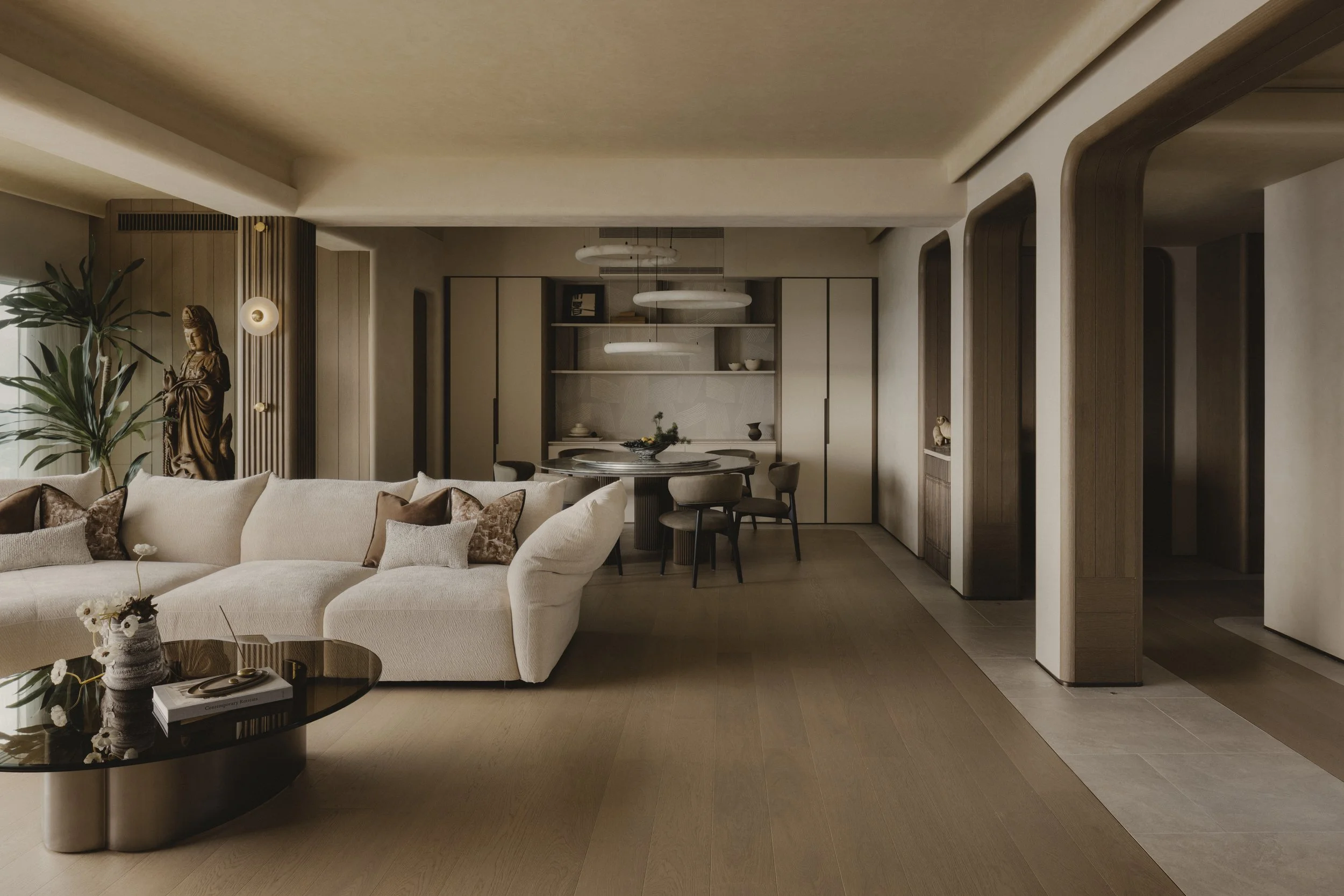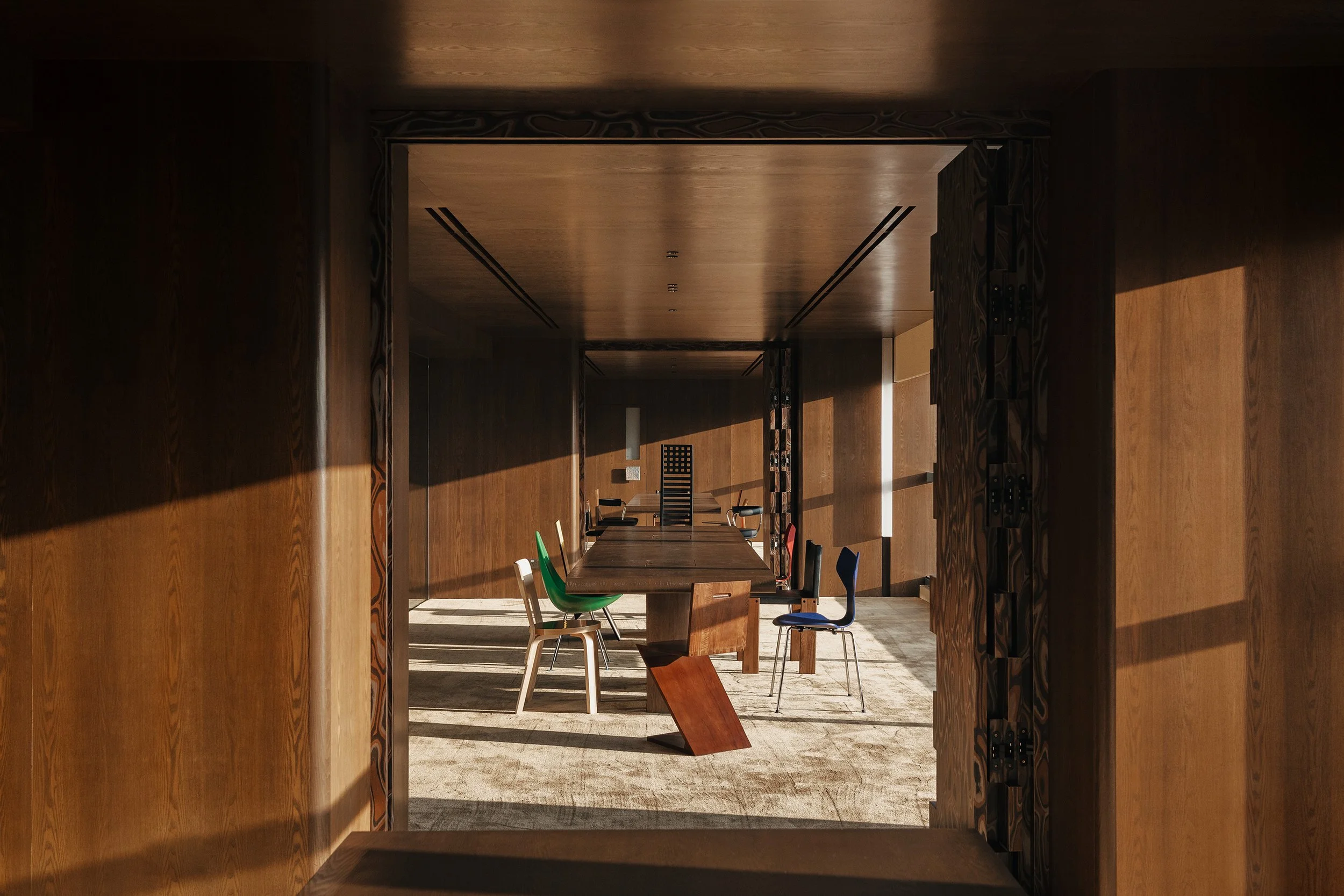
ELIT Office by DualSpace Studio
ELIT Office reframes the contemporary workplace as a living system, built to support both everyday focus and occasional intensity.
Conceived by DualSpace Studio as a two-floor, vertically layered environment with mezzanines, the project operates like a compact campus: an interconnected setting for work, training, events, and cultural exchange. At the heart of the concept is adaptability, with space planned to evolve alongside shifting teams, activities, and social patterns.
A central design challenge lay in maintaining legibility while enabling constant change. With multiple levels and a broad program mix, the interior needed to remain easy to navigate and understand, even as zones flex between quiet work and large gatherings. DualSpace addressed this by organizing the office around a connective circulation spine that links key destinations and creates a continuous thread across floors. This structured movement path supports clarity, while adjacent areas are allowed to expand, contract, and reconfigure as needs shift.
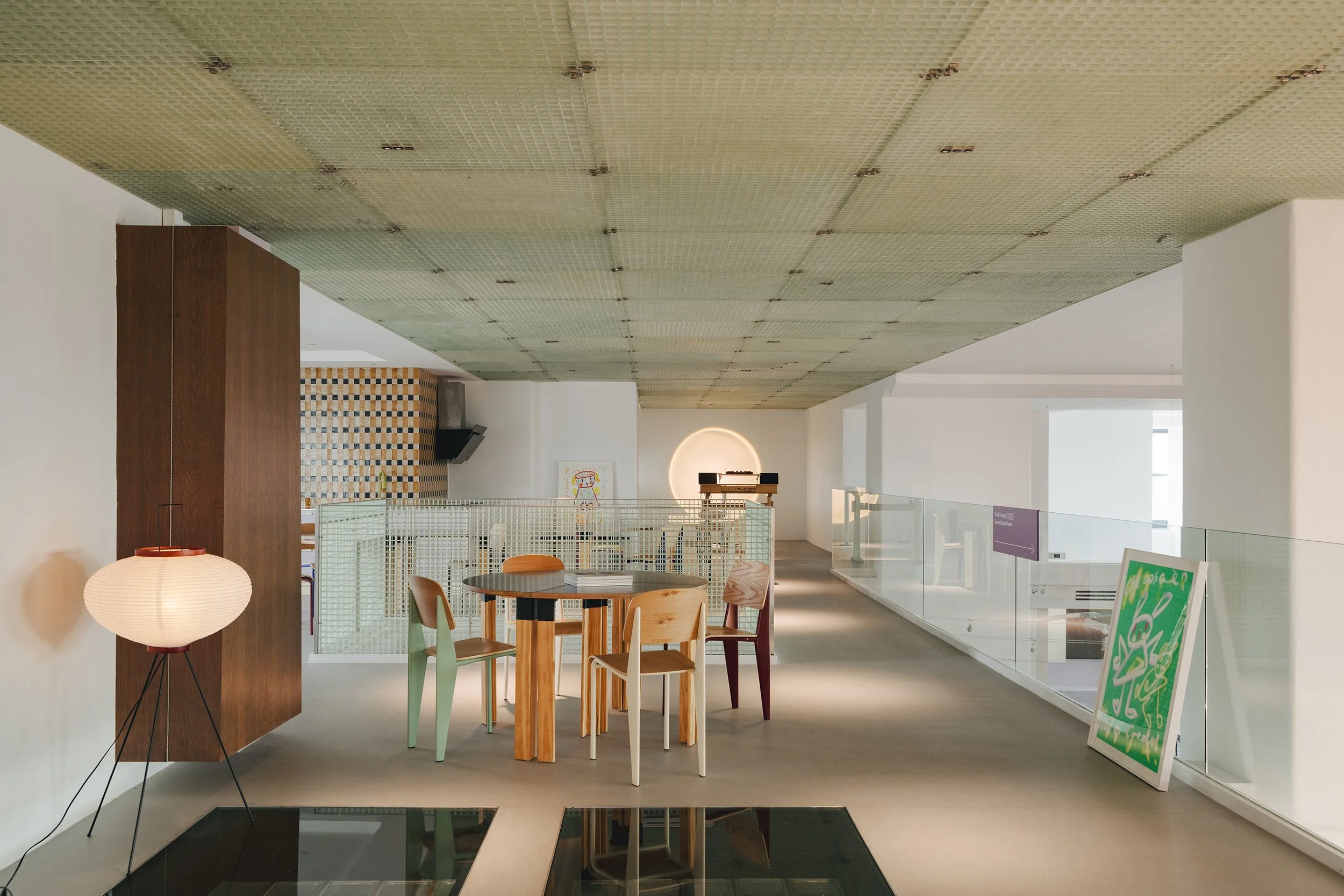
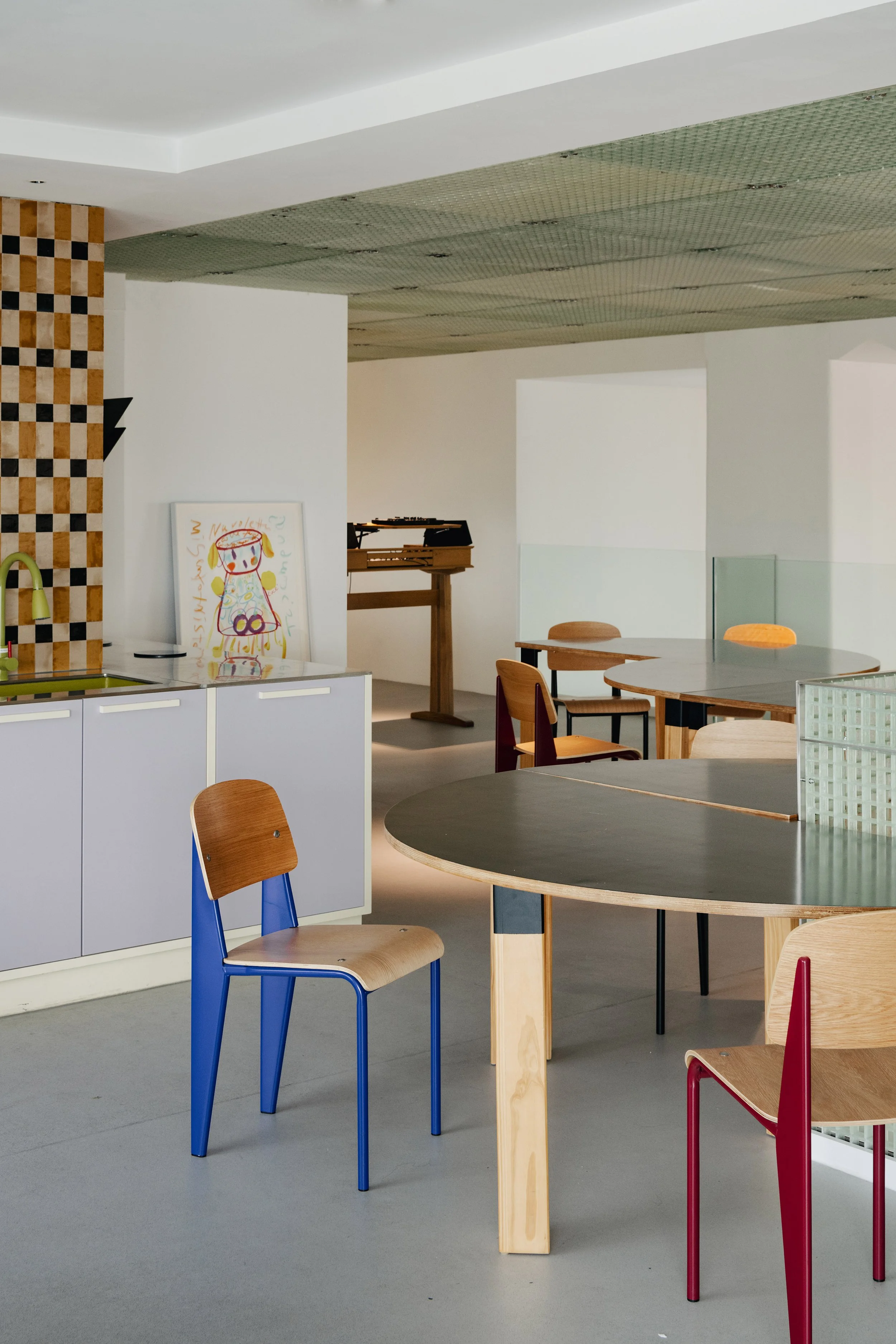
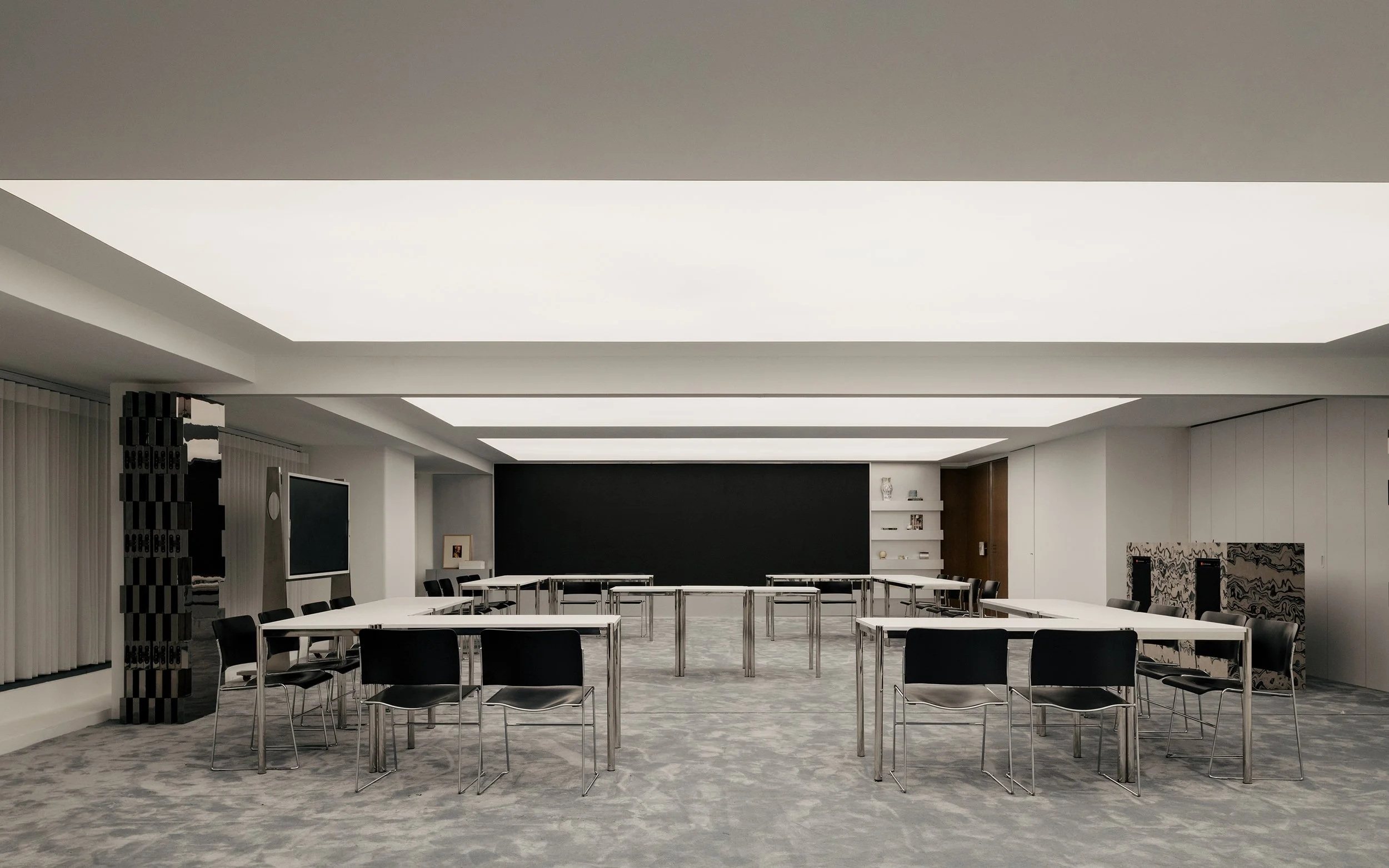
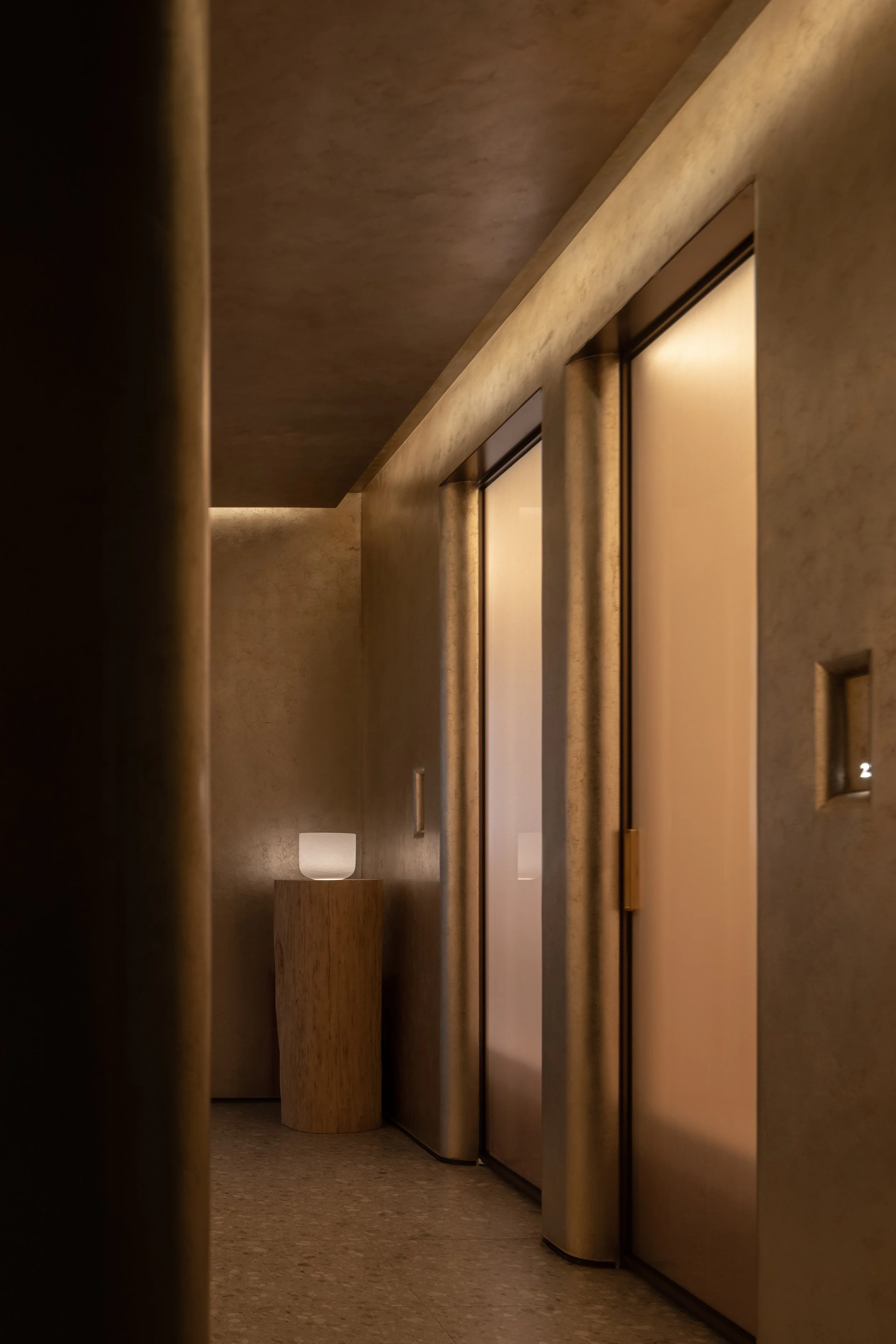
Programs are distributed across the building as a sequence of distinct yet visually connected environments. Work zones and meeting suites sit alongside shared destinations that encourage collective use, including dual pantries, a library, a training hall, a photo studio, lounges, shared hubs, and a meditation room. Transitional spaces are treated as active social infrastructure, turning circulation and in-between moments into opportunities for exchange and informal collaboration. The overall plan promotes movement and interaction without compromising the ability to concentrate or hold more formal sessions.
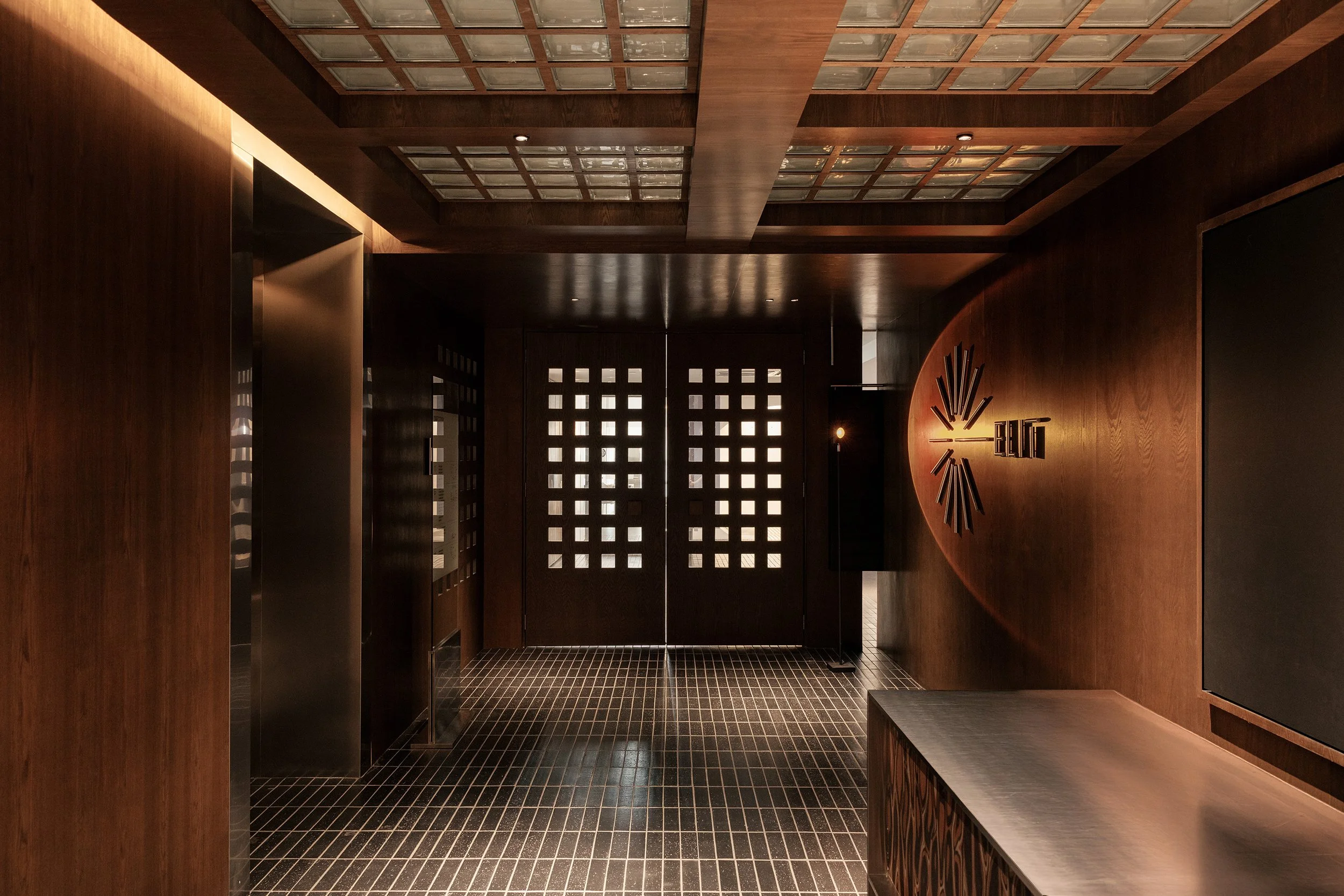
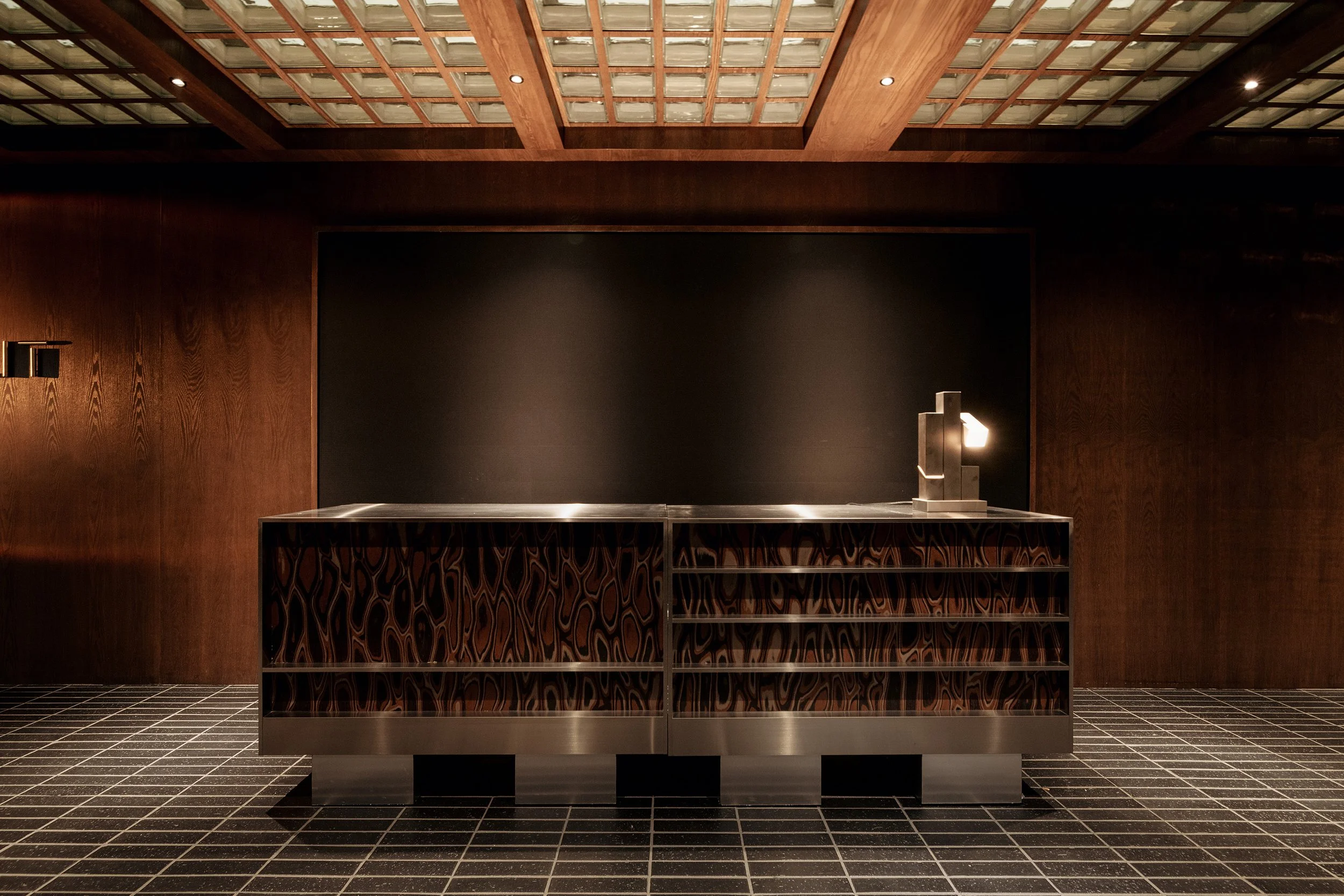
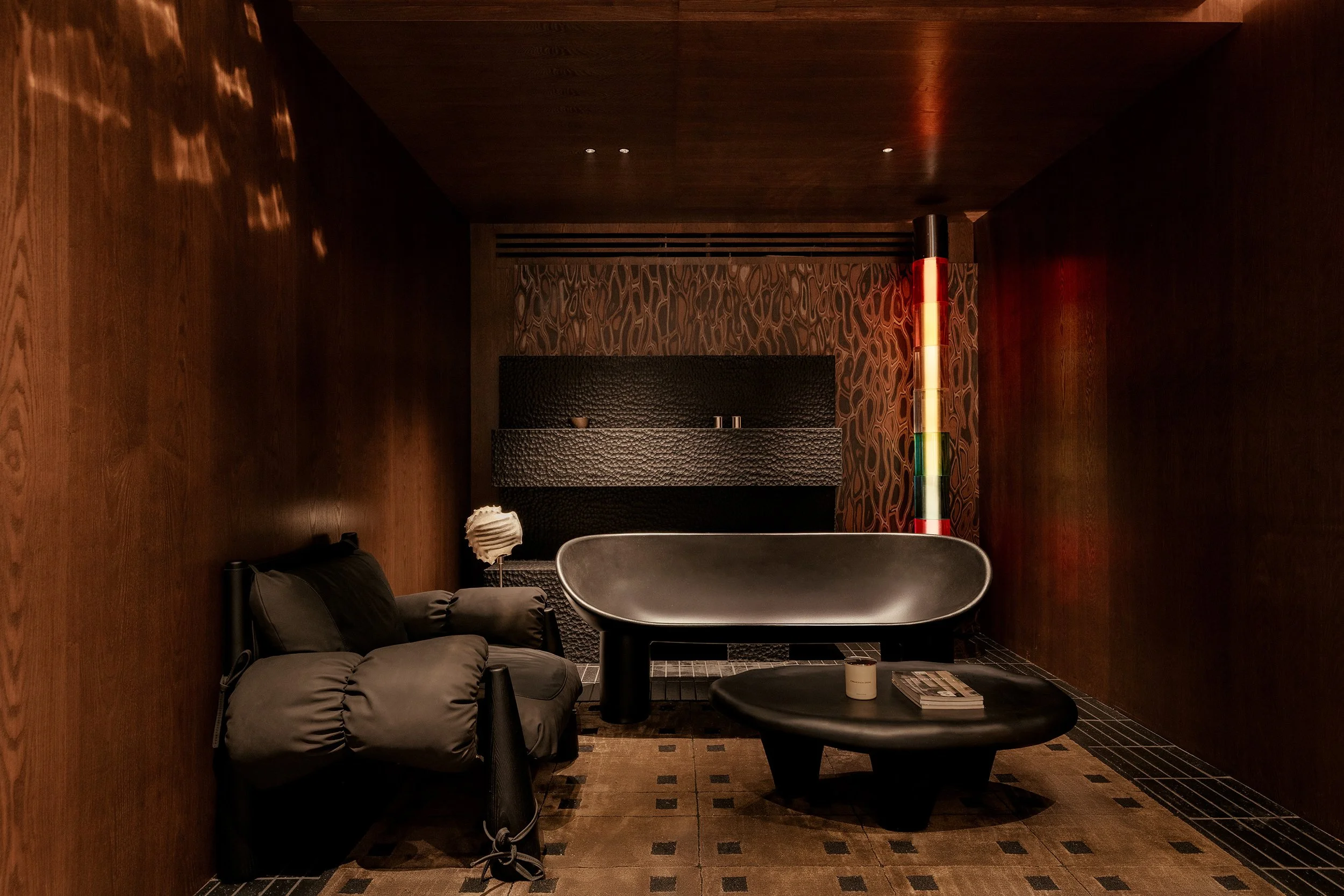
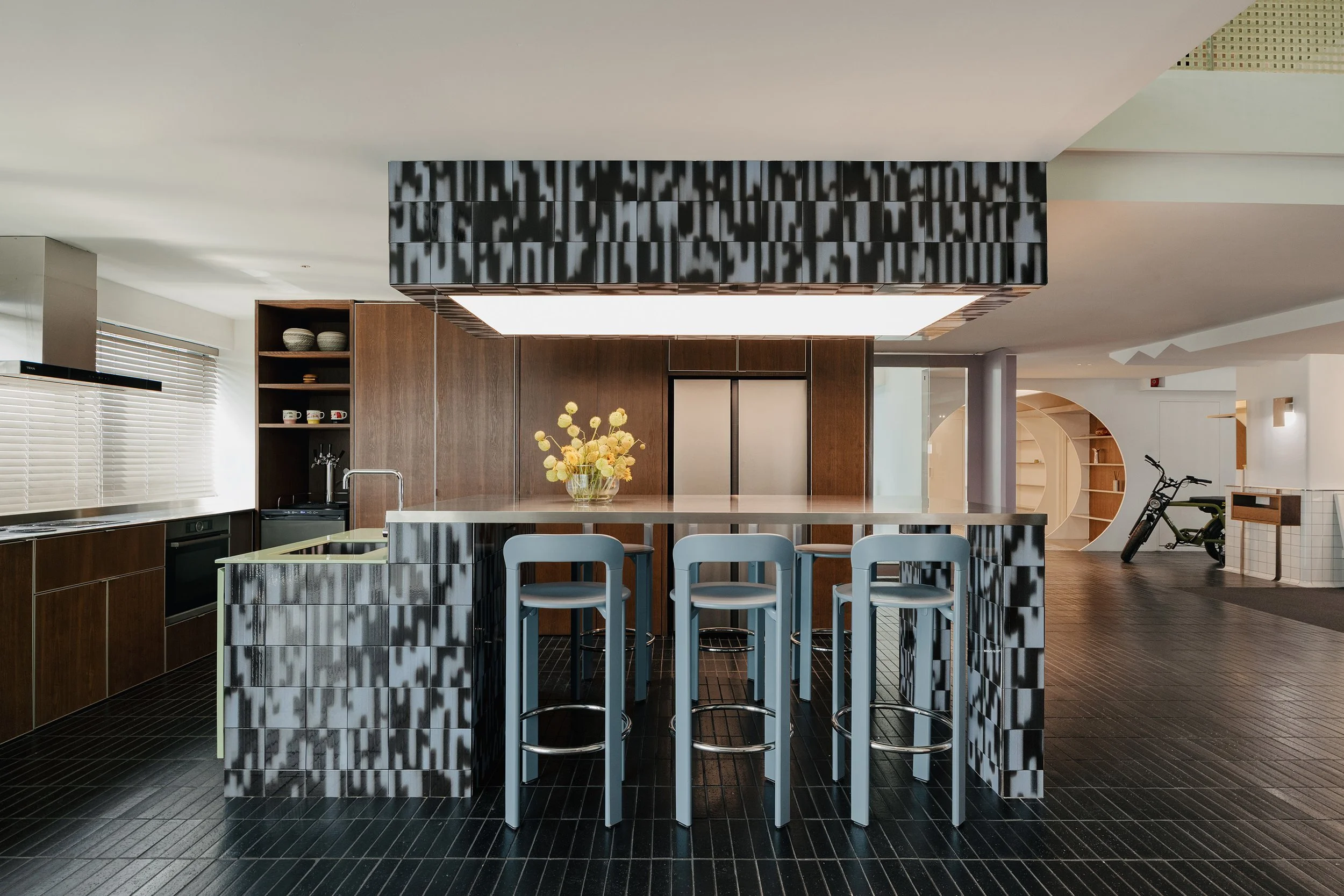
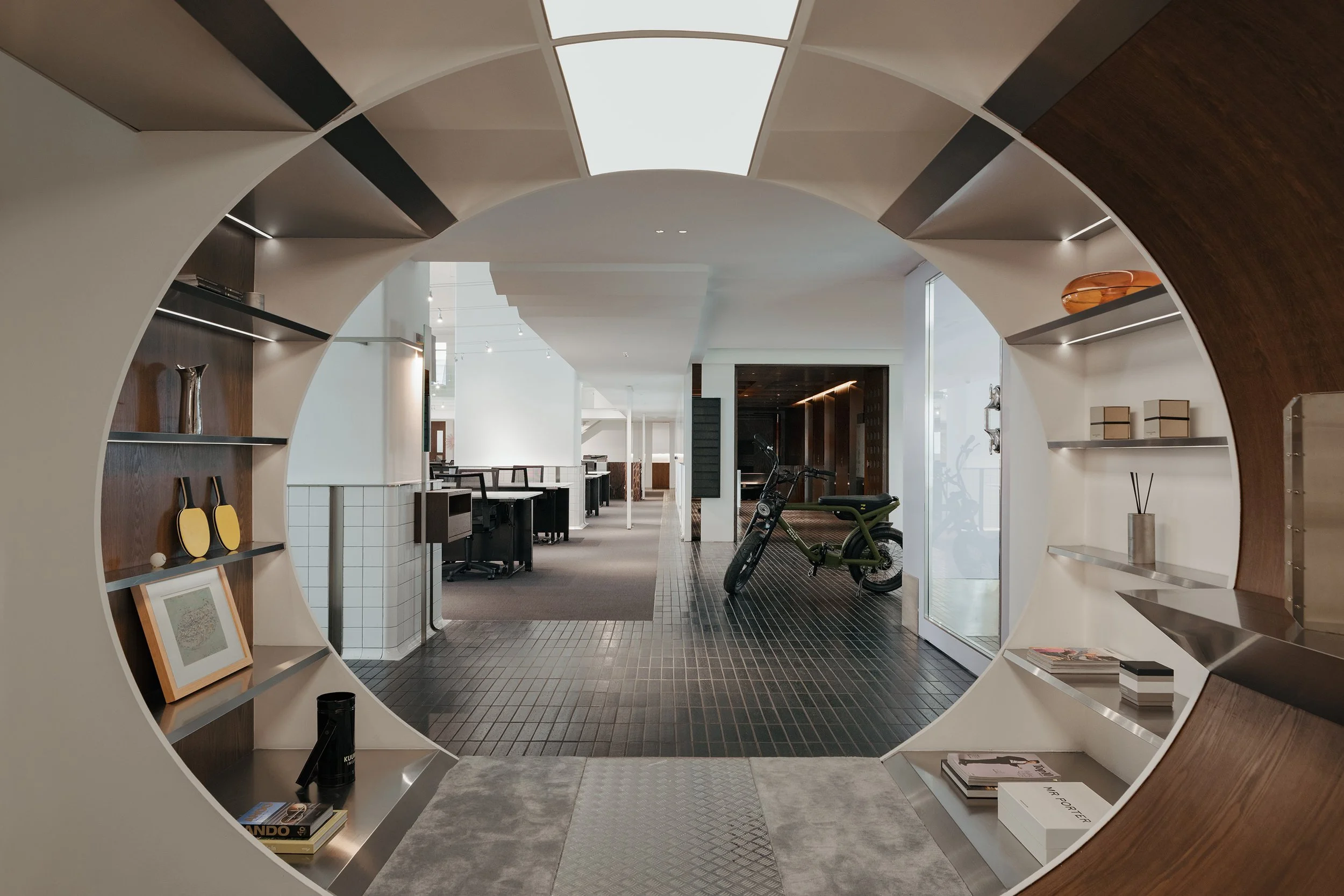
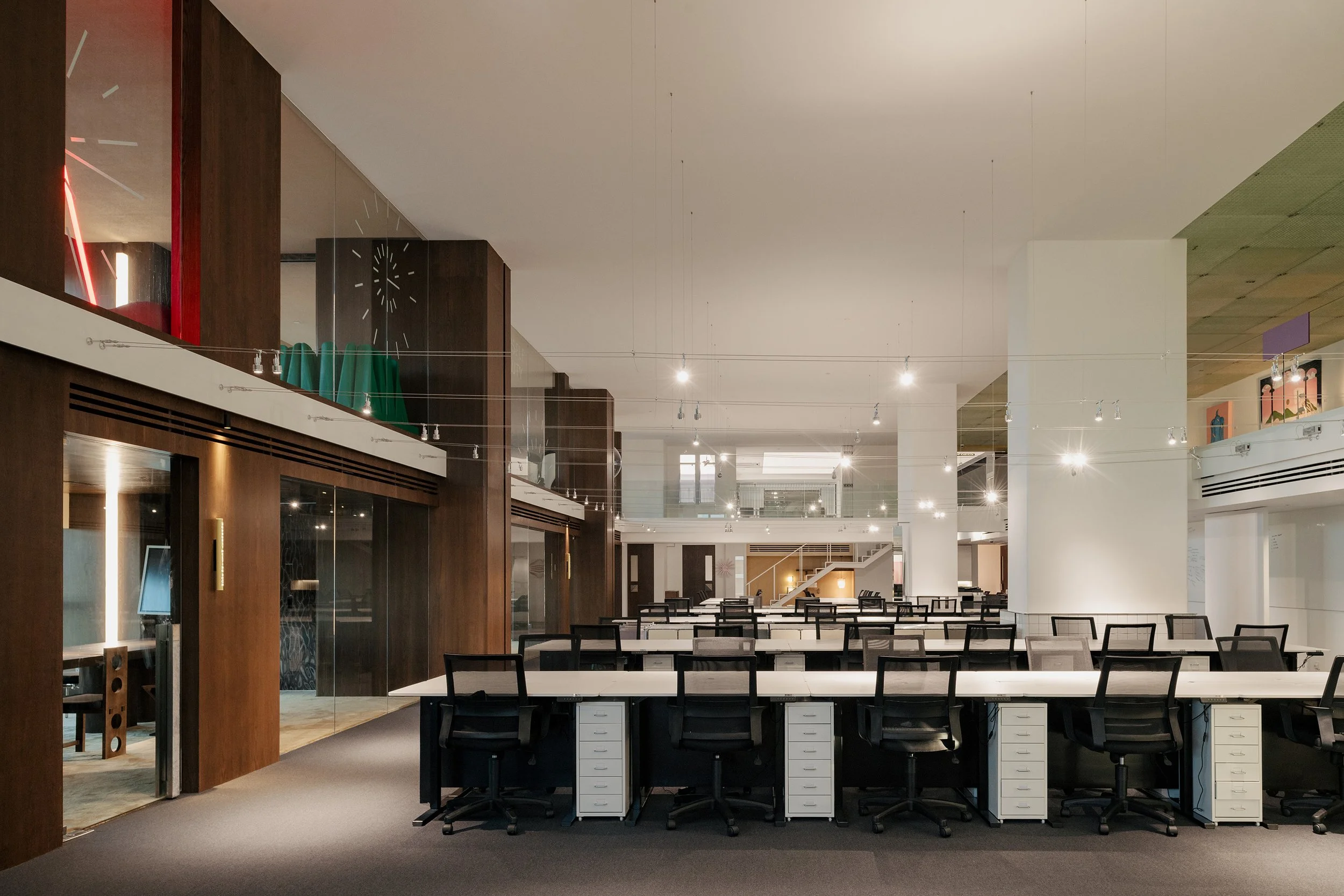
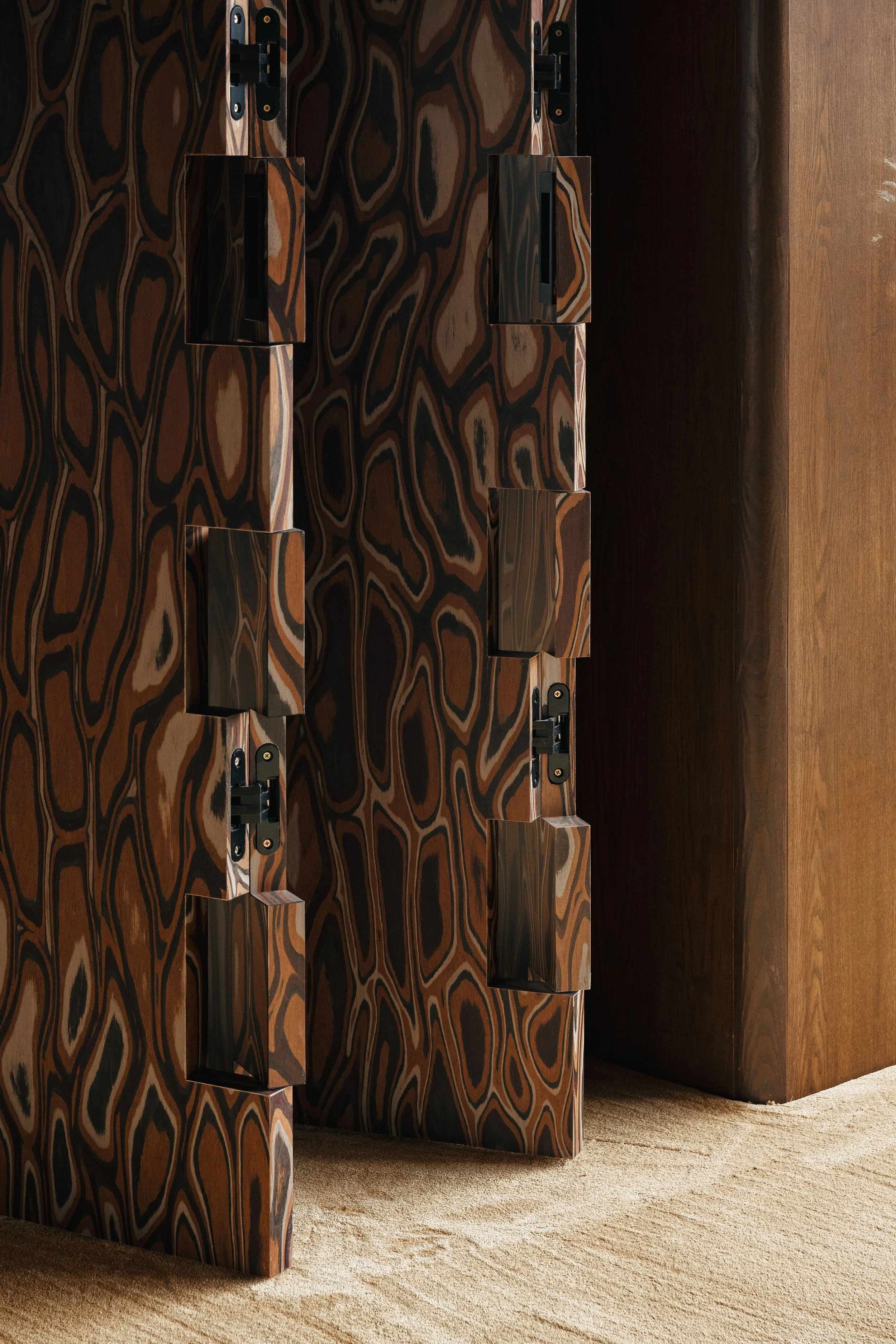
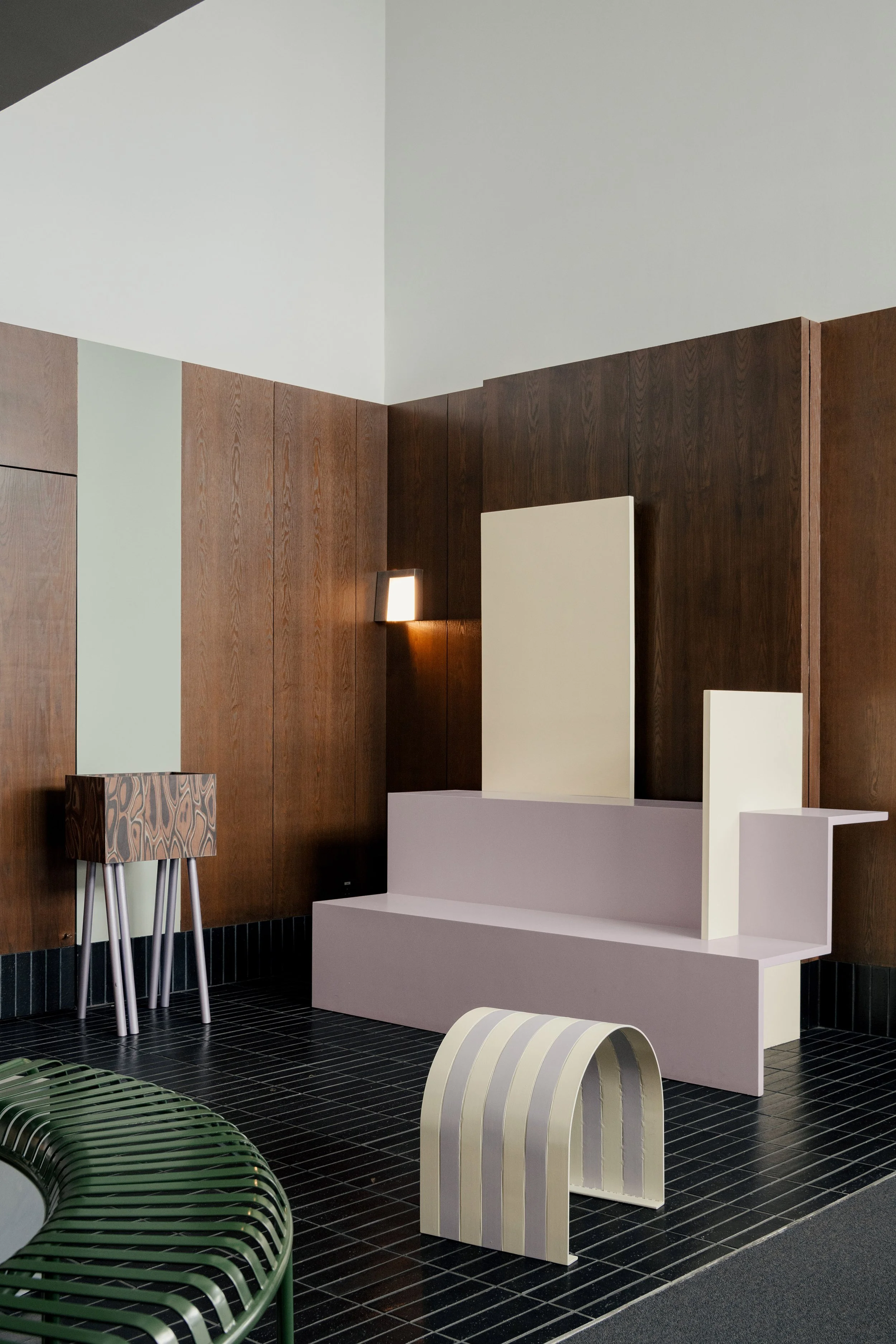
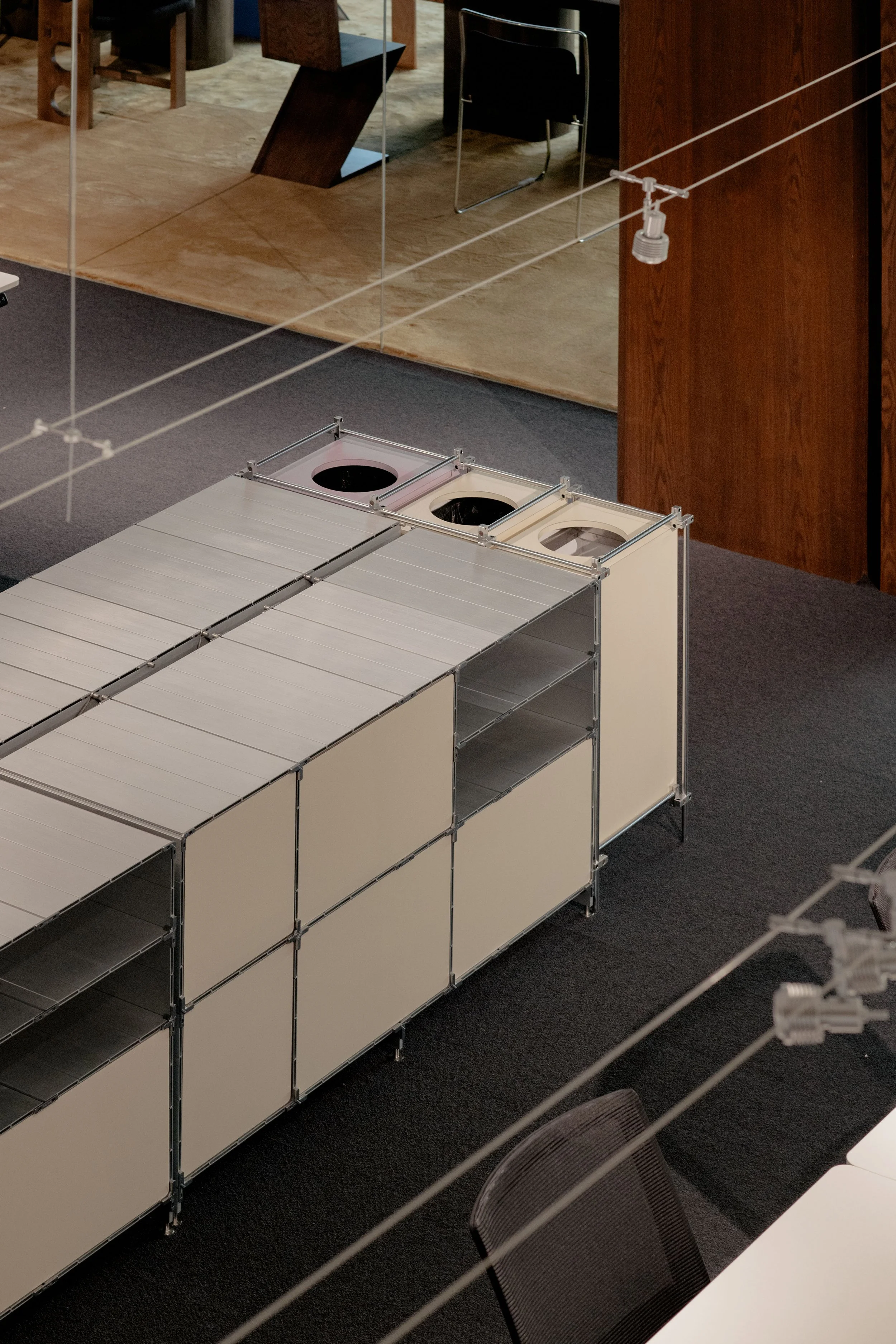
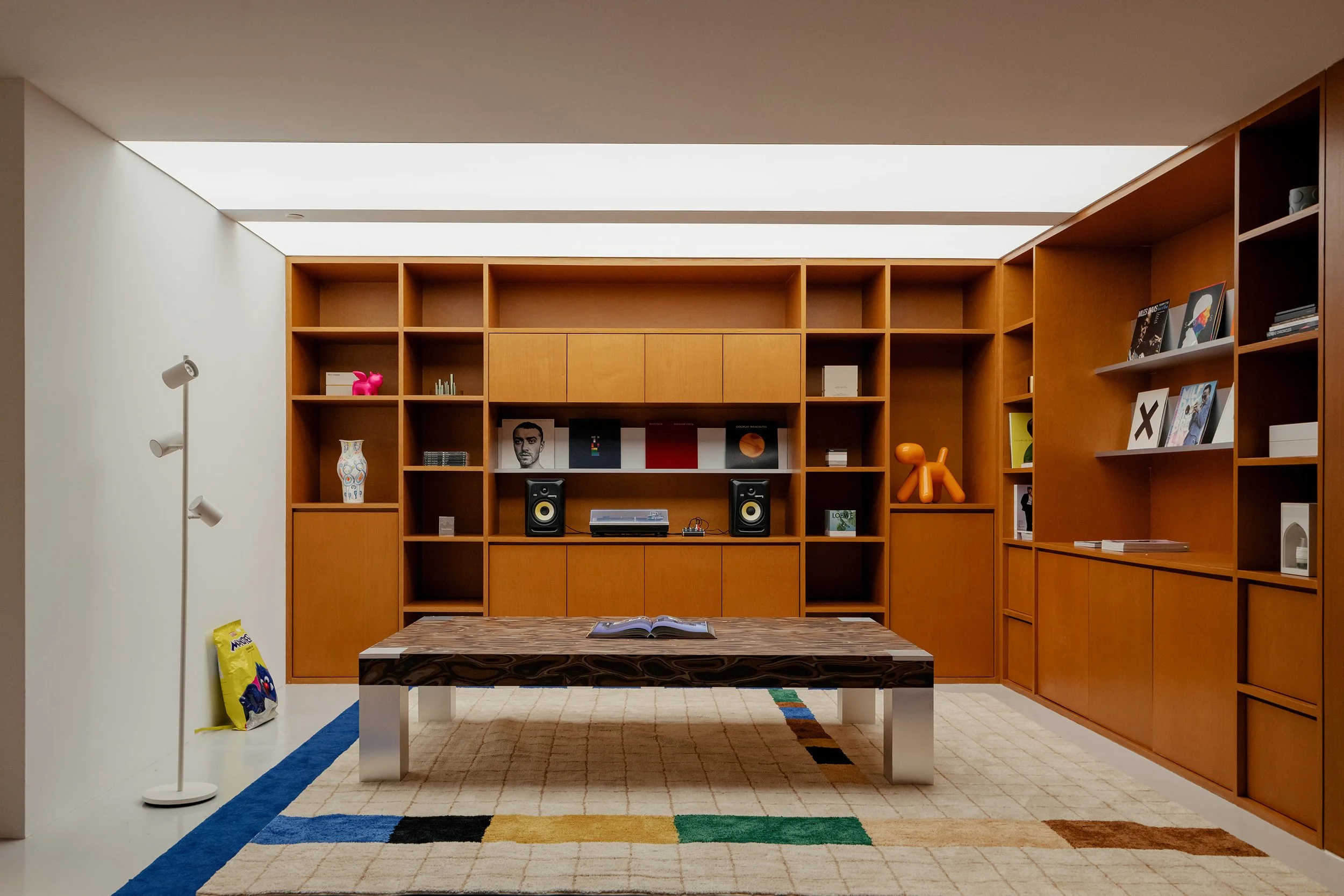
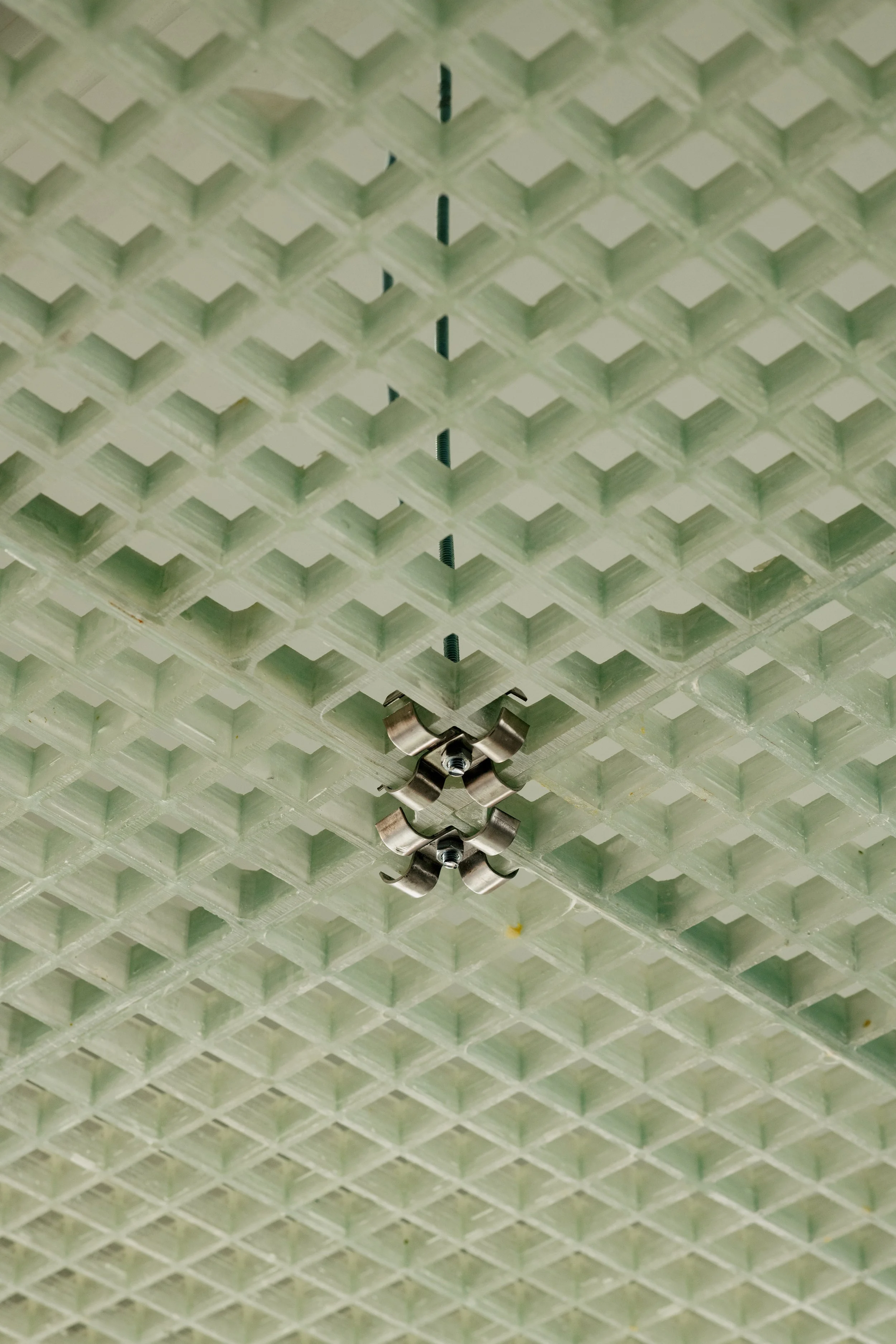
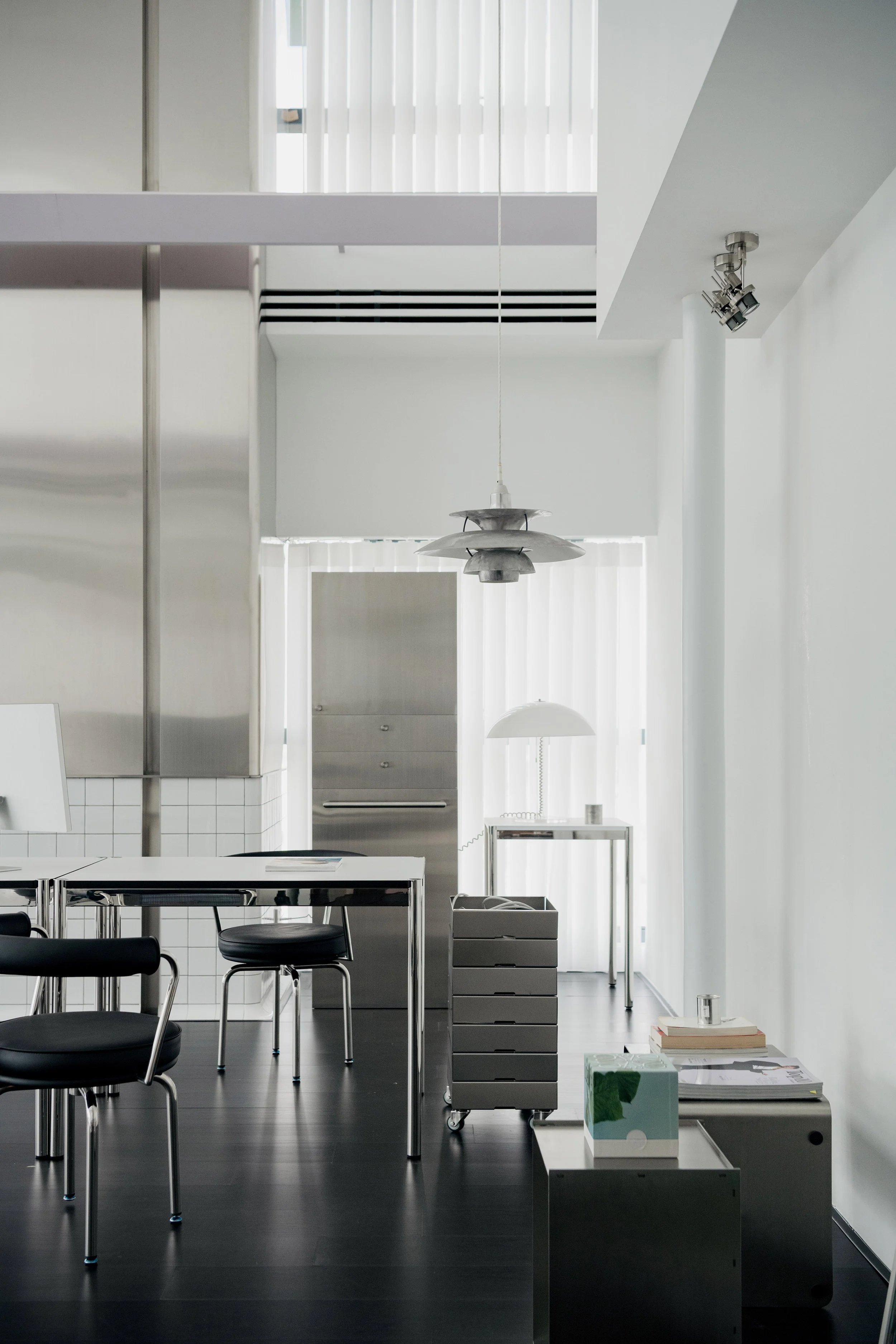
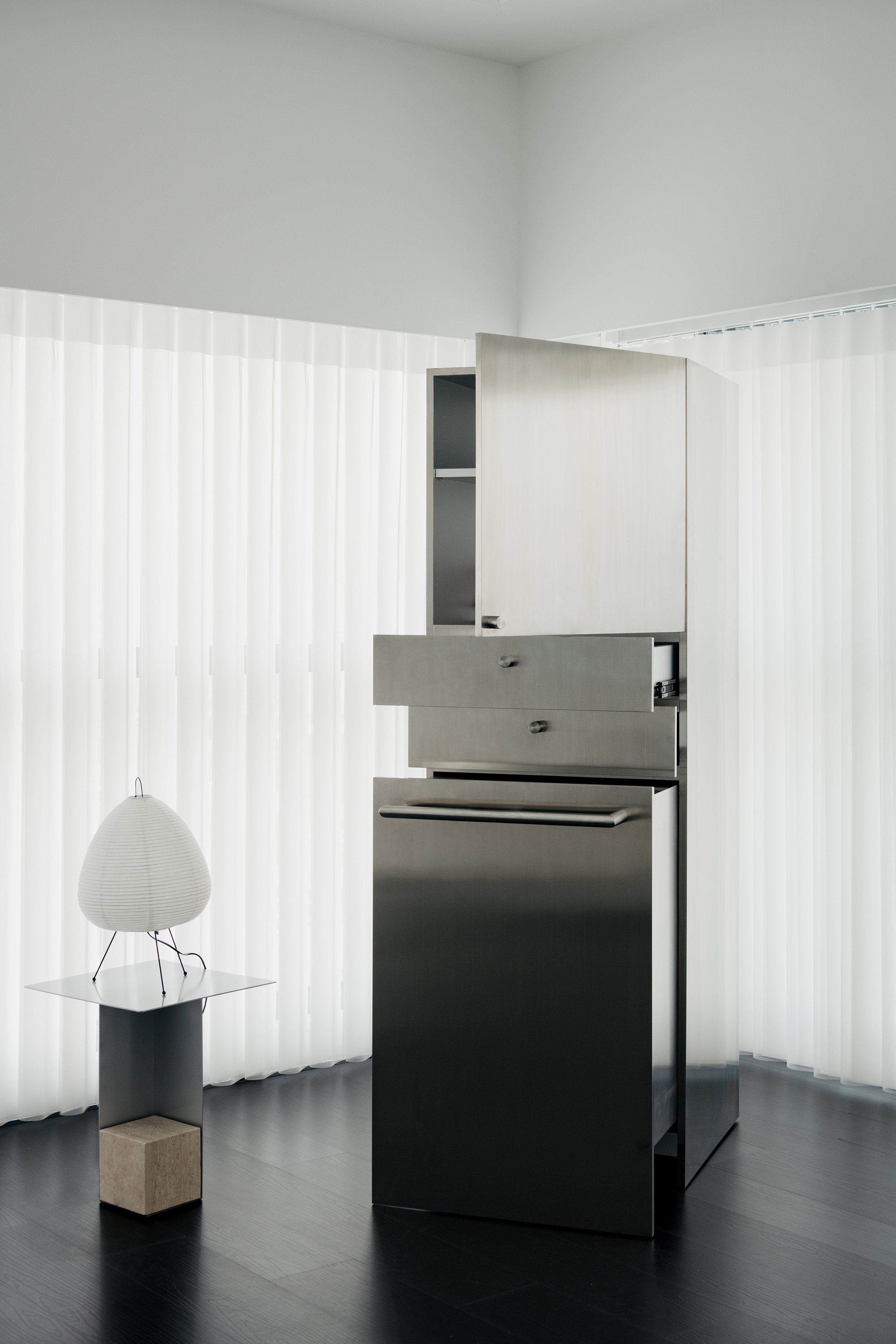
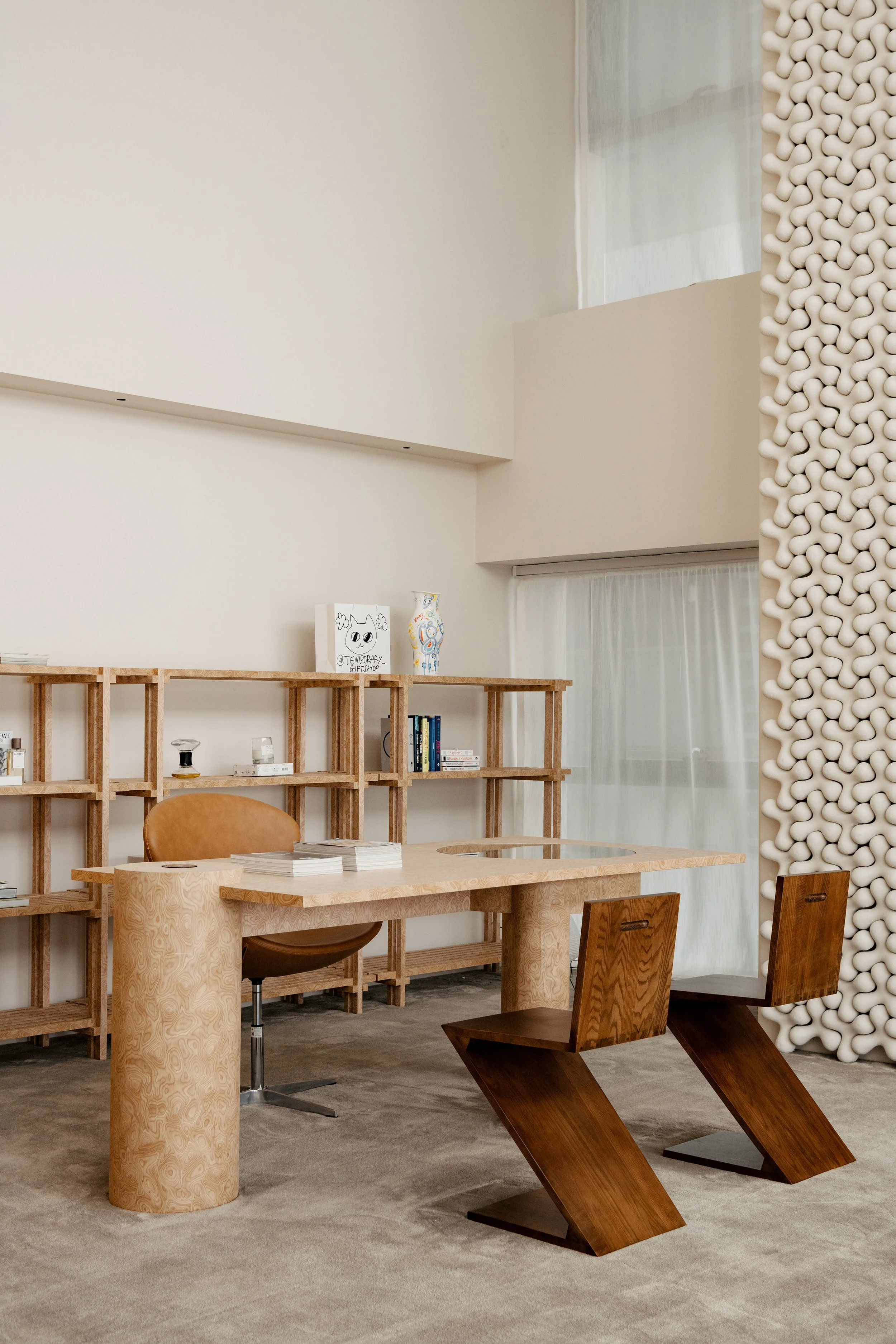
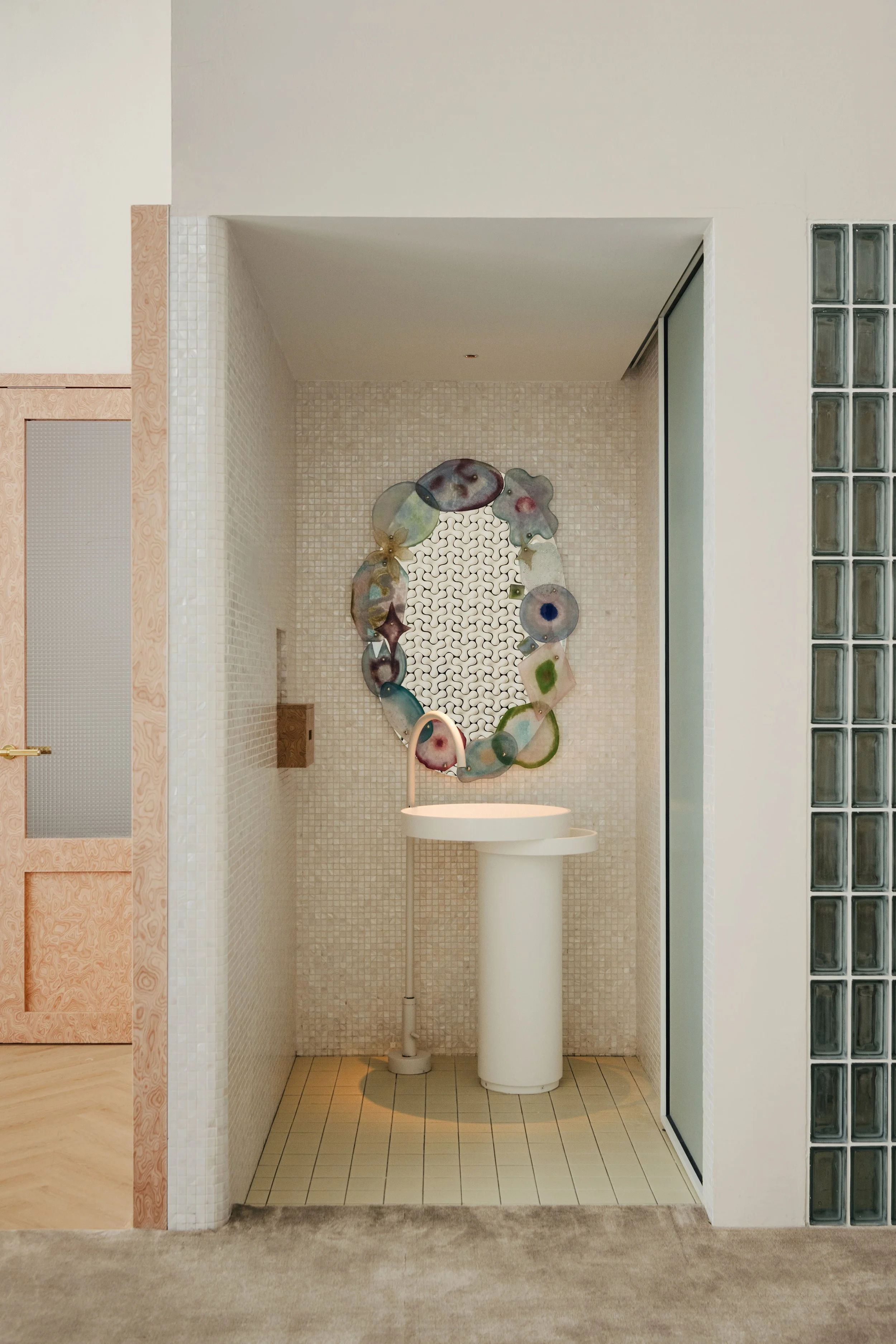
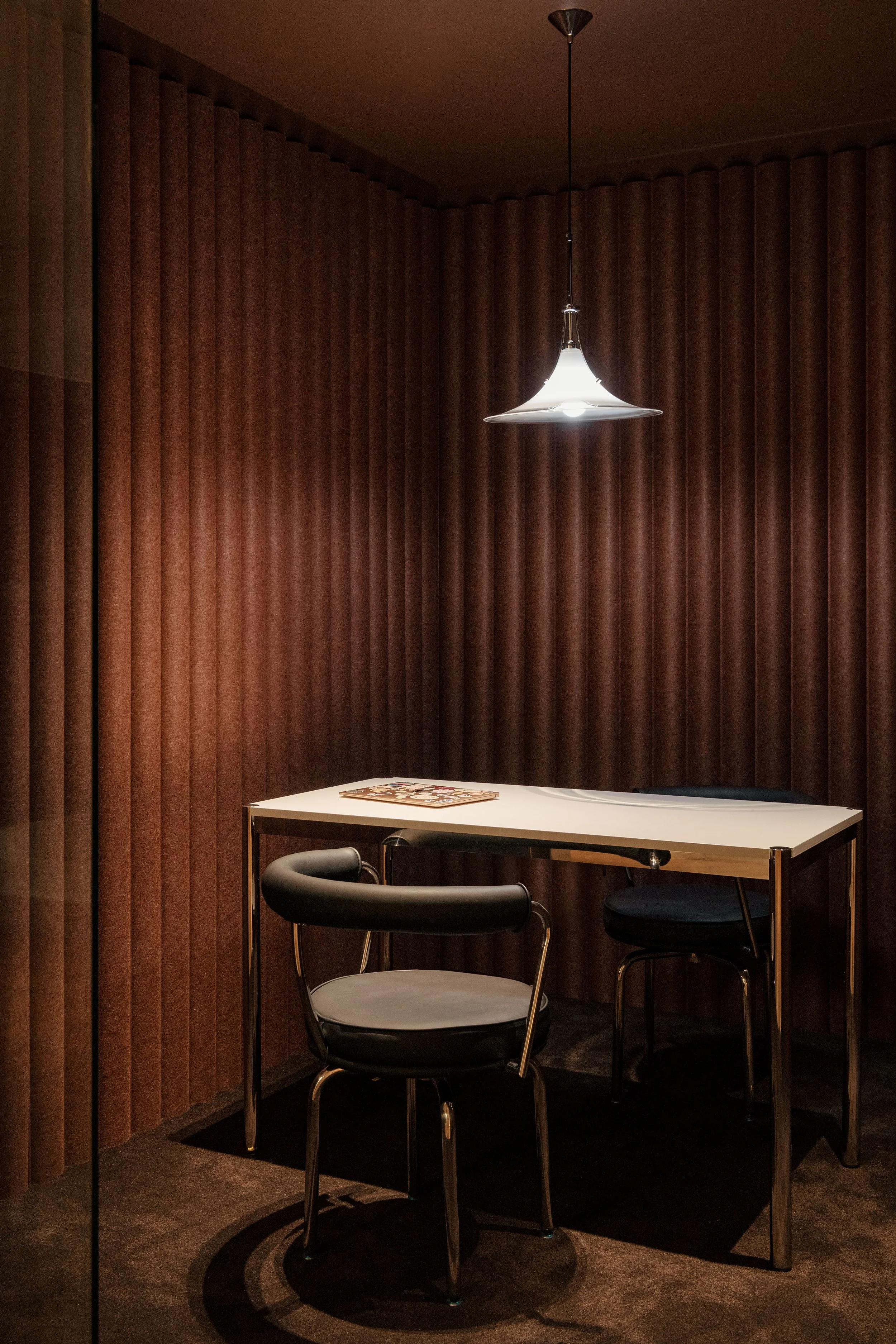
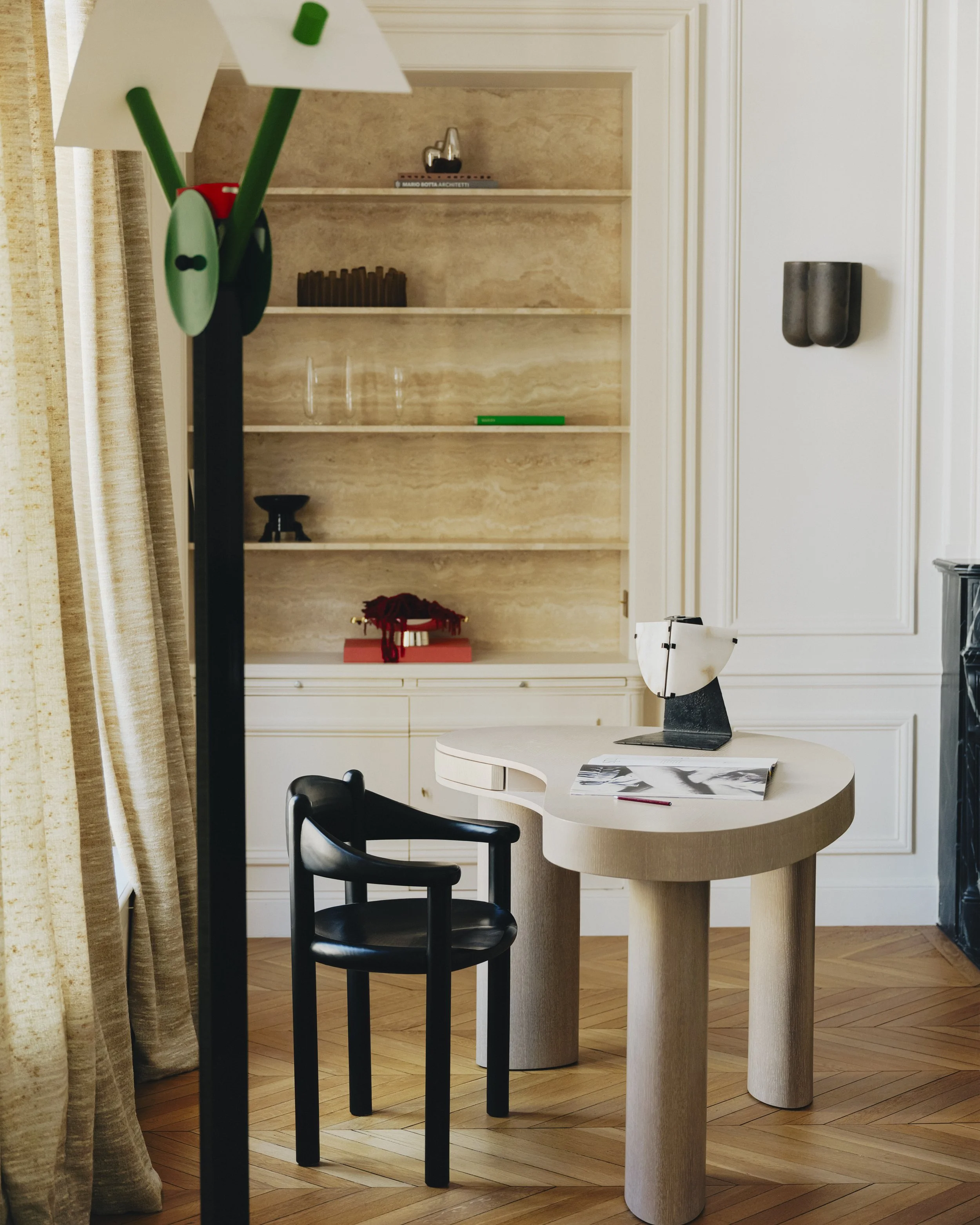
Material and detailing play a key role in holding this diverse interior together. Printed tiles, stained timber, stainless steel, glass, and resin grid ceilings are combined with bespoke lighting and custom furniture systems to create a layered, craft-forward palette. Materials are selected not only for durability but also for their capacity to differentiate atmosphere from one program to the next, allowing each zone to express its purpose while still feeling part of a cohesive whole. Recurring timber elements and consistent detailing reinforce continuity across the varied settings.
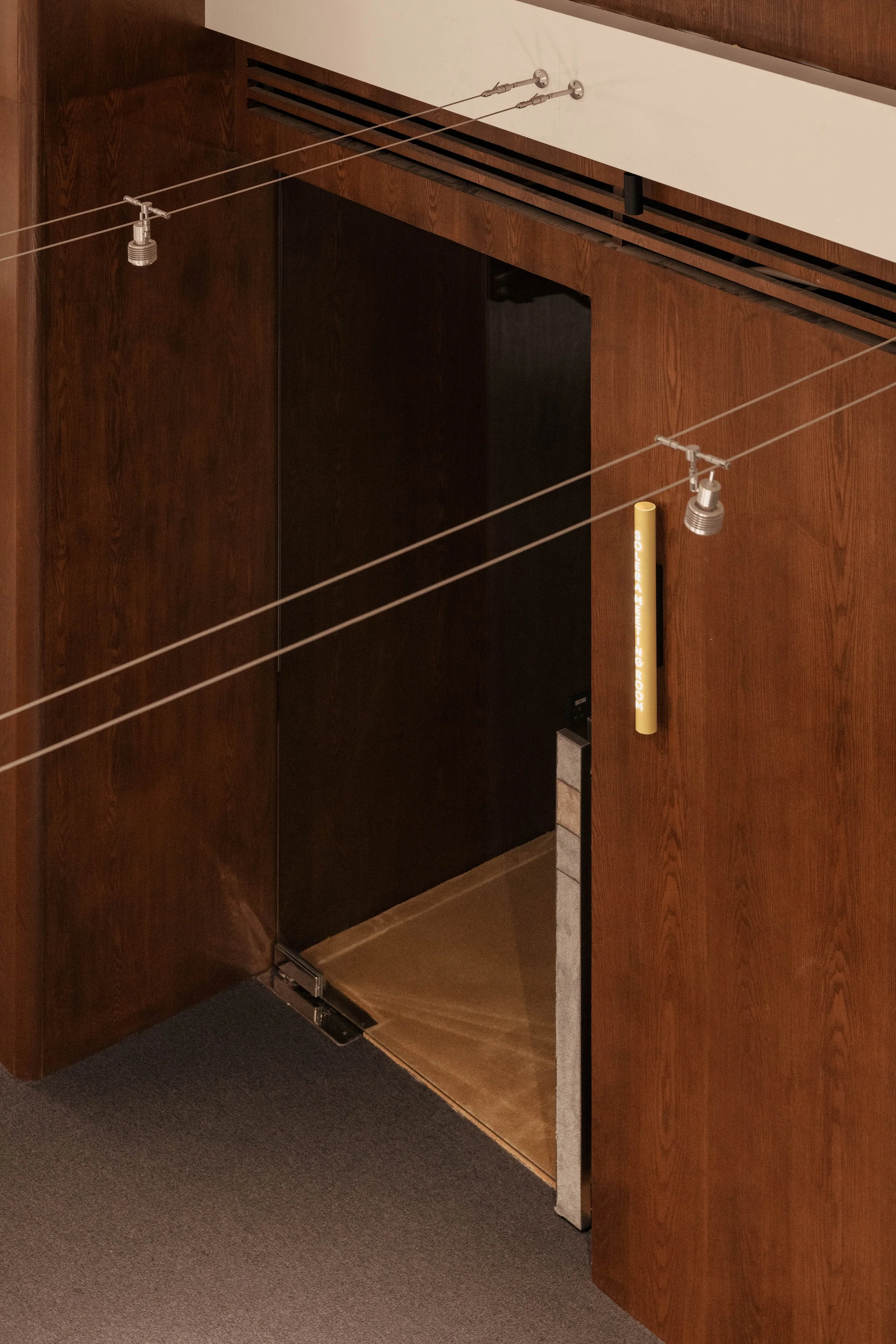
Construction techniques further support the project’s long-term flexibility. Modular components enable reconfiguration, while custom fabrication delivers precision and specificity where needed. DualSpace integrated sculptural hardware, including carpet-wrapped handles and bespoke knobs, and introduced 3D-printed elements to achieve complex forms and tailored details with production efficiency. Flexible furniture systems are engineered to shift with changing occupancy patterns, supporting both day-to-day routines and event modes without a wholesale transformation of the interior.