Cateto Club by Cateto Cateto
Cateto Club, an interior design project by Alejandro Cateto of Cateto Cateto for Marbella Design and Art 2026, revisits the Costa del Sol’s 1960s club scene through a contemporary architectural lens.
It draws from a period associated with Estilo del Relax, when the coastline became an international playground and its nightlife helped define a new image of leisure—public, glamorous, and charged with possibility. The project uses this cultural backdrop as a framework for exploring memory and transformation, translating a specific social atmosphere into spatial form.
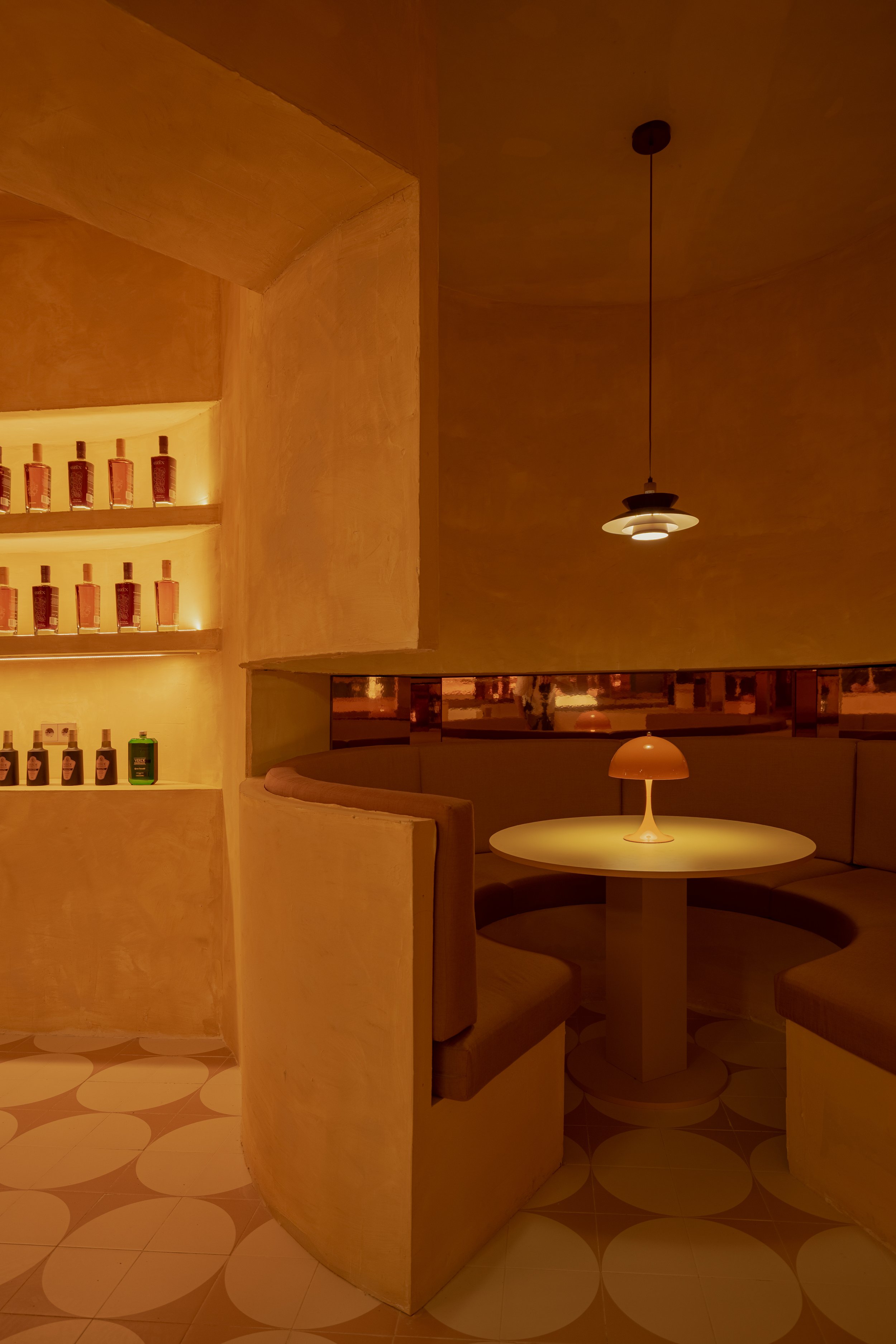
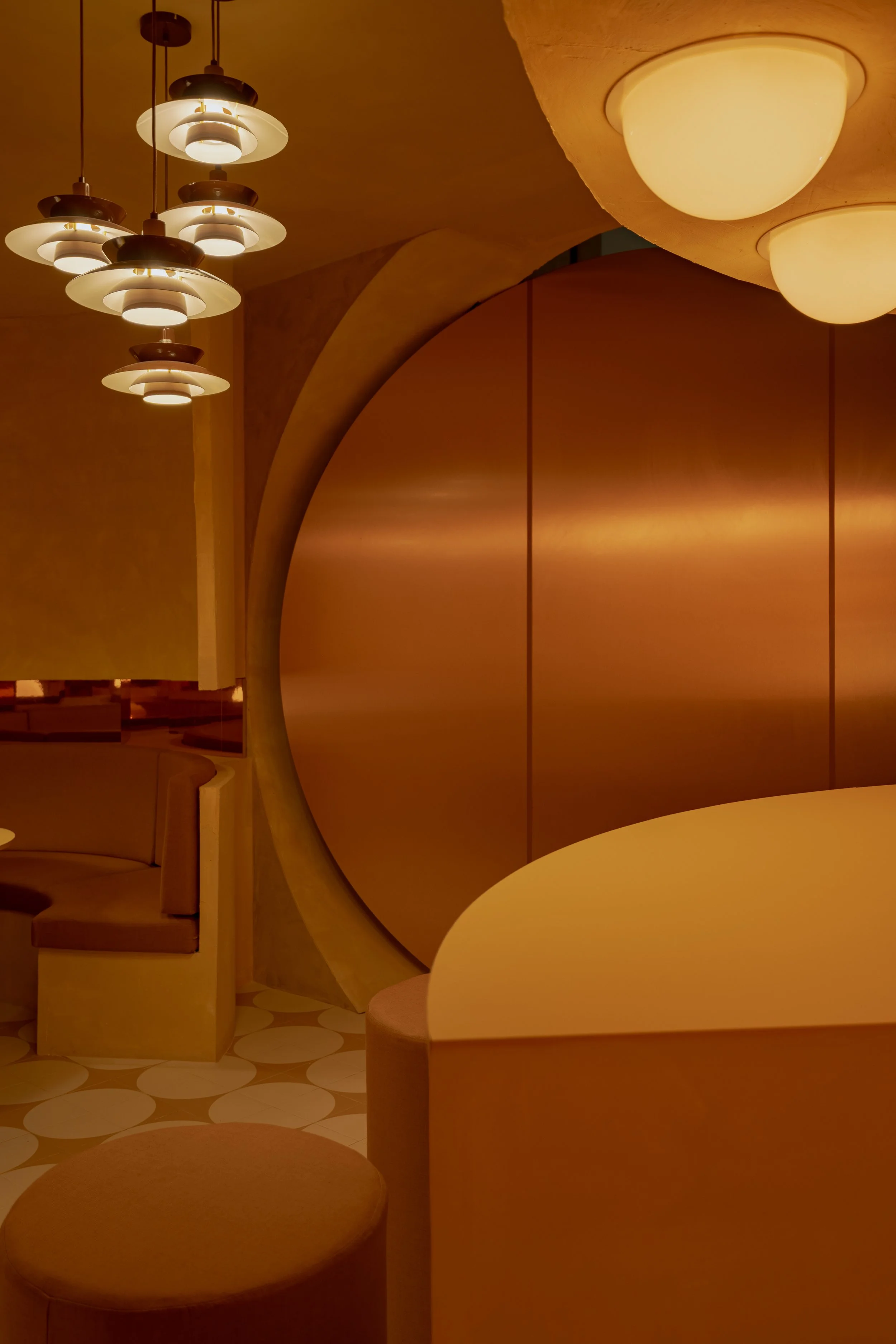
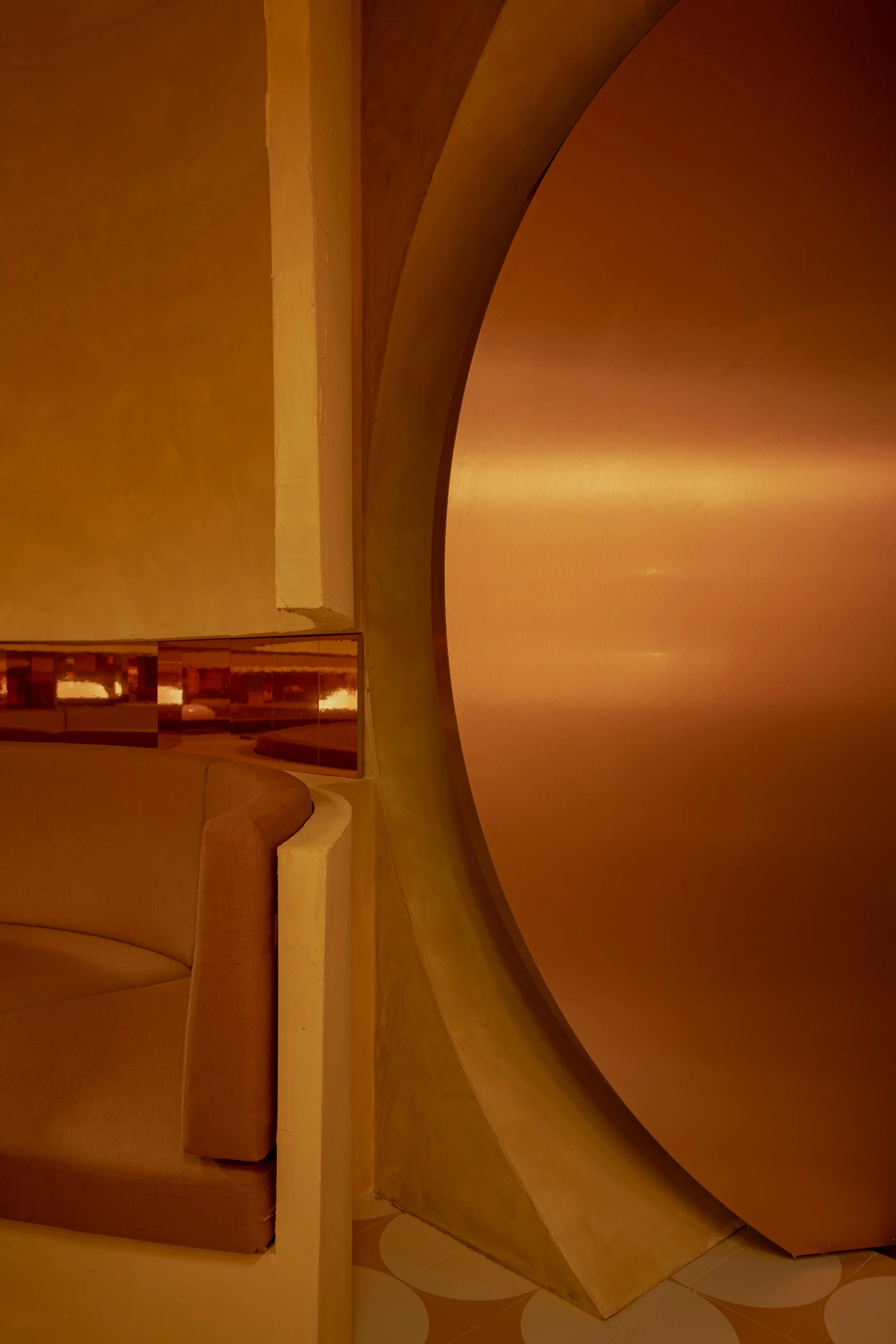
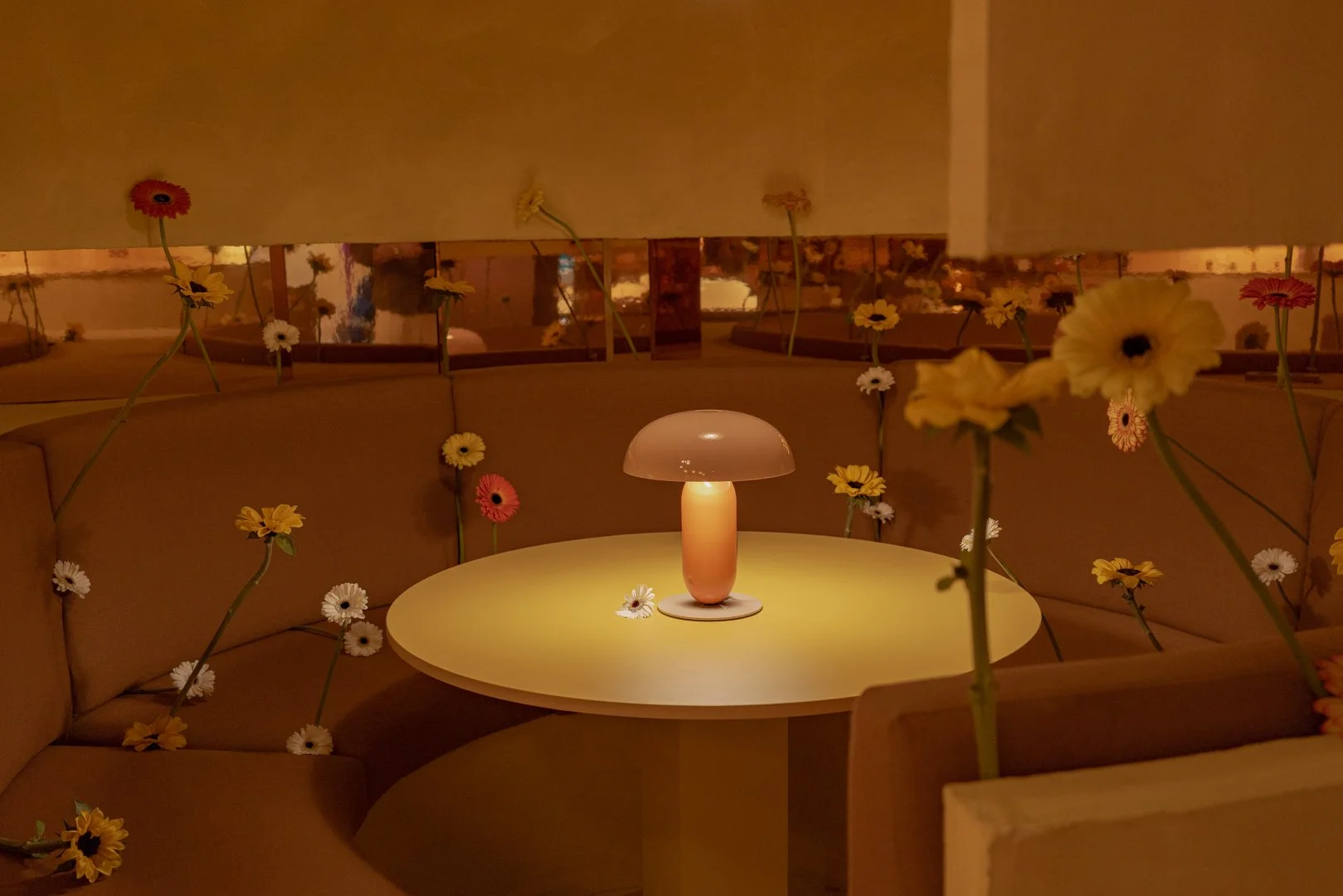
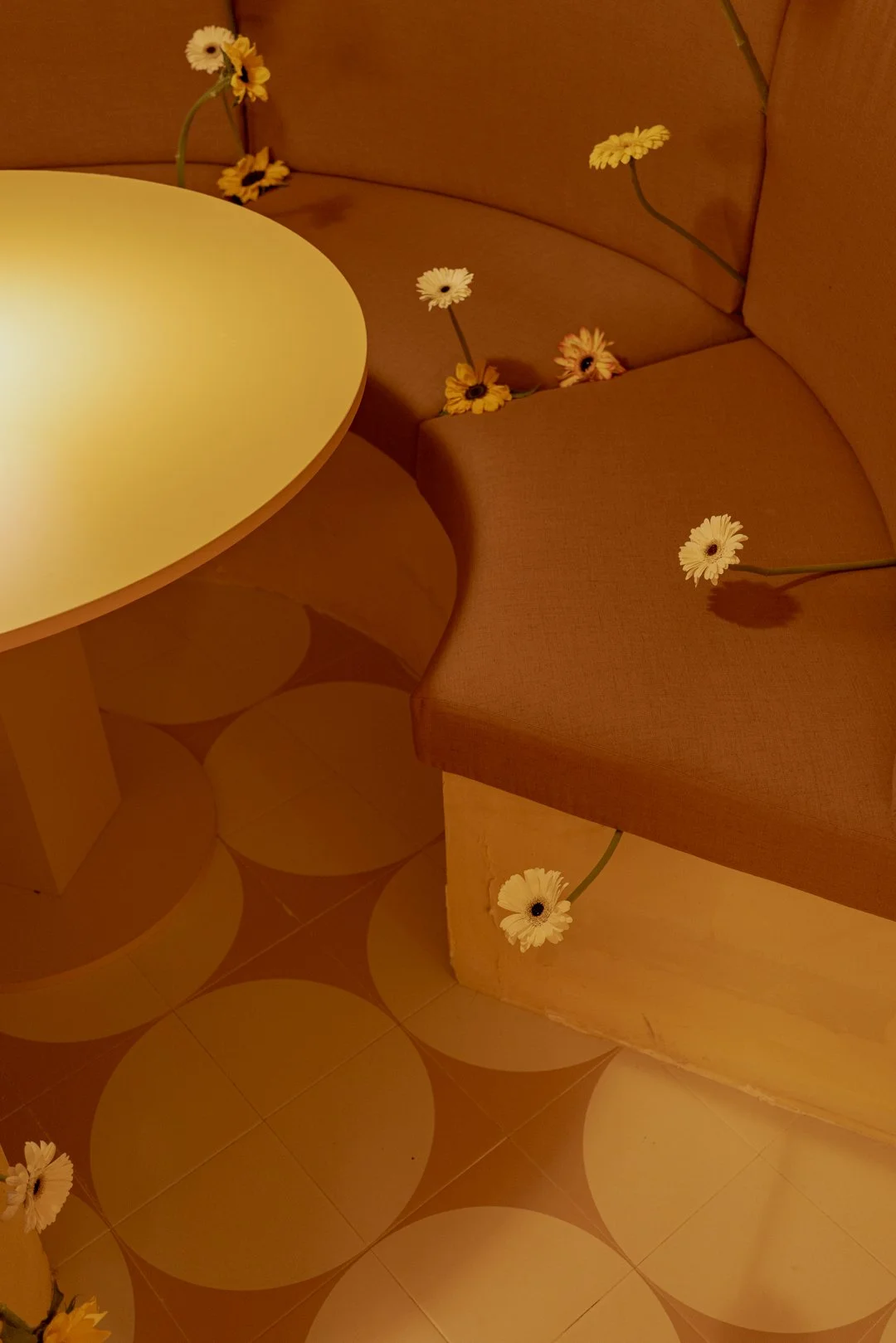
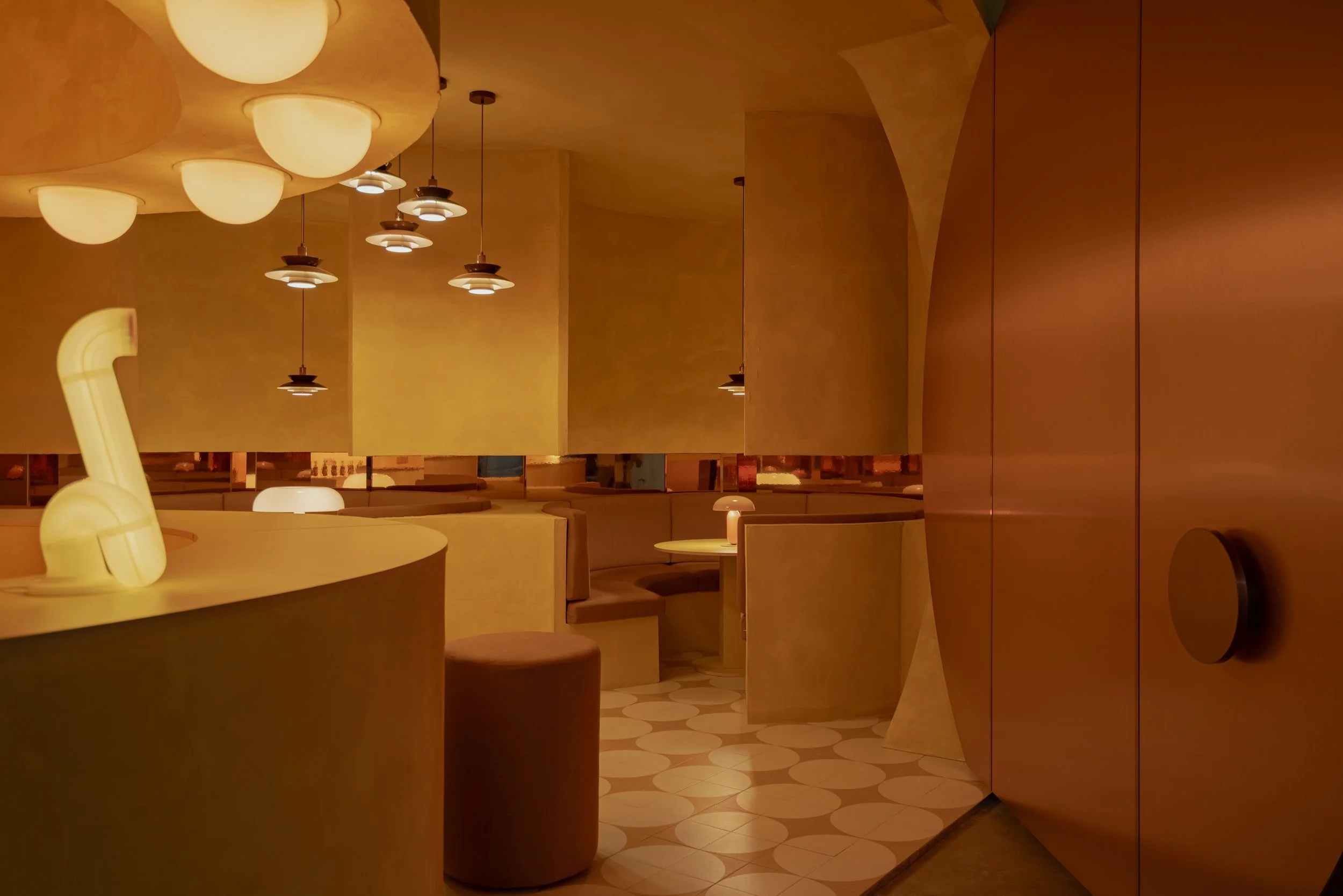
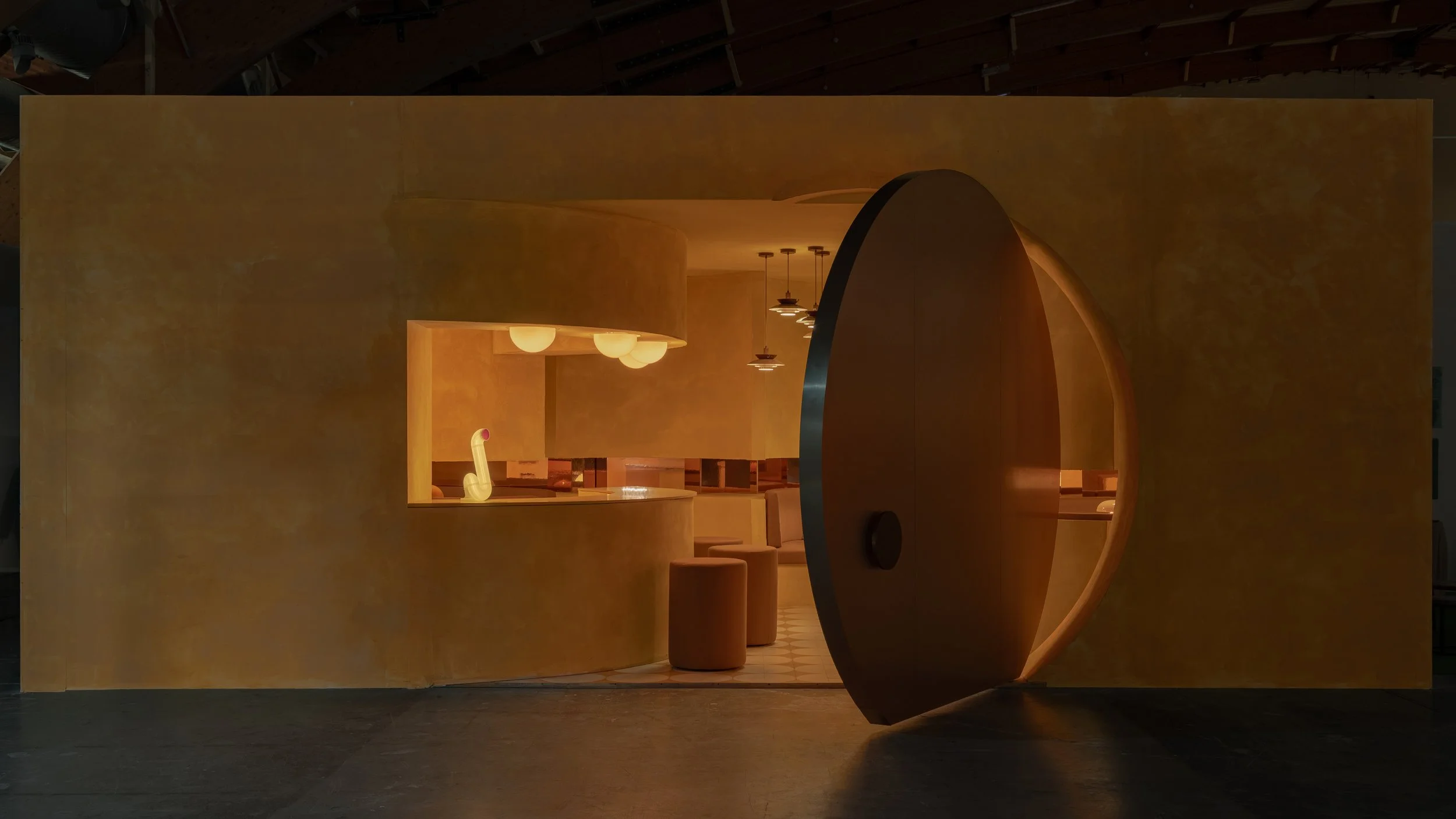
A single geometry anchors the entire concept: the cylinder. More than a motif, it operates as a structural logic that scales up and down across the interior. Cylindrical voids shape seating areas, solid volumes form the bar and stools, and circular patterning is carried into the ceramic floor. The same language appears at thresholds and in the curvature of architectural details, building continuity across the space through repeated, carefully calibrated forms.
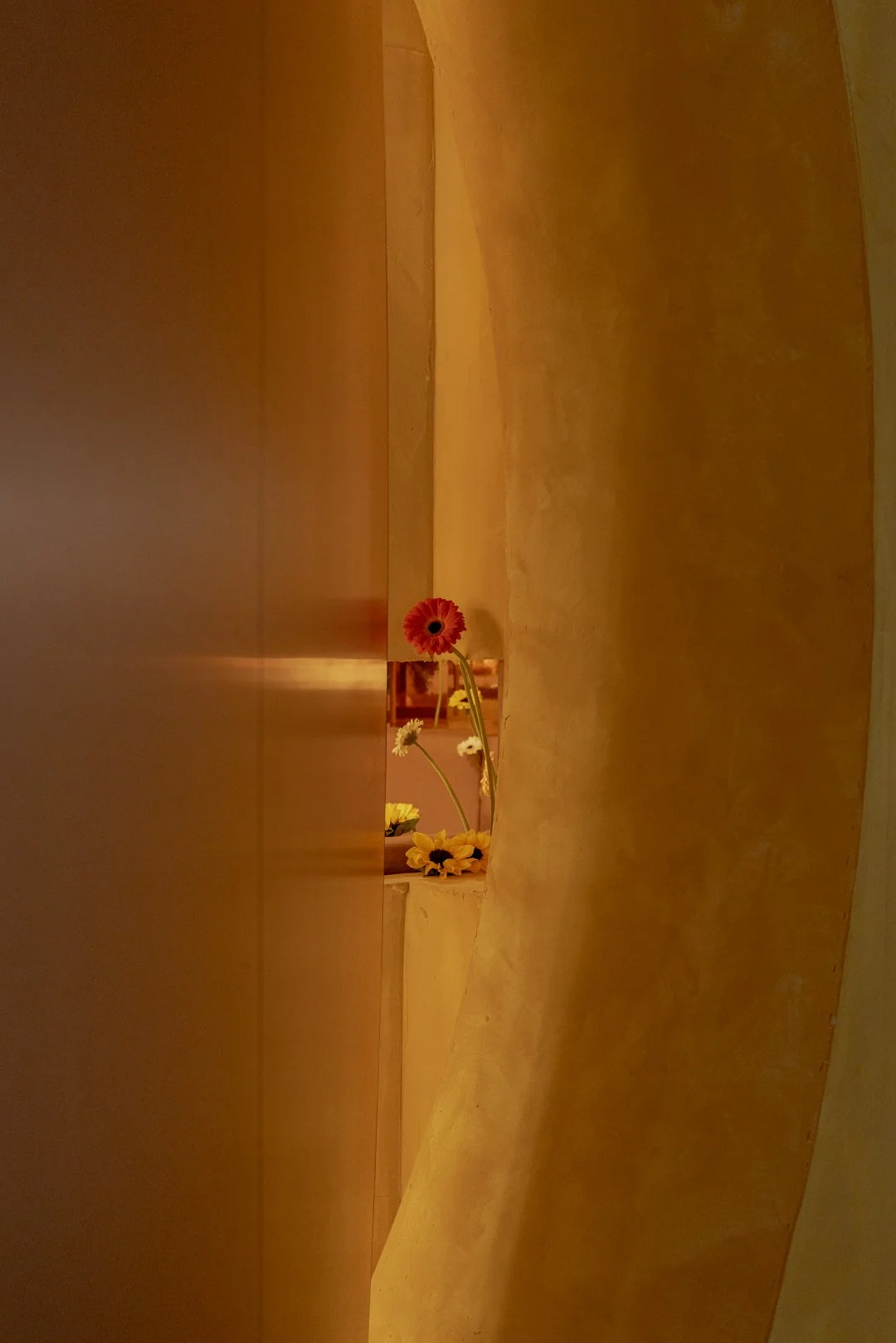
At the entry, a three-metre-wide circular door acts as a bold threshold. It recalls the expressive façades of roadside nightclubs along the N-340 in Montemar, Torremolinos, where signage and entrances often carried a sense of spectacle. The reference to Robert Venturi’s idea of monumentality reinforces this reading, positioning the door as an architectural statement with a strong graphic presence.
Color, geometry, and immersive atmosphere draw from the legacy of designers such as Mario Bellini and Verner Panton, while the project’s local references stay close to the Costa del Sol’s built landscape. Echoes of the Aqua-Tec diving club in Fuengirola, the brutalist towers of Torremolinos, and the Ciudad Sindical de Vacaciones Tiempo Libre in Marbella connect the interior to a broader architectural memory of the region—one shaped by tourism, experimentation, and leisure infrastructure.
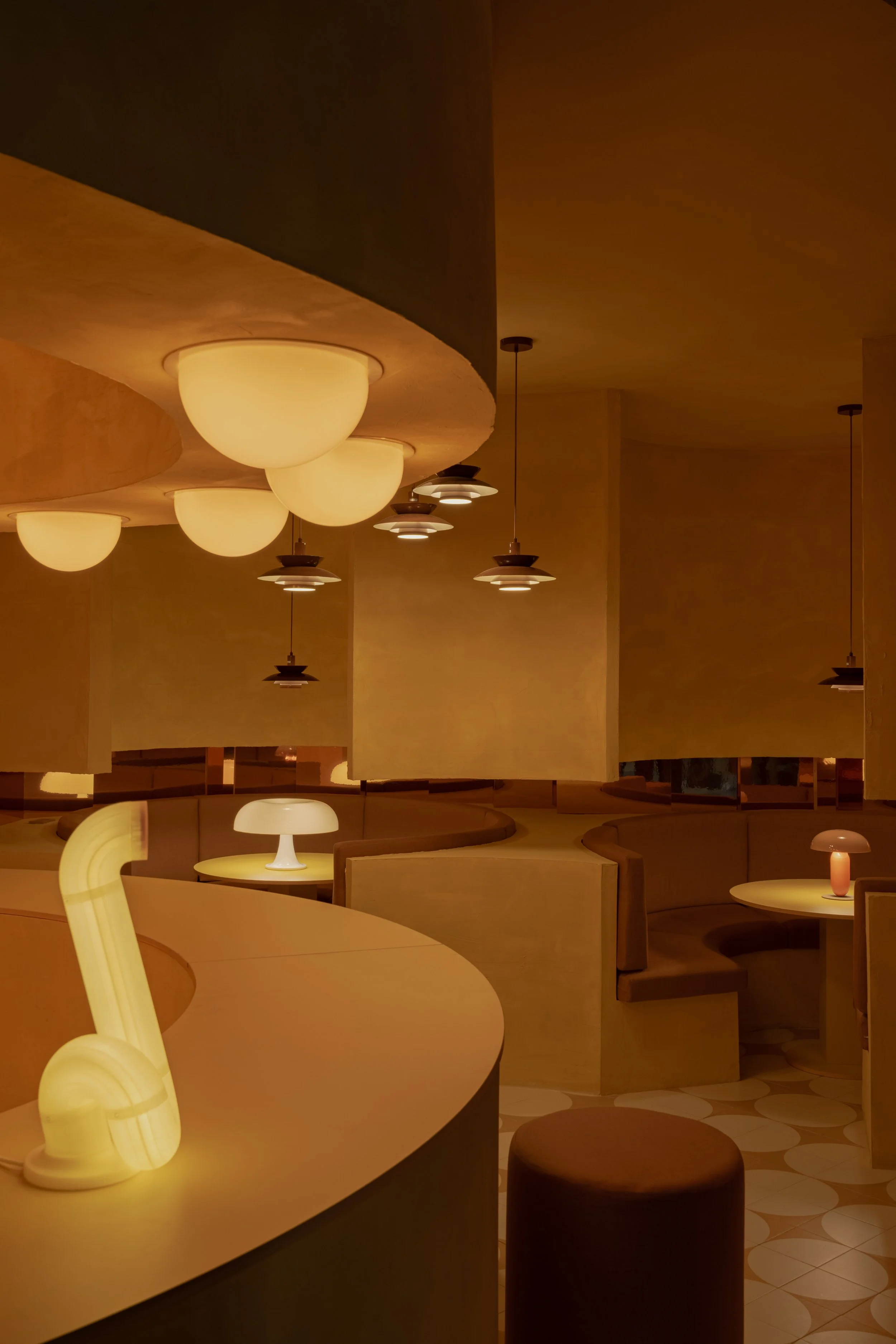
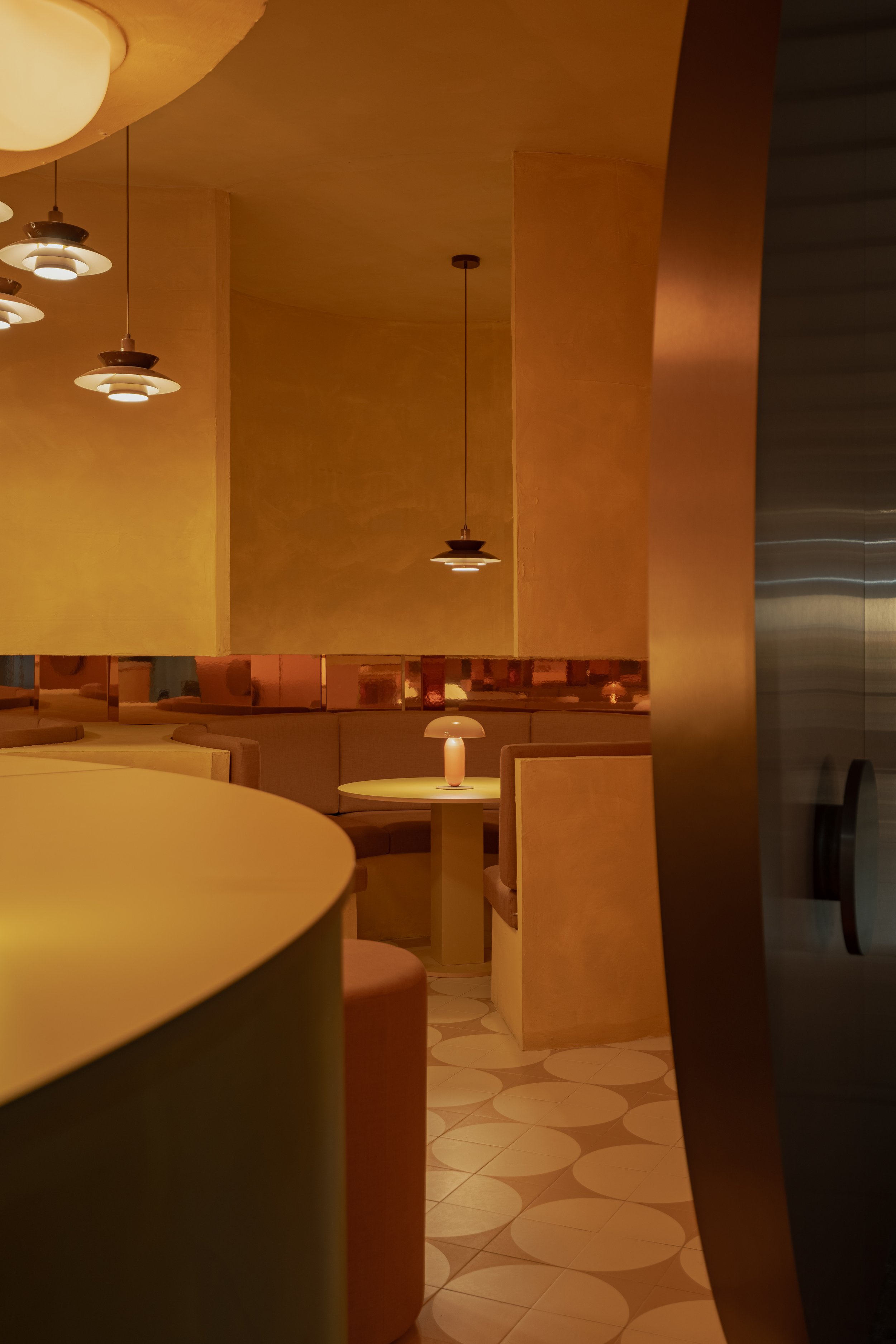
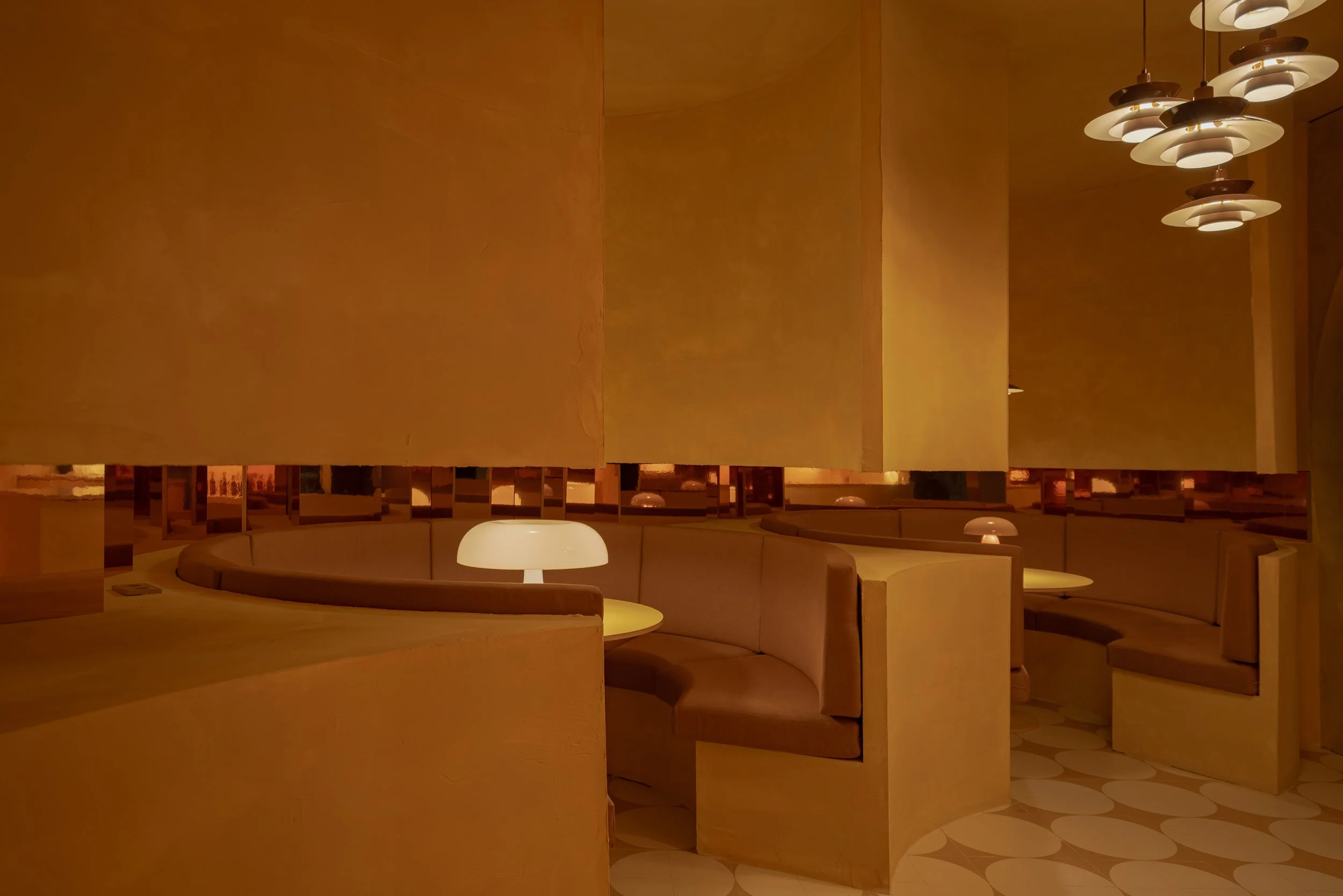
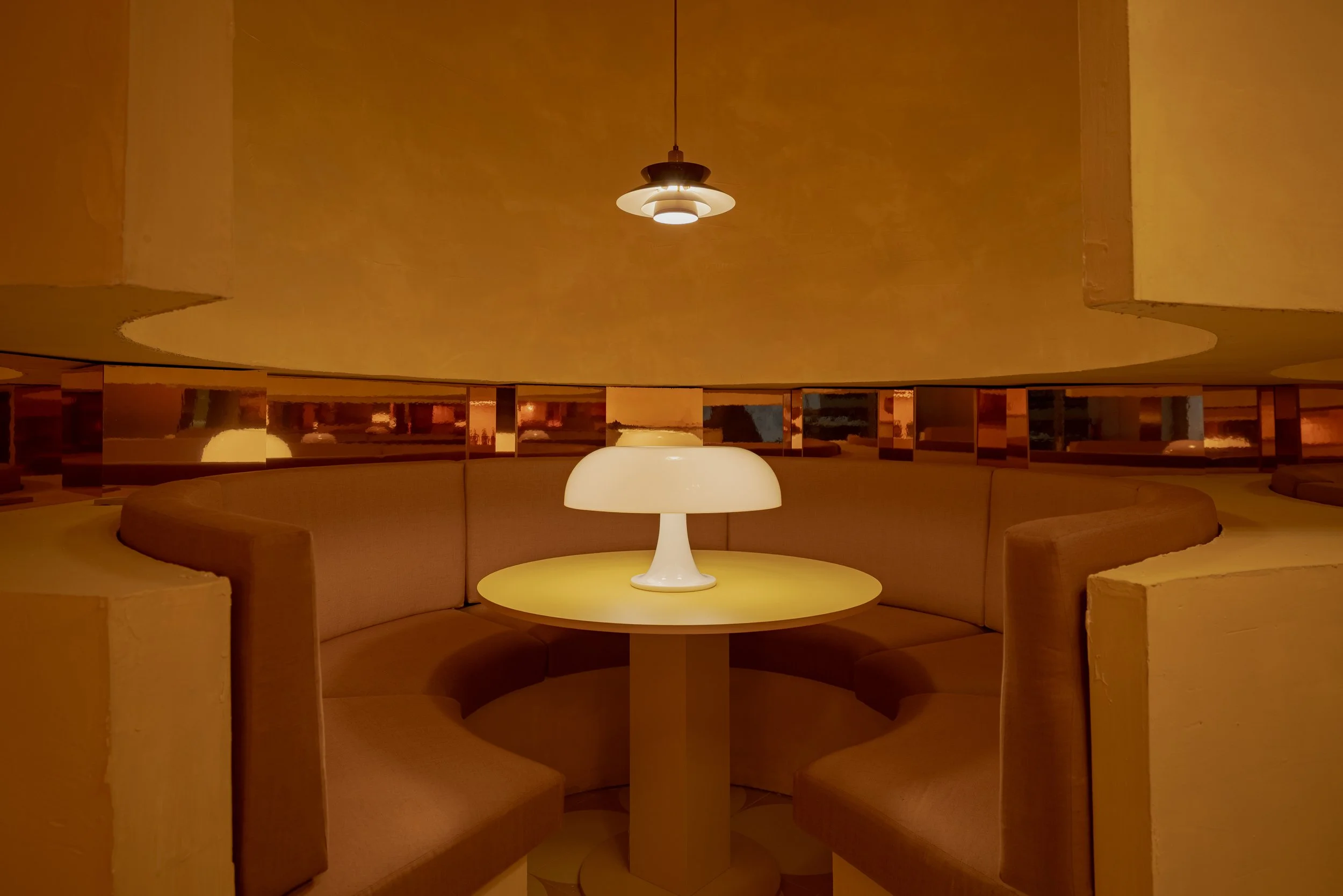
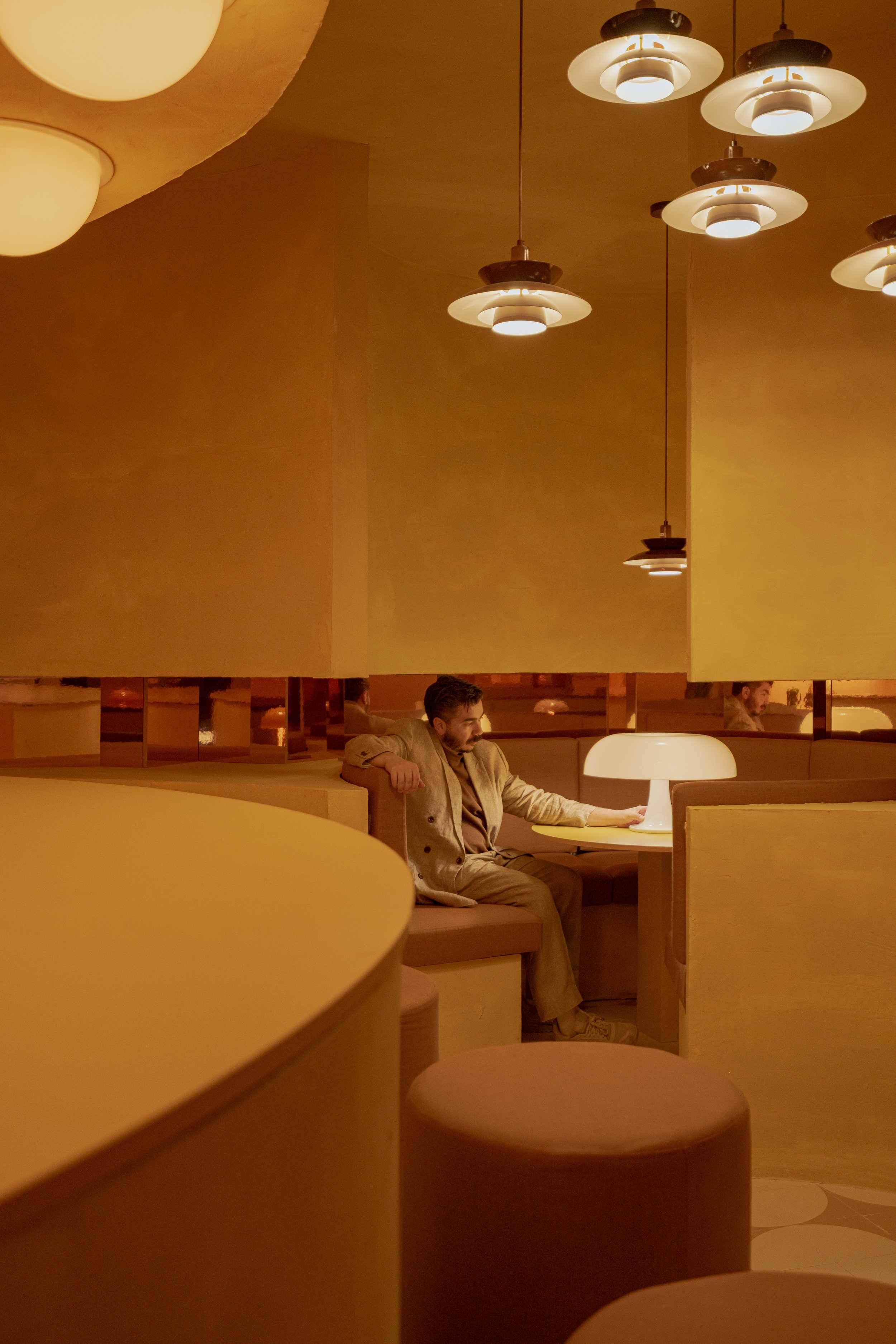
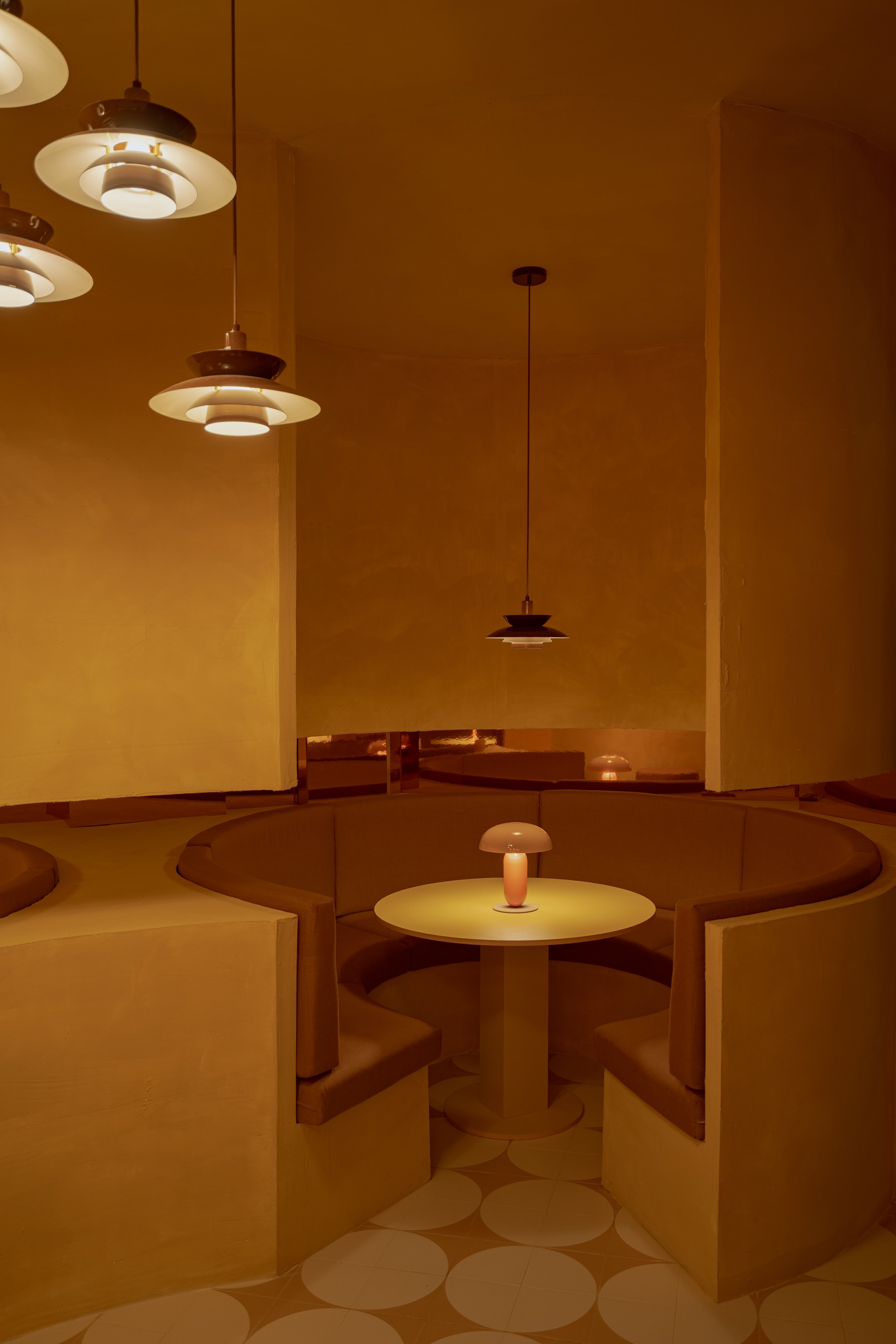
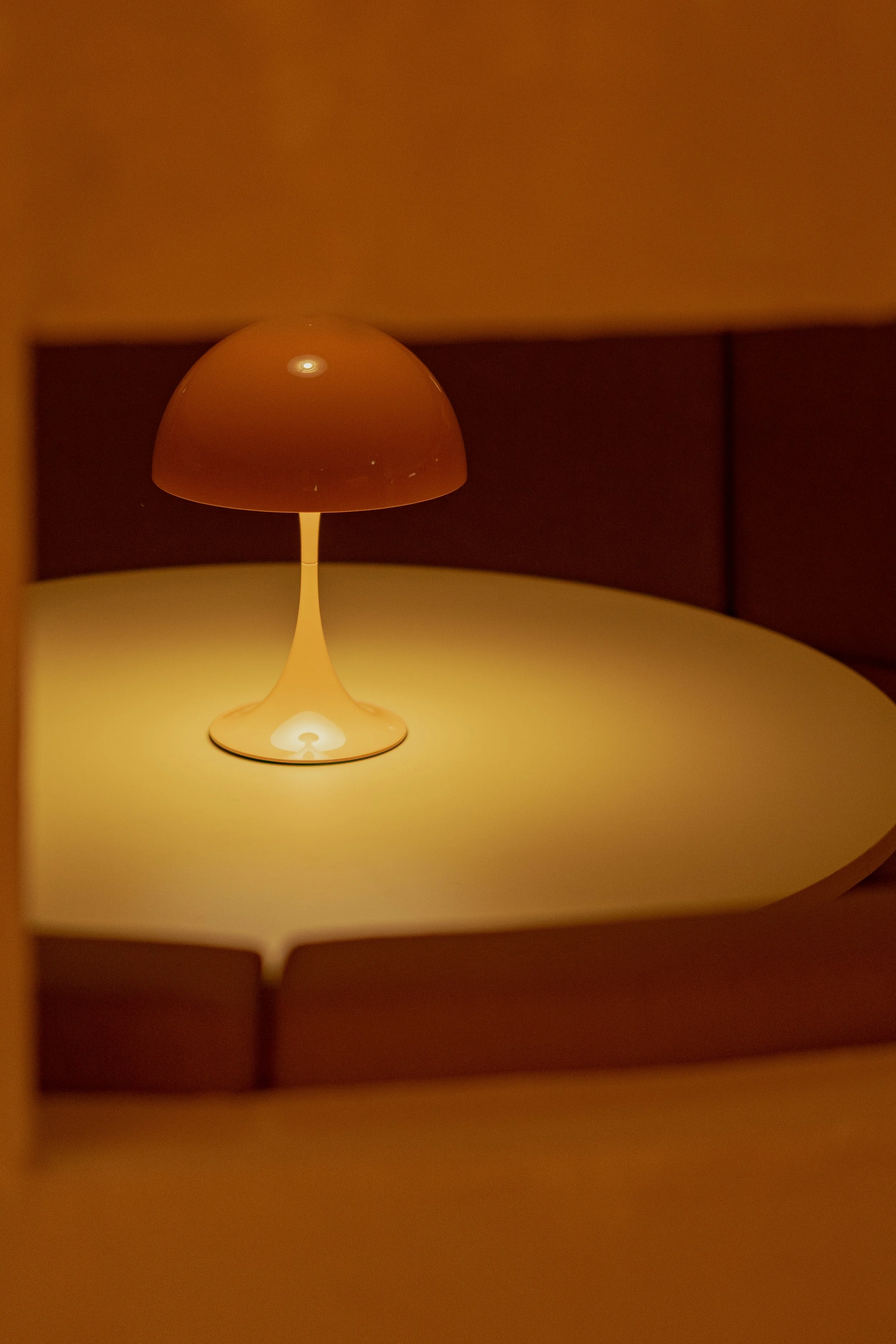
Lighting is treated as a key design tool, defining mood as much as visibility. Iconic pieces including Louis Poulsen’s Panthella, Artemide’s Nesso, and Marset’s Gambosa contribute familiar silhouettes and warm presence, supporting the project’s interest in atmosphere without leaning on decorative excess. A custom Sentry Sculpture Light by Ewan Lamm for Ultramar Studio extends this approach, introducing a sculptural element that sits comfortably within the space’s geometric discipline.
Material choices reinforce the project’s tactile and time-worn sensibility. Rough finishes, visible textures, and techniques associated with everyday construction of the period—such as gotelé and whitewashed surfaces—are deployed intentionally, giving the interior a physical grain that complements its bold forms. The surfaces carry a sense of contact and weathering, connecting the club setting to the coastal buildings and nightlife venues that shaped its references.
An artistic installation by interior landscaper Charo Benitez, developed in collaboration with Alejandro Cateto, introduces a living layer to the space. Using vegetation including gerberas and sunflowers, the installation points to abandoned leisure structures along the coast and the ways nature moves in when buildings lose their original purpose. It adds a quieter counterpoint to the project’s formal clarity, bringing questions of decay, preservation, and reuse into the club environment.
Within Marbella Design and Art 2026, Cateto Club positions interior architecture as a tool for cultural reinterpretation. Through a disciplined use of form, a deliberate lighting strategy, and materials that hold both texture and memory, it reframes a moment in Costa del Sol nightlife history as a contemporary spatial experience—one grounded in place, shaped by reference, and driven by architectural intent.